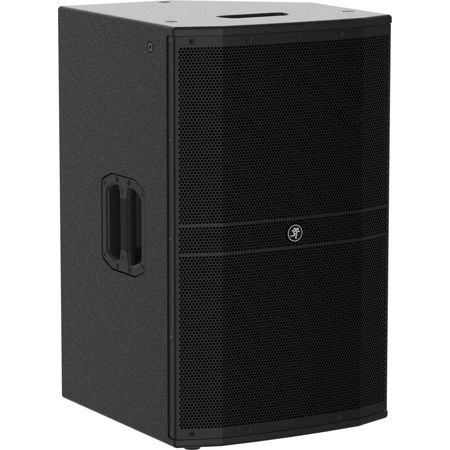
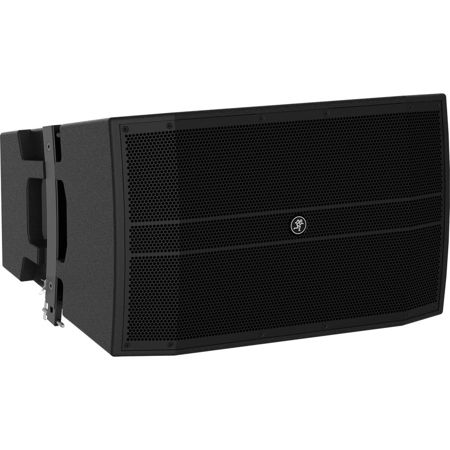

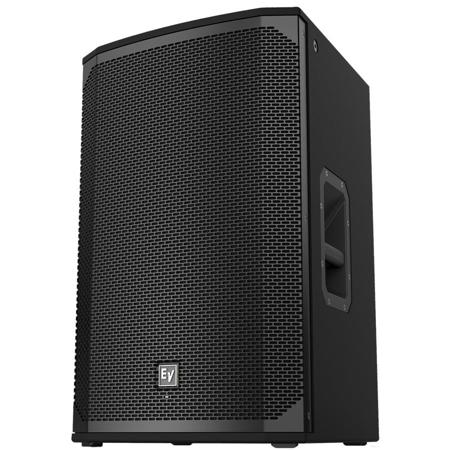
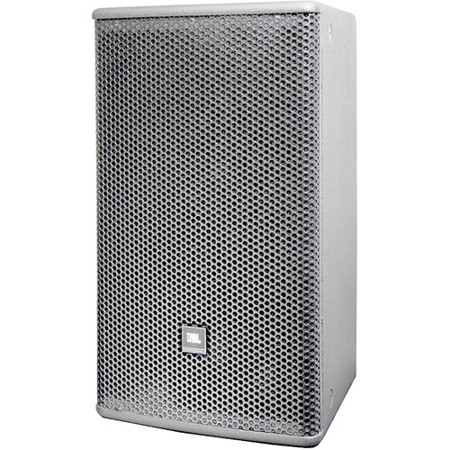
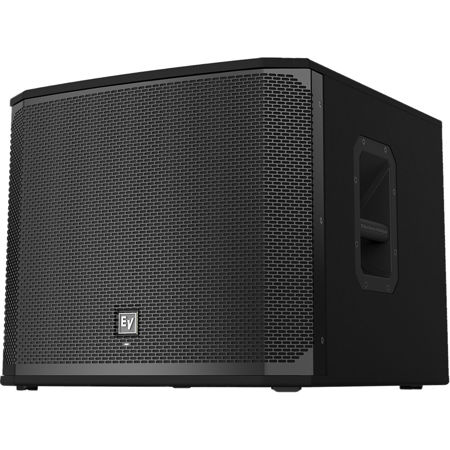
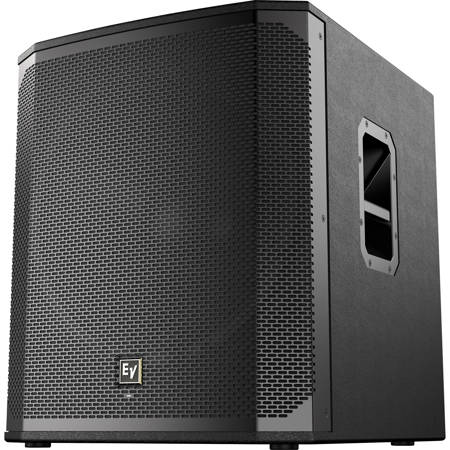
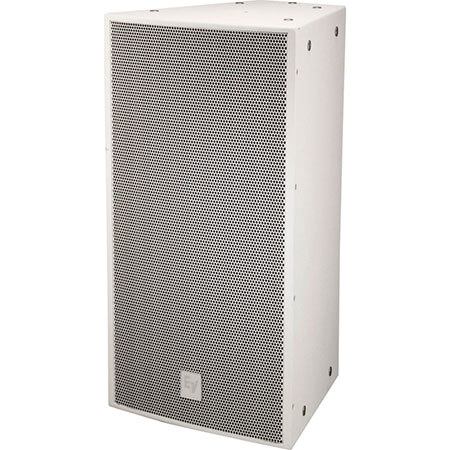
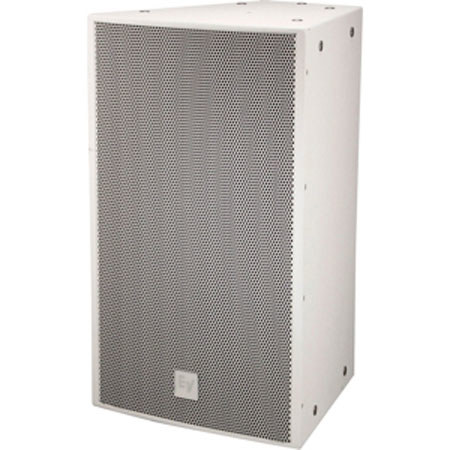
Passive Loudspeakers
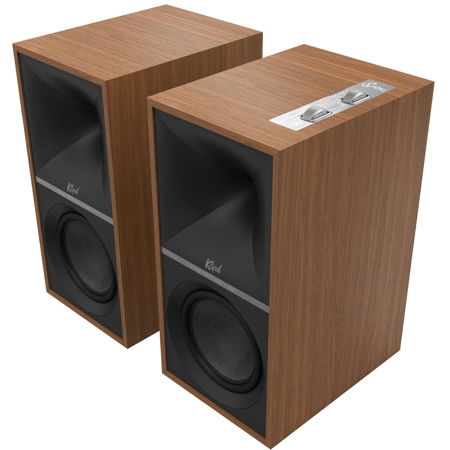
When it comes to building a truly custom audio system—whether for home listening, a professional studio, or a live venue—passive loudspeakers offer an unmatched level of flexibility and control. Unlike their powered counterparts, passive loudspeakers do not contain built-in amplifiers; instead, they rely on an external amplifier or AV receiver to deliver the power and signal they need. This separation of components means you can handpick the perfect amplifier to match your speakers’ characteristics, fine-tune your system to your personal taste, and scale up or reconfigure as your needs evolve. For audiophiles, musicians, and event professionals, this mix-and-match capability is a major advantage. Imagine setting up a home theater that fills your living space with cinematic sound, or equipping a rehearsal studio where every nuance of a performance is faithfully reproduced. In commercial settings—restaurants, houses of worship, conference centers—passive loudspeakers make it easy to distribute sound evenly throughout large or uniquely shaped spaces, connecting multiple speakers to a single multi-channel amplifier for seamless coverage.
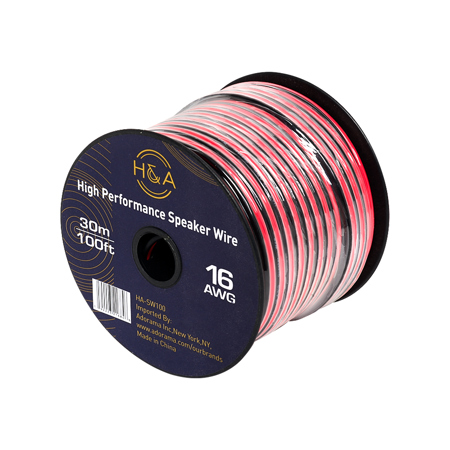
The design of passive loudspeakers incorporates internal crossovers, which are carefully engineered networks that split the incoming audio signal into separate frequency bands and direct them to the appropriate drivers—tweeters for high frequencies, woofers for lows, and sometimes dedicated midrange drivers. This ensures clarity and detail across the entire sound spectrum, whether you’re listening to a delicate acoustic guitar or the thunderous pulse of a kick drum. Setting up passive loudspeakers does require some planning: you’ll need to consider the impedance and wattage ratings of both your speakers and amplifier to ensure a safe and optimal match. The wiring process involves running speaker cables—often terminated with banana plugs, bare wire, or Speakon connectors—from the amplifier to each speaker. While this adds a layer of complexity compared to plug-and-play powered speakers, it also grants you the freedom to expand your system, swap out components, or upgrade as your tastes and requirements change. This scalability is especially valuable as the weather warms and gatherings move outdoors, or as live events and performances pick up during the festival season. For those who love tinkering with gear or want a sound system that can grow with them, passive powered speakers are a worthwhile investment that can last for years, since you can replace or repair individual components rather than the entire setup.
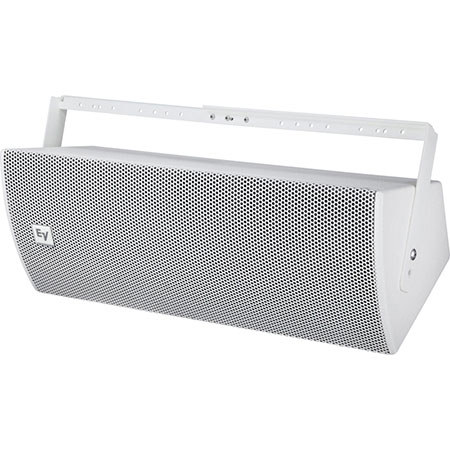
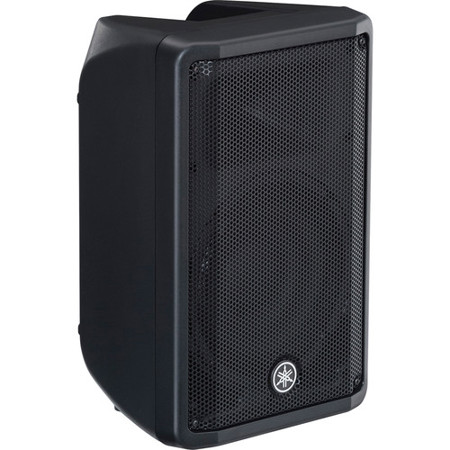
Passive loudspeakers make thoughtful gifts for anyone passionate about music, film, or live performance. They’re ideal for the aspiring audio engineer looking to build their first home studio, the family member upgrading a home theater for immersive movie nights, or the musician outfitting a practice space. As summer turns to fall and indoor events become more frequent, a well-chosen set of passive loudspeakers can transform any gathering—be it a backyard barbecue, a birthday party, or a cozy evening with friends—into an unforgettable experience. For those seeking more powerful options for large spaces or outdoor venues, explore our selection of Large Loudspeakers for even greater coverage and impact. Whether you’re designing a system for critical listening, high-energy performances, or everyday enjoyment, passive loudspeakers provide the adaptability, longevity, and sound quality that discerning listeners and professionals demand.
The design of passive loudspeakers incorporates internal crossovers, which are carefully engineered networks that split the incoming audio signal into separate frequency bands and direct them to the appropriate drivers—tweeters for high frequencies, woofers for lows, and sometimes dedicated midrange drivers. This ensures clarity and detail across the entire sound spectrum, whether you’re listening to a delicate acoustic guitar or the thunderous pulse of a kick drum. Setting up passive loudspeakers does require some planning: you’ll need to consider the impedance and wattage ratings of both your speakers and amplifier to ensure a safe and optimal match. The wiring process involves running speaker cables—often terminated with banana plugs, bare wire, or Speakon connectors—from the amplifier to each speaker. While this adds a layer of complexity compared to plug-and-play powered speakers, it also grants you the freedom to expand your system, swap out components, or upgrade as your tastes and requirements change. This scalability is especially valuable as the weather warms and gatherings move outdoors, or as live events and performances pick up during the festival season. For those who love tinkering with gear or want a sound system that can grow with them, passive powered speakers are a worthwhile investment that can last for years, since you can replace or repair individual components rather than the entire setup.
Passive loudspeakers make thoughtful gifts for anyone passionate about music, film, or live performance. They’re ideal for the aspiring audio engineer looking to build their first home studio, the family member upgrading a home theater for immersive movie nights, or the musician outfitting a practice space. As summer turns to fall and indoor events become more frequent, a well-chosen set of passive loudspeakers can transform any gathering—be it a backyard barbecue, a birthday party, or a cozy evening with friends—into an unforgettable experience. For those seeking more powerful options for large spaces or outdoor venues, explore our selection of Large Loudspeakers for even greater coverage and impact. Whether you’re designing a system for critical listening, high-energy performances, or everyday enjoyment, passive loudspeakers provide the adaptability, longevity, and sound quality that discerning listeners and professionals demand.
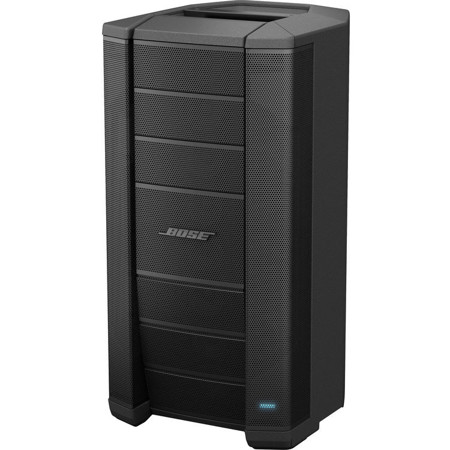
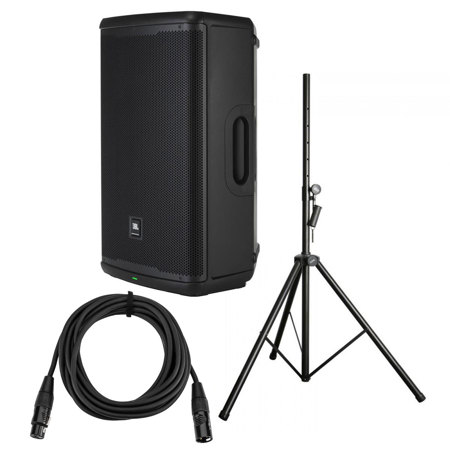
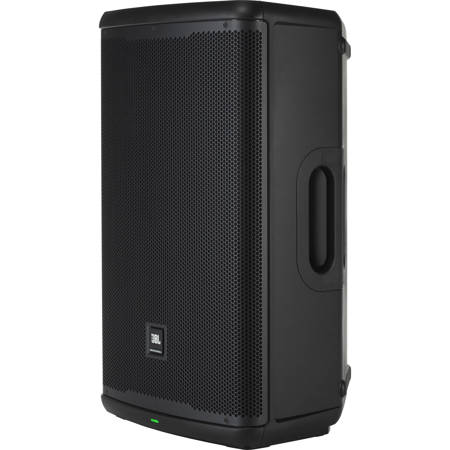
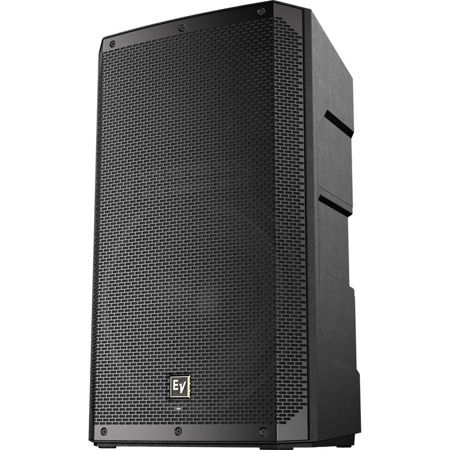
 EON715 15" 1300W Powered Portable PA Speaker with Bluetooth and DSP, Pair, Bundle with 2 Turnstile Audio Height-Adjustable 6' Tripod-Style Speaker Stands with Case, and 2x 25' XLR Cables")