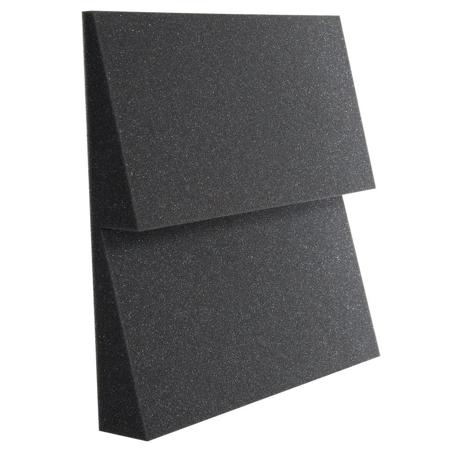
Perforated Panels
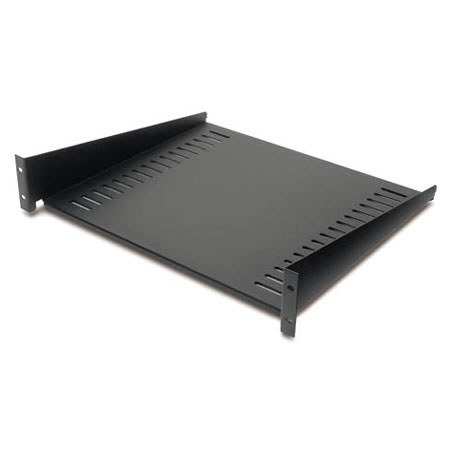
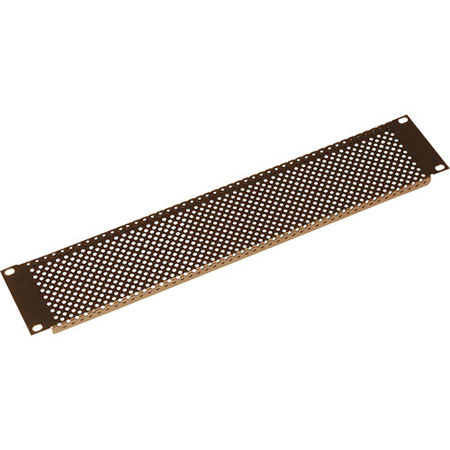
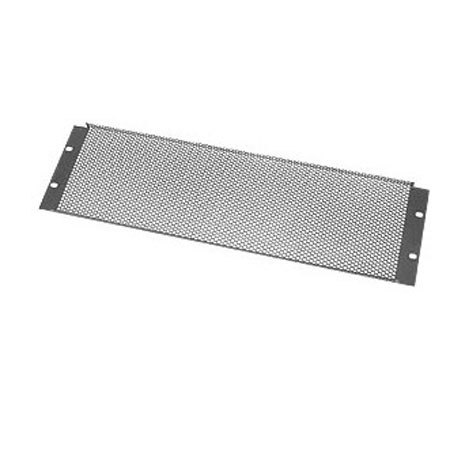
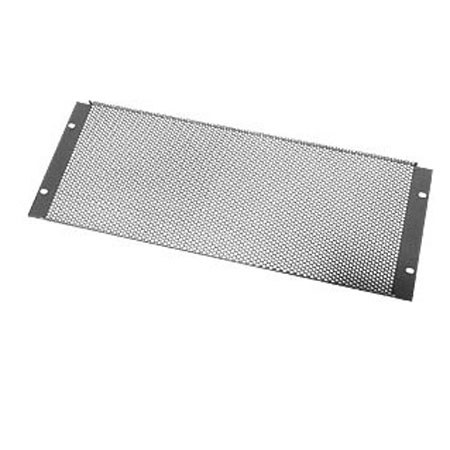
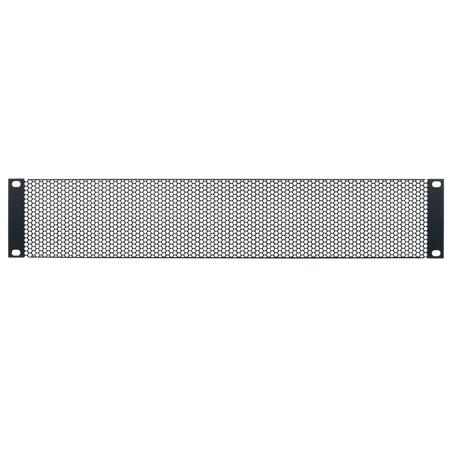
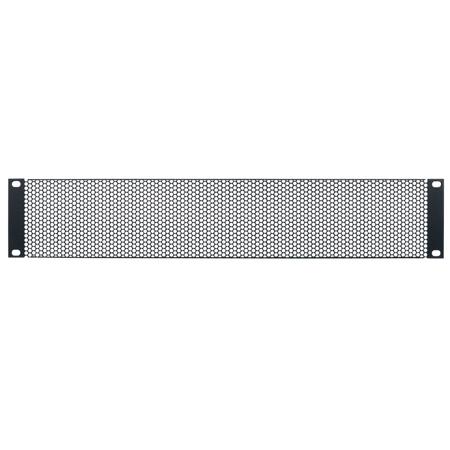
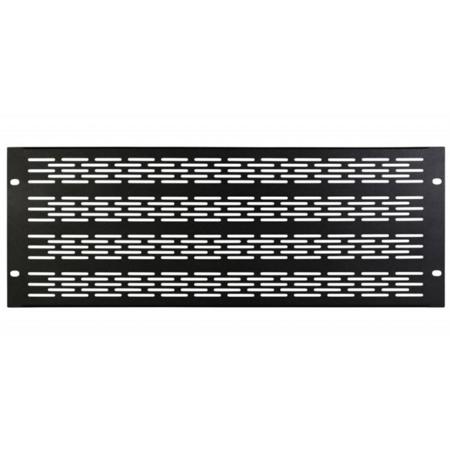
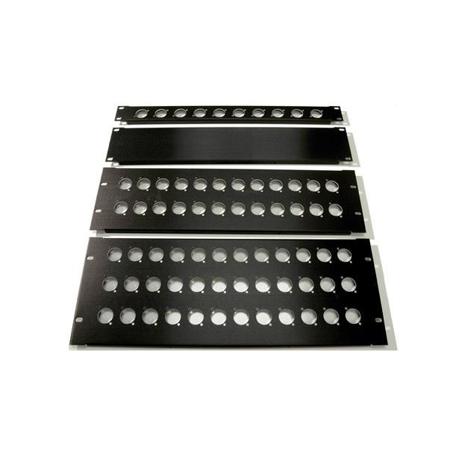
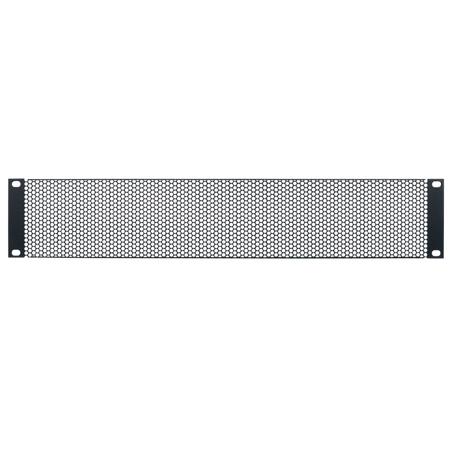
Perforated panels have become an essential component across a wide range of environments, valued for their versatility in both function and design. Crafted from materials such as aluminum, stainless steel, carbon steel, or hardboard, these panels are engineered with precision-punched patterns—ranging from classic round holes to intricate geometric shapes. This thoughtful construction allows perforated panels to serve as more than just structural elements; they excel at diffusing light, facilitating airflow, and enhancing acoustics without sacrificing durability. In professional settings, especially within creative industries, these panels are frequently chosen for control rooms, recording studios, and office spaces where managing sound is crucial. Their ability to absorb ambient noise and reduce echo transforms challenging acoustical environments into comfortable, productive spaces, making them a staple for audio engineers, content creators, and architects alike. As the weather shifts from spring’s renewal into the warmth of summer and the subtle coolness of early fall, perforated panels also find renewed relevance in spaces that benefit from improved ventilation and natural light—think home workshops, sunrooms, or even outdoor structures where airflow is as important as privacy.
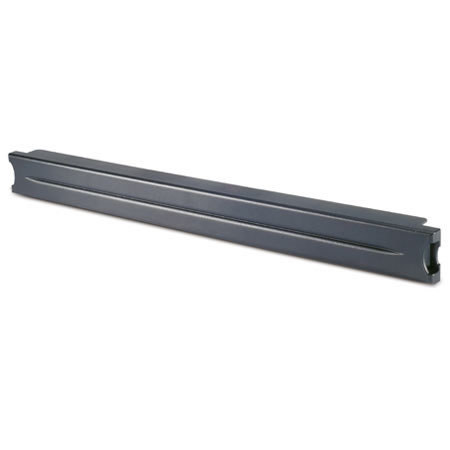
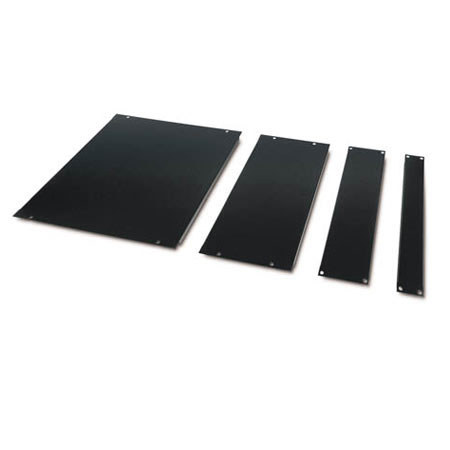
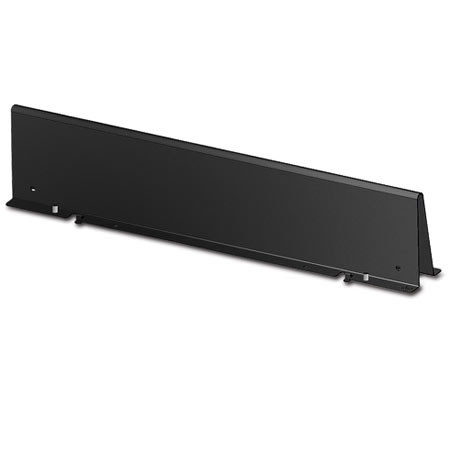
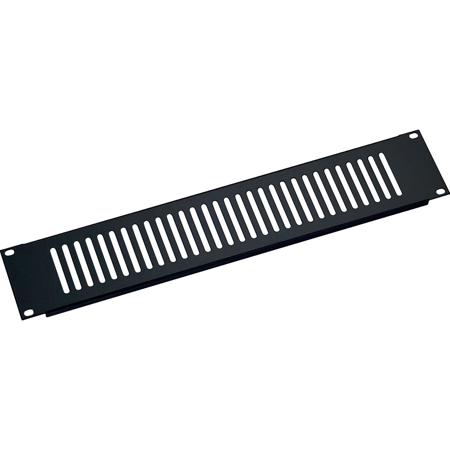
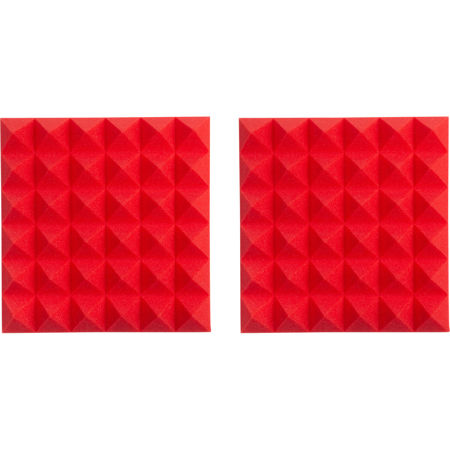
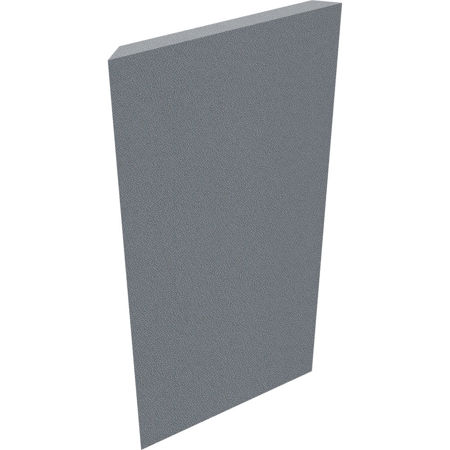
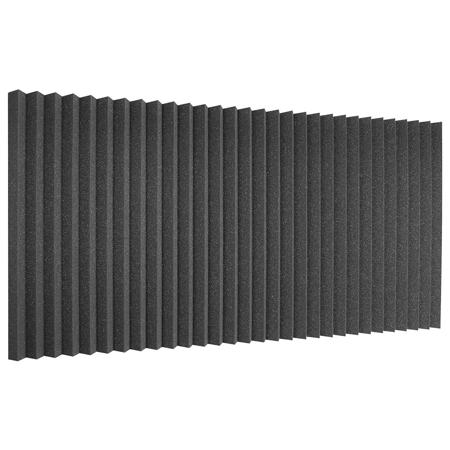
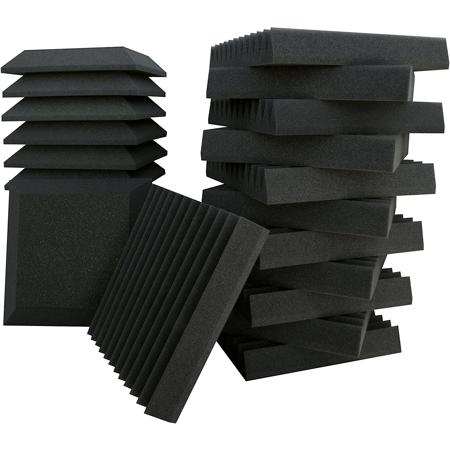
For those setting up a new workspace or upgrading an existing one, the purchase considerations for perforated panels are both practical and aesthetic. The choice of substrate—be it a lightweight perforated blank panel in aluminum for easy installation, or a robust steel option for industrial durability—can make a significant difference in performance and longevity. The pattern and size of the perforations are equally important, as they determine the balance between airflow, light transmission, and sound absorption. In environments where organization is key, such as garages, craft rooms, or maker spaces, perforated panels double as customizable storage solutions, functioning as pegboards for tools and accessories. Beyond utility, these panels are increasingly favored in architectural design, serving as decorative infill panels, privacy screens, or even sunshades that filter harsh sunlight while adding a modern flair to both interior and exterior spaces. Their adaptability makes them an inspired gift for DIY enthusiasts, architects, or anyone embarking on a renovation project—offering not just functionality, but also a canvas for creative expression. For those seeking to further refine their acoustic environment, combining perforated panels with other solutions such as Foam Panels can yield impressive results, blending sound control with visual appeal.
As the seasons transition and projects move from indoor improvements to outdoor enhancements, perforated panels prove invaluable for maintaining comfort and style. Whether used to screen equipment in a backyard, create a visually striking partition in a commercial space, or simply organize tools in a sunlit garage, these panels stand out for their adaptability. Their durability ensures they withstand the elements and the demands of daily use, while their customizable patterns allow for personal touches that reflect individual tastes. With a legacy rooted in both industrial utility and contemporary design, perforated panels continue to bridge the gap between form and function, making them a wise choice for professionals, hobbyists, and anyone looking to elevate their space with a solution that is as practical as it is visually compelling.
For those setting up a new workspace or upgrading an existing one, the purchase considerations for perforated panels are both practical and aesthetic. The choice of substrate—be it a lightweight perforated blank panel in aluminum for easy installation, or a robust steel option for industrial durability—can make a significant difference in performance and longevity. The pattern and size of the perforations are equally important, as they determine the balance between airflow, light transmission, and sound absorption. In environments where organization is key, such as garages, craft rooms, or maker spaces, perforated panels double as customizable storage solutions, functioning as pegboards for tools and accessories. Beyond utility, these panels are increasingly favored in architectural design, serving as decorative infill panels, privacy screens, or even sunshades that filter harsh sunlight while adding a modern flair to both interior and exterior spaces. Their adaptability makes them an inspired gift for DIY enthusiasts, architects, or anyone embarking on a renovation project—offering not just functionality, but also a canvas for creative expression. For those seeking to further refine their acoustic environment, combining perforated panels with other solutions such as Foam Panels can yield impressive results, blending sound control with visual appeal.
As the seasons transition and projects move from indoor improvements to outdoor enhancements, perforated panels prove invaluable for maintaining comfort and style. Whether used to screen equipment in a backyard, create a visually striking partition in a commercial space, or simply organize tools in a sunlit garage, these panels stand out for their adaptability. Their durability ensures they withstand the elements and the demands of daily use, while their customizable patterns allow for personal touches that reflect individual tastes. With a legacy rooted in both industrial utility and contemporary design, perforated panels continue to bridge the gap between form and function, making them a wise choice for professionals, hobbyists, and anyone looking to elevate their space with a solution that is as practical as it is visually compelling.