
Photo Scales
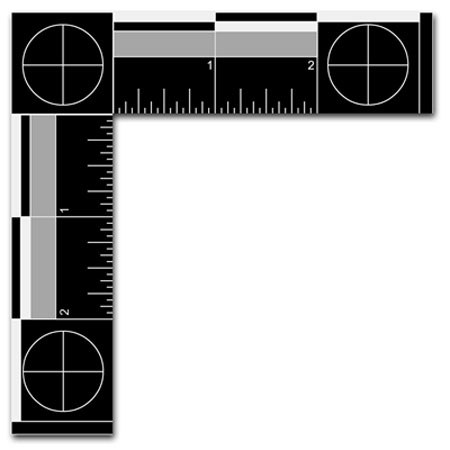
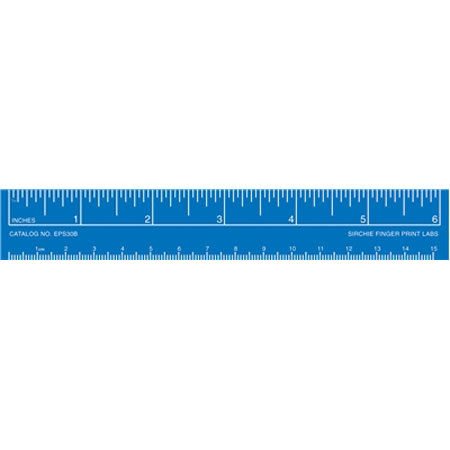
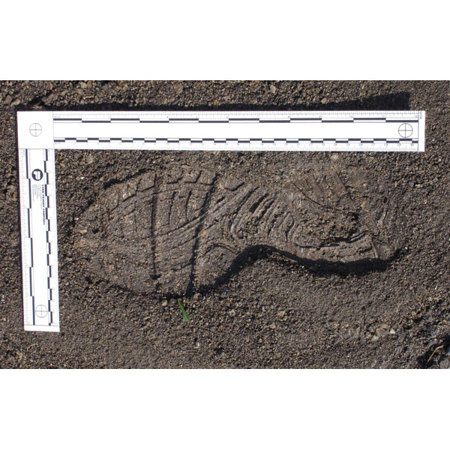
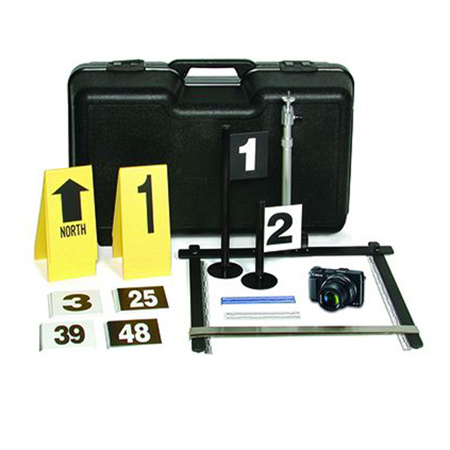
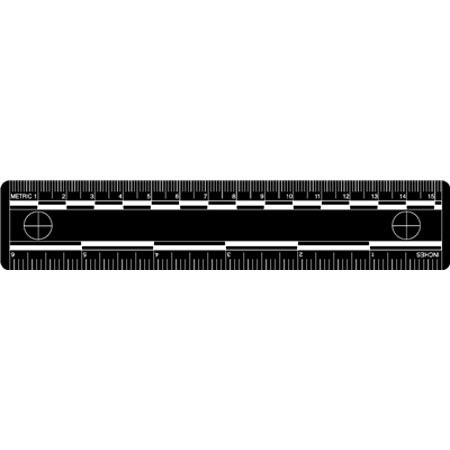
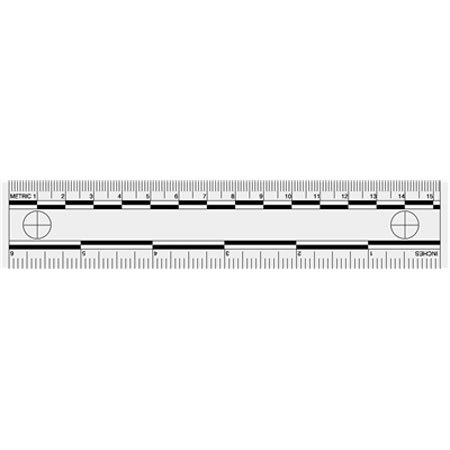
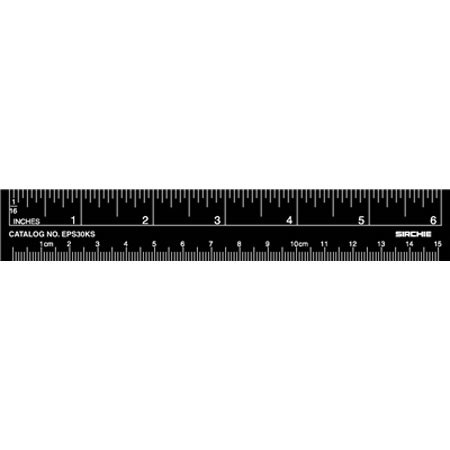
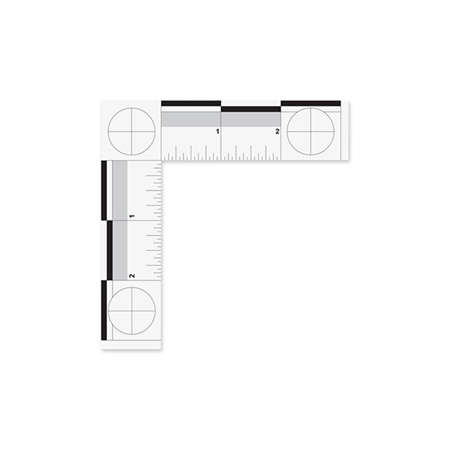
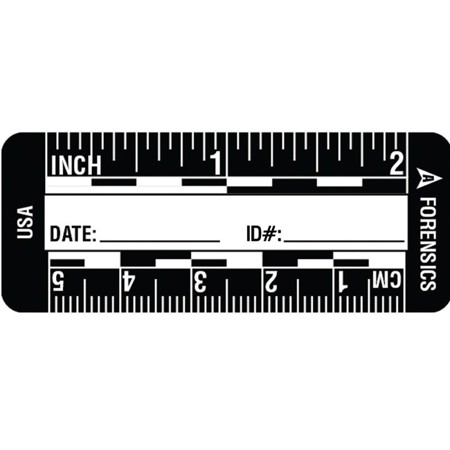
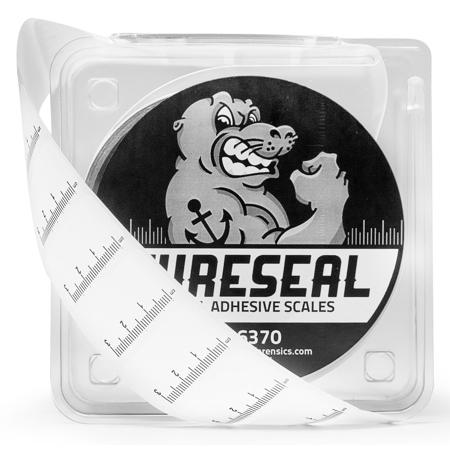
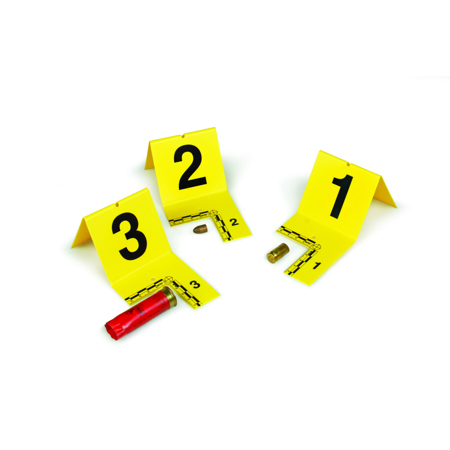
Photographic scales are essential tools for anyone who needs to convey accurate size and proportion in images, whether for scientific documentation, forensic investigation, or creative photographic storytelling. At their core, photographic scales—sometimes called photography scale bars or photographic rulers—serve as visual references placed alongside subjects to provide a clear sense of dimension. In fields such as archaeology, forensics, and crime scene investigation, the use of a photographic scale is not just helpful but often required to ensure that evidence is properly documented and measurements can be verified long after the scene has changed. These scales come in various forms, from simple flat rulers and L-shaped bars to self-adhesive tapes that can be affixed directly to irregular surfaces. Their markings are typically high-contrast and precise, designed to be easily readable in photographs under diverse lighting conditions. During the warmer months, when fieldwork and outdoor research are at their peak, archaeologists and geologists rely on durable, weather-resistant photographic scales to document discoveries in situ, capturing every detail with scientific accuracy. As the seasons shift and indoor projects become more common, conservationists and lab technicians turn to these same tools for cataloging artifacts and specimens, ensuring consistency across photographic records.
Beyond scientific and investigative settings, photographic scales have a place in creative and commercial photography as well. Product photographers use scale bars to provide context for online shoppers, helping viewers gauge the true size of jewelry, collectibles, or small electronics. In macro photography, where a subject’s dimensions can be difficult to discern, a photographic scale brings clarity, transforming a close-up of a tiny insect or mineral into a meaningful record. Even landscape and architectural photographers sometimes introduce familiar objects or people into their compositions to establish a sense of scale, guiding the viewer’s perception of vast spaces or towering structures. For educators and students, a photographic scale is a practical addition to any photography kit, supporting projects that require careful measurement or comparative analysis. These tools also make thoughtful gifts for aspiring forensic professionals, budding archaeologists, or anyone with a passion for meticulous documentation—offering a blend of utility and precision that elevates both technical and creative work. When selecting a photographic scale, consider the intended use: flexible, adhesive-backed options are ideal for uneven surfaces, while rigid rulers or L-shaped bars provide stability and geometric reference points for flat scenes. High-visibility markings and metric/imperial measurements increase versatility, ensuring the scale is effective in diverse settings.
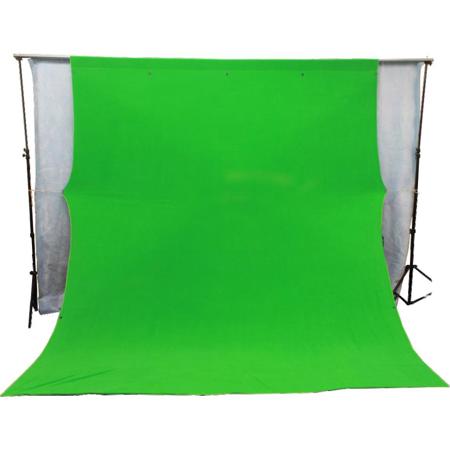
As you explore the possibilities that photographic scales offer, remember that capturing accurate, reliable images often involves more than just the subject and the reference bar. Lighting, background, and clarity all play a role in producing images that stand up to scrutiny, whether in the lab, the courtroom, or the gallery. For those looking to further refine their setup, pairing a photographic scale with the right background can help eliminate distractions and enhance contrast; you can find a variety of options in our selection of Photography Screens. Whether you’re documenting evidence, cataloging a collection, or adding context to your creative work, investing in a quality photographic scale is a simple step that pays dividends in accuracy and professionalism. From the height of summer fieldwork to the quieter, reflective projects of the cooler months, these tools remain a staple for anyone who values precision and clarity in their photographic endeavors.
Beyond scientific and investigative settings, photographic scales have a place in creative and commercial photography as well. Product photographers use scale bars to provide context for online shoppers, helping viewers gauge the true size of jewelry, collectibles, or small electronics. In macro photography, where a subject’s dimensions can be difficult to discern, a photographic scale brings clarity, transforming a close-up of a tiny insect or mineral into a meaningful record. Even landscape and architectural photographers sometimes introduce familiar objects or people into their compositions to establish a sense of scale, guiding the viewer’s perception of vast spaces or towering structures. For educators and students, a photographic scale is a practical addition to any photography kit, supporting projects that require careful measurement or comparative analysis. These tools also make thoughtful gifts for aspiring forensic professionals, budding archaeologists, or anyone with a passion for meticulous documentation—offering a blend of utility and precision that elevates both technical and creative work. When selecting a photographic scale, consider the intended use: flexible, adhesive-backed options are ideal for uneven surfaces, while rigid rulers or L-shaped bars provide stability and geometric reference points for flat scenes. High-visibility markings and metric/imperial measurements increase versatility, ensuring the scale is effective in diverse settings.
As you explore the possibilities that photographic scales offer, remember that capturing accurate, reliable images often involves more than just the subject and the reference bar. Lighting, background, and clarity all play a role in producing images that stand up to scrutiny, whether in the lab, the courtroom, or the gallery. For those looking to further refine their setup, pairing a photographic scale with the right background can help eliminate distractions and enhance contrast; you can find a variety of options in our selection of Photography Screens. Whether you’re documenting evidence, cataloging a collection, or adding context to your creative work, investing in a quality photographic scale is a simple step that pays dividends in accuracy and professionalism. From the height of summer fieldwork to the quieter, reflective projects of the cooler months, these tools remain a staple for anyone who values precision and clarity in their photographic endeavors.