Photography Mediums
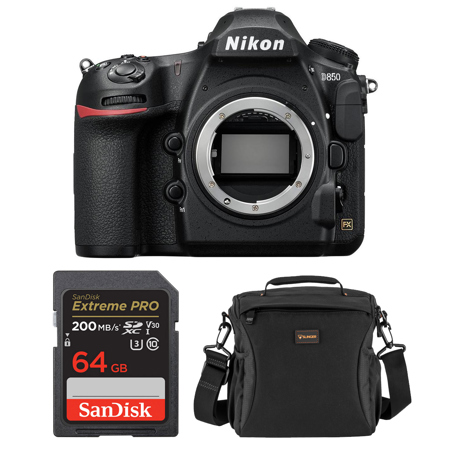
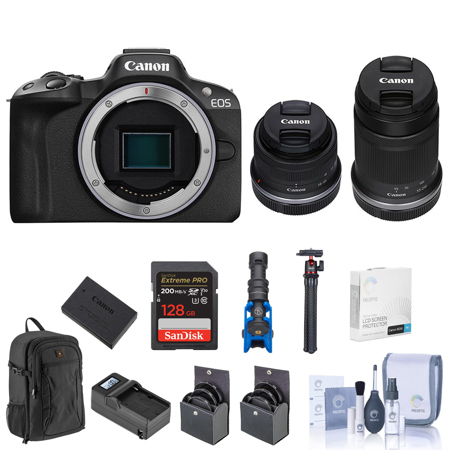
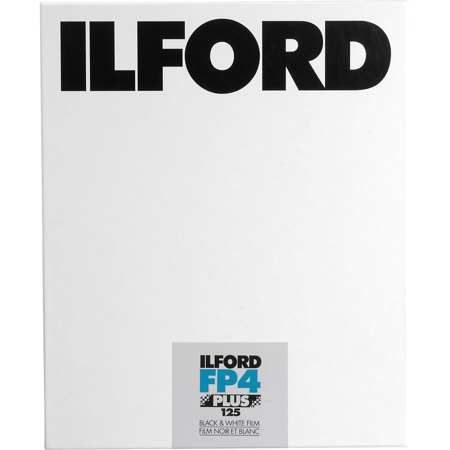
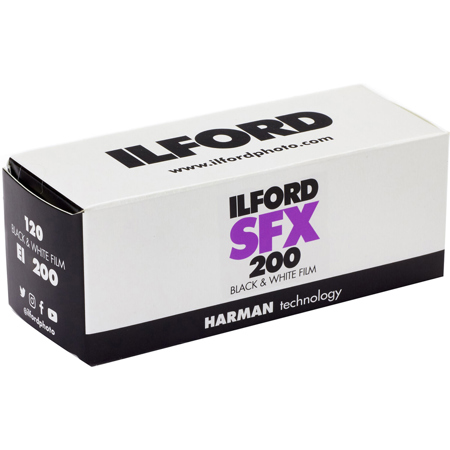
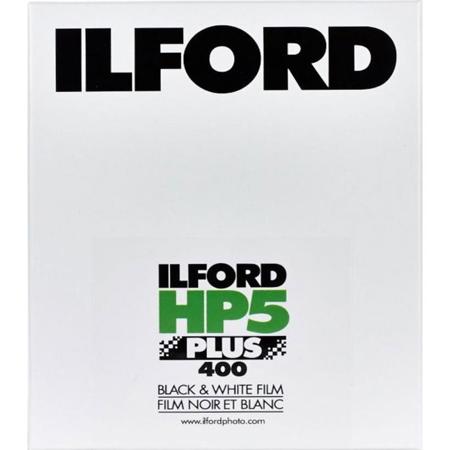
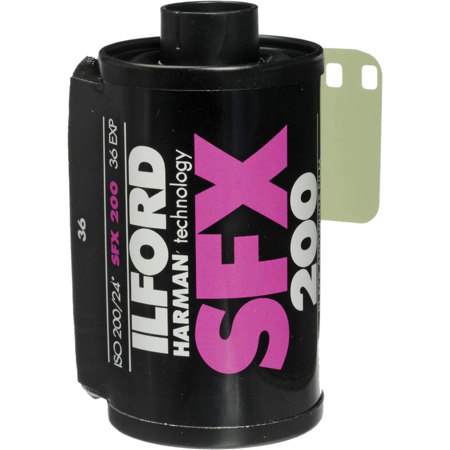
Photography mediums encompass a fascinating spectrum of tools and materials that shape the creative journey from capturing a moment to presenting it as a finished work of art. At the heart of every photograph lies a choice: analog film or digital sensor, each offering its own distinct workflow and aesthetic. Film photography, with its tactile rolls and chemical processes, appeals to those who cherish the anticipation of developing negatives and the subtle, organic qualities only emulsion can provide. Formats such as 35mm, medium format, and large format each bring unique characteristics—grain, dynamic range, and depth—that have captivated generations of artists and hobbyists alike. On the other hand, digital photography harnesses the precision of CCD or CMOS sensors, delivering instant feedback and the flexibility to shoot, edit, and share with remarkable ease. Whether you’re a seasoned professional working on a gallery show or an enthusiast documenting family gatherings as the weather warms, your choice of capture medium fundamentally influences not just the look of your images, but the entire creative process.
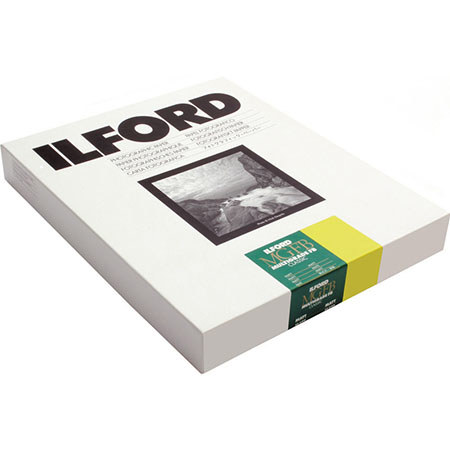
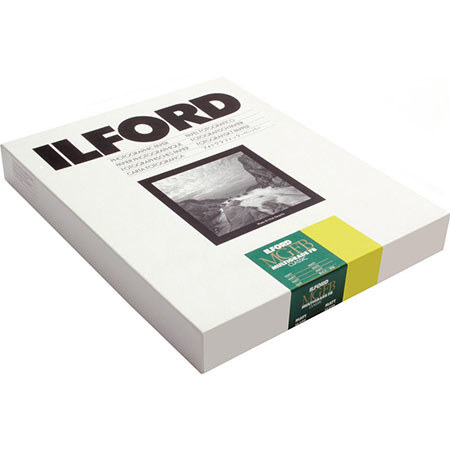
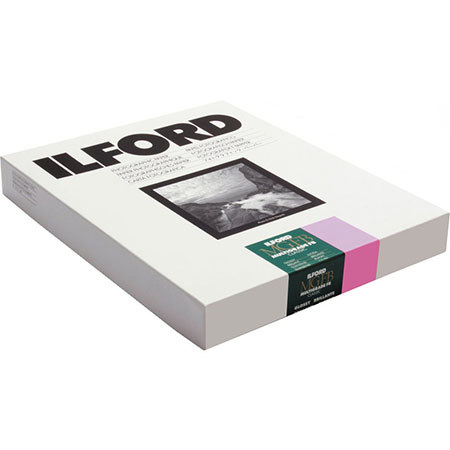
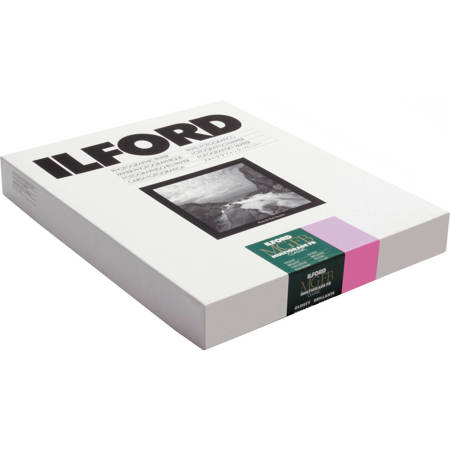
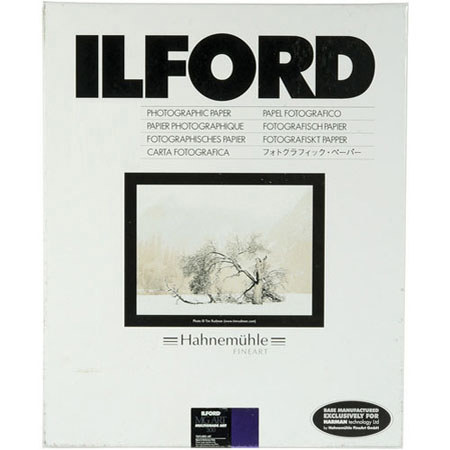
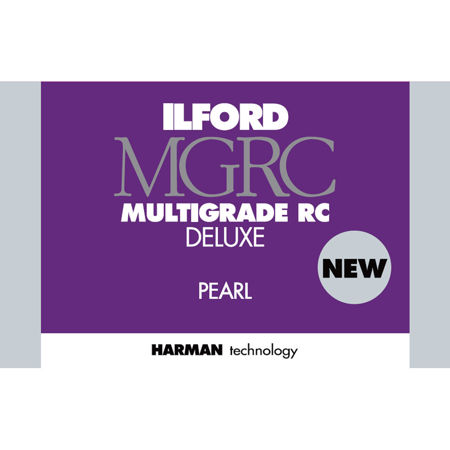
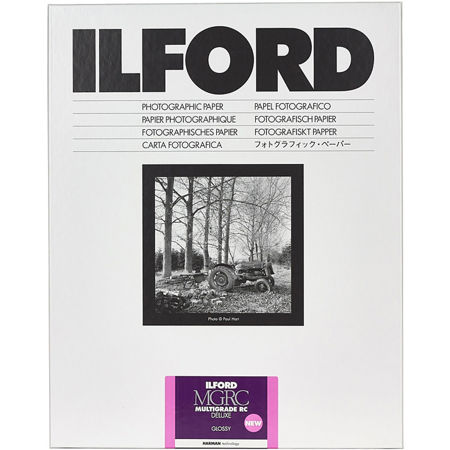
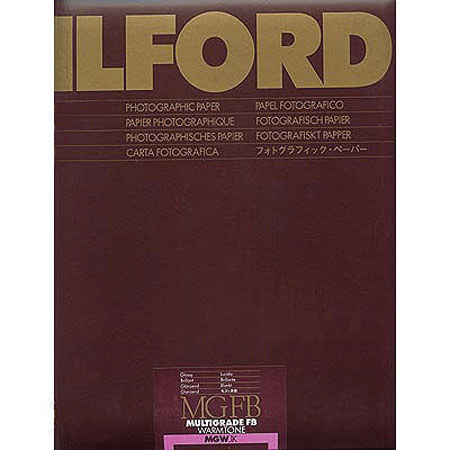
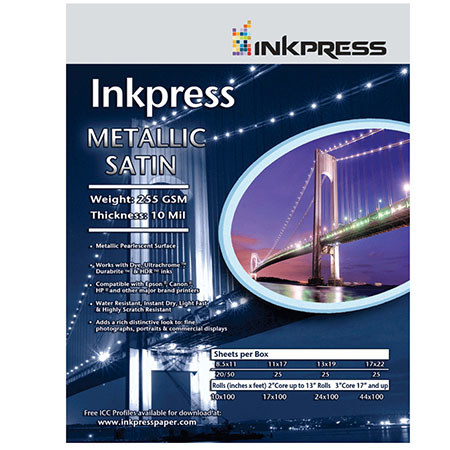
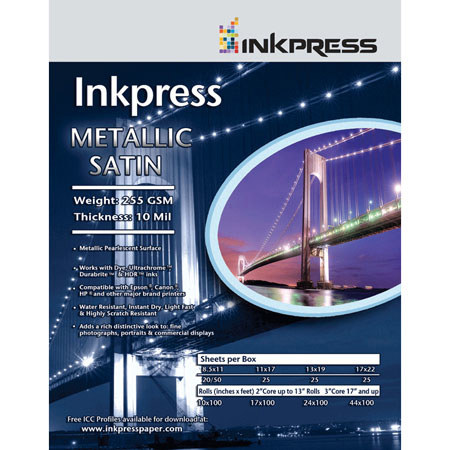
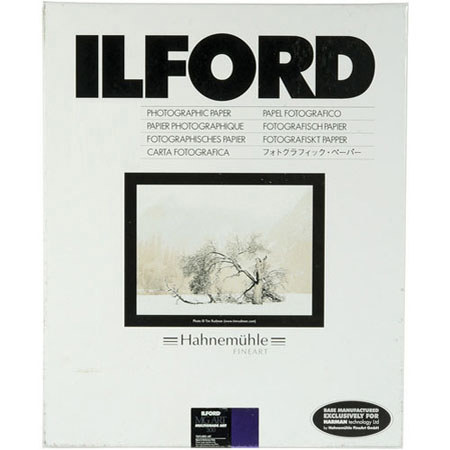
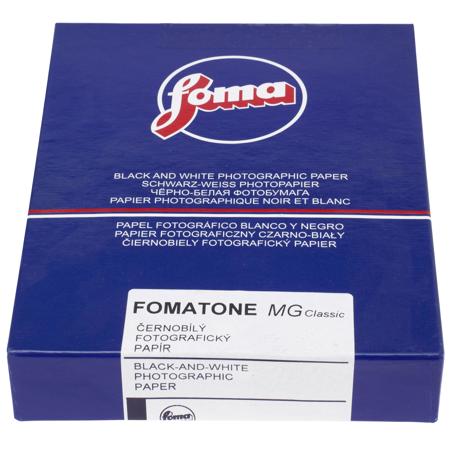
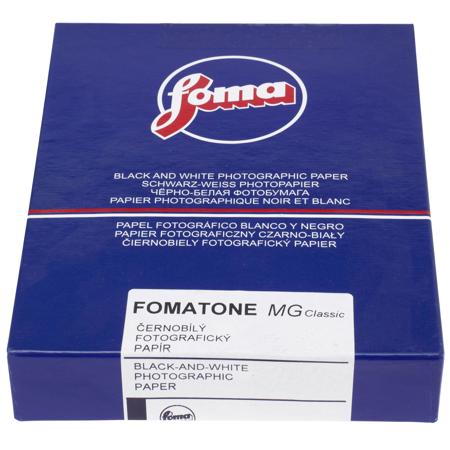
Beyond the act of capturing an image, the physical surface upon which a photograph is displayed plays a vital role in its final impact. Fine-art photographers often gravitate toward archival-quality papers—matte for subtle texture and reduced glare, glossy for vibrant colors and striking contrast, or cotton rag for a luxurious, museum-grade presentation. Canvas prints lend a timeless, painterly feel that softens fine details and suits both modern and traditional interiors. For those seeking a contemporary edge, metal prints—created by infusing dyes directly into aluminum—offer ultra-high definition, deep blacks, and a frameless, durable finish ideal for high-traffic spaces or bold statement pieces. Acrylic prints, meanwhile, add a three-dimensional depth and glossy brilliance, making colors pop and images appear almost luminous. These various display mediums not only affect the visual qualities of a photograph but also its longevity and suitability for different environments, from sunlit living rooms to curated gallery walls.
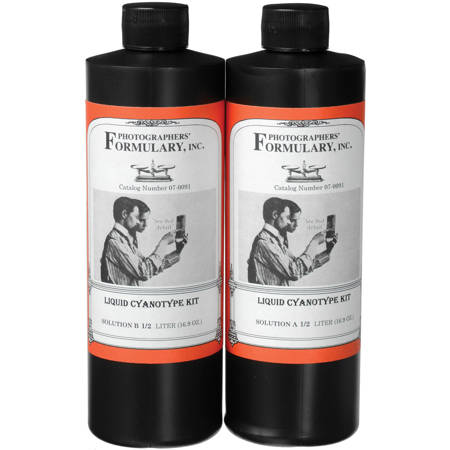
Selecting the right photography medium is a personal decision, shaped by your creative goals, the intended use, and the recipient if you’re considering a unique gift. Film cameras and alternative processes like cyanotype or wet plate collodion often appeal to artists, students, or anyone drawn to hands-on experimentation and the allure of historical techniques—an especially thoughtful present for those who appreciate craftsmanship and nostalgia. Digital gear and modern print surfaces, on the other hand, are versatile choices for travelers, families, and professionals who value speed, convenience, and the ability to produce large-format or high-volume projects. As you explore the world of photography mediums, consider how each option aligns with your vision—whether you’re building a portfolio, decorating a new space, or commemorating milestones during the long days of summer and into the crisp transition of fall. For those interested in exploring historic and experimental capture and printing methods, you can discover more on our dedicated page for Alternative Photo Processes. No matter your path, the right combination of capture and display mediums can help transform fleeting moments into lasting works of art, tailored to your style and purpose.
Beyond the act of capturing an image, the physical surface upon which a photograph is displayed plays a vital role in its final impact. Fine-art photographers often gravitate toward archival-quality papers—matte for subtle texture and reduced glare, glossy for vibrant colors and striking contrast, or cotton rag for a luxurious, museum-grade presentation. Canvas prints lend a timeless, painterly feel that softens fine details and suits both modern and traditional interiors. For those seeking a contemporary edge, metal prints—created by infusing dyes directly into aluminum—offer ultra-high definition, deep blacks, and a frameless, durable finish ideal for high-traffic spaces or bold statement pieces. Acrylic prints, meanwhile, add a three-dimensional depth and glossy brilliance, making colors pop and images appear almost luminous. These various display mediums not only affect the visual qualities of a photograph but also its longevity and suitability for different environments, from sunlit living rooms to curated gallery walls.
Selecting the right photography medium is a personal decision, shaped by your creative goals, the intended use, and the recipient if you’re considering a unique gift. Film cameras and alternative processes like cyanotype or wet plate collodion often appeal to artists, students, or anyone drawn to hands-on experimentation and the allure of historical techniques—an especially thoughtful present for those who appreciate craftsmanship and nostalgia. Digital gear and modern print surfaces, on the other hand, are versatile choices for travelers, families, and professionals who value speed, convenience, and the ability to produce large-format or high-volume projects. As you explore the world of photography mediums, consider how each option aligns with your vision—whether you’re building a portfolio, decorating a new space, or commemorating milestones during the long days of summer and into the crisp transition of fall. For those interested in exploring historic and experimental capture and printing methods, you can discover more on our dedicated page for Alternative Photo Processes. No matter your path, the right combination of capture and display mediums can help transform fleeting moments into lasting works of art, tailored to your style and purpose.