
Polyphonic Octave Pedals
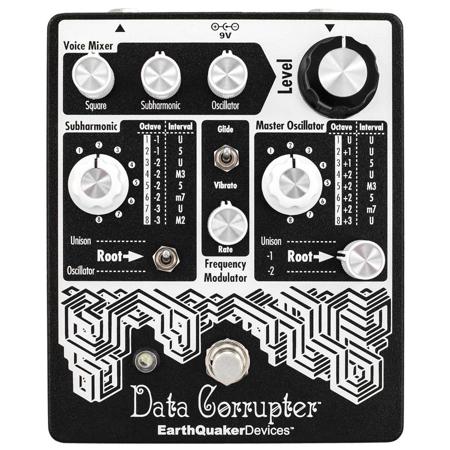
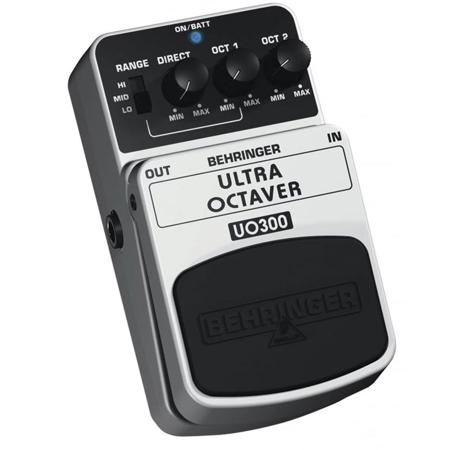
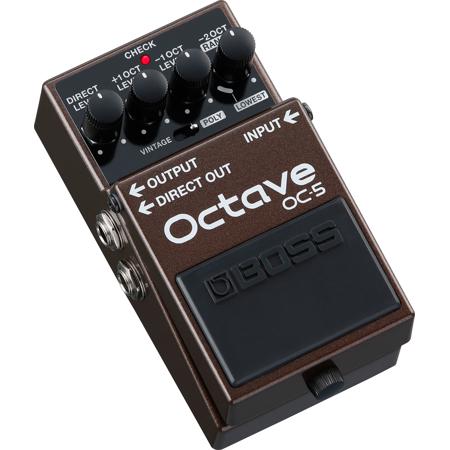
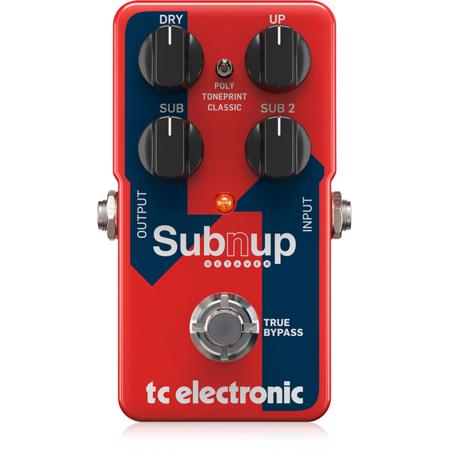
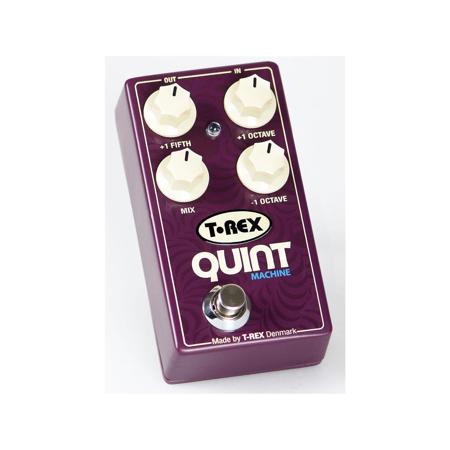
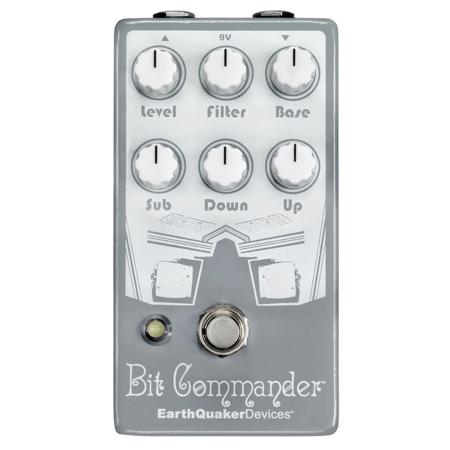
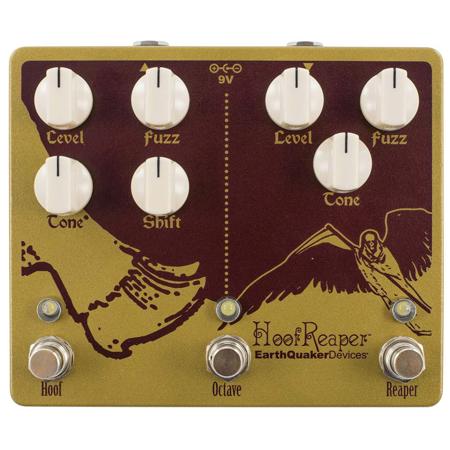
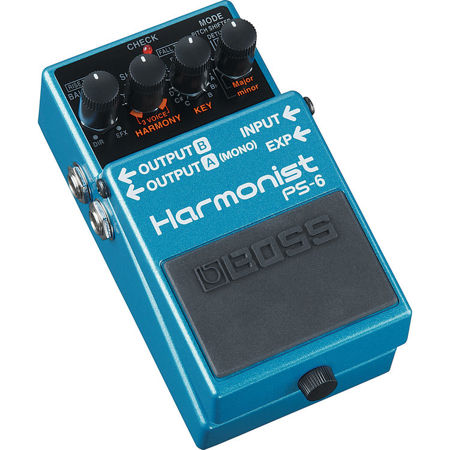
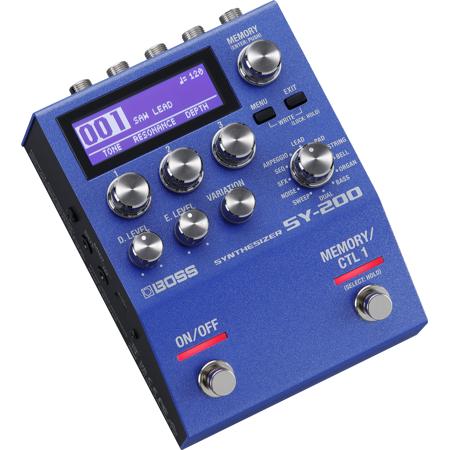
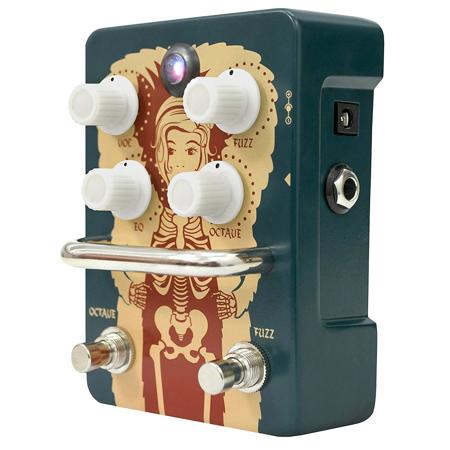
Polyphonic octave pedals have become essential tools for musicians seeking to unlock new sonic territories, offering the ability to transform a standard guitar or keyboard signal into a lush, multi-layered soundscape. Unlike traditional monophonic octave pedals, which can only track and process single notes, polyphonic octave pedals excel at handling chords and complex harmonies, allowing for the simultaneous generation of multiple pitch-shifted notes. This capability opens up a world of creative possibilities: guitarists can conjure organ-like textures with the sweep of a chord, bassists can thicken their lines with sub-octaves, and keyboardists can add shimmering upper harmonics or deep, resonant lows. Many modern polyphonic octave pedals also feature advanced pitch-shifting controls, enabling users to blend in intervals beyond simple octaves—such as fifths or even custom tunings—while also offering parameters like attack, filter, detune, and expression pedal integration for even greater versatility. Whether you’re layering up for a solo, building ambient soundscapes, or simply looking to expand your tonal palette, these pedals provide a dynamic and expressive platform for experimentation.
For players considering an octave pedal guitar setup, understanding the differences between polyphonic and monophonic designs is crucial. Polyphonic octave pedals are particularly well-suited for those who play rhythm guitar, jazz, worship music, or any style where full chords and harmonies are integral. These pedals ensure that every note in a chord is tracked cleanly and accurately, avoiding the glitchiness or note dropouts that can occur with older monophonic models. They’re also a favorite among experimental musicians and producers who want to push the boundaries of traditional guitar or keyboard sounds, whether in the studio or on stage. As the weather warms and live performances, outdoor jam sessions, and creative collaborations become more frequent, a polyphonic octave pedal can be a thoughtful gift for the musician in your life—especially for birthdays, graduations, or as a surprise for someone diving deeper into their craft. Many players find that adding one of these pedals to their board inspires entirely new approaches to songwriting and performance, from creating faux bass lines in a solo act to layering ethereal harmonies in a band setting.
When shopping for a polyphonic octave pedal, consider factors such as tracking accuracy, latency, available pitch intervals, and the range of onboard controls. Some units offer extensive preset storage and MIDI compatibility, making them ideal for complex live rigs or studio workflows, while others focus on simplicity and intuitive operation for plug-and-play creativity. The build quality, pedalboard footprint, and power requirements are also worth weighing, especially for gigging musicians who need reliable performance on the road. For those interested in exploring the full spectrum of octave effects—including both polyphonic and monophonic options—be sure to visit our comprehensive guide: Octave Pedals For Guitar. Whether you’re a seasoned performer aiming to expand your tonal arsenal, a hobbyist seeking new inspiration, or someone searching for the perfect gift for a creative friend, polyphonic octave pedals offer a versatile and inspiring addition to any setup, ready to spark new ideas and elevate your music throughout the year.
For players considering an octave pedal guitar setup, understanding the differences between polyphonic and monophonic designs is crucial. Polyphonic octave pedals are particularly well-suited for those who play rhythm guitar, jazz, worship music, or any style where full chords and harmonies are integral. These pedals ensure that every note in a chord is tracked cleanly and accurately, avoiding the glitchiness or note dropouts that can occur with older monophonic models. They’re also a favorite among experimental musicians and producers who want to push the boundaries of traditional guitar or keyboard sounds, whether in the studio or on stage. As the weather warms and live performances, outdoor jam sessions, and creative collaborations become more frequent, a polyphonic octave pedal can be a thoughtful gift for the musician in your life—especially for birthdays, graduations, or as a surprise for someone diving deeper into their craft. Many players find that adding one of these pedals to their board inspires entirely new approaches to songwriting and performance, from creating faux bass lines in a solo act to layering ethereal harmonies in a band setting.
When shopping for a polyphonic octave pedal, consider factors such as tracking accuracy, latency, available pitch intervals, and the range of onboard controls. Some units offer extensive preset storage and MIDI compatibility, making them ideal for complex live rigs or studio workflows, while others focus on simplicity and intuitive operation for plug-and-play creativity. The build quality, pedalboard footprint, and power requirements are also worth weighing, especially for gigging musicians who need reliable performance on the road. For those interested in exploring the full spectrum of octave effects—including both polyphonic and monophonic options—be sure to visit our comprehensive guide: Octave Pedals For Guitar. Whether you’re a seasoned performer aiming to expand your tonal arsenal, a hobbyist seeking new inspiration, or someone searching for the perfect gift for a creative friend, polyphonic octave pedals offer a versatile and inspiring addition to any setup, ready to spark new ideas and elevate your music throughout the year.