
Polyphonic Synthesizers
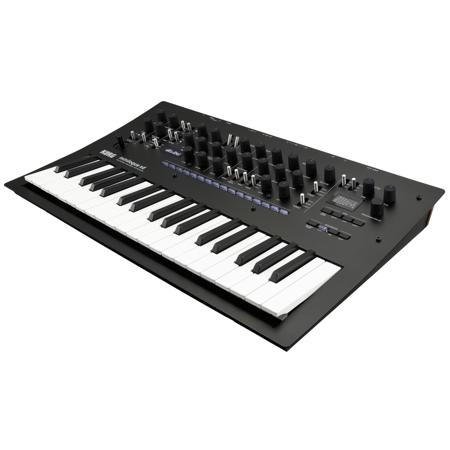
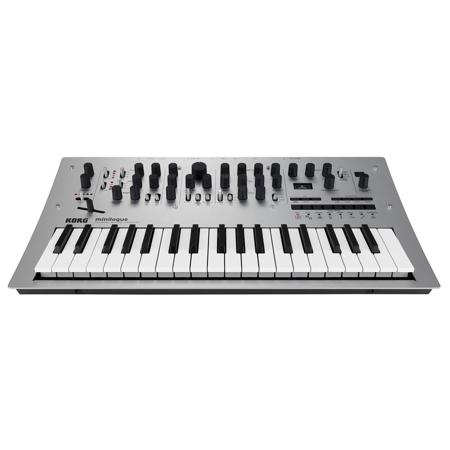
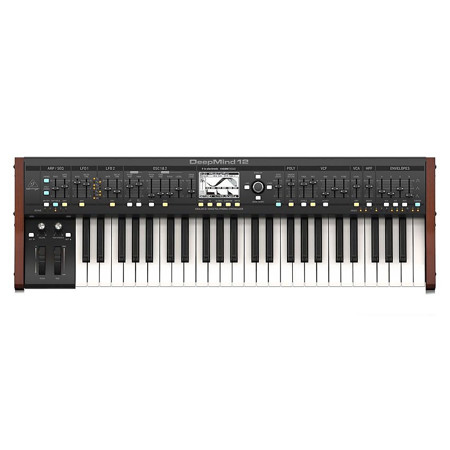
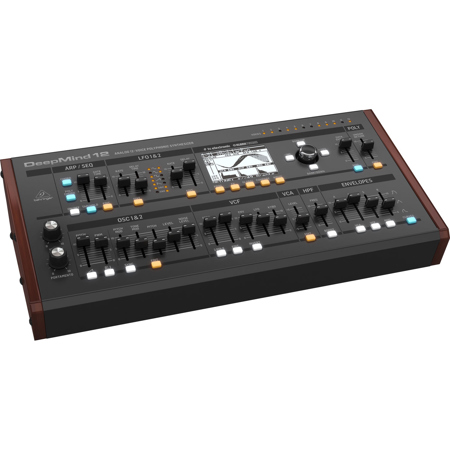
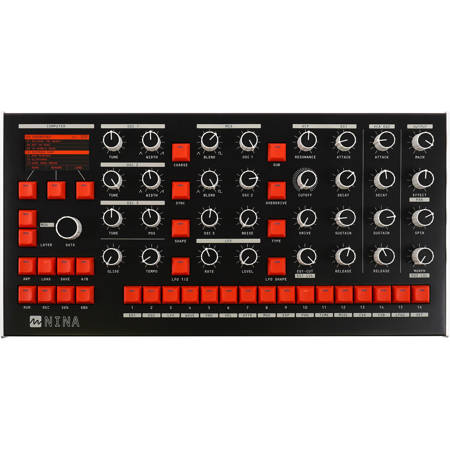
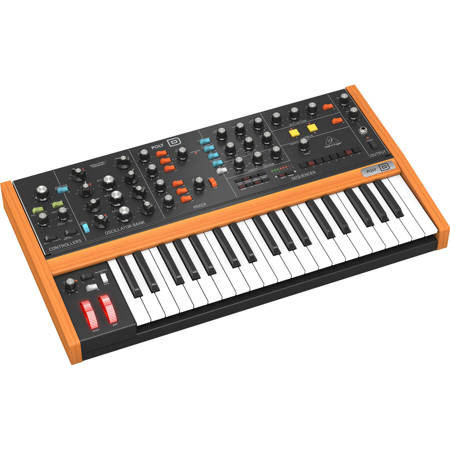
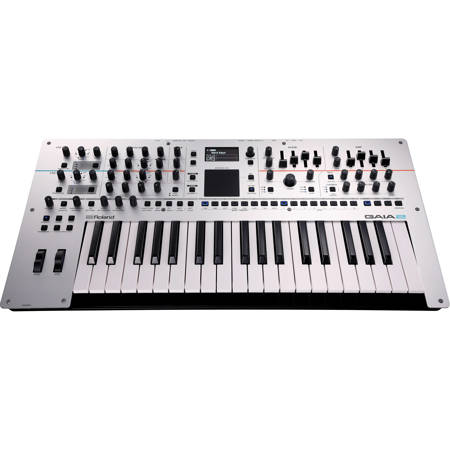
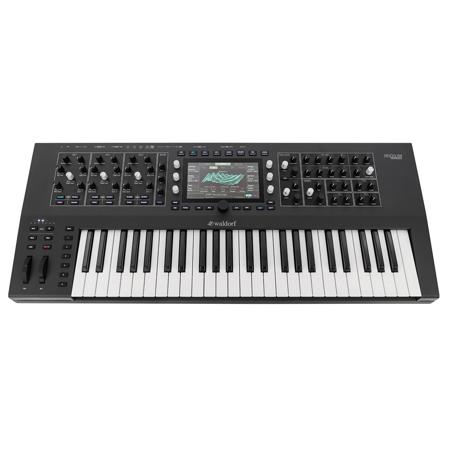
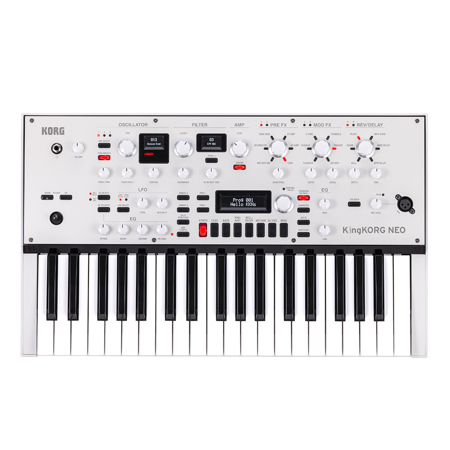
Polyphonic synthesizers have long been at the heart of modern music production, offering musicians and producers the ability to craft lush chords, intricate harmonies, and evolving soundscapes that would be impossible with monophonic instruments. Unlike their single-voice counterparts, polyphonic synths feature multiple voices—each with its own signal path—allowing for the simultaneous playing of several notes or chords. This opens up a world of creative possibilities, from building cinematic pads that shimmer and swell to constructing dense, layered melodies that fill out a mix with warmth and depth. Whether you’re a seasoned performer, a studio producer, or an enthusiastic hobbyist, a polyphonic keyboard can be the centerpiece of your setup, providing the expressive range needed to realize complex musical ideas. As the weather warms and festival season approaches, these instruments become especially valuable for live performers looking to captivate audiences with rich, multi-layered textures and dynamic arrangements.
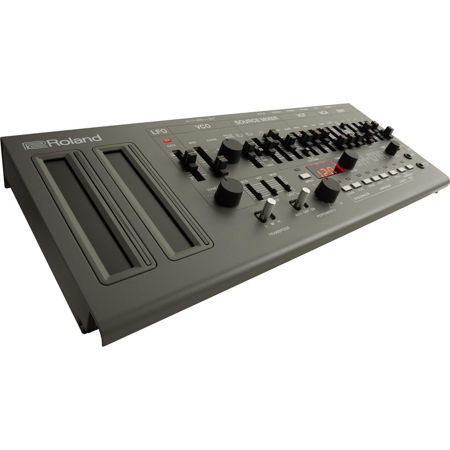
When considering a polyphonic synthesizer, it’s important to think about how many voices you need—some models offer as few as four voices, while others provide sixteen or more, allowing for more elaborate chords and overlapping notes. The choice between analog and digital synthesis is another key consideration; analog synths are renowned for their warm, organic sound, while digital models often provide expanded sonic versatility and advanced features like multitimbrality, which lets you play different sounds or patches simultaneously across the keyboard. Many modern polyphonic synths include features such as built-in sequencers, arpeggiators, and digital effects, making them powerful tools for both stage and studio. For those new to synthesis, the tactile experience of tweaking knobs and sliders on a polyphonic keyboard can be both inspiring and educational, offering a hands-on introduction to the fundamentals of sound design. Seasoned professionals, on the other hand, will appreciate advanced functions like unison mode—where all voices are stacked onto a single note for thick, detuned leads—or paraphonic operation, which allows multiple notes to be played while sharing filter and envelope controls for unique sonic results.
Polyphonic synthesizers make thoughtful gifts for musicians at any stage of their journey, from students expanding their musical horizons to experienced producers seeking new inspiration. During the cooler months, these instruments often become the focus of home studios, where artists spend long evenings experimenting with new sounds and composing fresh material. As summer brings more opportunities for collaboration and live performance, the versatility and expressive power of a polyphonic synth can help any musician stand out, whether they’re playing jazz, electronic, pop, or experimental genres. For those looking to explore the broader world of synthesis, or to compare features across a wider range of instruments, the Music Synthesizers page offers an excellent starting point. No matter your style or skill level, investing in a polyphonic synthesizer can unlock new dimensions of creativity, transforming the way you approach composition, performance, and sound design.
When considering a polyphonic synthesizer, it’s important to think about how many voices you need—some models offer as few as four voices, while others provide sixteen or more, allowing for more elaborate chords and overlapping notes. The choice between analog and digital synthesis is another key consideration; analog synths are renowned for their warm, organic sound, while digital models often provide expanded sonic versatility and advanced features like multitimbrality, which lets you play different sounds or patches simultaneously across the keyboard. Many modern polyphonic synths include features such as built-in sequencers, arpeggiators, and digital effects, making them powerful tools for both stage and studio. For those new to synthesis, the tactile experience of tweaking knobs and sliders on a polyphonic keyboard can be both inspiring and educational, offering a hands-on introduction to the fundamentals of sound design. Seasoned professionals, on the other hand, will appreciate advanced functions like unison mode—where all voices are stacked onto a single note for thick, detuned leads—or paraphonic operation, which allows multiple notes to be played while sharing filter and envelope controls for unique sonic results.
Polyphonic synthesizers make thoughtful gifts for musicians at any stage of their journey, from students expanding their musical horizons to experienced producers seeking new inspiration. During the cooler months, these instruments often become the focus of home studios, where artists spend long evenings experimenting with new sounds and composing fresh material. As summer brings more opportunities for collaboration and live performance, the versatility and expressive power of a polyphonic synth can help any musician stand out, whether they’re playing jazz, electronic, pop, or experimental genres. For those looking to explore the broader world of synthesis, or to compare features across a wider range of instruments, the Music Synthesizers page offers an excellent starting point. No matter your style or skill level, investing in a polyphonic synthesizer can unlock new dimensions of creativity, transforming the way you approach composition, performance, and sound design.