Polyurethane Foams
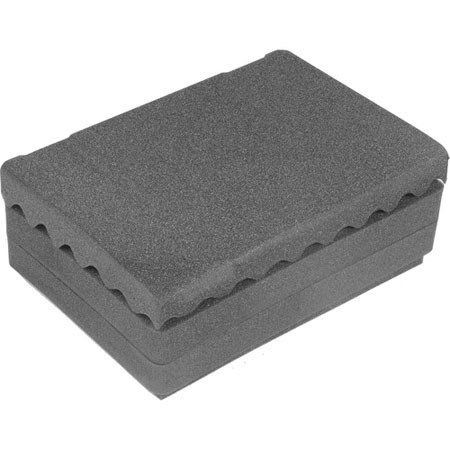
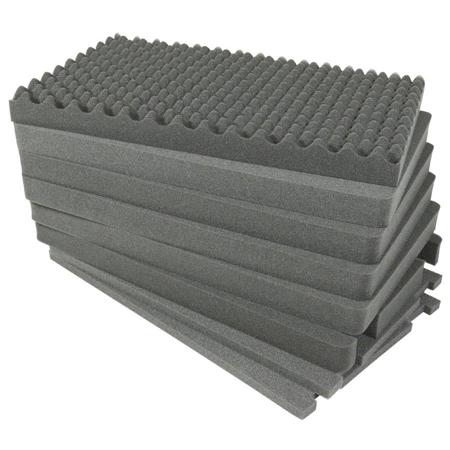
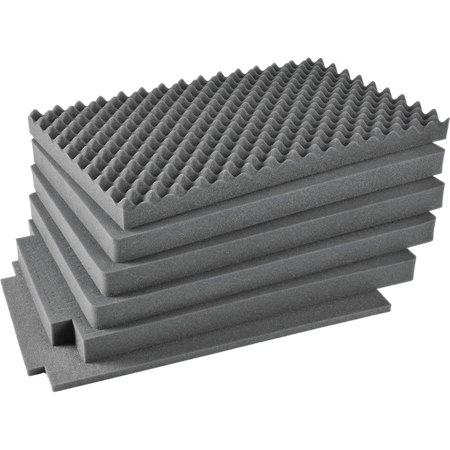
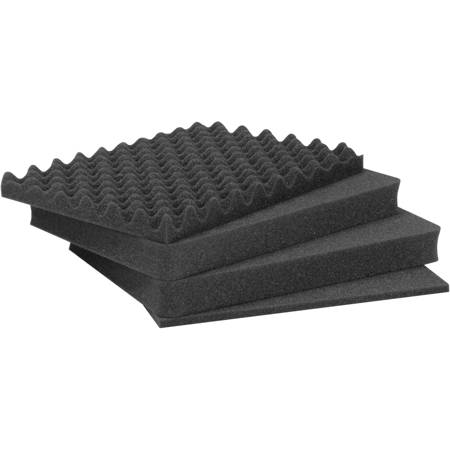
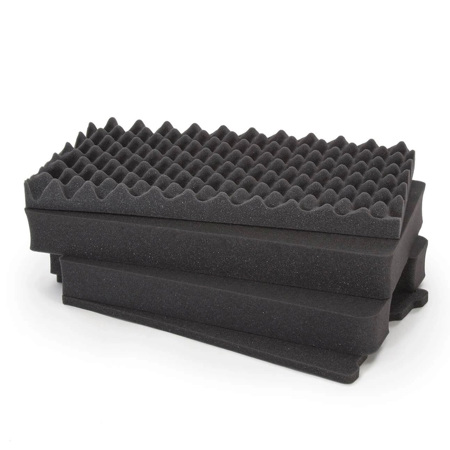
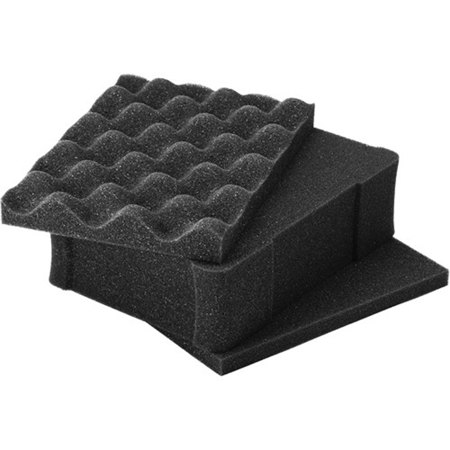
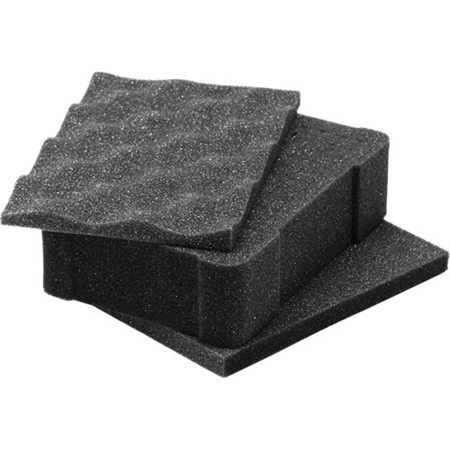
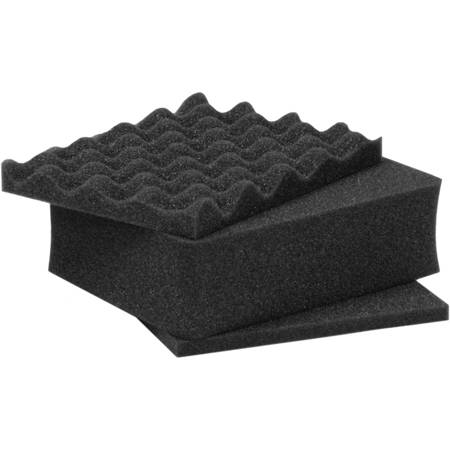
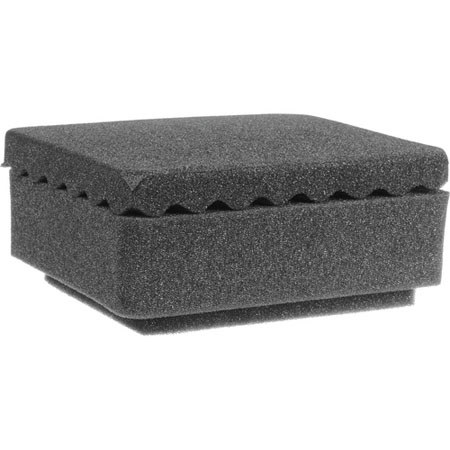
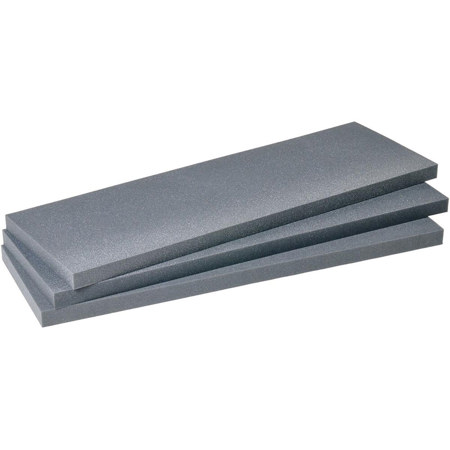
Polyurethane foams are a staple material across a wide range of industries and creative pursuits, prized for their adaptability, resilience, and unique structural properties. Available in both flexible and rigid forms, these foams serve countless functions, from providing cushioning comfort in everyday items to delivering robust insulation and protective solutions in construction, photography, and audio-visual applications. Flexible polyurethane foam, with its open, breathable cellular structure, is well known for its use in furniture, mattresses, and automotive seating, where comfort and support are essential. Its ability to absorb shocks and reduce vibrations also makes it a go-to choice for packaging delicate equipment, crafting custom cases, or lining drawers and toolboxes. Photographers, videographers, and audio professionals in particular rely on customizable foam inserts to organize and protect sensitive gear—whether it’s a set of lenses, microphones, or lighting equipment—especially when traveling between shoots or events. As the weather shifts from the warmth of early summer into the cooler days of fall, the need for insulating and protective materials like rigid polyurethane foam becomes more pronounced. Rigid foam’s closed-cell structure offers excellent thermal resistance, making it ideal for sealing gaps, insulating attics and basements, or wrapping pipes to prevent energy loss and protect against condensation.
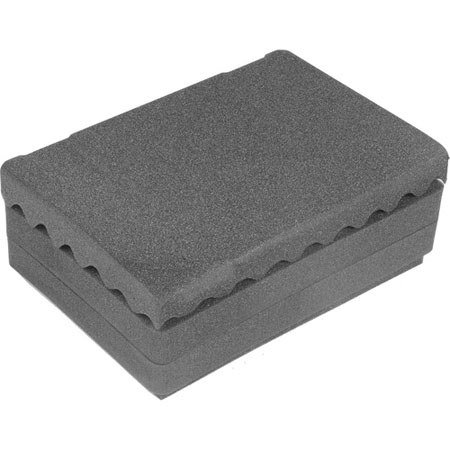
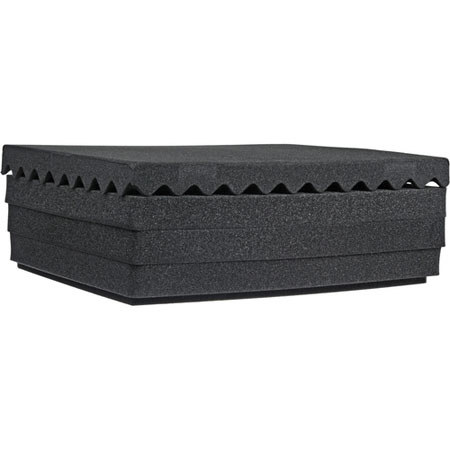
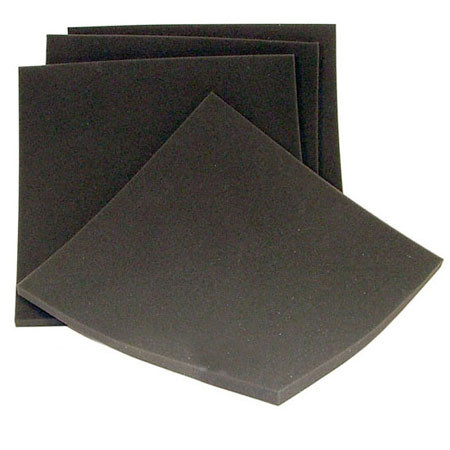
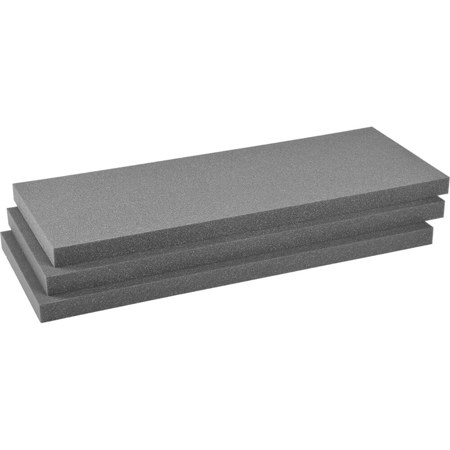
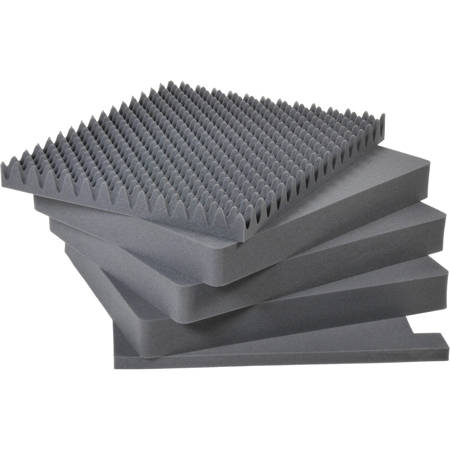
When considering which type of polyurethane foam best fits your needs, it’s important to think about the intended application, required density, and the environment where the foam will be used. Flexible foams come in a spectrum of densities, from soft, “egg-crate” styles perfect for lightweight packaging to high-density options that provide firmer support in seating or acoustic panels. Rigid foams, on the other hand, are typically chosen for their insulating properties and are available as spray foams in pressurized cans or as large, cuttable boards. Safety is also a key consideration: spray foams expand rapidly, are sticky during application, and require proper ventilation and protective equipment due to the fumes released during curing. Both flexible and rigid polyurethane foams are naturally flammable unless treated with fire retardants, so it’s essential to select products that meet relevant safety standards, especially for indoor or high-traffic environments. For those working outdoors or in bright studio settings, it’s worth noting that flexible polyurethane foam can yellow and degrade under prolonged exposure to sunlight, so UV-resistant or covered options may be preferable. Whether you’re a professional seeking to safeguard your gear, a DIY enthusiast looking to insulate a workspace, or searching for a practical gift for someone who values organization and protection, polyurethane foams offer a versatile solution that adapts seamlessly to a variety of needs.
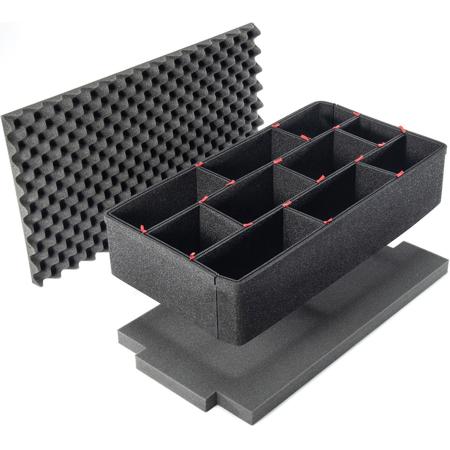
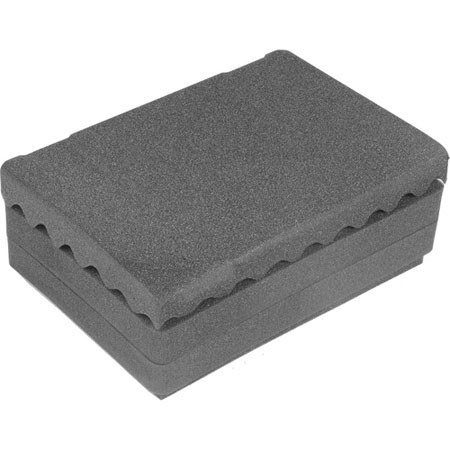
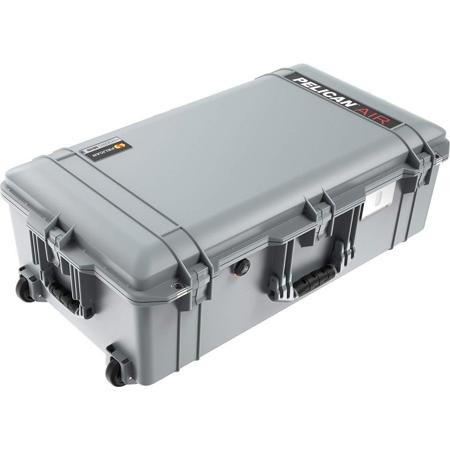
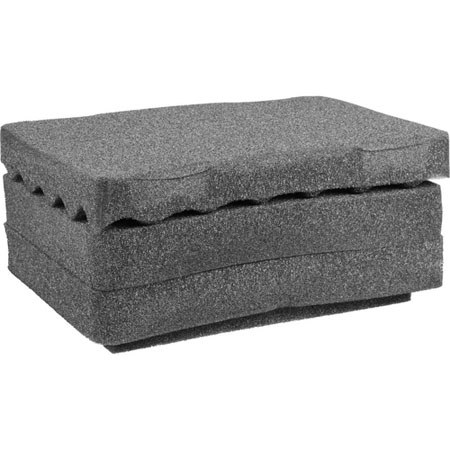
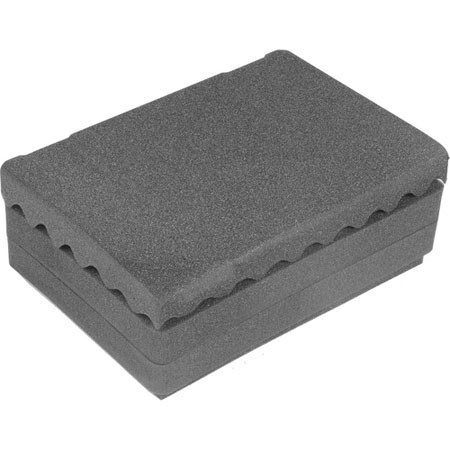
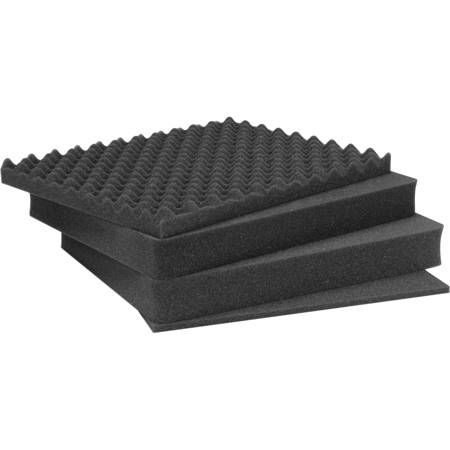
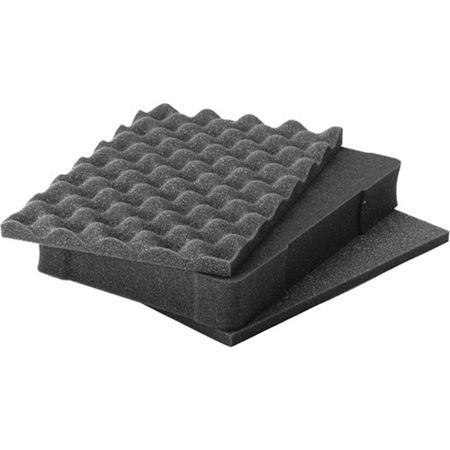
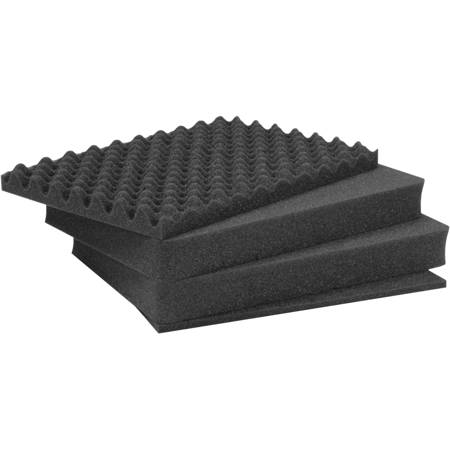
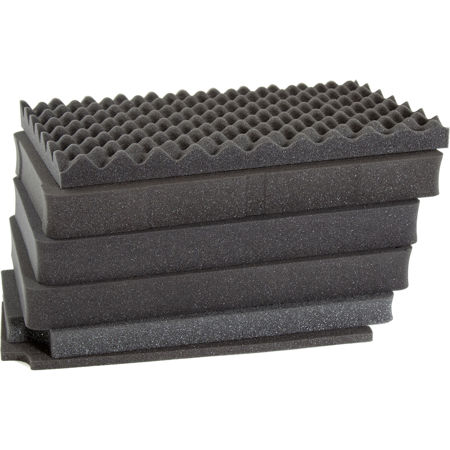
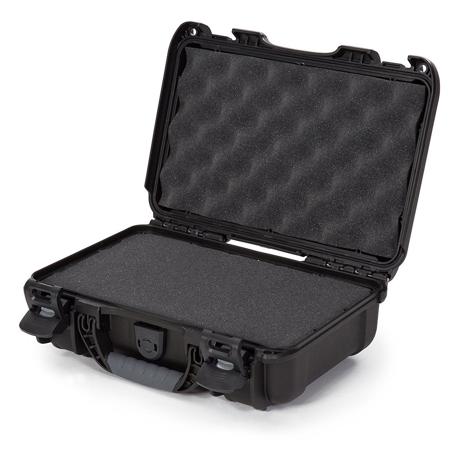
For those interested in customizing storage or transport solutions for their equipment, exploring dedicated Foam Inserts can be a practical next step. These inserts are designed to fit a range of cases and containers, allowing you to tailor the interior layout to your specific gear. Whether you’re preparing for a busy season of travel, updating your home studio, or simply aiming to keep your tools and valuables safe, polyurethane foams provide the adaptability and performance needed to meet the demands of both professional and everyday environments. With thoughtful selection and care, these foams can help extend the life of your equipment, improve energy efficiency, and bring peace of mind—no matter where your projects or passions take you.
When considering which type of polyurethane foam best fits your needs, it’s important to think about the intended application, required density, and the environment where the foam will be used. Flexible foams come in a spectrum of densities, from soft, “egg-crate” styles perfect for lightweight packaging to high-density options that provide firmer support in seating or acoustic panels. Rigid foams, on the other hand, are typically chosen for their insulating properties and are available as spray foams in pressurized cans or as large, cuttable boards. Safety is also a key consideration: spray foams expand rapidly, are sticky during application, and require proper ventilation and protective equipment due to the fumes released during curing. Both flexible and rigid polyurethane foams are naturally flammable unless treated with fire retardants, so it’s essential to select products that meet relevant safety standards, especially for indoor or high-traffic environments. For those working outdoors or in bright studio settings, it’s worth noting that flexible polyurethane foam can yellow and degrade under prolonged exposure to sunlight, so UV-resistant or covered options may be preferable. Whether you’re a professional seeking to safeguard your gear, a DIY enthusiast looking to insulate a workspace, or searching for a practical gift for someone who values organization and protection, polyurethane foams offer a versatile solution that adapts seamlessly to a variety of needs.
For those interested in customizing storage or transport solutions for their equipment, exploring dedicated Foam Inserts can be a practical next step. These inserts are designed to fit a range of cases and containers, allowing you to tailor the interior layout to your specific gear. Whether you’re preparing for a busy season of travel, updating your home studio, or simply aiming to keep your tools and valuables safe, polyurethane foams provide the adaptability and performance needed to meet the demands of both professional and everyday environments. With thoughtful selection and care, these foams can help extend the life of your equipment, improve energy efficiency, and bring peace of mind—no matter where your projects or passions take you.