



Poplar Body Guitars
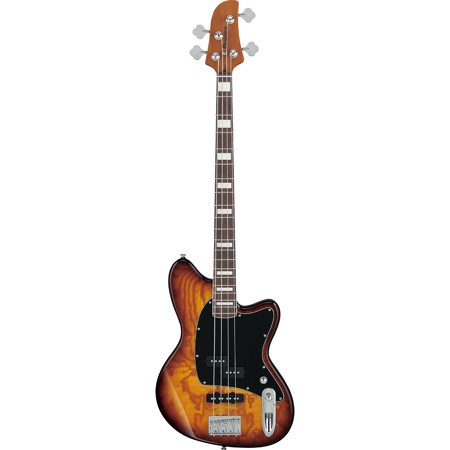
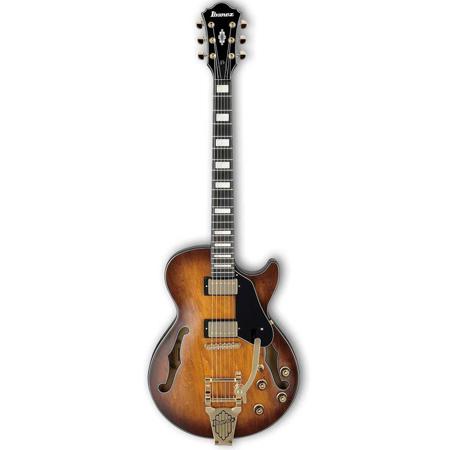
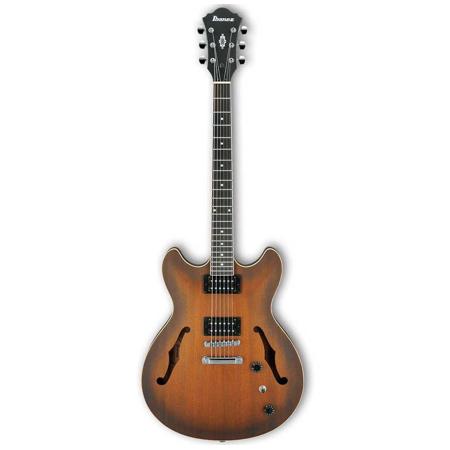
Poplar body guitars have carved out a unique place in the world of electric instruments, offering a blend of reliability, versatility, and affordability that appeals to a broad spectrum of players. As the weather transitions from the warmth of summer into the cooler, introspective days of fall, many musicians find themselves inspired to pick up a new guitar—whether for outdoor jam sessions, recording projects, or as a thoughtful gift for a budding player. Poplar is a tonewood that has gained popularity for its balanced, even sonic profile, providing a strong mid-range presence and crisp highs that help each note cut through the mix. This makes a poplar guitar an excellent choice for those who value clarity and articulation, whether playing clean arpeggios or driving rock riffs. The wood’s light-to-medium weight is especially appreciated by players who perform standing up for long stretches, as it reduces fatigue without sacrificing structural integrity. Poplar’s durability is often underestimated, but it reliably holds hardware and withstands the demands of gigging and practice alike, making it a smart option for both entry-level and experienced musicians.
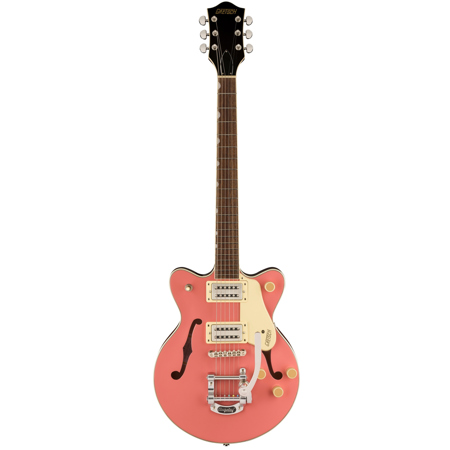
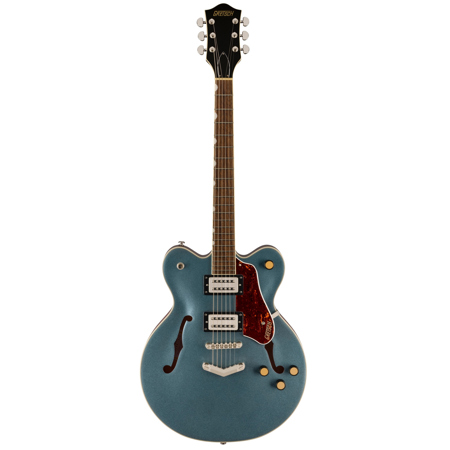
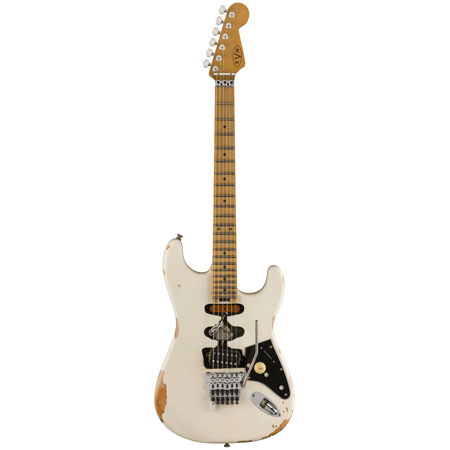
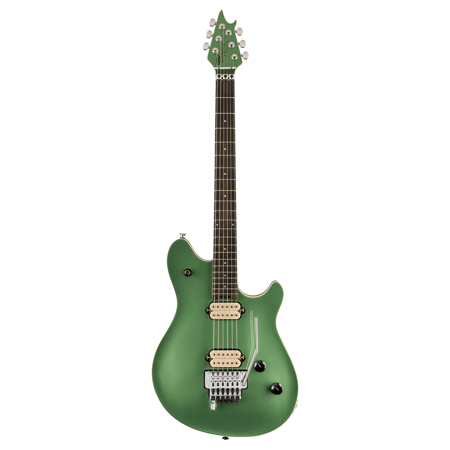
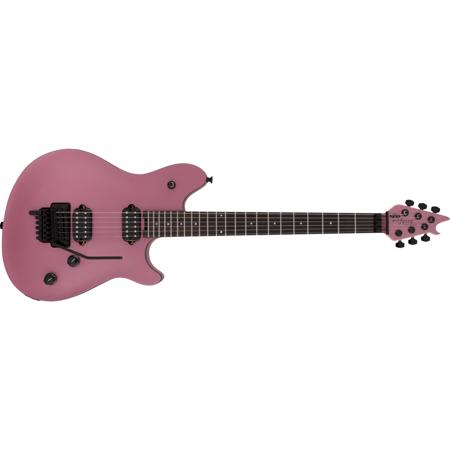
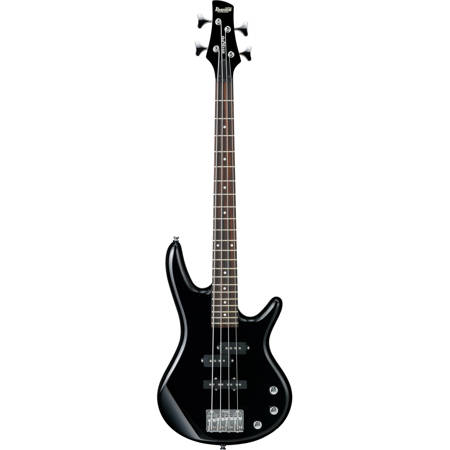
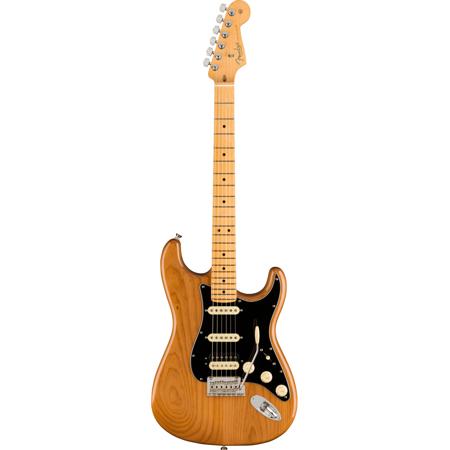
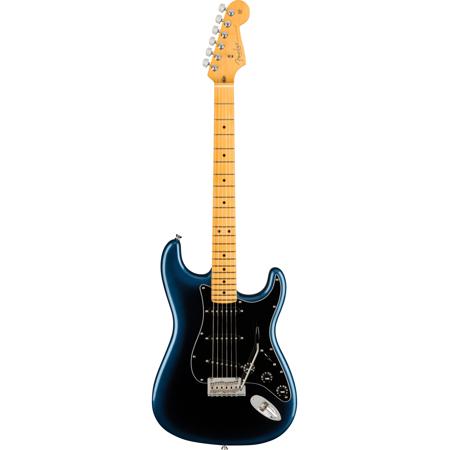
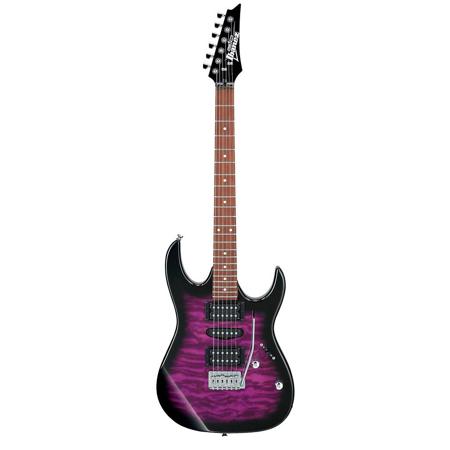
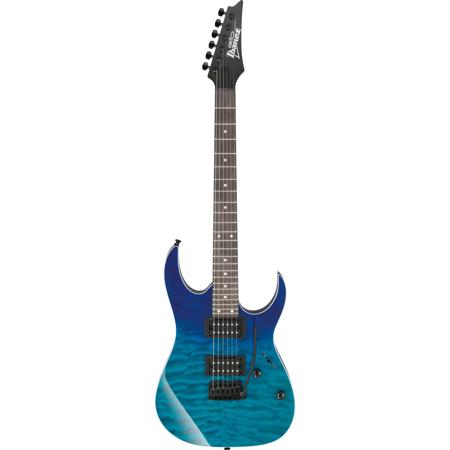
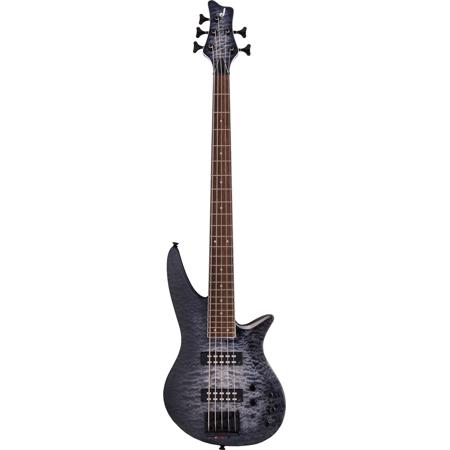
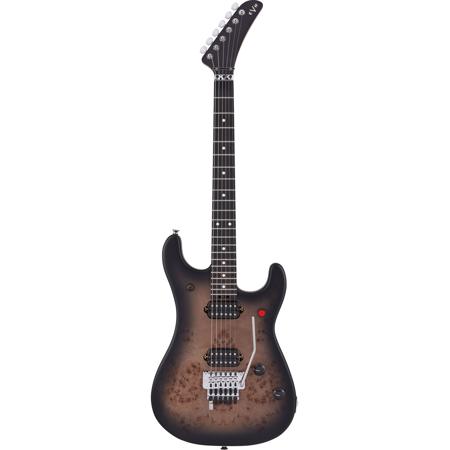
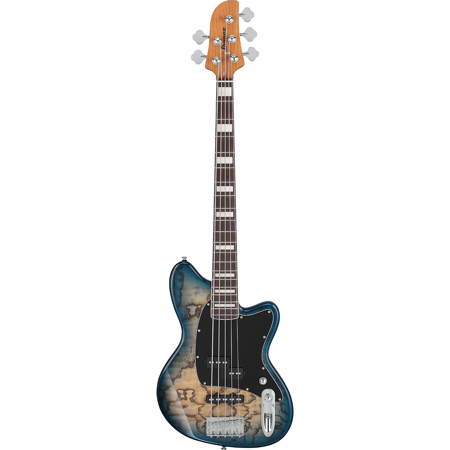
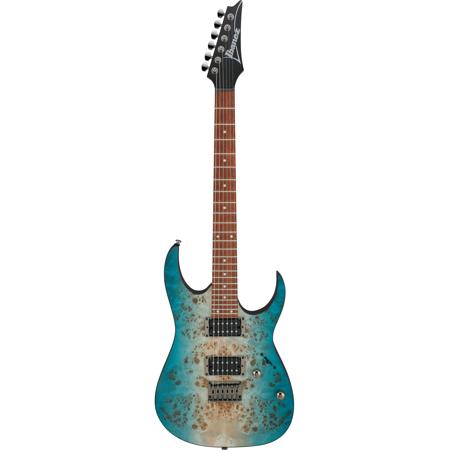
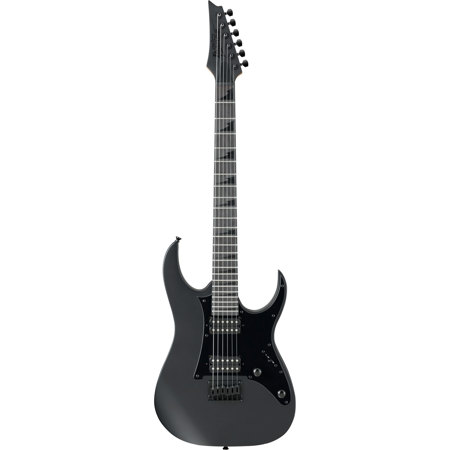
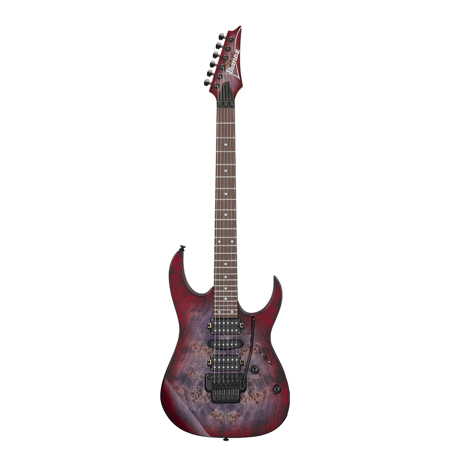
When considering a poplar body guitar, it’s worth noting the wood’s unique appearance and how that translates into instrument finishes. Poplar often contains subtle mineral streaks—shades of grey, green, brown, or even purple—that lend character to the raw wood but can create unevenness when stained. For this reason, most poplar guitars feature solid, opaque paint jobs in classic colors like white, black, or bold primary hues, offering a sleek and timeless aesthetic that fits any stage or studio setting. However, custom shops sometimes embrace the wood’s visual quirks by using poplar burl as a decorative veneer, resulting in instruments with striking, exotic burst finishes. Poplar’s tonal qualities are highly comparable to alder, another staple in electric guitar construction, but it is often more budget-friendly—making it accessible to students, hobbyists, and working musicians alike. Its balanced sound pairs well with standard electronics, delivering a punchy response with single-coil pickups or a robust foundation for humbuckers, supporting a wide range of musical genres from blues and indie to hard rock and funk.
A poplar body guitar can be a thoughtful and practical gift for anyone starting their musical journey, a seasoned player looking for a reliable backup, or even a collector seeking a lightweight, resonant addition to their arsenal. These guitars are especially well-suited for players who value versatility, as the balanced tonal profile adapts seamlessly to different playing styles and amplifier settings. Whether you’re searching for an instrument to inspire creativity during late-summer sessions or preparing for the return of indoor rehearsals as autumn arrives, a poplar guitar offers comfort, playability, and sound quality that consistently impresses. For those interested in exploring other tonewood options with distinct sonic and visual characteristics, you may also enjoy browsing our curated selection of Pine Body Guitars. Each wood brings its own unique flavor to your music, but poplar’s combination of affordability, resonance, and durability ensures it remains a favorite among players of all backgrounds, making it an inspired choice for any season.
When considering a poplar body guitar, it’s worth noting the wood’s unique appearance and how that translates into instrument finishes. Poplar often contains subtle mineral streaks—shades of grey, green, brown, or even purple—that lend character to the raw wood but can create unevenness when stained. For this reason, most poplar guitars feature solid, opaque paint jobs in classic colors like white, black, or bold primary hues, offering a sleek and timeless aesthetic that fits any stage or studio setting. However, custom shops sometimes embrace the wood’s visual quirks by using poplar burl as a decorative veneer, resulting in instruments with striking, exotic burst finishes. Poplar’s tonal qualities are highly comparable to alder, another staple in electric guitar construction, but it is often more budget-friendly—making it accessible to students, hobbyists, and working musicians alike. Its balanced sound pairs well with standard electronics, delivering a punchy response with single-coil pickups or a robust foundation for humbuckers, supporting a wide range of musical genres from blues and indie to hard rock and funk.
A poplar body guitar can be a thoughtful and practical gift for anyone starting their musical journey, a seasoned player looking for a reliable backup, or even a collector seeking a lightweight, resonant addition to their arsenal. These guitars are especially well-suited for players who value versatility, as the balanced tonal profile adapts seamlessly to different playing styles and amplifier settings. Whether you’re searching for an instrument to inspire creativity during late-summer sessions or preparing for the return of indoor rehearsals as autumn arrives, a poplar guitar offers comfort, playability, and sound quality that consistently impresses. For those interested in exploring other tonewood options with distinct sonic and visual characteristics, you may also enjoy browsing our curated selection of Pine Body Guitars. Each wood brings its own unique flavor to your music, but poplar’s combination of affordability, resonance, and durability ensures it remains a favorite among players of all backgrounds, making it an inspired choice for any season.