Portrait Photography Film
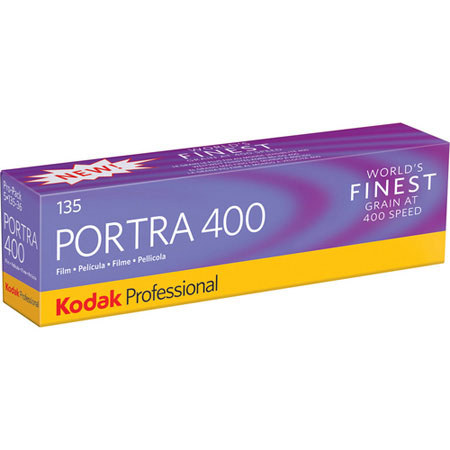
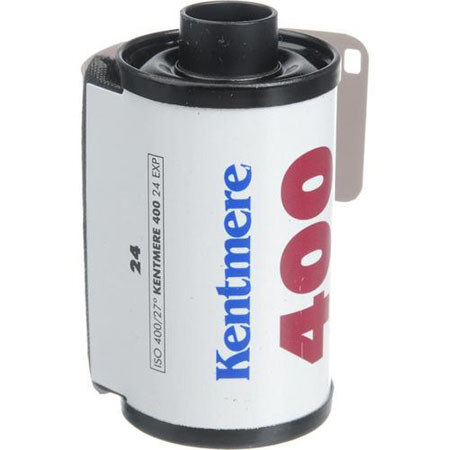
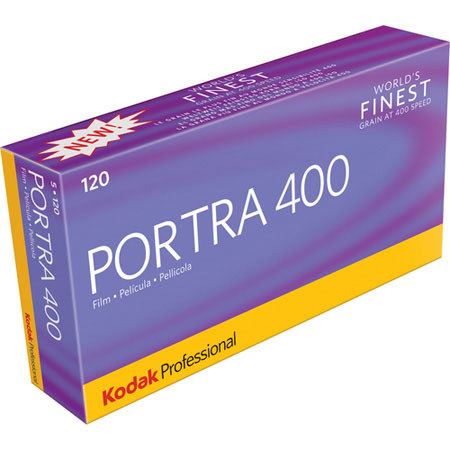
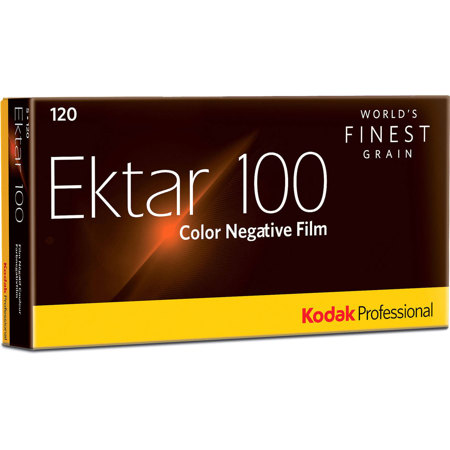
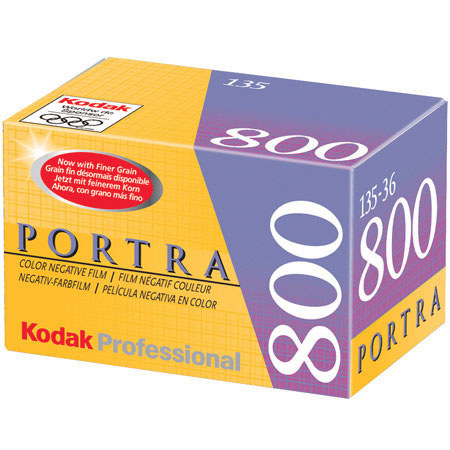
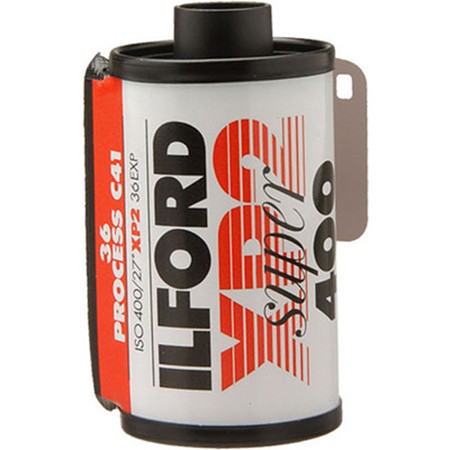
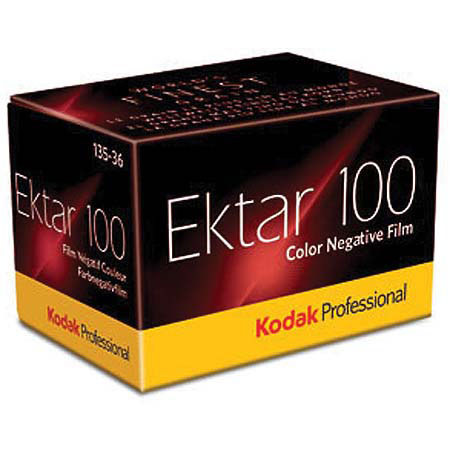
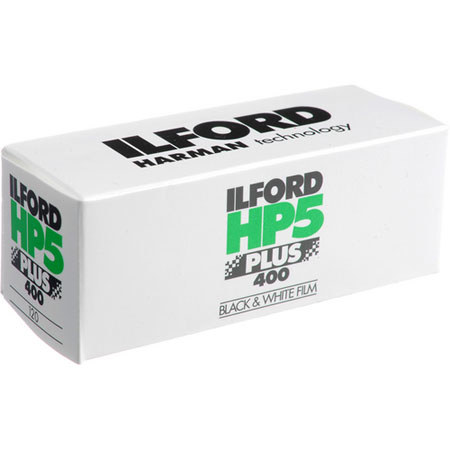
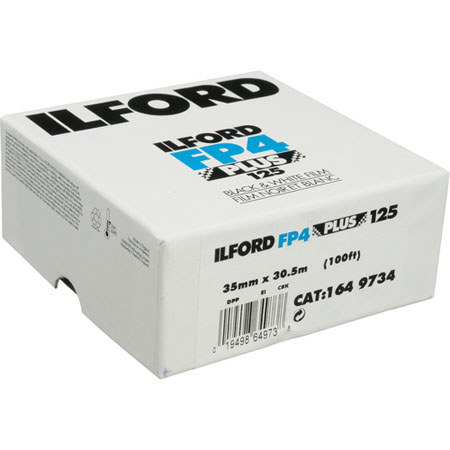
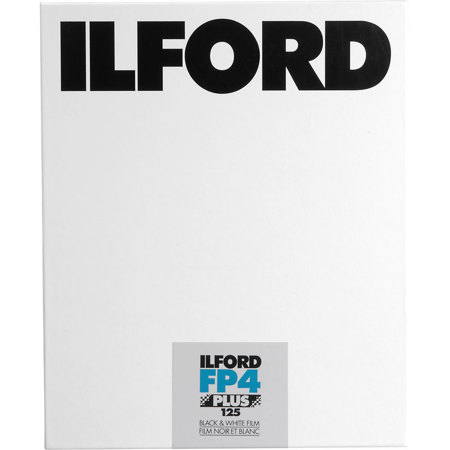
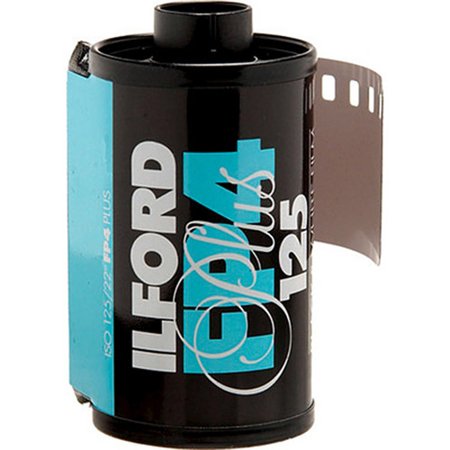
Portrait photography on film is a timeless pursuit, cherished by professionals and hobbyists alike for its ability to capture authentic emotion, luscious skin tones, and an unmistakable sense of depth. Whether you’re working with classic 35mm film rolls or exploring the rich detail of medium format, the tactile process of loading camera film and carefully composing each shot encourages a thoughtful, deliberate approach. As the days grow longer and the light softens, portrait photographers often take advantage of open shade or the golden hour to create flattering, softly lit images. The choice of portrait film has a profound impact on the final result—different emulsions offer unique color palettes, contrast, and grain structures, allowing you to match your creative vision to the mood of your subject and setting. For those new to film, starting with a versatile 25mm film or a standard 35mm camera can be a great way to experiment with composition and exposure, while seasoned photographers may prefer the nuanced tones and dynamic range offered by larger formats. The process of shooting portraits on film, from metering for highlights to directing your subject and managing backgrounds, becomes a rewarding ritual that often leads to more intentional, expressive images.
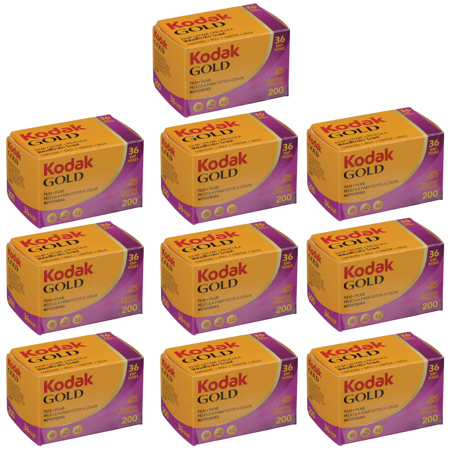
Selecting the right film for camera use in portraiture involves more than just technical specifications—it’s about understanding how different stocks respond to light, skin tones, and the subtle interplay of color and shadow. Warmer months invite outdoor sessions where the interplay of natural light and lush backgrounds can elevate your portraits, while cooler weather may inspire indoor shoots with soft window light or creative use of strobes. Portrait film is especially prized for its ability to render skin with a natural, flattering warmth and to handle overexposure gracefully, a trait that’s particularly helpful when working with unpredictable lighting. Many photographers appreciate the forgiving latitude of certain emulsions, which allow for experimentation and minor exposure errors without sacrificing image quality. Whether you’re capturing candid family moments, professional headshots, or creative self-portraits, camera film offers a tangible, archival quality that digital images can struggle to match. For gift-givers, a selection of film rolls or a fresh box of portrait film makes a thoughtful present for students, artists, or anyone looking to slow down and reconnect with the fundamentals of photography. The anticipation of developing film, holding physical prints, and curating a tangible portfolio of portraits is an experience that resonates across generations.
As you explore your options, consider how your camera format and lens choice will influence your results. Classic 50mm or 85mm lenses are favored for their flattering facial compression and ability to isolate subjects from their backgrounds, especially when paired with portrait film known for its smooth transitions and subtle color rendering. Metering for your subject’s face, exposing for highlights, and giving careful direction for hands and posture all contribute to compelling, professional-looking portraits. For those interested in expanding their skillset beyond portraiture, exploring other genres can be inspiring—discover more about film’s versatility by visiting our curated list for Film For Street Photography. No matter your approach, working with film encourages patience, creativity, and a deeper connection to your craft, making every portrait session a memorable collaboration between photographer, subject, and the enduring magic of analog photography.
Selecting the right film for camera use in portraiture involves more than just technical specifications—it’s about understanding how different stocks respond to light, skin tones, and the subtle interplay of color and shadow. Warmer months invite outdoor sessions where the interplay of natural light and lush backgrounds can elevate your portraits, while cooler weather may inspire indoor shoots with soft window light or creative use of strobes. Portrait film is especially prized for its ability to render skin with a natural, flattering warmth and to handle overexposure gracefully, a trait that’s particularly helpful when working with unpredictable lighting. Many photographers appreciate the forgiving latitude of certain emulsions, which allow for experimentation and minor exposure errors without sacrificing image quality. Whether you’re capturing candid family moments, professional headshots, or creative self-portraits, camera film offers a tangible, archival quality that digital images can struggle to match. For gift-givers, a selection of film rolls or a fresh box of portrait film makes a thoughtful present for students, artists, or anyone looking to slow down and reconnect with the fundamentals of photography. The anticipation of developing film, holding physical prints, and curating a tangible portfolio of portraits is an experience that resonates across generations.
As you explore your options, consider how your camera format and lens choice will influence your results. Classic 50mm or 85mm lenses are favored for their flattering facial compression and ability to isolate subjects from their backgrounds, especially when paired with portrait film known for its smooth transitions and subtle color rendering. Metering for your subject’s face, exposing for highlights, and giving careful direction for hands and posture all contribute to compelling, professional-looking portraits. For those interested in expanding their skillset beyond portraiture, exploring other genres can be inspiring—discover more about film’s versatility by visiting our curated list for Film For Street Photography. No matter your approach, working with film encourages patience, creativity, and a deeper connection to your craft, making every portrait session a memorable collaboration between photographer, subject, and the enduring magic of analog photography.