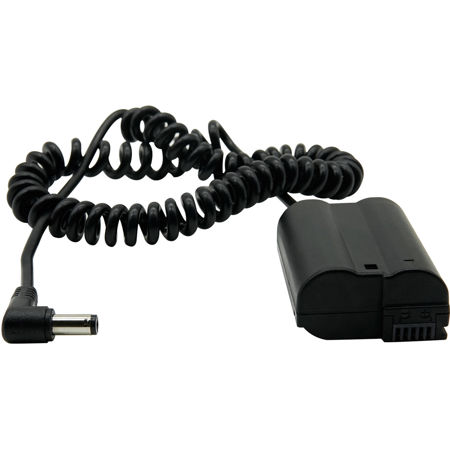
Power Adapter Cables
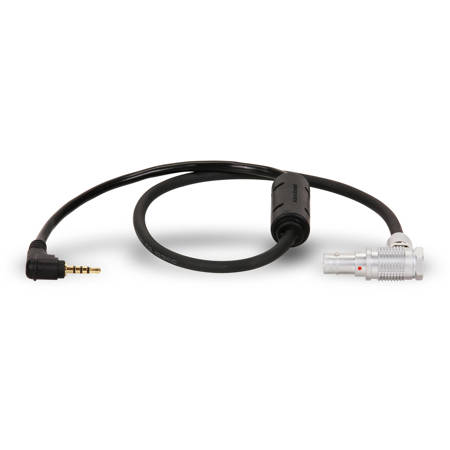
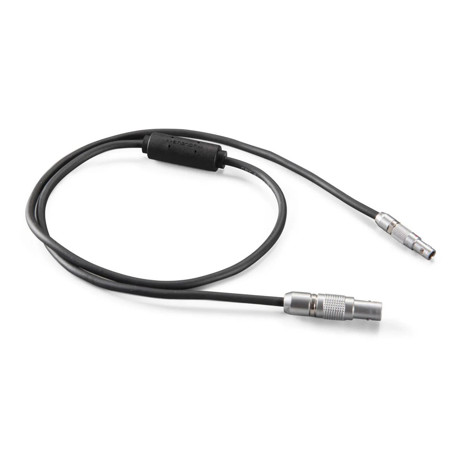
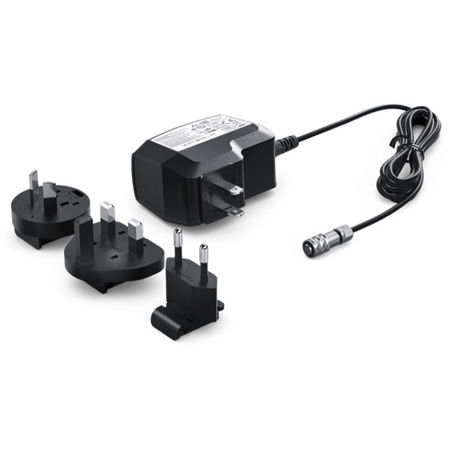
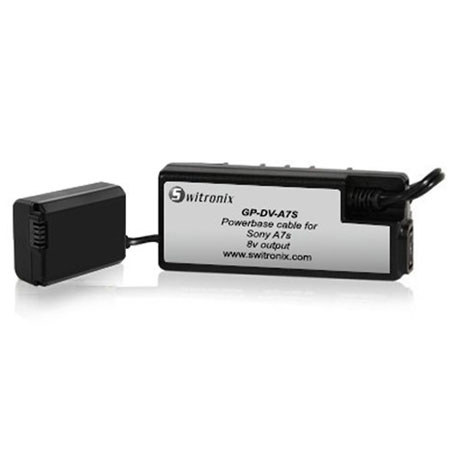
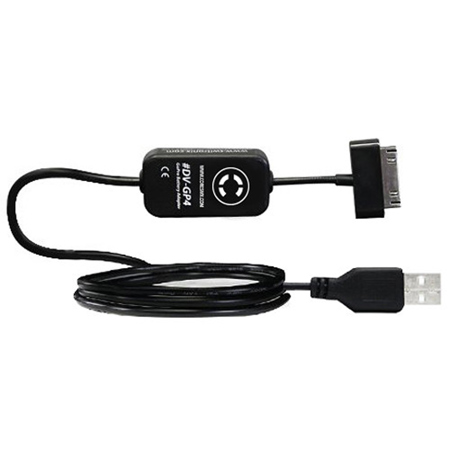
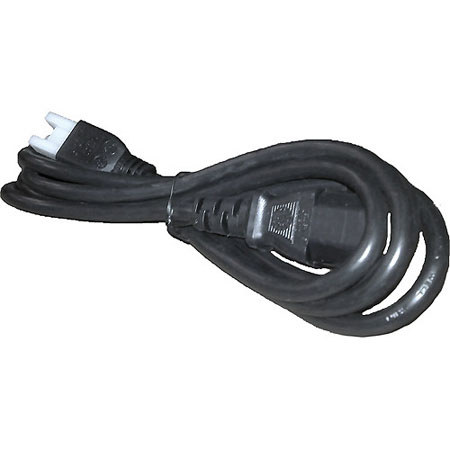
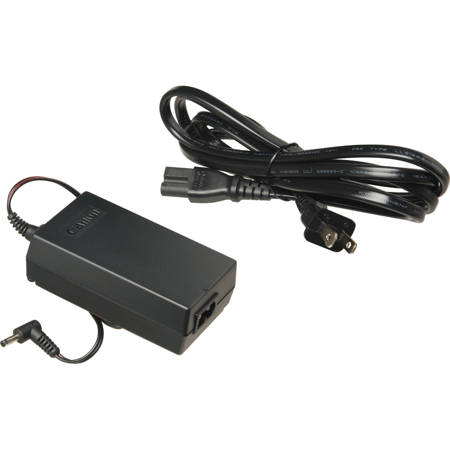
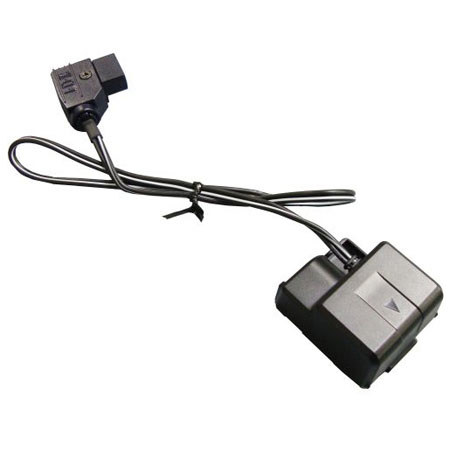
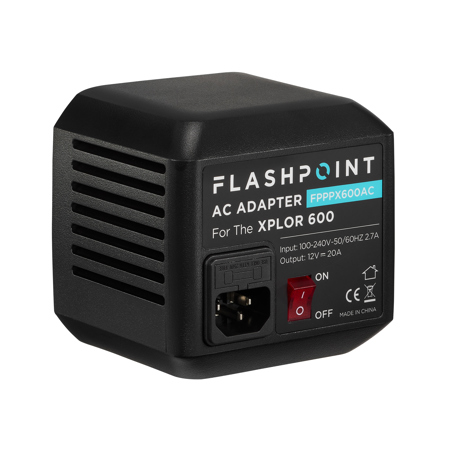
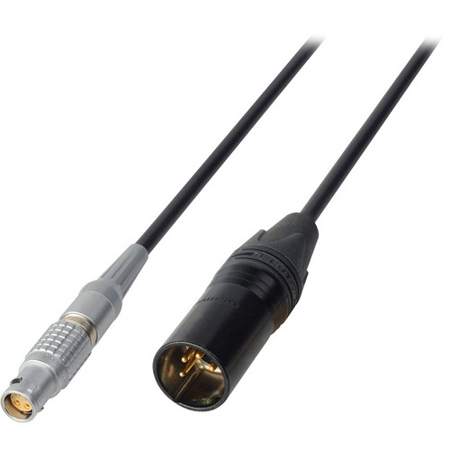
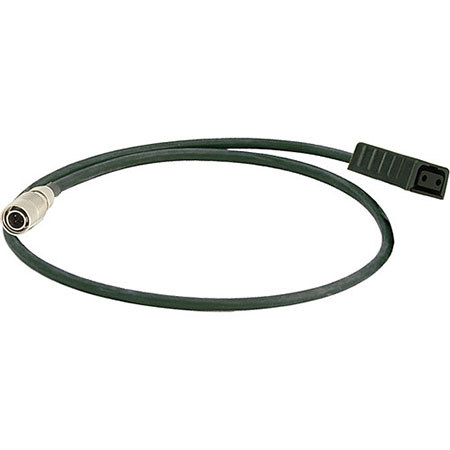
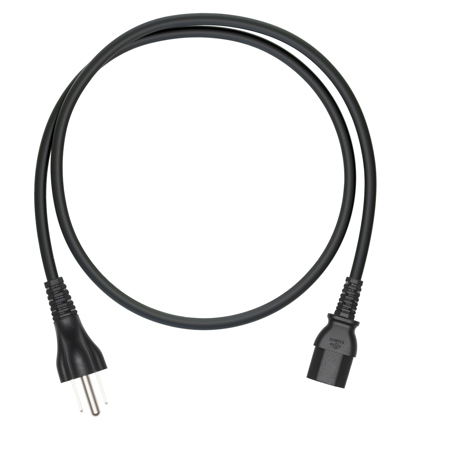
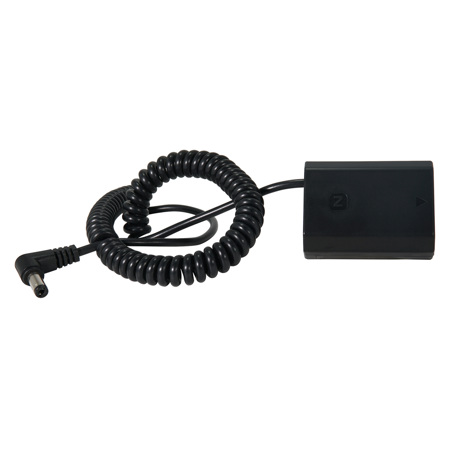
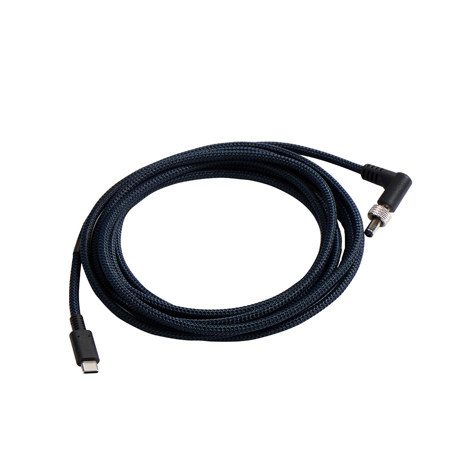
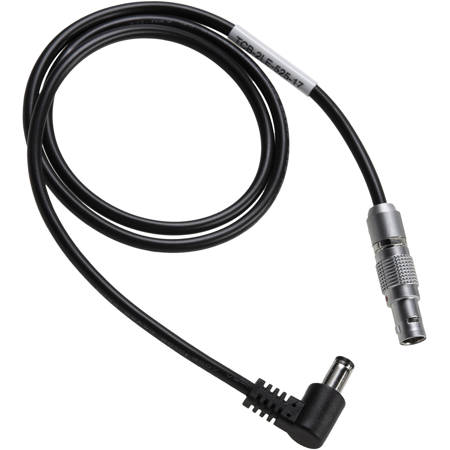
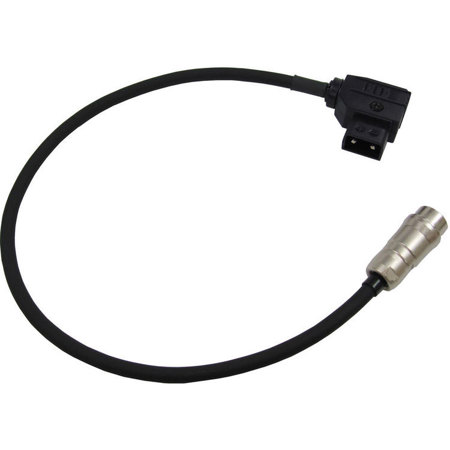
Power adapter cables are essential components in any well-equipped workspace, studio, or home setup, ensuring that your electronic devices receive reliable and safe power. Whether you’re building a professional photography studio, upgrading your home office, or simply ensuring your entertainment system is always ready for action, the right power adapter cable can make all the difference. These cables come in a variety of connector types, lengths, and power ratings to match the specific needs of your equipment. From classic two-prong cords for simple devices to robust three-prong or C13/C14 cables for monitors, computers, and audio gear, the right choice keeps your devices running smoothly and protects them from power interruptions or surges. As spring approaches and many people refresh their gear or reorganize their spaces, it’s a great time to assess whether your current power cables meet your needs—especially if you’re adding new devices or moving equipment to new locations. The right cable length can help you avoid unsightly tangles or the frustration of a device just out of reach, while choosing a cable with the proper power rating ensures your equipment operates safely and efficiently.
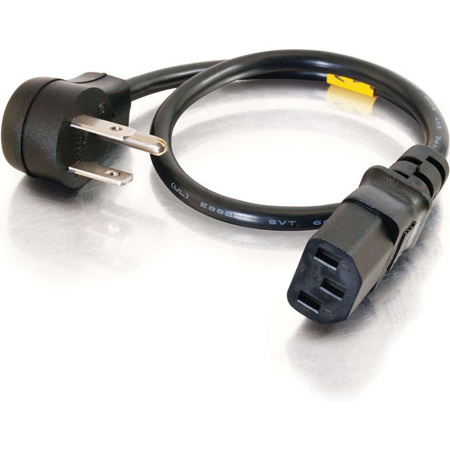
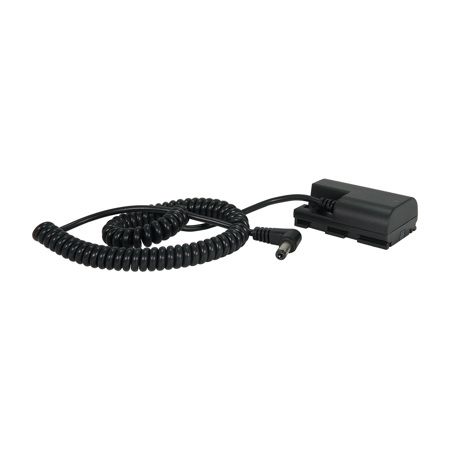
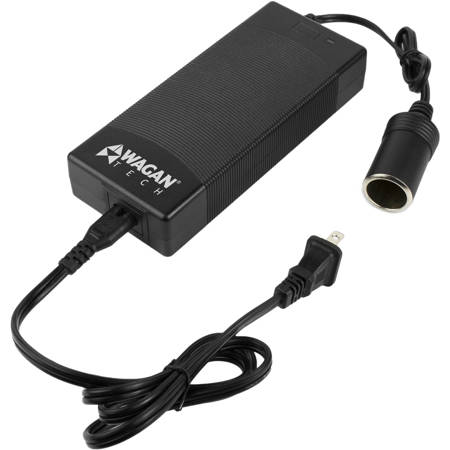
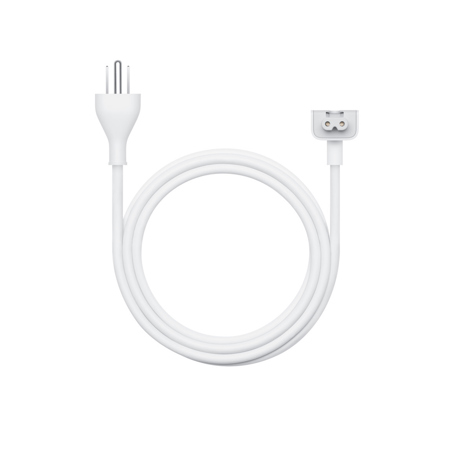
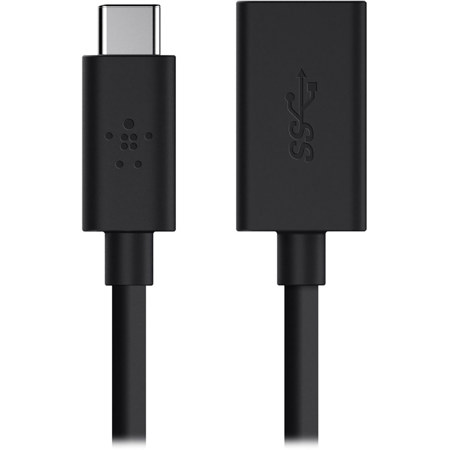
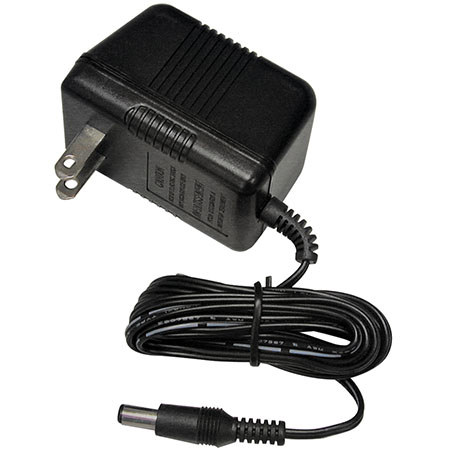
Power adapter cables are not only practical but can also be thoughtful gifts for anyone who relies on electronic devices—students setting up dorm rooms, photographers building portable kits, musicians connecting stage equipment, or remote workers creating ergonomic workstations. If you’ve ever helped a friend troubleshoot a flickering monitor or a studio light that won’t turn on, you know how much a reliable cable can matter. For those who travel or work on location, compact and versatile adapter cables are invaluable for connecting gear in unfamiliar spaces where outlets and power sources may vary. When selecting a power adapter cable, it’s important to match the connectors to your device’s requirements, whether that’s a standard NEMA 5-15P to 5-15R, a C13 to C14 for professional monitors, or a USB-C/A solution for charging multiple devices. Pay close attention to the cable’s gauge (AWG); thicker cables with lower AWG numbers are better suited for high-power equipment, while slimmer cables are perfect for lighter loads and tight spaces. For those with specialized needs, such as powering LED panels, audio interfaces, or camera rigs, exploring options like DC Power Adapters can provide the precision and reliability required for seamless performance.
As you review your setup this season, consider how power adapter cables contribute to both safety and convenience. Investing in high-quality cables can help prevent overheating, accidental disconnects, and damage to valuable electronics, especially in environments where equipment is frequently moved or reconfigured. Many professionals keep a selection of lengths and connector types on hand, ensuring they’re prepared for any scenario—whether it’s extending power to a new desk, connecting a rack of audio gear, or setting up a temporary workstation in a different room. Even for everyday users, having the right cable on hand can mean the difference between productivity and frustration. With so many options available, it’s easy to find cables tailored to your specific devices and workflow, helping you maintain a tidy, efficient, and safe environment for work or play.
Power adapter cables are not only practical but can also be thoughtful gifts for anyone who relies on electronic devices—students setting up dorm rooms, photographers building portable kits, musicians connecting stage equipment, or remote workers creating ergonomic workstations. If you’ve ever helped a friend troubleshoot a flickering monitor or a studio light that won’t turn on, you know how much a reliable cable can matter. For those who travel or work on location, compact and versatile adapter cables are invaluable for connecting gear in unfamiliar spaces where outlets and power sources may vary. When selecting a power adapter cable, it’s important to match the connectors to your device’s requirements, whether that’s a standard NEMA 5-15P to 5-15R, a C13 to C14 for professional monitors, or a USB-C/A solution for charging multiple devices. Pay close attention to the cable’s gauge (AWG); thicker cables with lower AWG numbers are better suited for high-power equipment, while slimmer cables are perfect for lighter loads and tight spaces. For those with specialized needs, such as powering LED panels, audio interfaces, or camera rigs, exploring options like DC Power Adapters can provide the precision and reliability required for seamless performance.
As you review your setup this season, consider how power adapter cables contribute to both safety and convenience. Investing in high-quality cables can help prevent overheating, accidental disconnects, and damage to valuable electronics, especially in environments where equipment is frequently moved or reconfigured. Many professionals keep a selection of lengths and connector types on hand, ensuring they’re prepared for any scenario—whether it’s extending power to a new desk, connecting a rack of audio gear, or setting up a temporary workstation in a different room. Even for everyday users, having the right cable on hand can mean the difference between productivity and frustration. With so many options available, it’s easy to find cables tailored to your specific devices and workflow, helping you maintain a tidy, efficient, and safe environment for work or play.