Power Inverters for Household Appliances
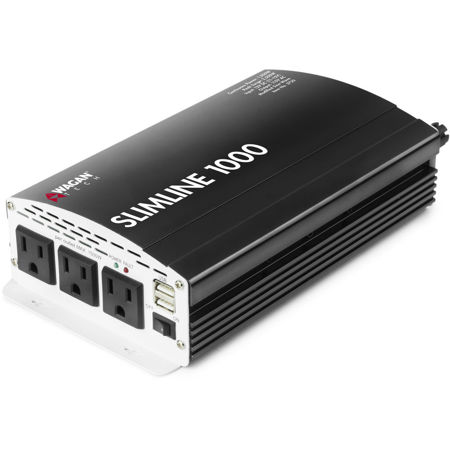
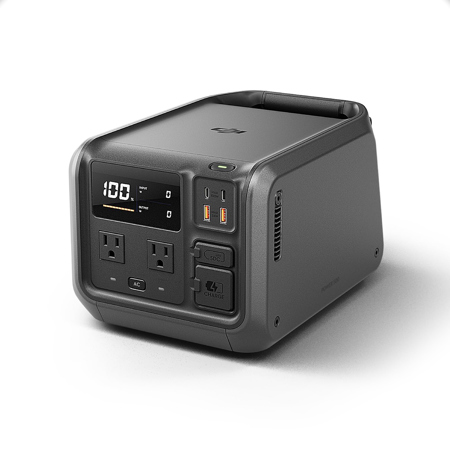
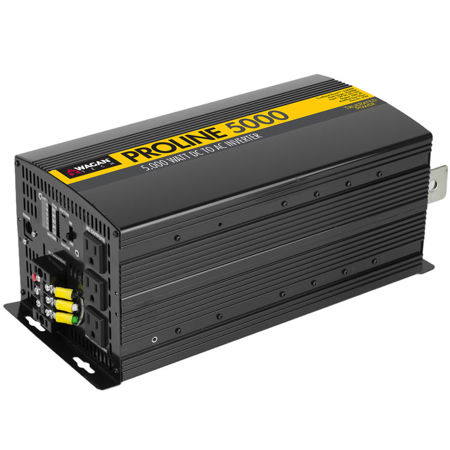
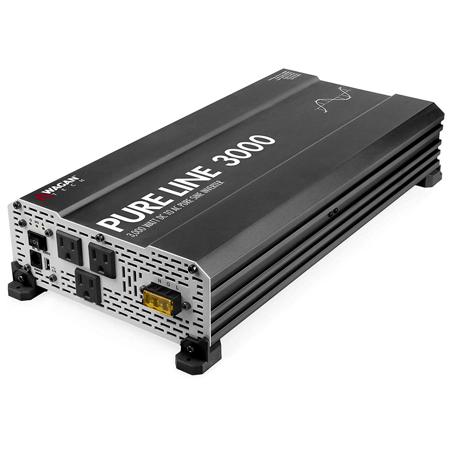
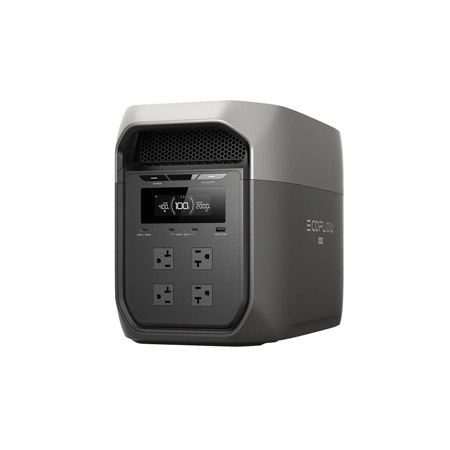
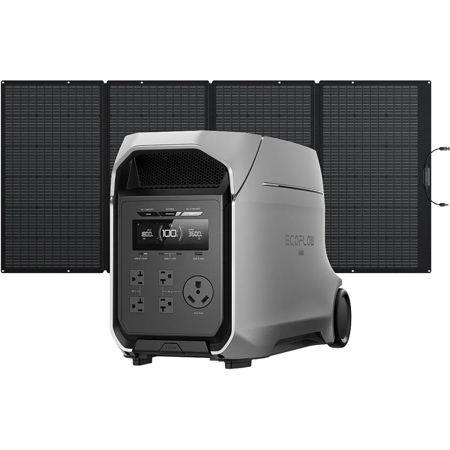
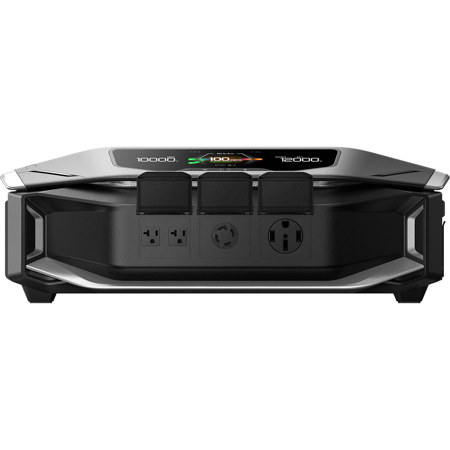
When considering a power inverter for household use, it’s important to understand how these devices serve as a bridge between your home’s essential appliances and the power sources available during outages, off-grid living, or on-the-go scenarios. A household inverter converts DC (direct current) power—typically from a battery or solar panel—into AC (alternating current) power, which is what most household appliances require. This capability is invaluable for anyone seeking reliable backup power during storms, grid interruptions, or outdoor events, as well as for those living in areas where electricity is less predictable. Whether you’re powering a refrigerator to keep food safe during a summer blackout, running a microwave at a remote campsite, or ensuring your sump pump is operational during heavy rain, the right inverter for home use provides peace of mind and practical convenience. Many homeowners also find inverters essential during the cooler months, when maintaining heat and lighting becomes critical, or for keeping medical devices running without interruption. As the weather shifts and families spend more time both indoors and outdoors, the versatility of a household inverter ensures comfort and safety year-round.
Selecting the right inverter for household appliances involves understanding your specific energy needs and the characteristics of the devices you plan to power. Appliances like refrigerators, microwaves, and space heaters have significant running and surge wattage requirements—meaning the inverter must be sized to handle both the steady energy draw and the initial burst needed to start up motors or heating elements. For example, a refrigerator might draw 500 to 1,200 watts continuously but require up to 2,500 watts at startup, while a coffee maker or microwave can demand between 1,000 and 1,500 watts. Smaller electronics, such as laptops and phone chargers, require less power, but it’s essential to add up the total wattage of all devices you intend to run simultaneously. Pure sine wave inverters are especially recommended for sensitive electronics and appliances, as they replicate the quality of grid power and prevent issues like buzzing or overheating. When gifting a household inverter, consider the recipient’s lifestyle—these devices make thoughtful presents for new homeowners, students moving into apartments, RV enthusiasts, or anyone who enjoys outdoor gatherings and tailgates. They’re also a practical addition to emergency preparedness kits, ensuring that families can stay connected and comfortable no matter what the season brings.
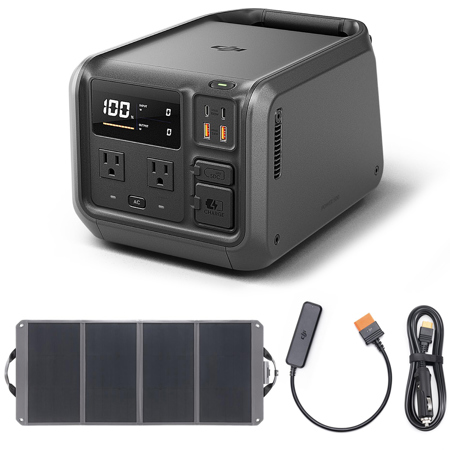
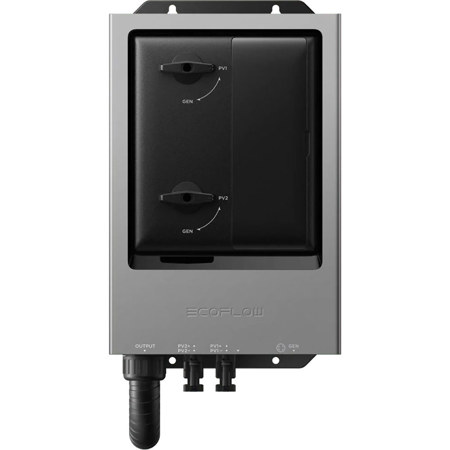
Beyond powering kitchen appliances and home essentials, inverters can be tailored for specific needs such as supporting home offices, entertainment systems, or even musical equipment. If your priority is running computers or delicate electronics, you may want to explore specialized options—our page on Power Inverters for Computers offers further guidance. For those integrating solar panels or battery banks, look for inverters with advanced features like automatic transfer switches or remote monitoring for added convenience. Proper installation and adherence to safety guidelines are crucial, especially when connecting high-wattage appliances, to maximize both performance and longevity. Whether you’re preparing for summer storms, planning a fall camping trip, or simply seeking reliable power for daily life, a thoughtfully chosen inverter for household use is a versatile investment that supports comfort, productivity, and security throughout the year.
Selecting the right inverter for household appliances involves understanding your specific energy needs and the characteristics of the devices you plan to power. Appliances like refrigerators, microwaves, and space heaters have significant running and surge wattage requirements—meaning the inverter must be sized to handle both the steady energy draw and the initial burst needed to start up motors or heating elements. For example, a refrigerator might draw 500 to 1,200 watts continuously but require up to 2,500 watts at startup, while a coffee maker or microwave can demand between 1,000 and 1,500 watts. Smaller electronics, such as laptops and phone chargers, require less power, but it’s essential to add up the total wattage of all devices you intend to run simultaneously. Pure sine wave inverters are especially recommended for sensitive electronics and appliances, as they replicate the quality of grid power and prevent issues like buzzing or overheating. When gifting a household inverter, consider the recipient’s lifestyle—these devices make thoughtful presents for new homeowners, students moving into apartments, RV enthusiasts, or anyone who enjoys outdoor gatherings and tailgates. They’re also a practical addition to emergency preparedness kits, ensuring that families can stay connected and comfortable no matter what the season brings.
Beyond powering kitchen appliances and home essentials, inverters can be tailored for specific needs such as supporting home offices, entertainment systems, or even musical equipment. If your priority is running computers or delicate electronics, you may want to explore specialized options—our page on Power Inverters for Computers offers further guidance. For those integrating solar panels or battery banks, look for inverters with advanced features like automatic transfer switches or remote monitoring for added convenience. Proper installation and adherence to safety guidelines are crucial, especially when connecting high-wattage appliances, to maximize both performance and longevity. Whether you’re preparing for summer storms, planning a fall camping trip, or simply seeking reliable power for daily life, a thoughtfully chosen inverter for household use is a versatile investment that supports comfort, productivity, and security throughout the year.