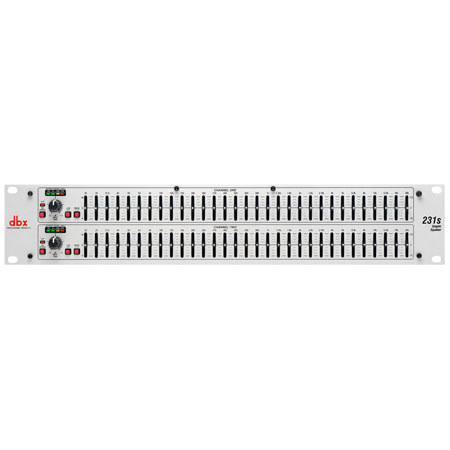
Pultec Equalizers
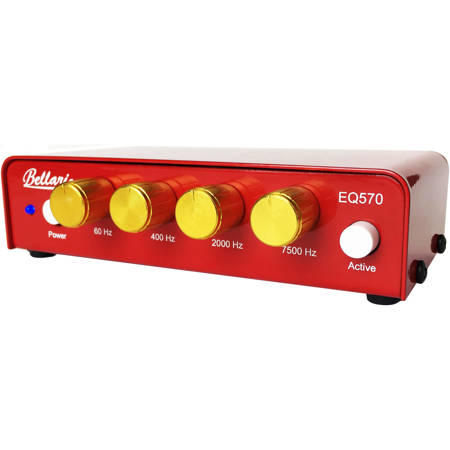
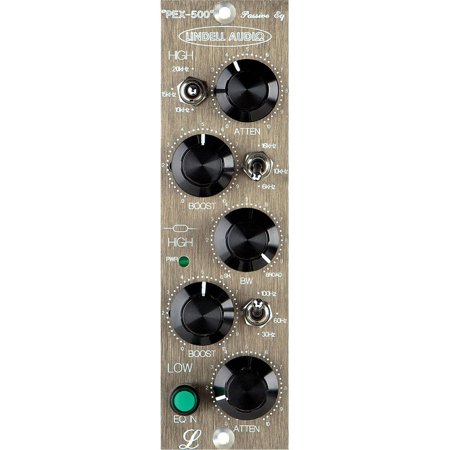
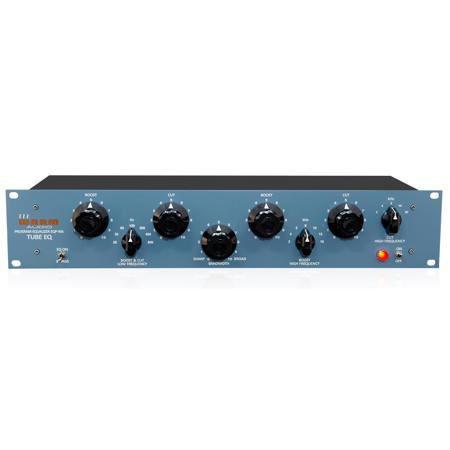
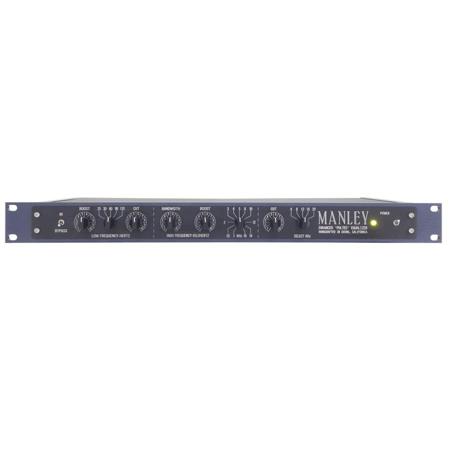
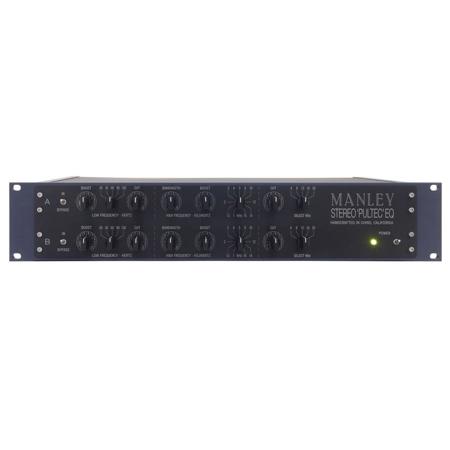
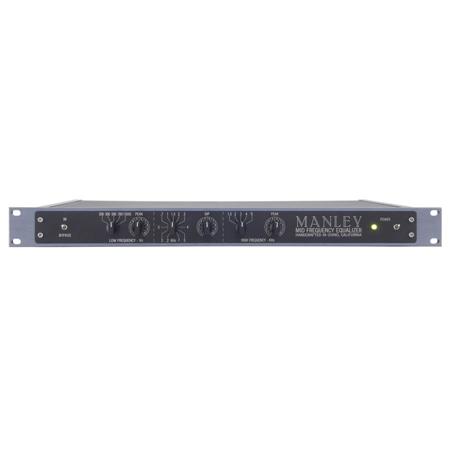
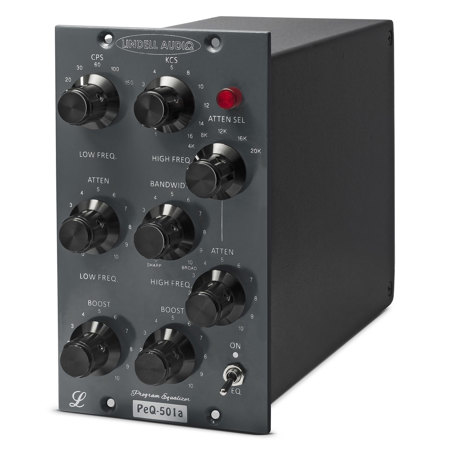
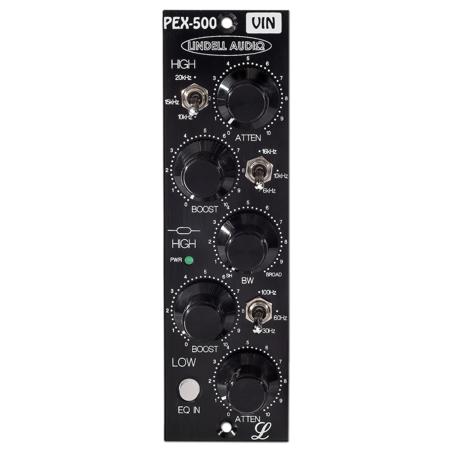
Pultec-style equalizers have long held a special place in the world of professional audio, celebrated for their ability to impart unmistakable warmth, smoothness, and character to a wide variety of sound sources. These classic analog equalizers, inspired by the original designs from the mid-20th century, are prized for their unique approach to frequency shaping. Unlike standard parametric EQs, Pultec equalizers allow users to simultaneously boost and attenuate the same frequency band, producing a signature low-end punch and clarity often referred to as the "Pultec Trick." This technique yields a tight, resonant bass response that is difficult to replicate with other types of equalization, making Pultec-style EQs a mainstay on vocals, bass guitars, drum buses, and even full mixes. Their intuitive controls—typically including selectable frequency bands, boost, attenuation, and bandwidth—offer both precision and musicality, letting engineers and producers sculpt sound with a level of nuance that feels almost tactile. Whether you’re tracking a singer-songwriter in a sunlit home studio as the days grow longer, or mixing a full band in a commercial facility as the evenings cool, the unmistakable analog character of a Pultec equalizer can elevate any project.
These equalizers are highly sought after by a diverse range of users, from seasoned recording engineers and mixing professionals to dedicated home studio enthusiasts and passionate musicians. The tactile experience of adjusting real hardware—turning those smooth, weighted knobs—can be especially rewarding for those who appreciate the craft of analog audio. For newcomers, modern reissues and accessible alternatives, such as the behringer pultec models, provide an entry point into the world of classic EQ without the daunting price tag of vintage hardware. As a thoughtful gift, a Pultec-style equalizer is an inspired choice for anyone invested in music production, audio engineering, or even podcasting. It’s the type of gear that becomes a studio staple, often passed from one generation of creators to the next, cherished for its ability to add depth, presence, and polish to any recording. During the creative rush that often comes with the changing seasons—when artists are inspired by summer’s energy or the introspection of autumn—these EQs play a crucial role in capturing and enhancing the subtle details that make each performance unique.
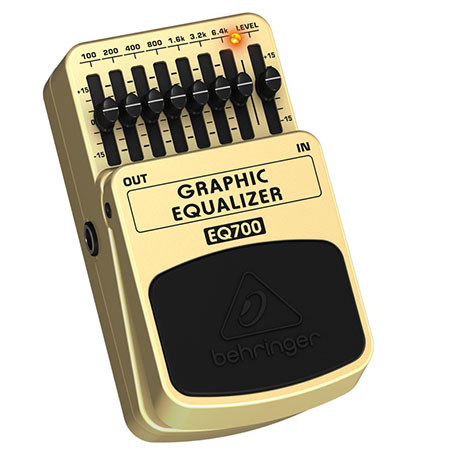
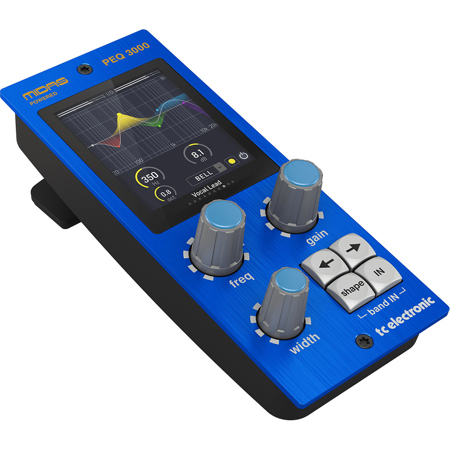
When considering a Pultec equalizer, it’s important to think about how it will integrate into your existing setup and workflow. Hardware units offer the undeniable allure of analog circuitry, with transformers and tubes contributing harmonic richness and subtle coloration. For those who prefer the flexibility of digital environments, plugin emulations modeled after the original Pultec circuits provide much of the same sonic character, with the added convenience of recall and automation. Whether you’re tracking acoustic instruments, adding air and sparkle to vocals, or tightening up the low end on a master bus, a Pultec-style EQ can be the secret ingredient that brings your mix to life. For musicians and producers who also experiment with live sound or guitar rigs, exploring complementary tools such as Graphic Equalizer Pedals can further expand creative possibilities. Ultimately, investing in a Pultec equalizer—whether vintage-inspired hardware or a modern interpretation—means embracing a legacy of sound shaping that has defined countless hit records and continues to inspire audio professionals and hobbyists alike, season after season.
These equalizers are highly sought after by a diverse range of users, from seasoned recording engineers and mixing professionals to dedicated home studio enthusiasts and passionate musicians. The tactile experience of adjusting real hardware—turning those smooth, weighted knobs—can be especially rewarding for those who appreciate the craft of analog audio. For newcomers, modern reissues and accessible alternatives, such as the behringer pultec models, provide an entry point into the world of classic EQ without the daunting price tag of vintage hardware. As a thoughtful gift, a Pultec-style equalizer is an inspired choice for anyone invested in music production, audio engineering, or even podcasting. It’s the type of gear that becomes a studio staple, often passed from one generation of creators to the next, cherished for its ability to add depth, presence, and polish to any recording. During the creative rush that often comes with the changing seasons—when artists are inspired by summer’s energy or the introspection of autumn—these EQs play a crucial role in capturing and enhancing the subtle details that make each performance unique.
When considering a Pultec equalizer, it’s important to think about how it will integrate into your existing setup and workflow. Hardware units offer the undeniable allure of analog circuitry, with transformers and tubes contributing harmonic richness and subtle coloration. For those who prefer the flexibility of digital environments, plugin emulations modeled after the original Pultec circuits provide much of the same sonic character, with the added convenience of recall and automation. Whether you’re tracking acoustic instruments, adding air and sparkle to vocals, or tightening up the low end on a master bus, a Pultec-style EQ can be the secret ingredient that brings your mix to life. For musicians and producers who also experiment with live sound or guitar rigs, exploring complementary tools such as Graphic Equalizer Pedals can further expand creative possibilities. Ultimately, investing in a Pultec equalizer—whether vintage-inspired hardware or a modern interpretation—means embracing a legacy of sound shaping that has defined countless hit records and continues to inspire audio professionals and hobbyists alike, season after season.