Rack Mount Audio
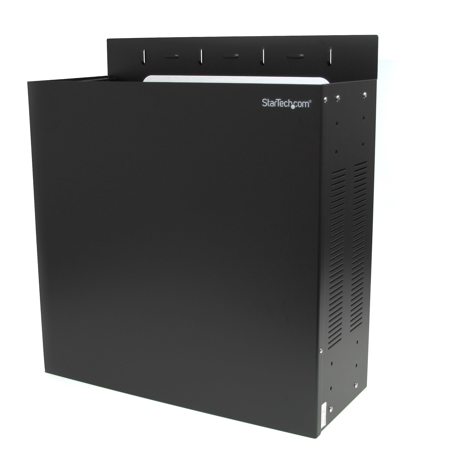
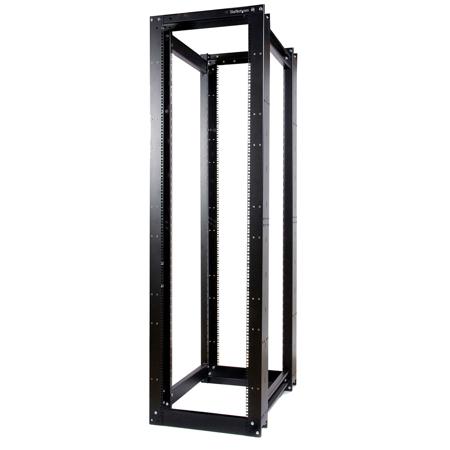
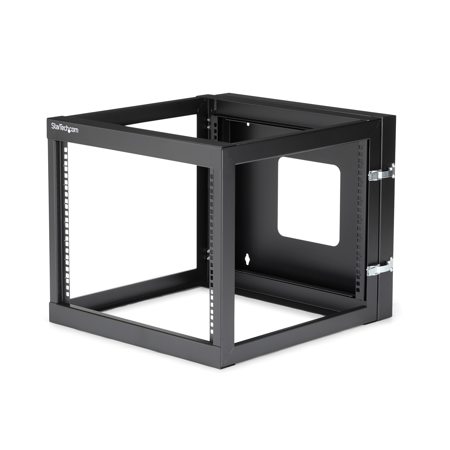
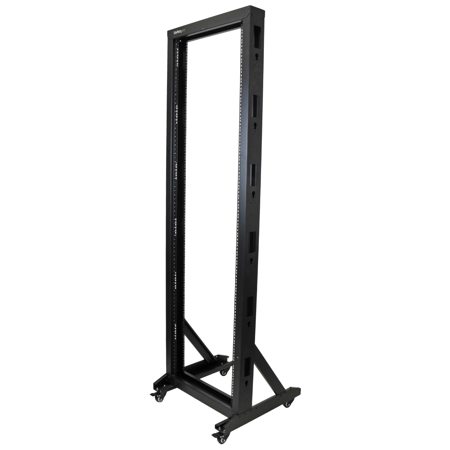
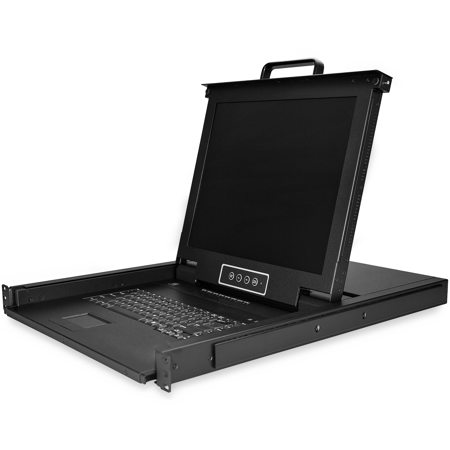
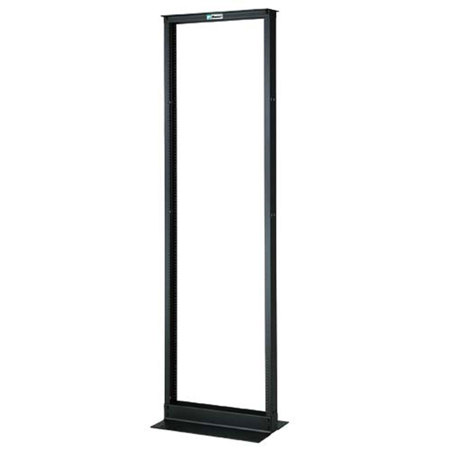
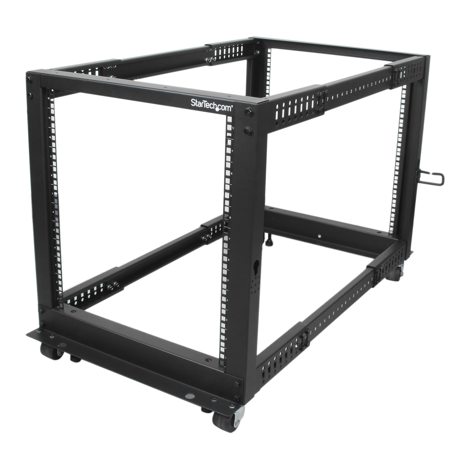
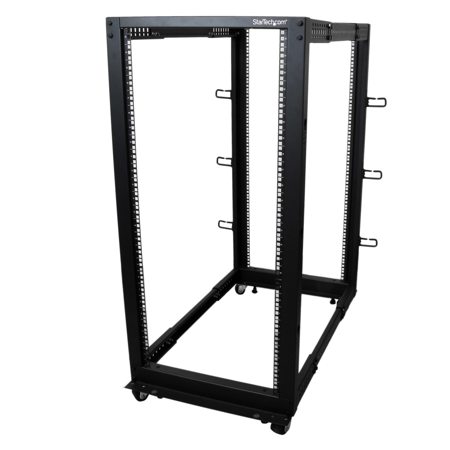
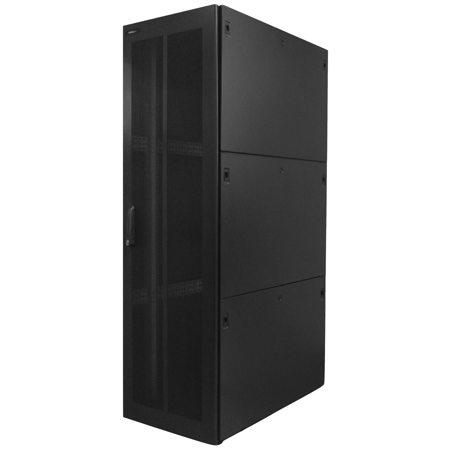
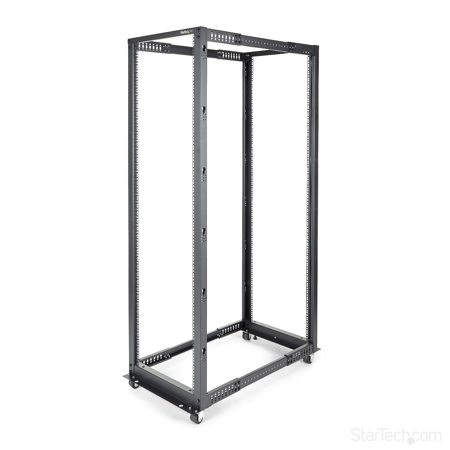
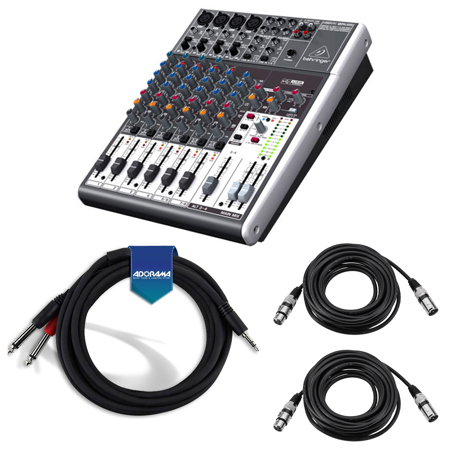
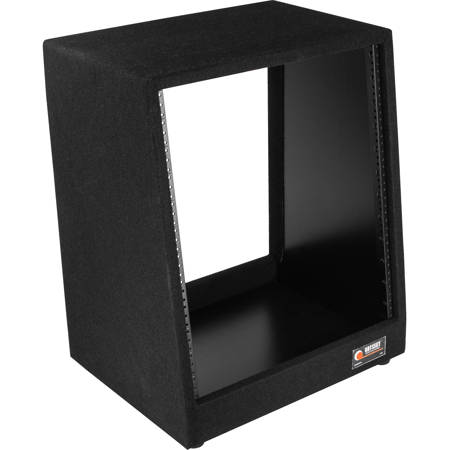
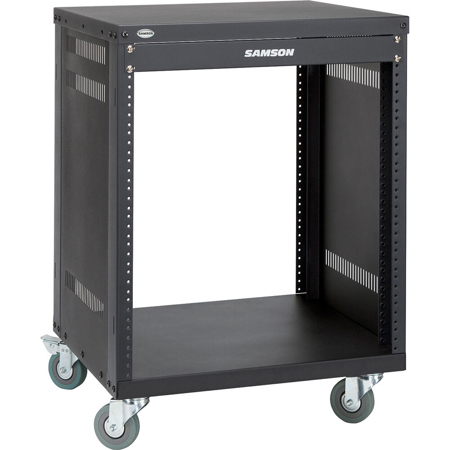
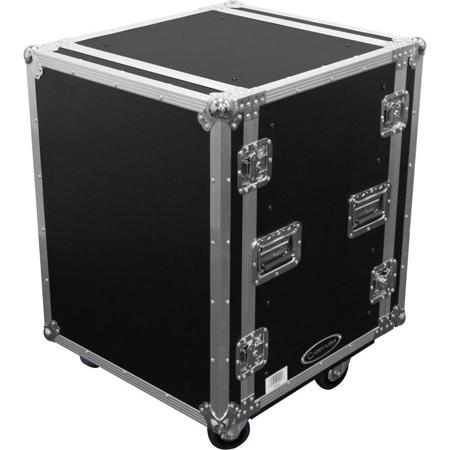
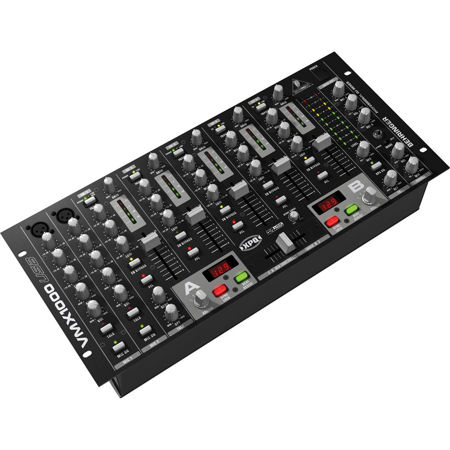
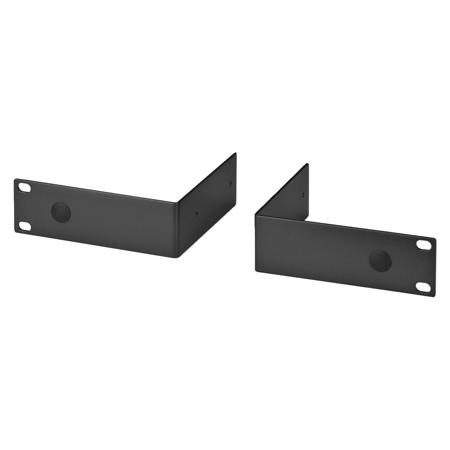
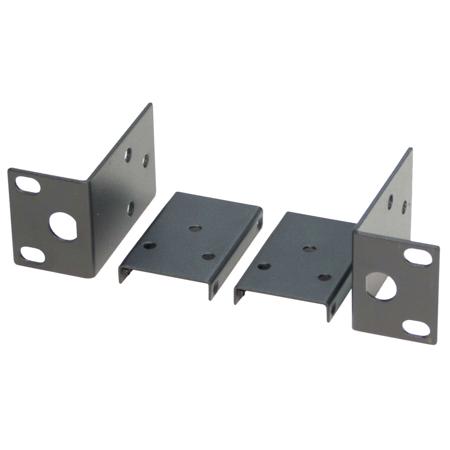
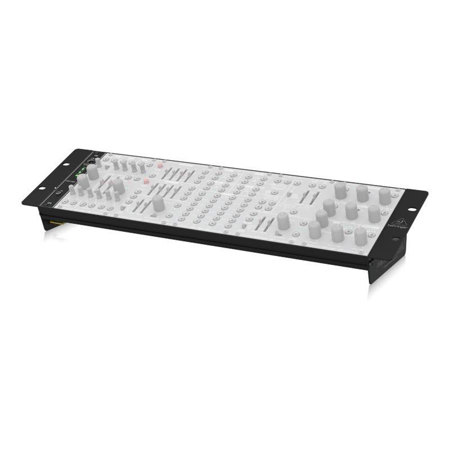
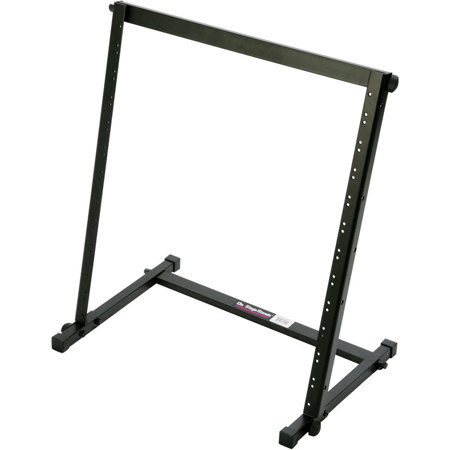
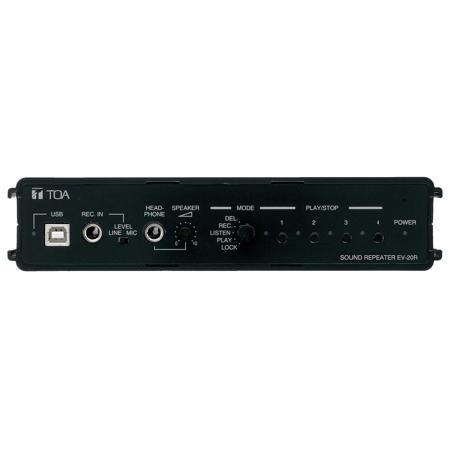
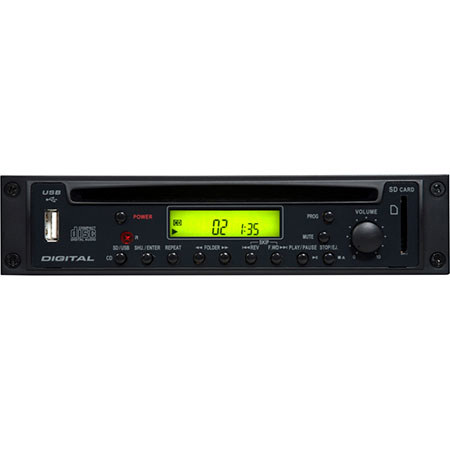
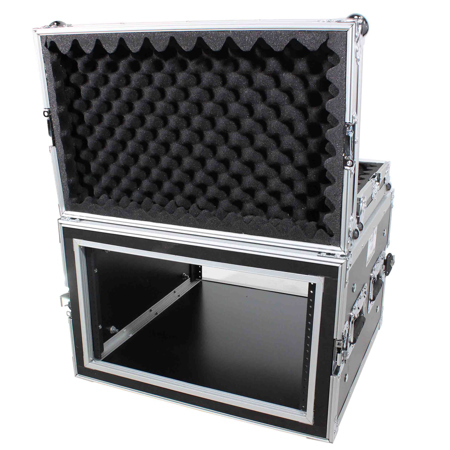
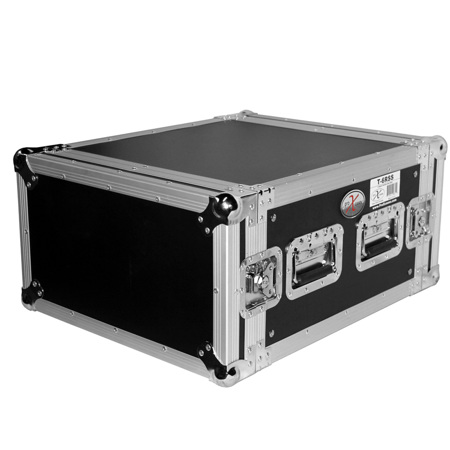
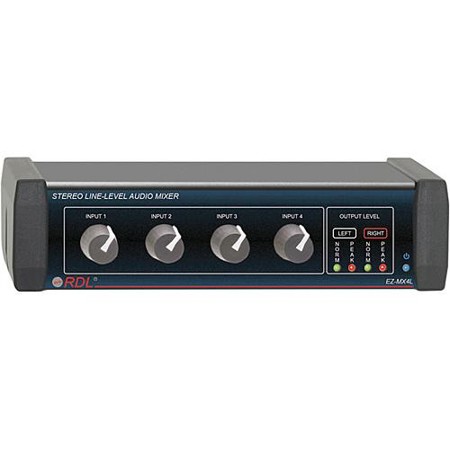
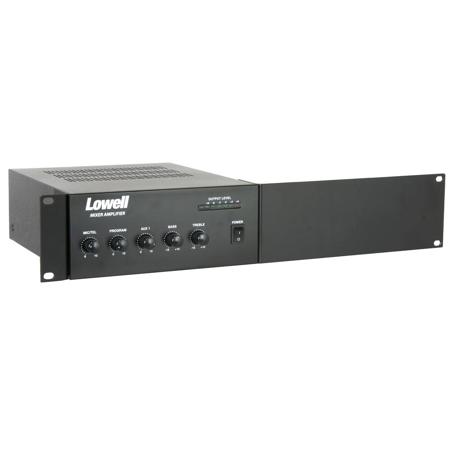
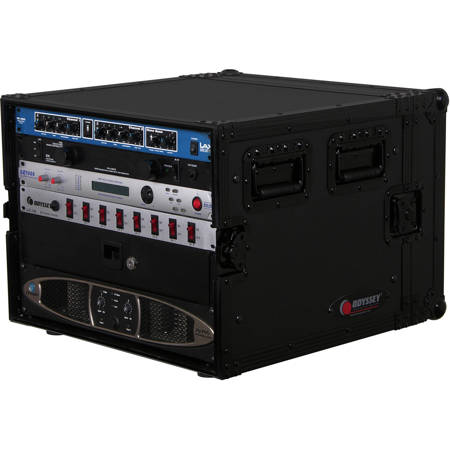
Rack mount audio equipment forms the backbone of professional sound environments, whether you’re assembling a recording studio, outfitting a live venue, or building a broadcast suite. These standardized 19-inch wide components—mixers, amplifiers, processors, interfaces, and rack mount audio monitors—are designed to fit securely into metal racks, which provide both a streamlined workspace and robust protection for your valuable gear. The racks themselves are measured in rack units (U), with each unit standing 1.75 inches tall, allowing you to plan and expand your setup with precision. Choosing the right rack involves more than just counting units; you’ll want to consider the depth to ensure there’s enough room for cabling and rear connectors, as well as ventilation to keep your electronics cool during extended sessions. For those who need to transport their systems between gigs or locations, lightweight rolling racks offer portability without sacrificing the durability and organization that stationary racks provide.
As the seasons transition from the warmth of summer into the cooler days of fall, many audio professionals find themselves moving between outdoor events, festival stages, and the controlled environments of studios and editing suites. Rack mount audio gear is essential for anyone who needs to maintain a tidy, efficient space—whether it’s a touring musician setting up side-stage, a sound engineer managing complex signal chains, or a content creator building a home studio with aspirations of professional sound quality. Even hobbyists and passionate audiophiles appreciate the modularity and protection offered by rack systems, especially as collections of gear grow over time. These setups are also thoughtful gifts for music producers, podcasters, or live sound technicians, supporting their craft with equipment that is as reliable as it is expandable. Features like built-in cable management, cooling vents, and lockable doors provide peace of mind, while the vertical orientation saves valuable floor and desk space, making it easier to focus on creativity and performance.
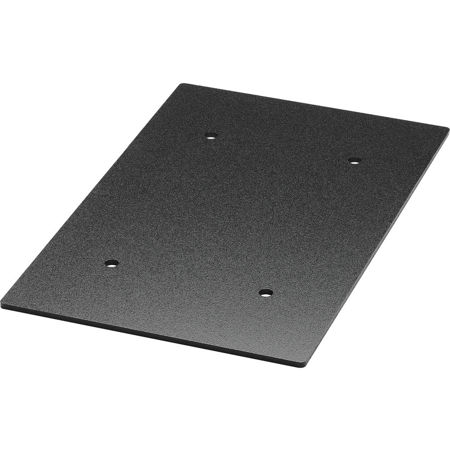
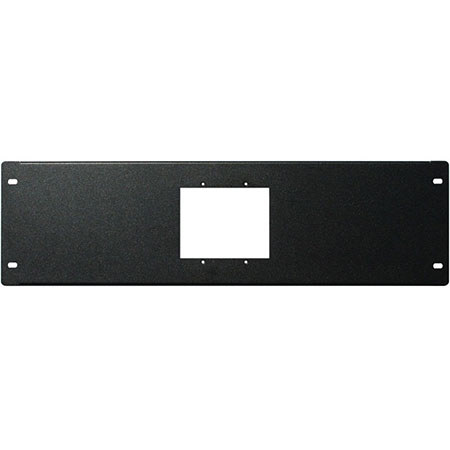
When planning your rack system, it’s wise to think ahead about future upgrades—leaving extra rack units open for new equipment, or opting for racks with adjustable rails and removable panels for flexibility. Accessories like rack shelves, drawers, and patch bays further enhance organization, ensuring every microphone preamp, effects processor, or rack mount audio monitor has its place. Whether you’re setting up for a busy season of outdoor shows or prepping your studio for a productive stretch indoors, investing in the right rack mount audio solutions can make all the difference in workflow and gear longevity. For those looking to explore even more ways to optimize their audio workspace, our selection of Rack Mount Consoles offers additional options for integrating control surfaces and mixing desks into your rack system, helping you create a setup that’s as functional as it is inspiring.
As the seasons transition from the warmth of summer into the cooler days of fall, many audio professionals find themselves moving between outdoor events, festival stages, and the controlled environments of studios and editing suites. Rack mount audio gear is essential for anyone who needs to maintain a tidy, efficient space—whether it’s a touring musician setting up side-stage, a sound engineer managing complex signal chains, or a content creator building a home studio with aspirations of professional sound quality. Even hobbyists and passionate audiophiles appreciate the modularity and protection offered by rack systems, especially as collections of gear grow over time. These setups are also thoughtful gifts for music producers, podcasters, or live sound technicians, supporting their craft with equipment that is as reliable as it is expandable. Features like built-in cable management, cooling vents, and lockable doors provide peace of mind, while the vertical orientation saves valuable floor and desk space, making it easier to focus on creativity and performance.
When planning your rack system, it’s wise to think ahead about future upgrades—leaving extra rack units open for new equipment, or opting for racks with adjustable rails and removable panels for flexibility. Accessories like rack shelves, drawers, and patch bays further enhance organization, ensuring every microphone preamp, effects processor, or rack mount audio monitor has its place. Whether you’re setting up for a busy season of outdoor shows or prepping your studio for a productive stretch indoors, investing in the right rack mount audio solutions can make all the difference in workflow and gear longevity. For those looking to explore even more ways to optimize their audio workspace, our selection of Rack Mount Consoles offers additional options for integrating control surfaces and mixing desks into your rack system, helping you create a setup that’s as functional as it is inspiring.