Rack Units
Rack units, often abbreviated as “U” or “RU,” are a foundational element in the organization and deployment of professional audio, video, and IT infrastructure. Each rack unit measures precisely 1.75 inches (44.45 mm) in height, a standard that originated from the Electronic Industries Association (EIA) to ensure consistent mounting and compatibility across a wide range of equipment. This standardization is invaluable for anyone building out a studio, data center, or live production rig, as it allows for seamless integration of servers, audio processors, power conditioners, patch panels, and more within a single rack frame. Whether you’re outfitting a compact home recording space or managing the backbone of a bustling broadcast facility, understanding and planning around U-space is essential. For example, a 1U device takes up just a sliver of vertical space, making it ideal for maximizing density in a crowded rack, while larger 4U or 8U components provide room for more complex circuitry, improved cooling, or additional controls. As the winter months bring new projects and fresh starts, many professionals take the opportunity to reassess their setups, considering upgrades or reconfigurations that take full advantage of their available rack real estate.
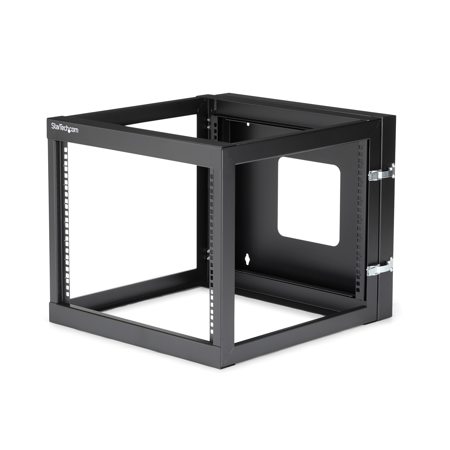
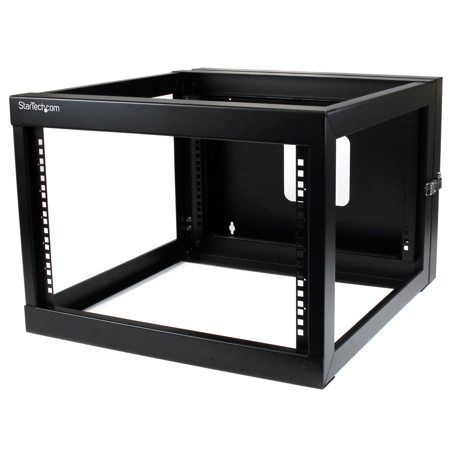
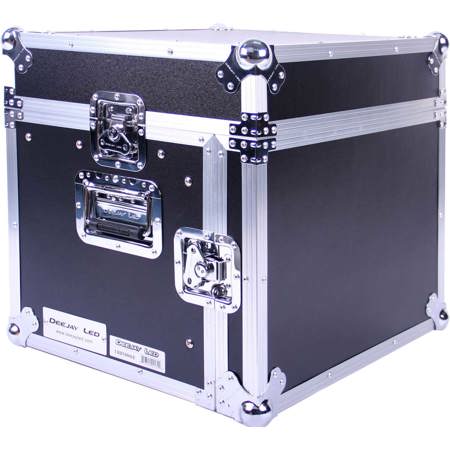
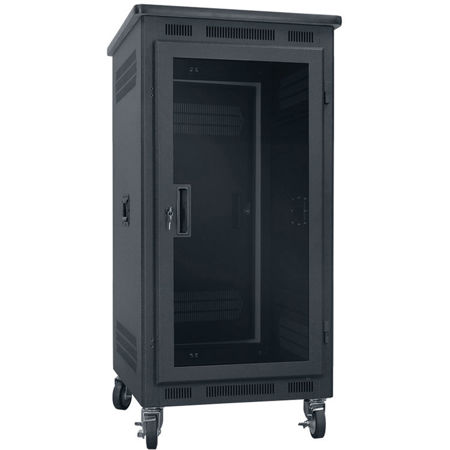
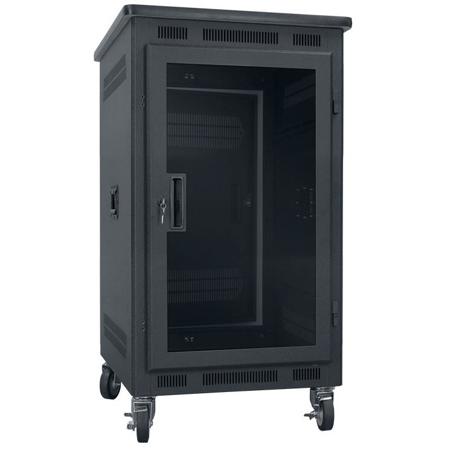
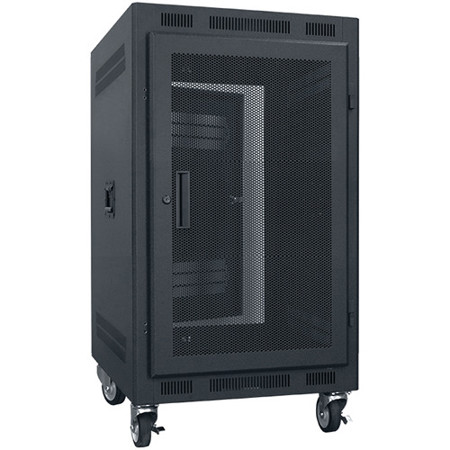
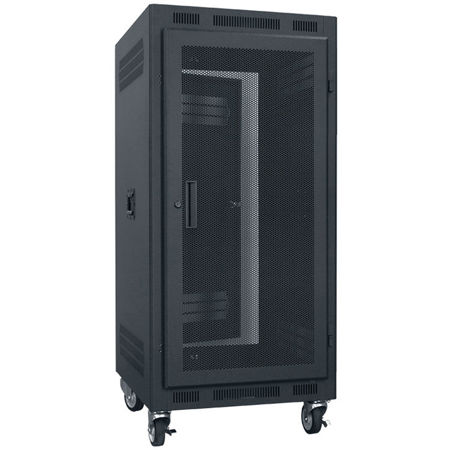
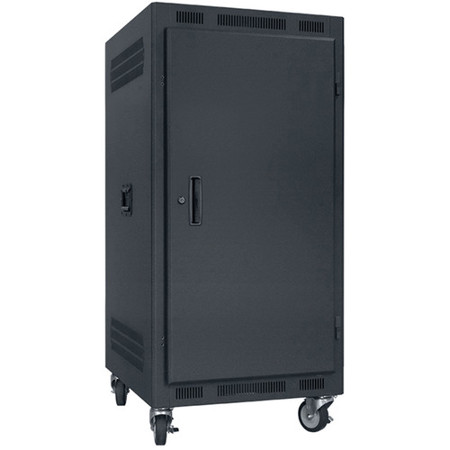
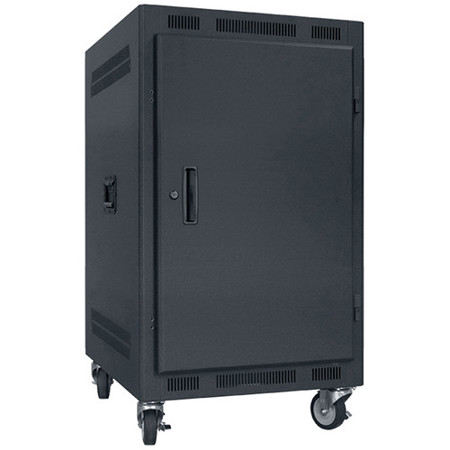
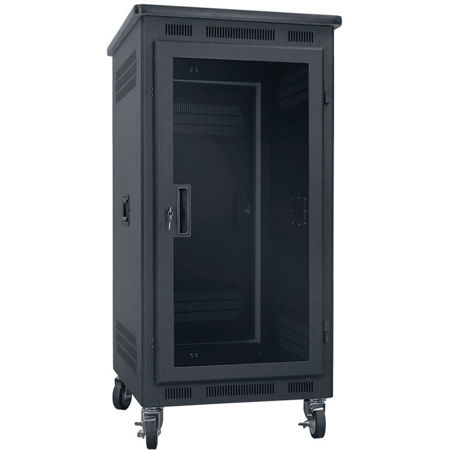
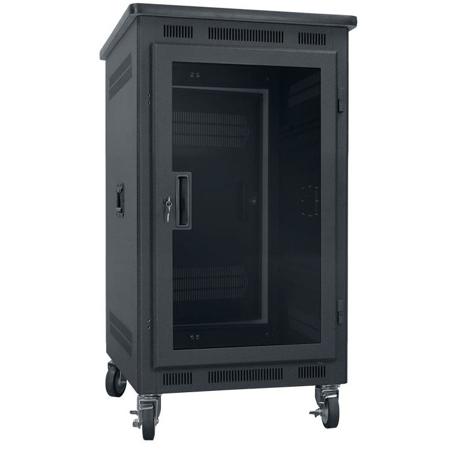
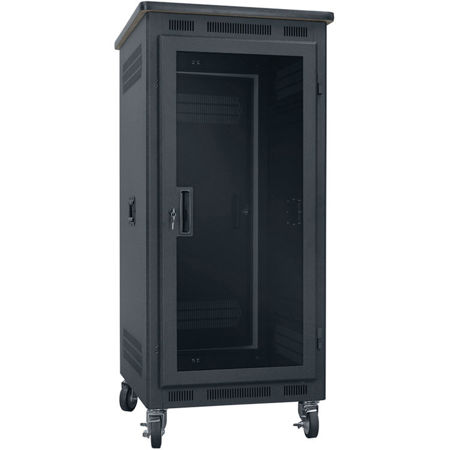
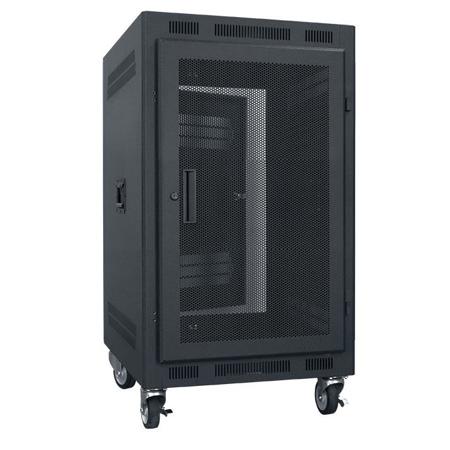
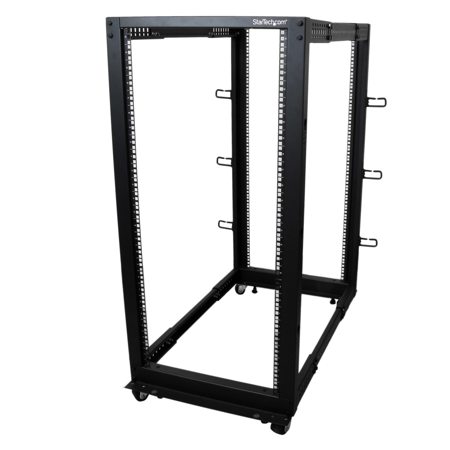
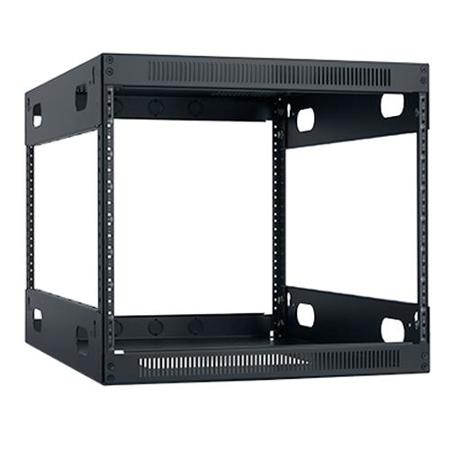
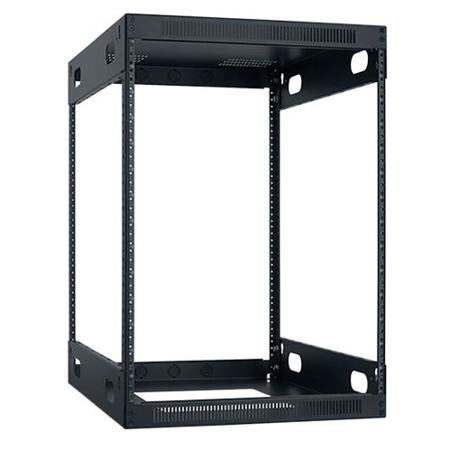
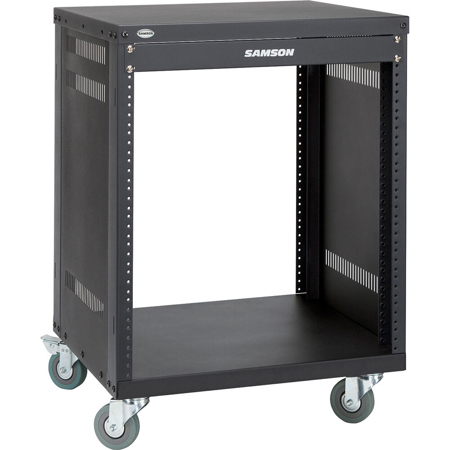
Selecting the right rack units involves careful consideration of both current and future needs. Audio engineers might prioritize low-noise power supplies and patch bays to keep signal paths clean and organized, while IT professionals may focus on redundancy, airflow, and cable management for mission-critical servers and network switches. The beauty of the rack system lies in its modularity—each piece of gear, measured in U-height, can be mixed and matched within standard 19-inch or 23-inch racks, allowing for tailored solutions that evolve as requirements change. For those expanding their setups, planning is key: adding a new 2U audio interface or a 4U server means ensuring there’s sufficient vertical space, adequate ventilation, and access to rear I/O. Many seasoned engineers recall the satisfaction of sliding a freshly unboxed unit into place, securing it with cage nuts and bolts, and seeing an organized, efficient system come together—a testament to the enduring utility of the rack unit standard. If you’re considering a mid-sized expansion, exploring options like 8U Racks can offer the perfect balance between capacity and compactness, fitting comfortably in both professional and home environments.
Rack-mounted equipment isn’t just for large-scale operations; it’s also a thoughtful gift for the tech-savvy enthusiast or creative professional in your life. Musicians, podcasters, and content creators often find rack units indispensable for keeping gear organized and accessible, especially when space is at a premium. With the new year underway, many are inspired to streamline their workflows, and a well-designed rack system can transform a cluttered workspace into an efficient, inspiring hub for creativity and productivity. The tactile experience of arranging and securing each component, labeling connections, and powering up a newly assembled rack is deeply satisfying—each click of the mounting hardware and glow of indicator lights signals readiness for the next big project. Whether you’re a seasoned systems integrator or a passionate hobbyist, investing in quality rack units and planning your layout with precision ensures that your gear is protected, accessible, and ready to deliver top performance, no matter what the season brings.
Selecting the right rack units involves careful consideration of both current and future needs. Audio engineers might prioritize low-noise power supplies and patch bays to keep signal paths clean and organized, while IT professionals may focus on redundancy, airflow, and cable management for mission-critical servers and network switches. The beauty of the rack system lies in its modularity—each piece of gear, measured in U-height, can be mixed and matched within standard 19-inch or 23-inch racks, allowing for tailored solutions that evolve as requirements change. For those expanding their setups, planning is key: adding a new 2U audio interface or a 4U server means ensuring there’s sufficient vertical space, adequate ventilation, and access to rear I/O. Many seasoned engineers recall the satisfaction of sliding a freshly unboxed unit into place, securing it with cage nuts and bolts, and seeing an organized, efficient system come together—a testament to the enduring utility of the rack unit standard. If you’re considering a mid-sized expansion, exploring options like 8U Racks can offer the perfect balance between capacity and compactness, fitting comfortably in both professional and home environments.
Rack-mounted equipment isn’t just for large-scale operations; it’s also a thoughtful gift for the tech-savvy enthusiast or creative professional in your life. Musicians, podcasters, and content creators often find rack units indispensable for keeping gear organized and accessible, especially when space is at a premium. With the new year underway, many are inspired to streamline their workflows, and a well-designed rack system can transform a cluttered workspace into an efficient, inspiring hub for creativity and productivity. The tactile experience of arranging and securing each component, labeling connections, and powering up a newly assembled rack is deeply satisfying—each click of the mounting hardware and glow of indicator lights signals readiness for the next big project. Whether you’re a seasoned systems integrator or a passionate hobbyist, investing in quality rack units and planning your layout with precision ensures that your gear is protected, accessible, and ready to deliver top performance, no matter what the season brings.