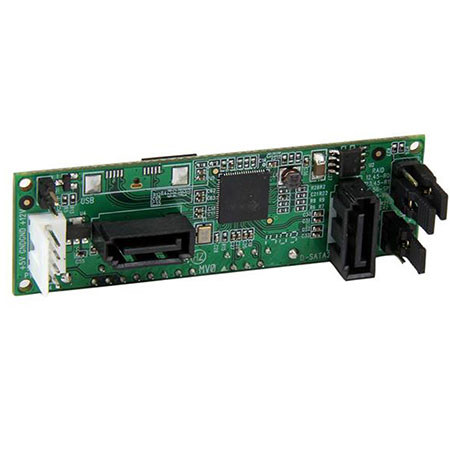
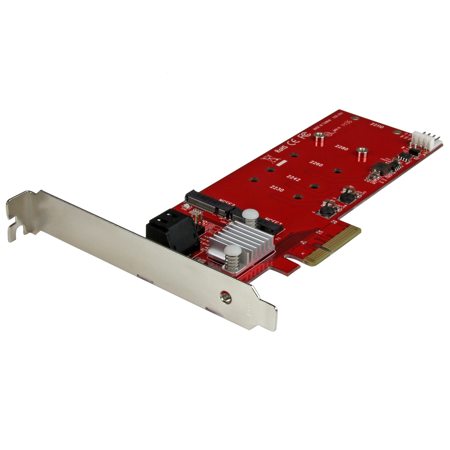
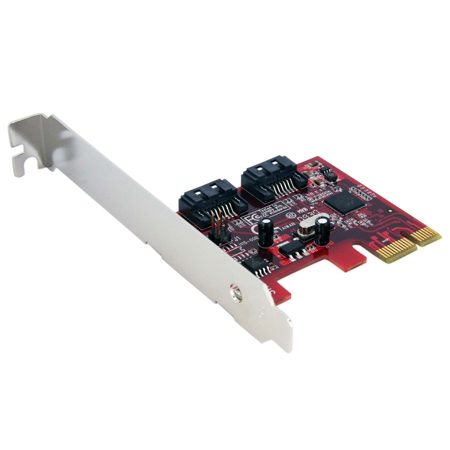
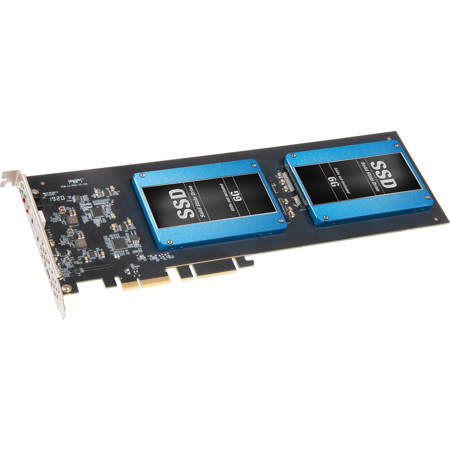
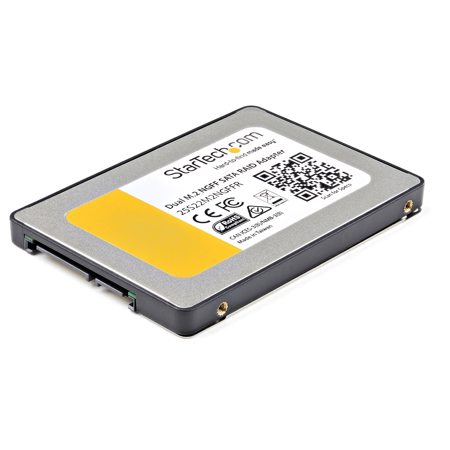
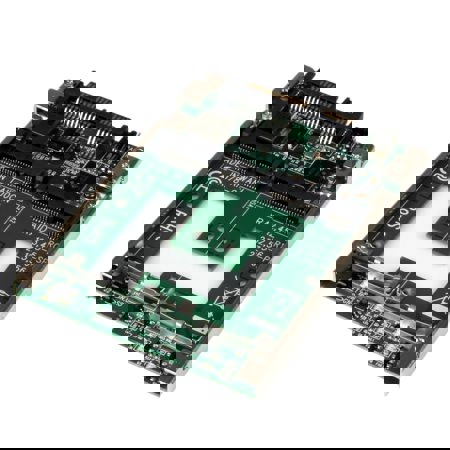
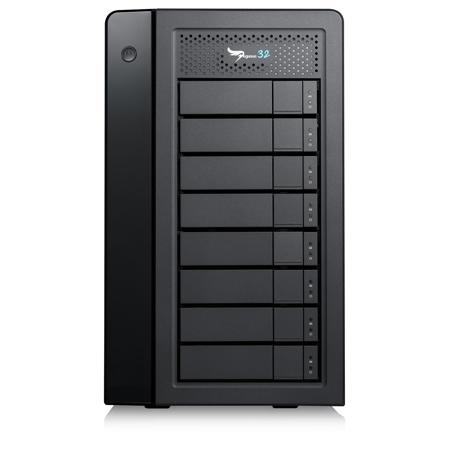
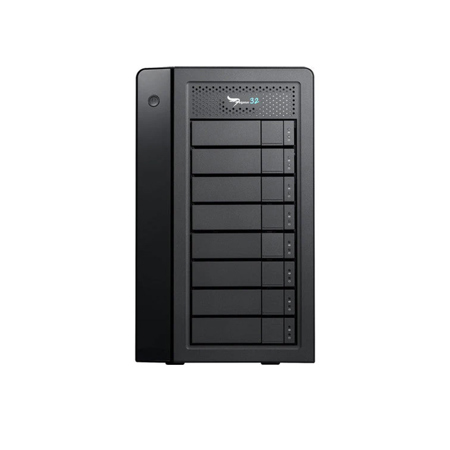

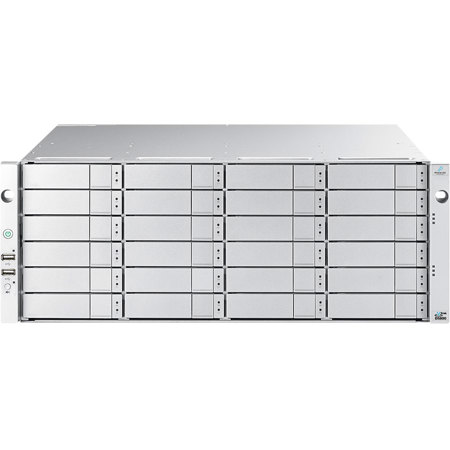
RAID storage controllers play a pivotal role in safeguarding valuable data and optimizing workflow efficiency for anyone who manages large volumes of digital content. Whether integrated as dedicated hardware cards or implemented via software solutions, RAID controllers are the unseen engines behind reliable storage arrays used in creative studios, small businesses, data centers, and even home labs. As the weather warms and projects ramp up—be it for summer film shoots, seasonal business surges, or prepping for the busier fall months—the stability and performance offered by RAID technology become especially important. Photographers, videographers, IT professionals, and content creators often rely on RAID controllers to ensure their work is not only fast to access but also protected against drive failures. For those building custom workstations or upgrading servers, a RAID controller can make the difference between seamless, uninterrupted productivity and costly downtime. Even hobbyists and tech enthusiasts assembling home NAS systems appreciate the peace of mind that comes with mirrored or parity-based redundancy, especially when archiving family photos, creative projects, or important documents.
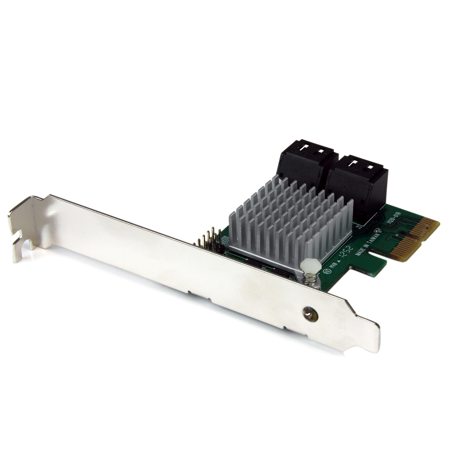
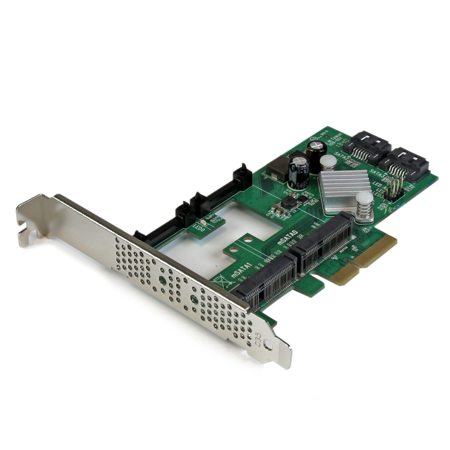
When considering a RAID storage controller, several factors come into play, each tailored to specific needs and environments. Hardware RAID controllers, often in the form of PCIe cards, feature their own processors and cache memory, offloading array management from the host CPU and delivering robust performance for demanding applications. These are ideal for professionals handling large-scale video editing, 3D rendering, or enterprise-level database management, where every second of uptime matters. Software RAID, managed by the operating system, offers a flexible and cost-effective solution for smaller setups or personal use, perfect for those who value simplicity and integration over raw speed. The choice of RAID level—ranging from RAID 0 for maximum throughput, RAID 1 for simple mirroring, RAID 5 for a balance of capacity and redundancy, to RAID 10 for both speed and high availability—should align with your priorities for data protection, performance, and storage efficiency. Features like hot-swapping, flash-backed cache, and mixed-mode operation add layers of convenience and safety, allowing users to replace failed drives without shutting down systems or to safeguard unwritten data during power interruptions. As technology advances and storage needs evolve, many professionals are also exploring modern solutions like SSD Storage Arrays for even greater speed and reliability, making it easier to keep up with the demands of high-resolution content and rapid data transfer.
RAID storage controllers also make thoughtful gifts for tech-savvy friends, family members diving into digital archiving, or colleagues upgrading their creative workstations. They’re especially appreciated by anyone who values the security of their digital assets, from the budding filmmaker storing raw footage to the IT manager overseeing business-critical databases. During the transition from summer’s creative bursts to the more structured routines of fall, investing in a reliable RAID solution can provide lasting benefits—ensuring that precious memories, important projects, and essential records remain safe and accessible. With the right RAID controller in place, users can focus on what matters most: creating, sharing, and storing their work with confidence, knowing their data is protected against the unexpected.
When considering a RAID storage controller, several factors come into play, each tailored to specific needs and environments. Hardware RAID controllers, often in the form of PCIe cards, feature their own processors and cache memory, offloading array management from the host CPU and delivering robust performance for demanding applications. These are ideal for professionals handling large-scale video editing, 3D rendering, or enterprise-level database management, where every second of uptime matters. Software RAID, managed by the operating system, offers a flexible and cost-effective solution for smaller setups or personal use, perfect for those who value simplicity and integration over raw speed. The choice of RAID level—ranging from RAID 0 for maximum throughput, RAID 1 for simple mirroring, RAID 5 for a balance of capacity and redundancy, to RAID 10 for both speed and high availability—should align with your priorities for data protection, performance, and storage efficiency. Features like hot-swapping, flash-backed cache, and mixed-mode operation add layers of convenience and safety, allowing users to replace failed drives without shutting down systems or to safeguard unwritten data during power interruptions. As technology advances and storage needs evolve, many professionals are also exploring modern solutions like SSD Storage Arrays for even greater speed and reliability, making it easier to keep up with the demands of high-resolution content and rapid data transfer.
RAID storage controllers also make thoughtful gifts for tech-savvy friends, family members diving into digital archiving, or colleagues upgrading their creative workstations. They’re especially appreciated by anyone who values the security of their digital assets, from the budding filmmaker storing raw footage to the IT manager overseeing business-critical databases. During the transition from summer’s creative bursts to the more structured routines of fall, investing in a reliable RAID solution can provide lasting benefits—ensuring that precious memories, important projects, and essential records remain safe and accessible. With the right RAID controller in place, users can focus on what matters most: creating, sharing, and storing their work with confidence, knowing their data is protected against the unexpected.