Rechargeable Batteries For Flashlights
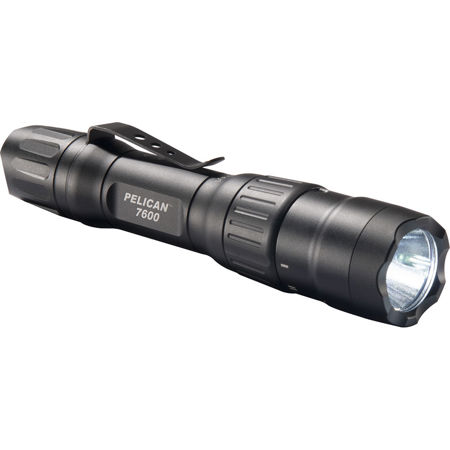
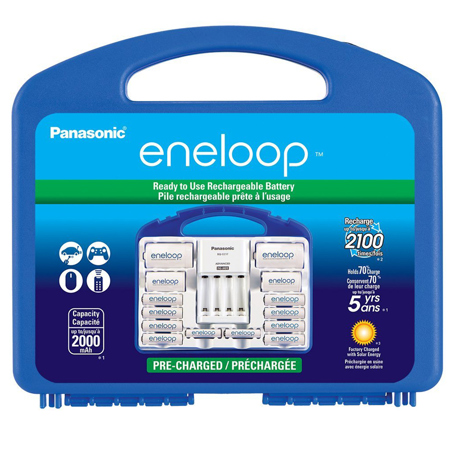
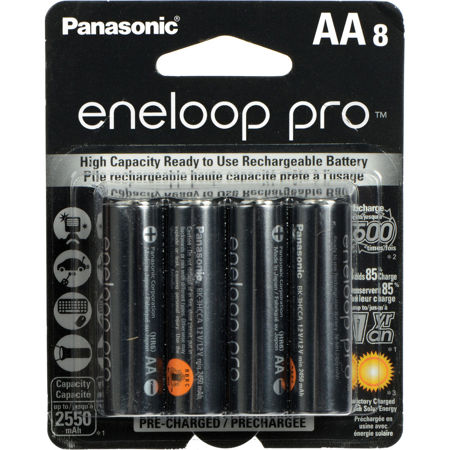
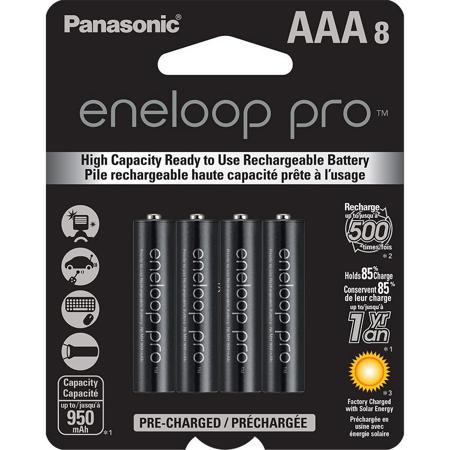
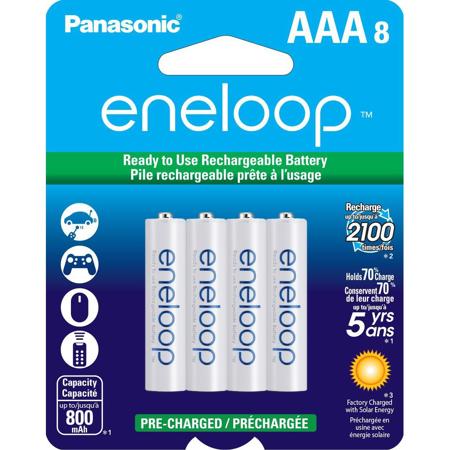
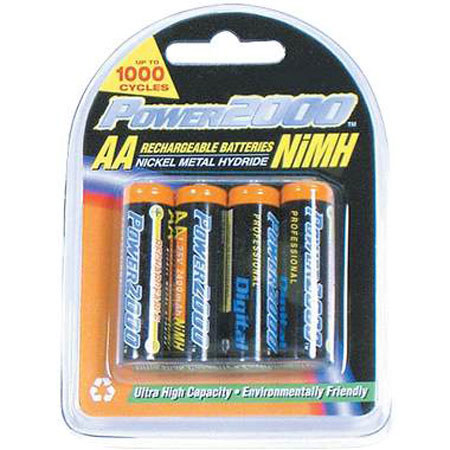
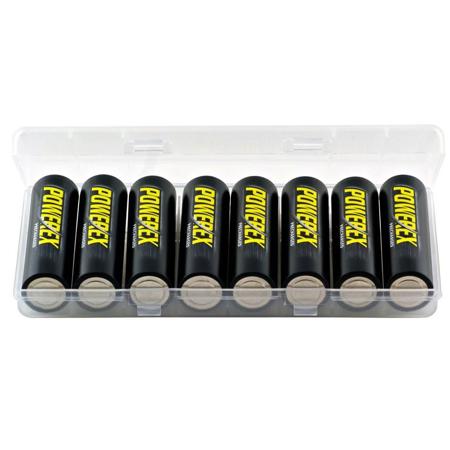
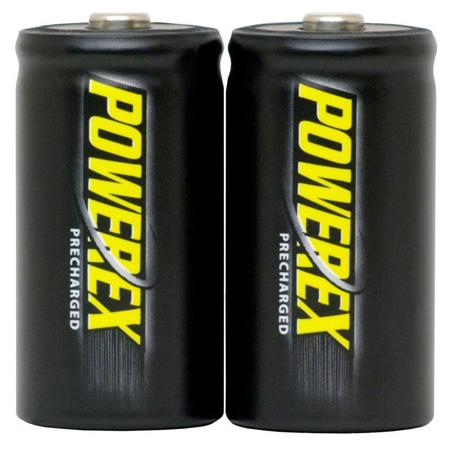
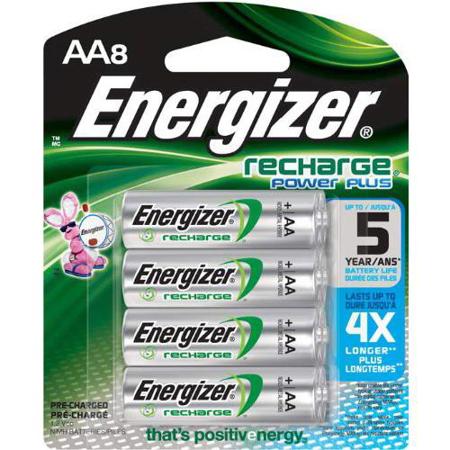
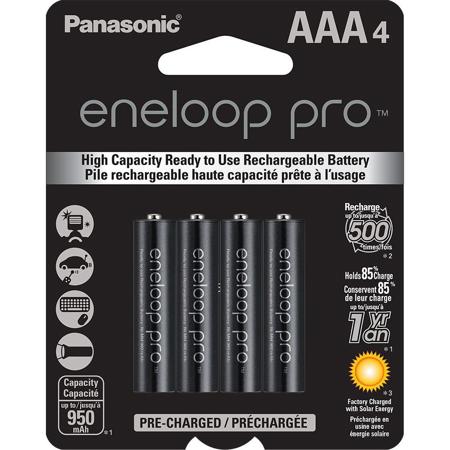
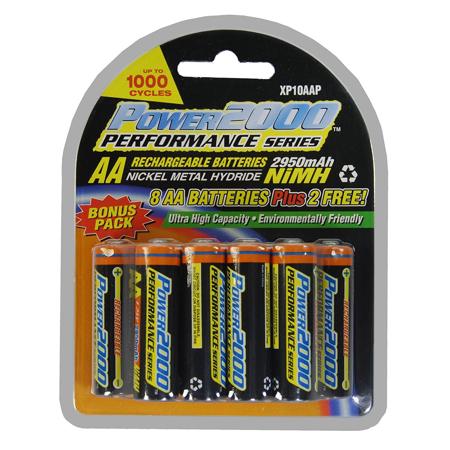
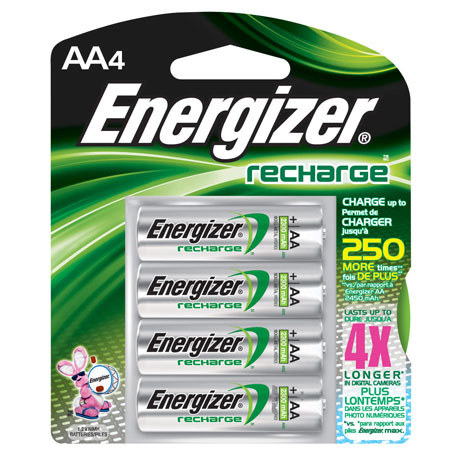
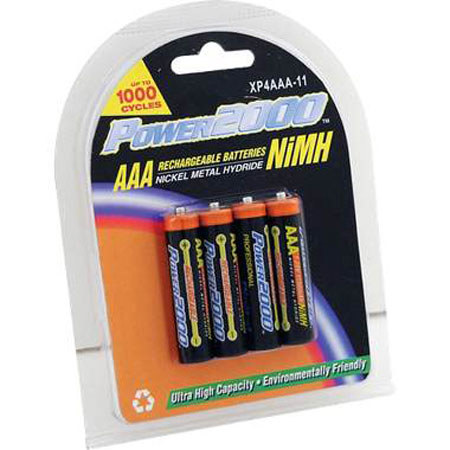
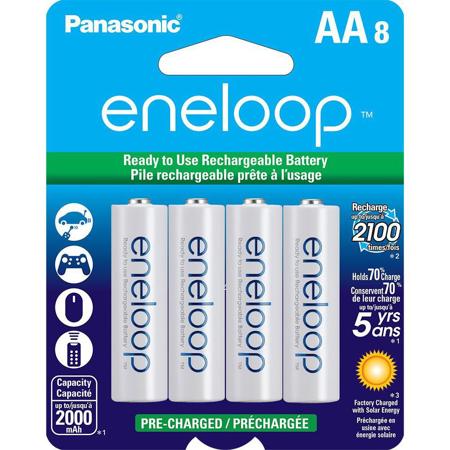
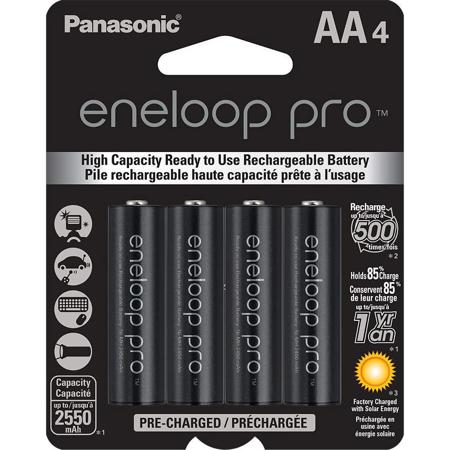
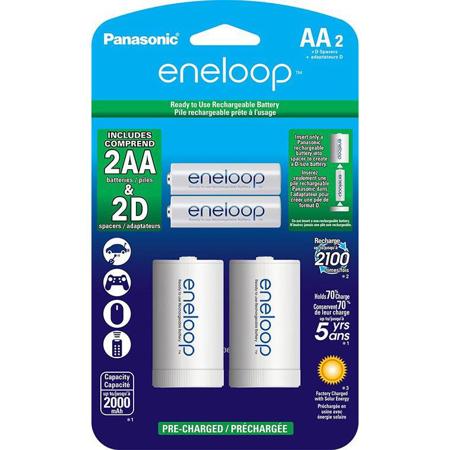
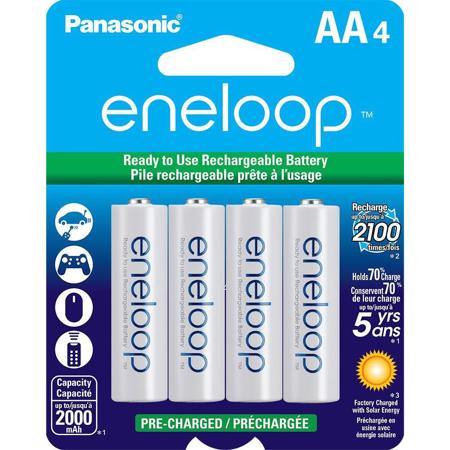
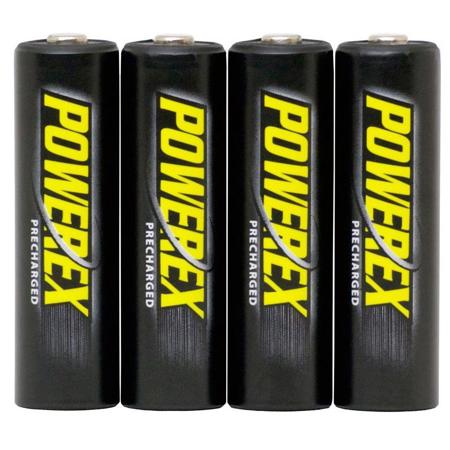
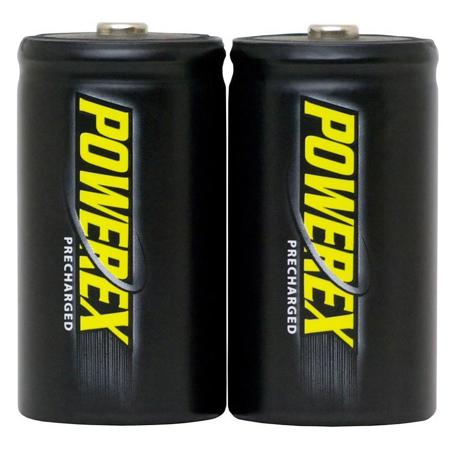
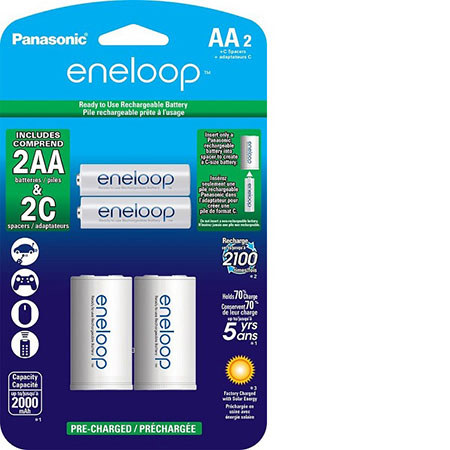
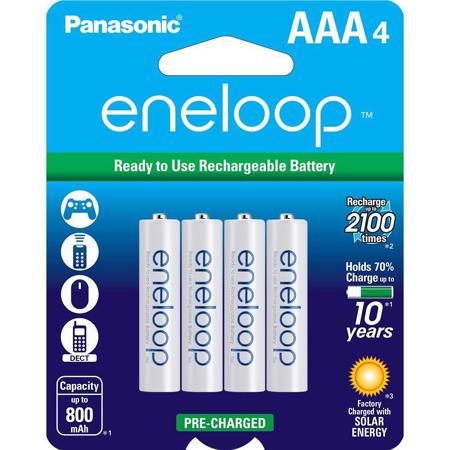
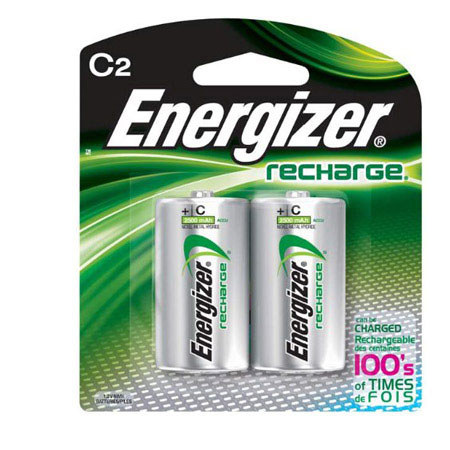
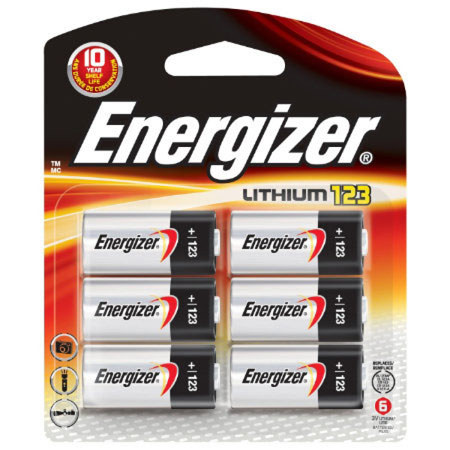
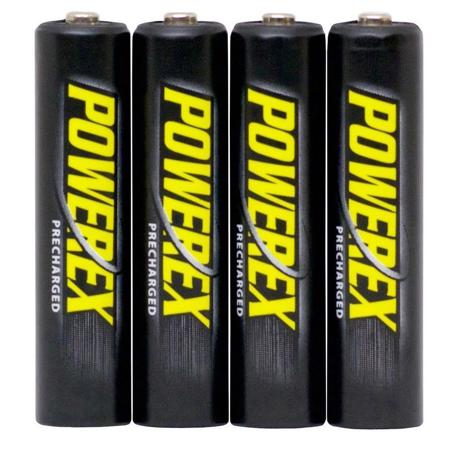
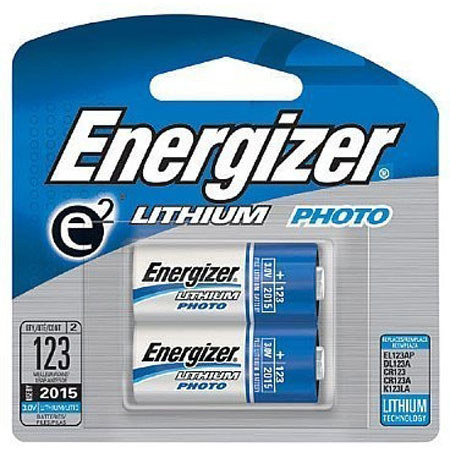
When selecting rechargeable batteries for flashlights, it’s important to understand the unique advantages they offer in terms of performance, reliability, and long-term value. Rechargeable batteries, particularly lithium-ion (Li-ion) and nickel-metal hydride (Ni-MH) varieties, have become the standard for both professional and enthusiast flashlight users who demand consistent brightness and dependable runtimes. Li-ion batteries, such as the popular 18650, 21700, 16340, and 14500 sizes, are prized for their high energy density and ability to sustain powerful output over extended periods—making them ideal for high-performance tactical flashlights, search and rescue gear, or even everyday carry lights that need to last through long winter evenings. Ni-MH batteries, on the other hand, are a trusted choice for those who want a rechargeable option in AA or AAA formats, offering a reliable and eco-friendly alternative for traditional flashlights. As February brings shorter days and colder nights, having a dependable power source is crucial for outdoor enthusiasts, commuters, and anyone who relies on their flashlight for safety or work. Whether you’re trekking through snow-covered trails, working late on construction sites, or simply ensuring your emergency kit is up to date, rechargeable batteries provide the peace of mind that your light will be ready when you need it most.
When shopping for rechargeable batteries for your flashlight, several key factors can help you make the best choice for your needs. Capacity, measured in milliamp hours (mAh), directly influences how long your flashlight will run between charges—a higher mAh rating means longer runtime, which is especially valuable during extended outdoor adventures or power outages. Voltage compatibility is also essential; always match the battery’s voltage to your flashlight’s requirements to ensure optimal performance and safety. Many modern Li-ion batteries come with built-in protection circuits that guard against overcharging, overheating, and short-circuiting, making them safer and more reliable for everyday use. Some models even feature integrated USB-C or micro-USB charging ports, allowing you to recharge directly from a power bank or wall adapter without the need for a separate charger—an invaluable convenience when you’re traveling or working in the field. For those who are gifting flashlights or rechargeable batteries, these features make them an excellent present for hikers, campers, DIYers, or anyone who values preparedness and sustainability. The thoughtful addition of rechargeable batteries can transform a simple flashlight into a long-lasting, eco-conscious tool that’s ready for any situation.
It’s also worth considering the physical design of the battery—button top versus flat top—as some flashlights require a specific type for proper contact and fit. Always refer to your flashlight manufacturer’s recommendations to ensure compatibility. While rechargeable batteries are a smart investment for most modern flashlights, there are scenarios where traditional options might still be preferred, such as in low-drain devices or for long-term emergency storage. If you’re interested in exploring these alternatives, you can find more information on Alkaline Batteries for Flashlights. Ultimately, the right rechargeable battery can enhance your flashlight’s performance, reduce waste, and save money over time. Whether you’re lighting up dark winter mornings, navigating after-hours adventures, or preparing for unexpected outages, choosing the right rechargeable batteries ensures your flashlight is always ready to shine.
When shopping for rechargeable batteries for your flashlight, several key factors can help you make the best choice for your needs. Capacity, measured in milliamp hours (mAh), directly influences how long your flashlight will run between charges—a higher mAh rating means longer runtime, which is especially valuable during extended outdoor adventures or power outages. Voltage compatibility is also essential; always match the battery’s voltage to your flashlight’s requirements to ensure optimal performance and safety. Many modern Li-ion batteries come with built-in protection circuits that guard against overcharging, overheating, and short-circuiting, making them safer and more reliable for everyday use. Some models even feature integrated USB-C or micro-USB charging ports, allowing you to recharge directly from a power bank or wall adapter without the need for a separate charger—an invaluable convenience when you’re traveling or working in the field. For those who are gifting flashlights or rechargeable batteries, these features make them an excellent present for hikers, campers, DIYers, or anyone who values preparedness and sustainability. The thoughtful addition of rechargeable batteries can transform a simple flashlight into a long-lasting, eco-conscious tool that’s ready for any situation.
It’s also worth considering the physical design of the battery—button top versus flat top—as some flashlights require a specific type for proper contact and fit. Always refer to your flashlight manufacturer’s recommendations to ensure compatibility. While rechargeable batteries are a smart investment for most modern flashlights, there are scenarios where traditional options might still be preferred, such as in low-drain devices or for long-term emergency storage. If you’re interested in exploring these alternatives, you can find more information on Alkaline Batteries for Flashlights. Ultimately, the right rechargeable battery can enhance your flashlight’s performance, reduce waste, and save money over time. Whether you’re lighting up dark winter mornings, navigating after-hours adventures, or preparing for unexpected outages, choosing the right rechargeable batteries ensures your flashlight is always ready to shine.