
Recording Formats
In the world of digital content creation, choosing the right recording formats is essential for achieving the best results, whether you’re capturing audio, video, or both. Recording formats determine how your data is encoded, compressed, and stored, affecting everything from image and sound quality to file size and editing flexibility. For videographers, filmmakers, and content creators, understanding the interplay between codecs—such as H.264, ProRes, or RAW—and containers like MP4 or MOV can make the difference between a streamlined workflow and hours spent troubleshooting compatibility issues. For example, MP4 is celebrated for its universal compatibility and efficiency, making it a go-to choice for web streaming, mobile playback, and sharing on platforms like YouTube. Meanwhile, MOV containers, often paired with Apple’s ProRes codec, are favored in professional editing environments for their ability to preserve image fidelity and support high-bitrate footage. RAW video formats, while demanding in terms of storage and processing power, offer unparalleled control in post-production—a crucial factor for cinematographers and colorists who want to extract every nuance from their footage.
Audio professionals face similar considerations. Studio engineers and musicians often gravitate toward uncompressed WAV files, which deliver pristine sound quality but require ample storage space—ideal for archiving master tracks or producing high-fidelity albums. On the other hand, compressed formats like MP3 and FLAC strike a balance between quality and convenience, making them suitable for sharing mixes, podcasts, or field recordings without sacrificing too much detail. FLAC, as a lossless format, is especially popular among audiophiles and archivists seeking to preserve the integrity of original recordings while managing file sizes. During the warmer months, when outdoor events, concerts, and on-location shoots are in full swing, having the right recording formats at your disposal ensures that every sonic or visual moment is captured with clarity and precision. Whether you’re documenting a summer wedding, recording live music at a festival, or filming a travel vlog, the choice of format can impact everything from battery life to upload speeds and editing options back in the studio.
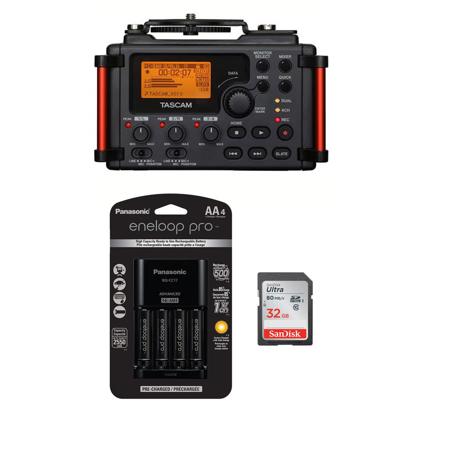
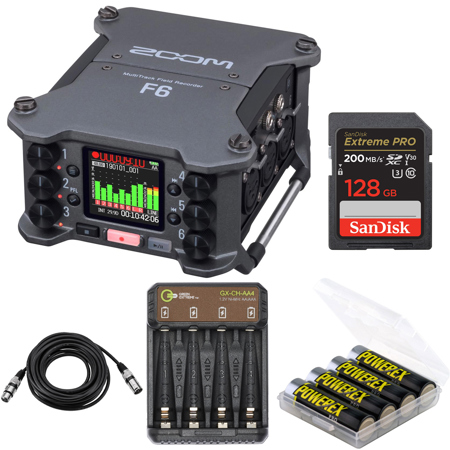
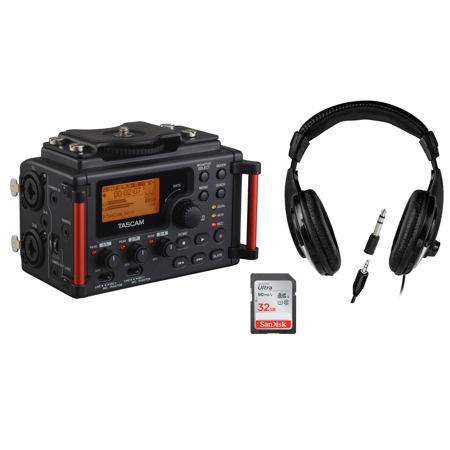
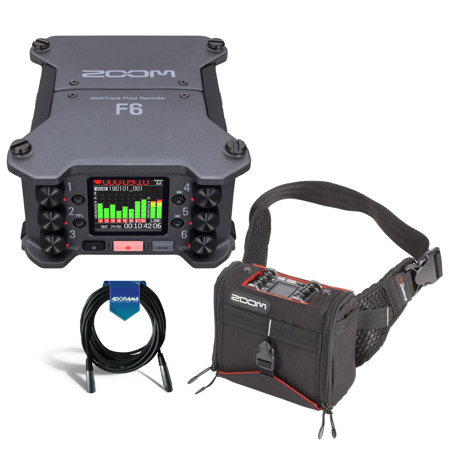
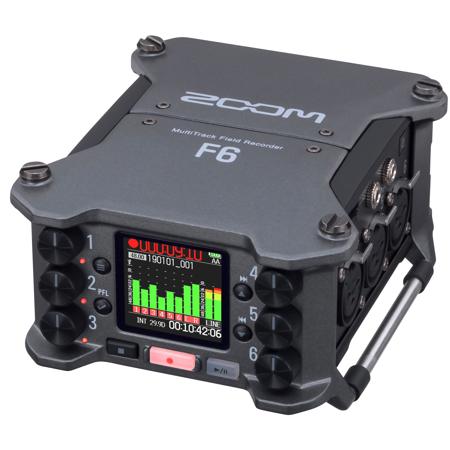
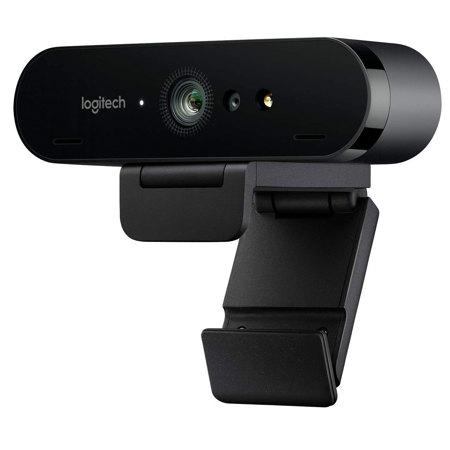
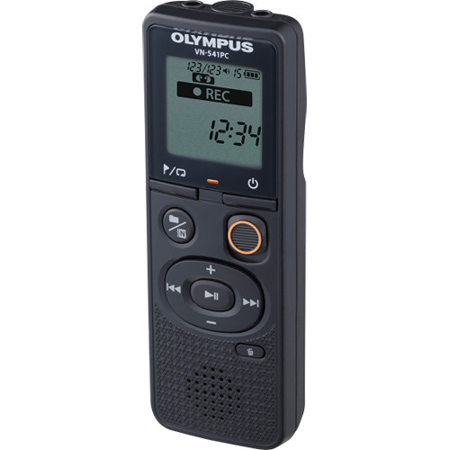
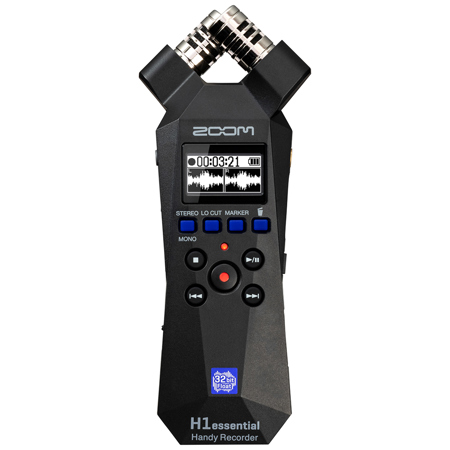
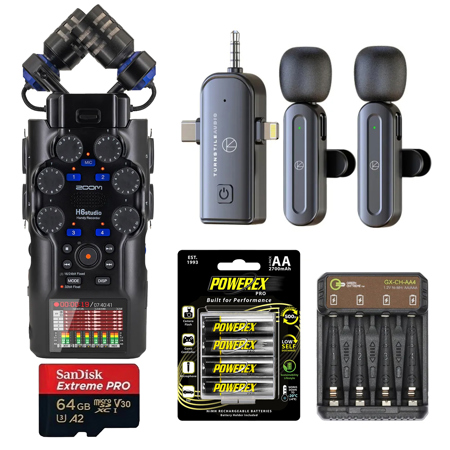
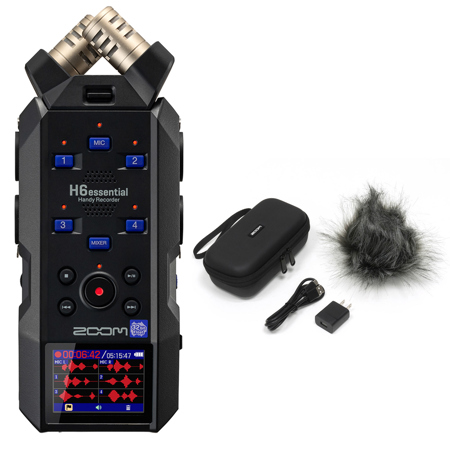
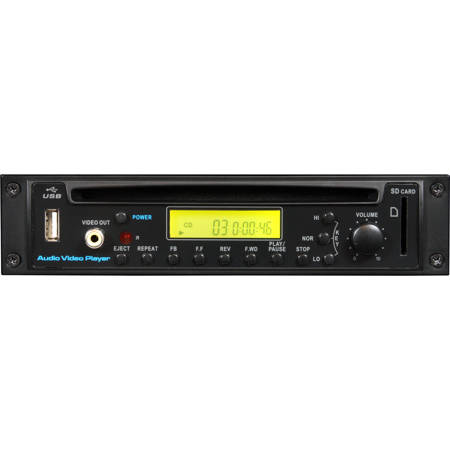
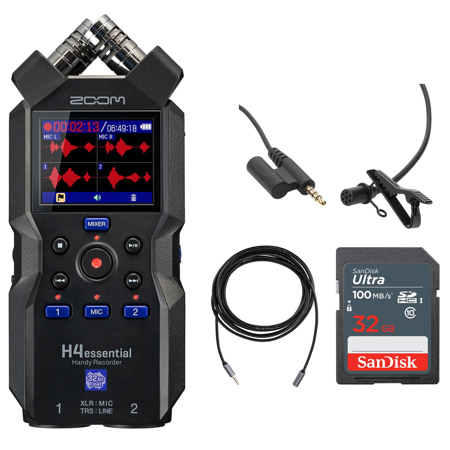
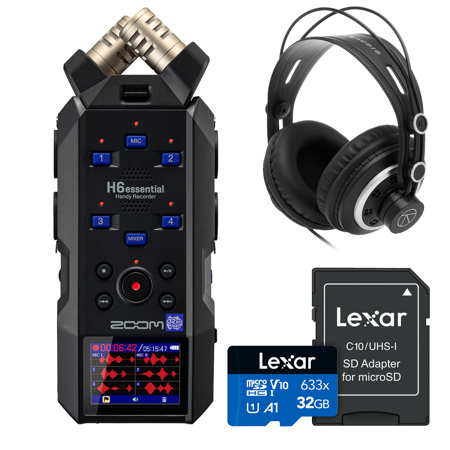
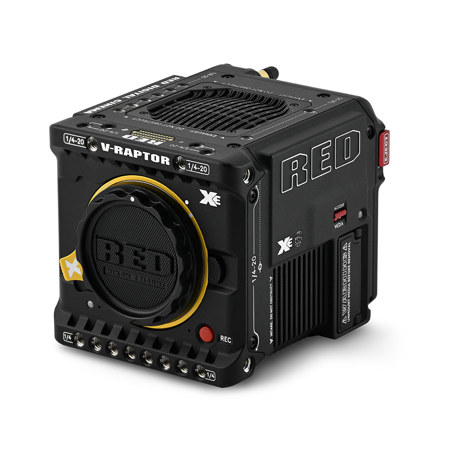
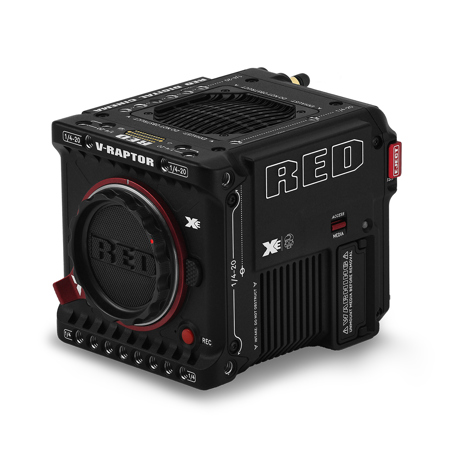
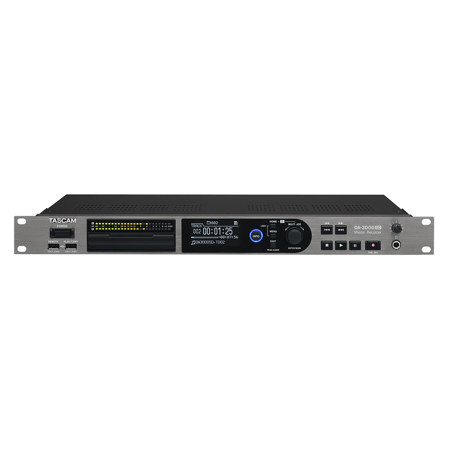
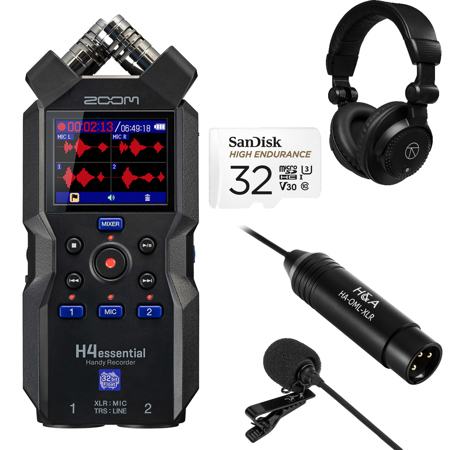
For those shopping for creative gifts, recording formats are a thoughtful consideration—especially for students, hobbyists, and aspiring creators gearing up for new projects as the school year approaches or as fall brings fresh opportunities for storytelling. A portable audio recorder that supports multiple formats, for example, makes a practical gift for a journalism student, podcast enthusiast, or musician. Similarly, a video camera with versatile format options can empower a filmmaker to experiment with different looks and workflows. As technology evolves, staying informed about the latest advancements in codecs and containers can help you future-proof your investments and make the most of your creative endeavors. For anyone looking to explore or upgrade their recording toolkit, our curated selection of recommended products is designed to accommodate a wide range of needs and ambitions. To dive deeper into the variety of devices supporting these formats, visit our dedicated page for Digital Recording Devices and discover tools that match your workflow, whether you’re capturing the sounds of summer or producing cinematic visuals as the seasons change.
Audio professionals face similar considerations. Studio engineers and musicians often gravitate toward uncompressed WAV files, which deliver pristine sound quality but require ample storage space—ideal for archiving master tracks or producing high-fidelity albums. On the other hand, compressed formats like MP3 and FLAC strike a balance between quality and convenience, making them suitable for sharing mixes, podcasts, or field recordings without sacrificing too much detail. FLAC, as a lossless format, is especially popular among audiophiles and archivists seeking to preserve the integrity of original recordings while managing file sizes. During the warmer months, when outdoor events, concerts, and on-location shoots are in full swing, having the right recording formats at your disposal ensures that every sonic or visual moment is captured with clarity and precision. Whether you’re documenting a summer wedding, recording live music at a festival, or filming a travel vlog, the choice of format can impact everything from battery life to upload speeds and editing options back in the studio.
For those shopping for creative gifts, recording formats are a thoughtful consideration—especially for students, hobbyists, and aspiring creators gearing up for new projects as the school year approaches or as fall brings fresh opportunities for storytelling. A portable audio recorder that supports multiple formats, for example, makes a practical gift for a journalism student, podcast enthusiast, or musician. Similarly, a video camera with versatile format options can empower a filmmaker to experiment with different looks and workflows. As technology evolves, staying informed about the latest advancements in codecs and containers can help you future-proof your investments and make the most of your creative endeavors. For anyone looking to explore or upgrade their recording toolkit, our curated selection of recommended products is designed to accommodate a wide range of needs and ambitions. To dive deeper into the variety of devices supporting these formats, visit our dedicated page for Digital Recording Devices and discover tools that match your workflow, whether you’re capturing the sounds of summer or producing cinematic visuals as the seasons change.