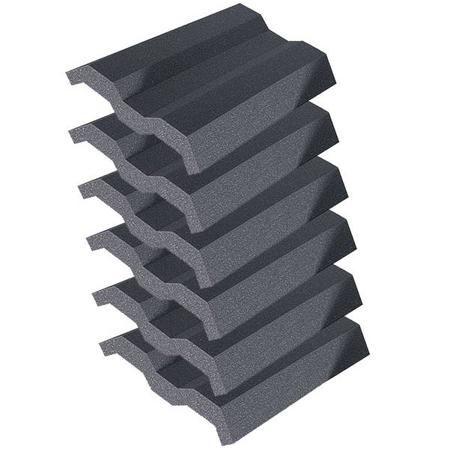
Recording Studio Ceiling Tiles
Creating the right acoustic environment is essential for any recording studio, whether it’s a professional facility, a home setup, or a podcasting space tucked into a corner of your apartment. The studio ceiling is one of the most overlooked surfaces when it comes to acoustic treatment, yet it plays a critical role in shaping the sound of a room. Ceiling tiles designed for recording studios are engineered to absorb sound waves, reduce unwanted reverberation, and minimize flutter echoes that can muddy recordings or make mixing a challenge. As the weather warms and creative projects ramp up, musicians, podcasters, and content creators often find themselves spending long hours indoors, perfecting their craft. The right ceiling tiles can make those sessions more productive and enjoyable by providing a clear, controlled listening environment. Whether you’re building out a new space or upgrading an existing one, investing in quality studio ceiling tiles is one of the most effective ways to enhance both the acoustic performance and the overall comfort of your studio.
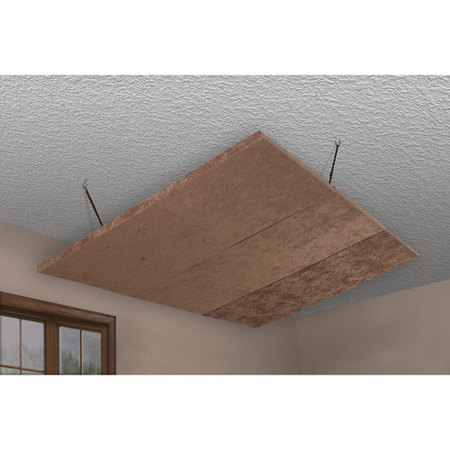
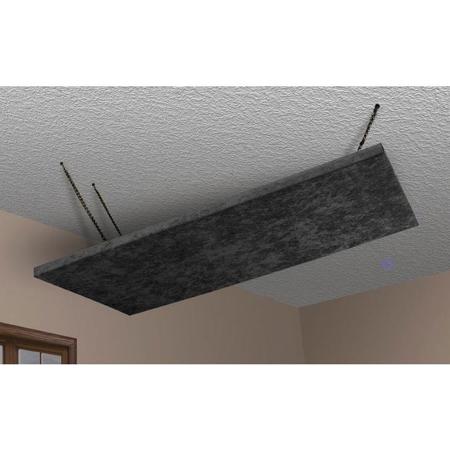
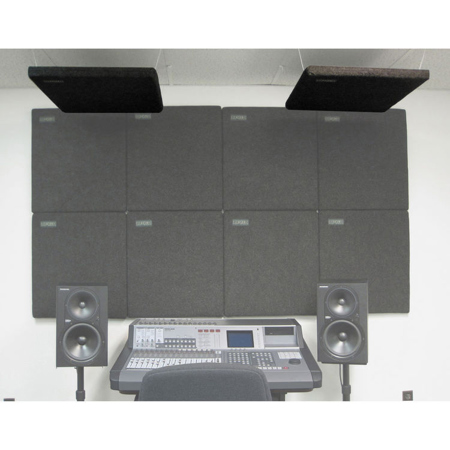
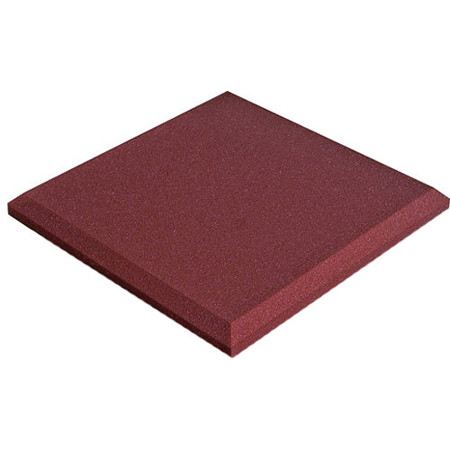
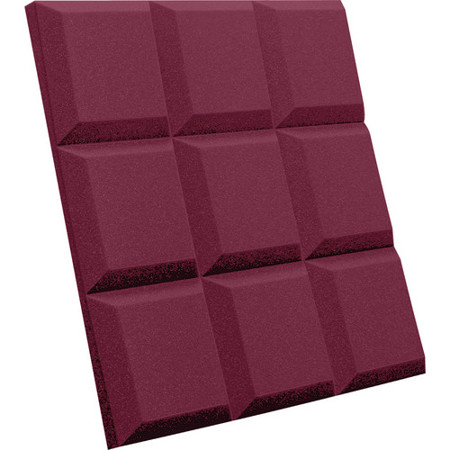
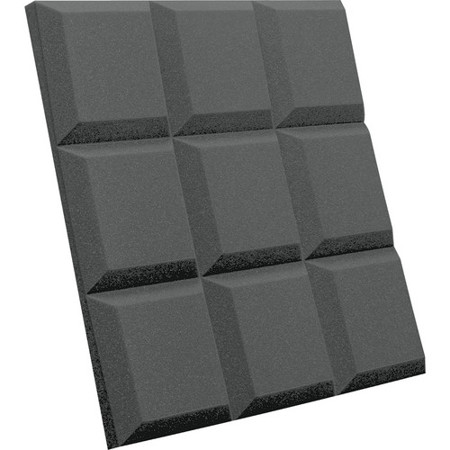
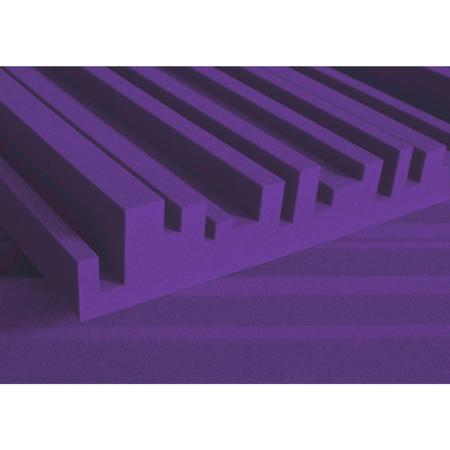
When choosing ceiling tiles for your recording space, there are several important factors to consider. Acoustic performance should be at the top of the list—look for tiles with a high Noise Reduction Coefficient (NRC), ideally between 0.85 and 1.0, to ensure maximum absorption of sound across a range of frequencies. Thickness and material composition also matter; professional-grade tiles are typically made from dense materials like fiberglass or mineral wool and range from 1.5 to 4 inches thick. These materials do a much better job at taming not just high frequencies but also the more problematic low-end resonances that can build up in a typical room. Installation methods vary as well, with options for both drop-in tiles that fit into an existing ceiling grid and direct-mount or flush-mount tiles that adhere directly to drywall or other hard surfaces. Some studio owners opt for “acoustic clouds”—suspended panels that create an air gap above the tile, increasing low-frequency absorption and giving the room a visually striking, professional look. For those who enjoy a hands-on approach, DIY solutions are also popular: building custom ceiling clouds with a wood frame, rigid insulation, and acoustically transparent fabric can be a rewarding project and an affordable way to tailor your setup to your exact needs.
Studio ceiling tiles aren’t just for seasoned engineers or commercial studios. They make a thoughtful gift for anyone passionate about audio, from aspiring musicians recording their first EP to educators creating a quiet classroom for remote learning. As the cooler months approach and more time is spent indoors, upgrading your studio’s acoustic treatment can be a timely project that pays off in improved sound quality and a more inviting creative space. Whether you’re outfitting a vocal booth, a control room, or a multi-purpose media suite, the right ceiling treatment helps ensure every note, word, and beat is captured with clarity. If you’re interested in exploring a wider range of options designed to enhance your recording environment, be sure to visit our curated collection of Noise Reducing Ceiling Tiles for more inspiration and expert solutions.
When choosing ceiling tiles for your recording space, there are several important factors to consider. Acoustic performance should be at the top of the list—look for tiles with a high Noise Reduction Coefficient (NRC), ideally between 0.85 and 1.0, to ensure maximum absorption of sound across a range of frequencies. Thickness and material composition also matter; professional-grade tiles are typically made from dense materials like fiberglass or mineral wool and range from 1.5 to 4 inches thick. These materials do a much better job at taming not just high frequencies but also the more problematic low-end resonances that can build up in a typical room. Installation methods vary as well, with options for both drop-in tiles that fit into an existing ceiling grid and direct-mount or flush-mount tiles that adhere directly to drywall or other hard surfaces. Some studio owners opt for “acoustic clouds”—suspended panels that create an air gap above the tile, increasing low-frequency absorption and giving the room a visually striking, professional look. For those who enjoy a hands-on approach, DIY solutions are also popular: building custom ceiling clouds with a wood frame, rigid insulation, and acoustically transparent fabric can be a rewarding project and an affordable way to tailor your setup to your exact needs.
Studio ceiling tiles aren’t just for seasoned engineers or commercial studios. They make a thoughtful gift for anyone passionate about audio, from aspiring musicians recording their first EP to educators creating a quiet classroom for remote learning. As the cooler months approach and more time is spent indoors, upgrading your studio’s acoustic treatment can be a timely project that pays off in improved sound quality and a more inviting creative space. Whether you’re outfitting a vocal booth, a control room, or a multi-purpose media suite, the right ceiling treatment helps ensure every note, word, and beat is captured with clarity. If you’re interested in exploring a wider range of options designed to enhance your recording environment, be sure to visit our curated collection of Noise Reducing Ceiling Tiles for more inspiration and expert solutions.