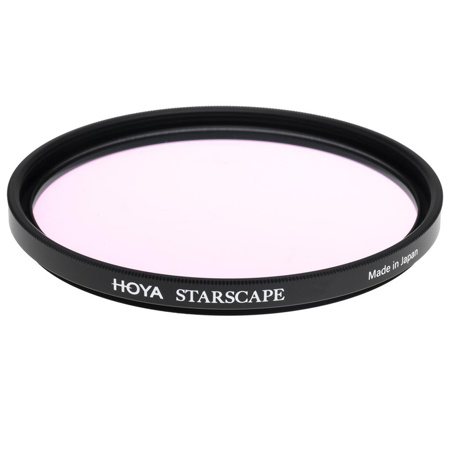


Red Lens Filters
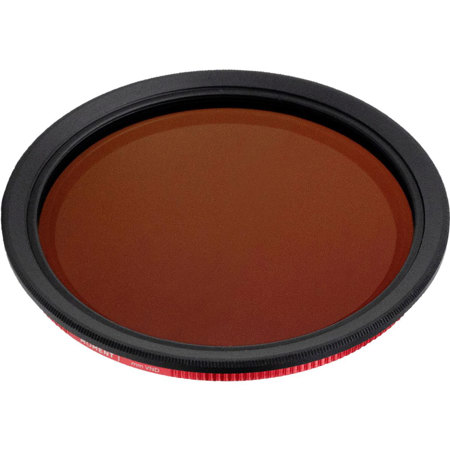
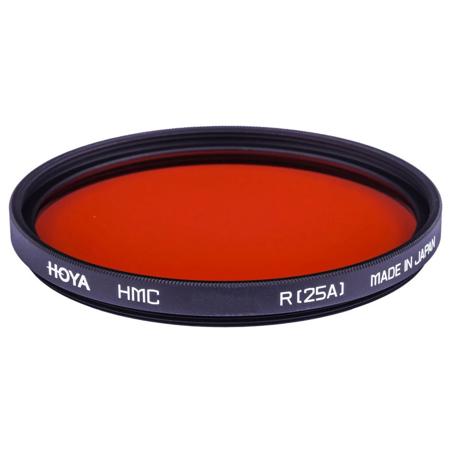
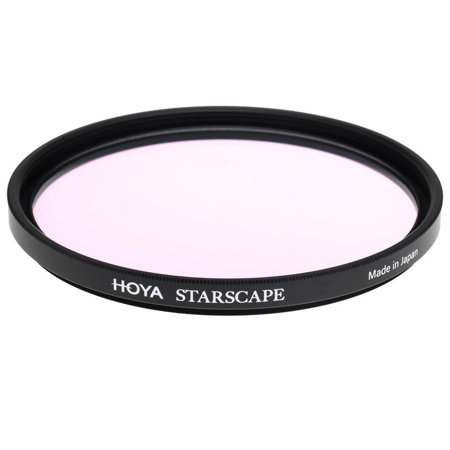
Red lens filters are a staple in the toolkit of photographers who want to master the art of black-and-white imagery. These filters are renowned for their ability to transform ordinary scenes into dramatic, high-contrast masterpieces. By blocking blue and green wavelengths while allowing red light to pass, red filters create a striking separation between sky and clouds, turning blue skies into deep, moody backdrops and making white clouds stand out with remarkable clarity. This effect is especially sought after in landscape photography, where the interplay between light and shadow can turn a midday sky into a canvas of visual drama. During the warmer months, when haze and humidity can soften distant views, a red filter cuts through atmospheric interference, revealing crisp horizons and accentuating the rugged textures of mountains or city skylines. As the season shifts and the angle of the sun changes, these filters continue to excel, bringing out the gritty character in stone architecture and making autumn foliage appear more vivid in monochrome, with red and orange leaves rendered as bright highlights against darkened greenery.
For photographers who appreciate the tactile experience of analog film, a red lens filter offers creative control that goes beyond digital post-processing. Whether you’re capturing the timeless elegance of a brick building, the intricate details of a weathered tree, or the sweeping expanse of a rural landscape, using a red filter can help you achieve images with bold contrast and a classic, almost cinematic feel. The filter’s ability to brighten reds and oranges while deepening blues and greens is invaluable for those who seek to convey emotion and atmosphere in their work. If you’re considering a gift for a photography enthusiast—especially someone who enjoys black-and-white film or is exploring traditional techniques—a red lens filter is a thoughtful and practical choice. It’s a tool that encourages experimentation and discovery, whether the recipient is an experienced professional or an avid hobbyist looking to expand their creative horizons. When using red filters, keep in mind that they absorb a significant amount of light, so adjusting your exposure is essential to avoid underexposed frames. Cameras with through-the-lens (TTL) metering can often compensate automatically, but it’s wise to test and fine-tune your settings for best results.
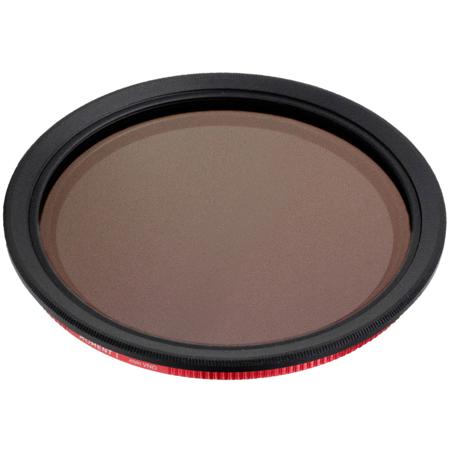
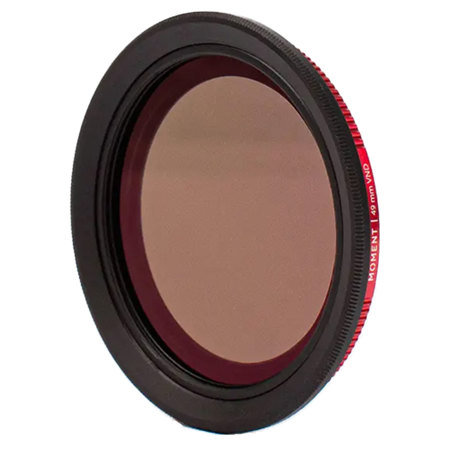
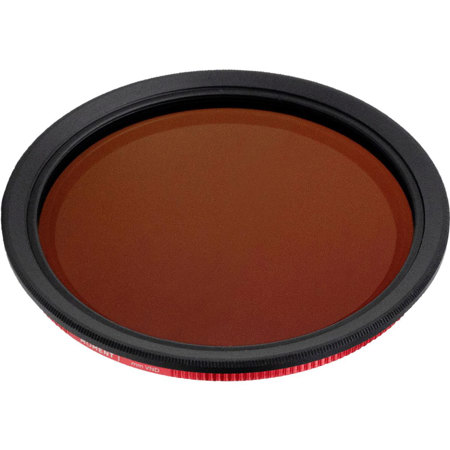
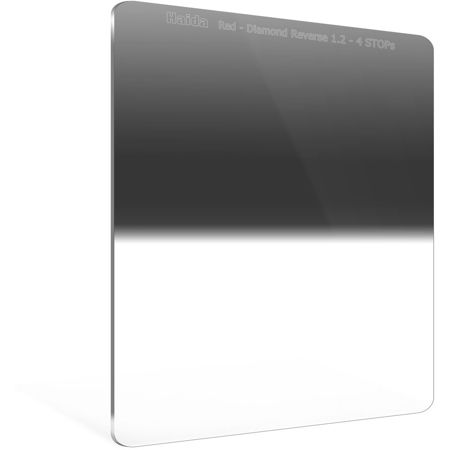
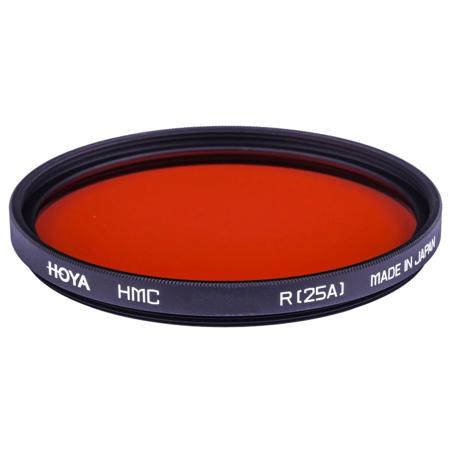
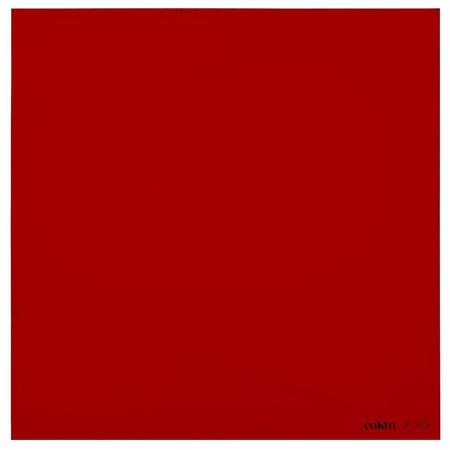
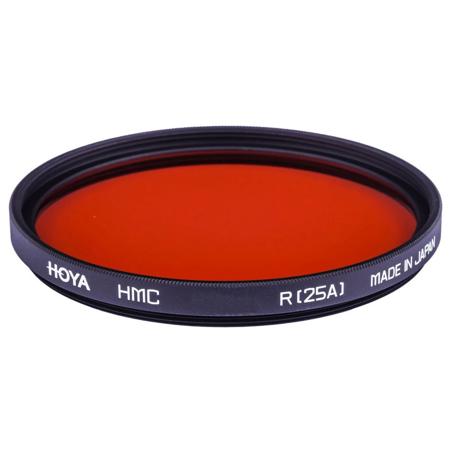
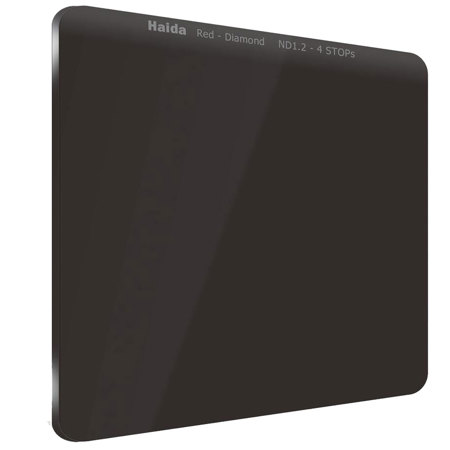
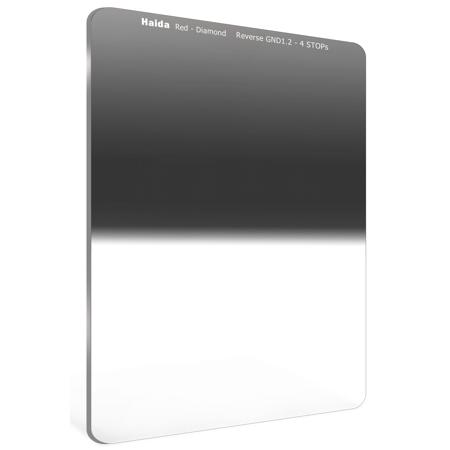
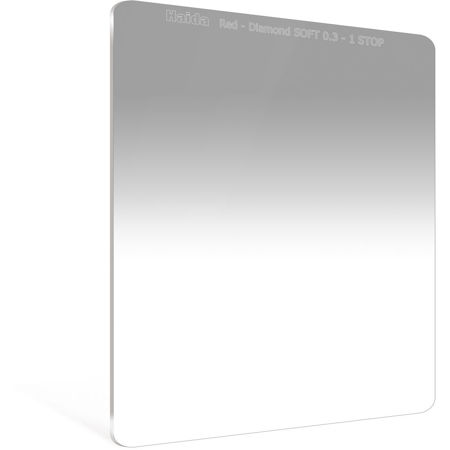
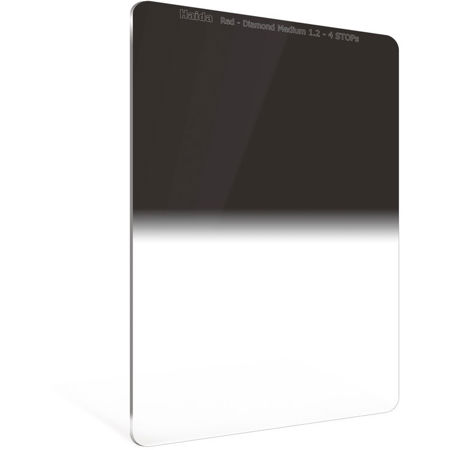
Red lens filters are available in a variety of shapes and sizes, from screw-in models that attach directly to your lens to larger, versatile options that fit into filter holders. If your creative workflow involves multiple lenses or you prefer a modular system, you might also explore alternatives such as Square Lens Filters, which offer flexibility for different shooting scenarios. Whether you’re planning a summer road trip, documenting the changing colors of fall, or simply seeking to elevate your monochrome photography, a red lens filter is a reliable companion for capturing images with depth, character, and a touch of drama. The experience of watching your negatives or digital files reveal the impact of a red filter—where skies darken, clouds glow, and textures leap from the frame—is one of the enduring joys of creative photography.
For photographers who appreciate the tactile experience of analog film, a red lens filter offers creative control that goes beyond digital post-processing. Whether you’re capturing the timeless elegance of a brick building, the intricate details of a weathered tree, or the sweeping expanse of a rural landscape, using a red filter can help you achieve images with bold contrast and a classic, almost cinematic feel. The filter’s ability to brighten reds and oranges while deepening blues and greens is invaluable for those who seek to convey emotion and atmosphere in their work. If you’re considering a gift for a photography enthusiast—especially someone who enjoys black-and-white film or is exploring traditional techniques—a red lens filter is a thoughtful and practical choice. It’s a tool that encourages experimentation and discovery, whether the recipient is an experienced professional or an avid hobbyist looking to expand their creative horizons. When using red filters, keep in mind that they absorb a significant amount of light, so adjusting your exposure is essential to avoid underexposed frames. Cameras with through-the-lens (TTL) metering can often compensate automatically, but it’s wise to test and fine-tune your settings for best results.
Red lens filters are available in a variety of shapes and sizes, from screw-in models that attach directly to your lens to larger, versatile options that fit into filter holders. If your creative workflow involves multiple lenses or you prefer a modular system, you might also explore alternatives such as Square Lens Filters, which offer flexibility for different shooting scenarios. Whether you’re planning a summer road trip, documenting the changing colors of fall, or simply seeking to elevate your monochrome photography, a red lens filter is a reliable companion for capturing images with depth, character, and a touch of drama. The experience of watching your negatives or digital files reveal the impact of a red filter—where skies darken, clouds glow, and textures leap from the frame—is one of the enduring joys of creative photography.