



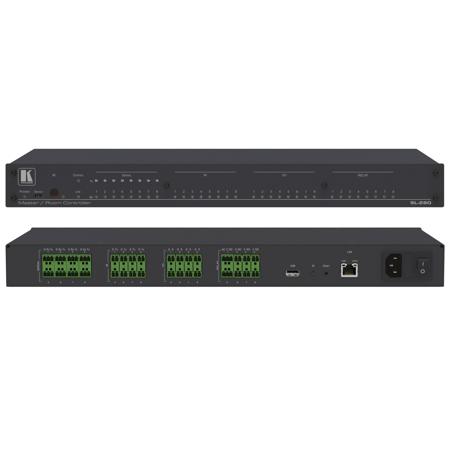
Relay Controllers
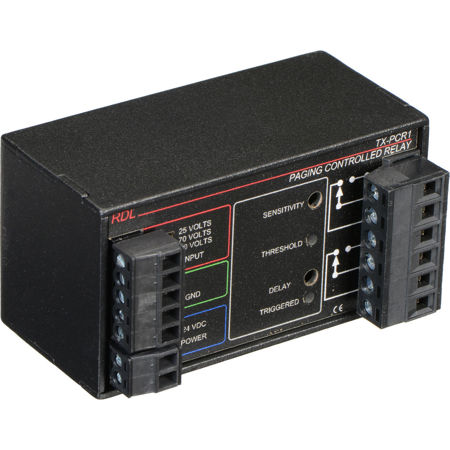
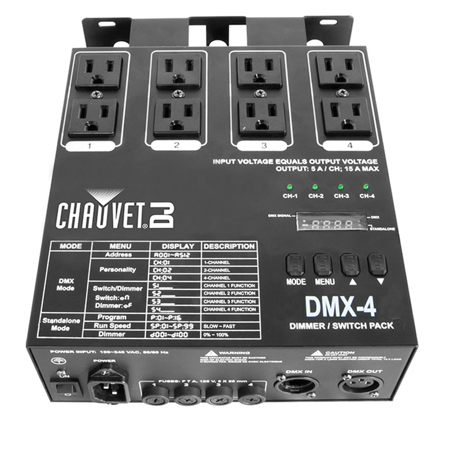
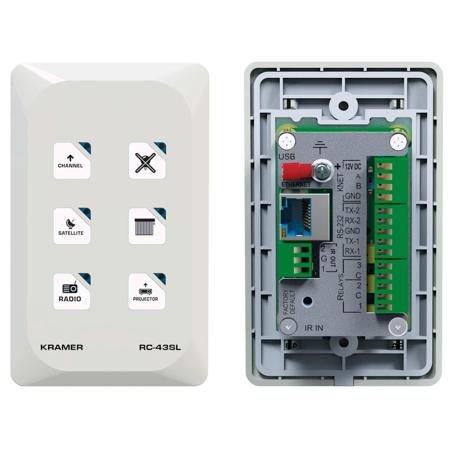
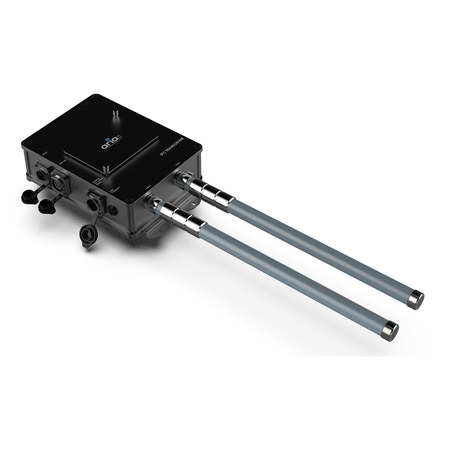
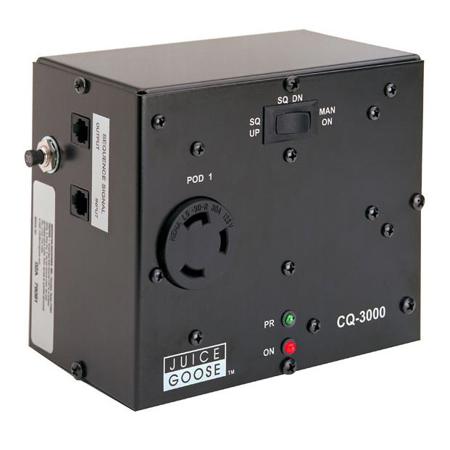
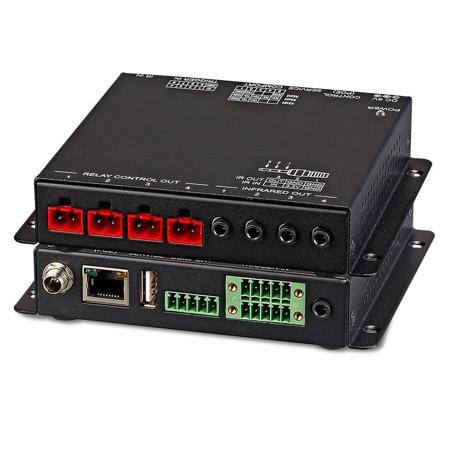
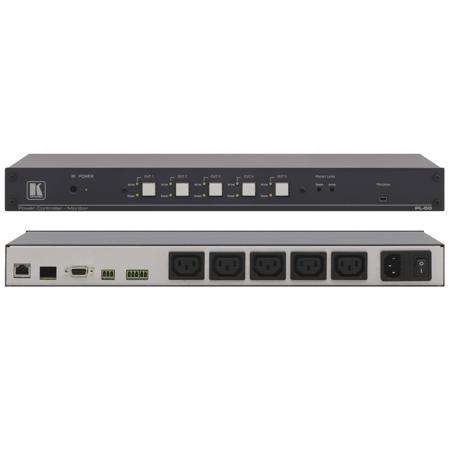
Relay controllers are essential components for anyone looking to automate, protect, or remotely manage electrical devices and circuits, whether at home, in a studio, or within an industrial environment. At their core, relay controllers act as intelligent switches, using a low-power control signal to operate higher-voltage or higher-current circuits safely and efficiently. This functionality makes them invaluable for a wide range of applications, from controlling lighting and climate systems in smart homes to managing complex workflows in professional audio/video production or industrial automation. For those working with microcontrollers like Arduino or Raspberry Pi, relay controllers serve as a reliable bridge between delicate logic circuits and robust equipment, enabling creative projects such as automated lighting rigs, soundproofing systems, or even motorized camera sliders. During the warmer months, when outdoor and indoor projects often ramp up, relay controllers can help automate garden irrigation, outdoor lighting, or ventilation systems, streamlining routines and saving energy. As the seasons transition, these devices become equally useful for managing heating elements, security systems, or holiday lighting setups, adapting quickly to changing needs and schedules.
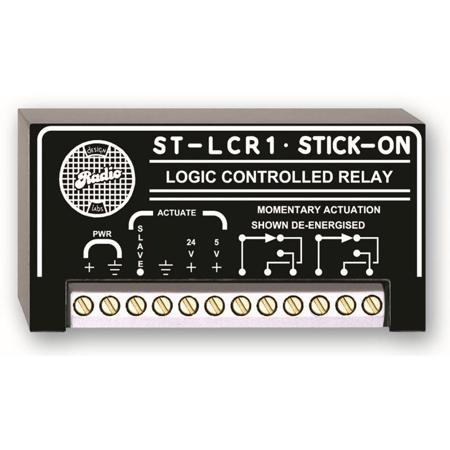
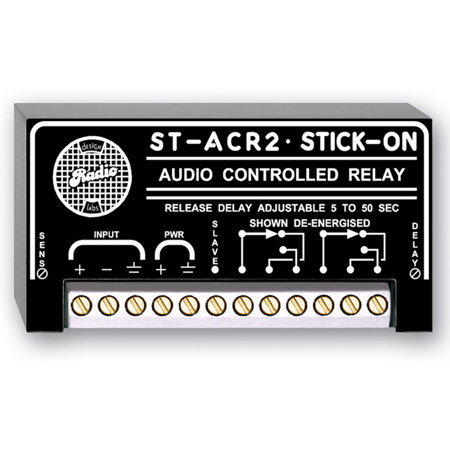
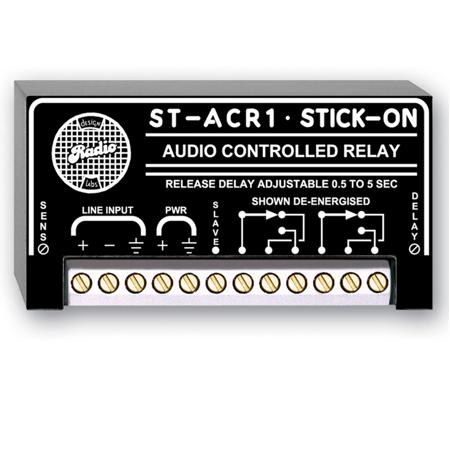
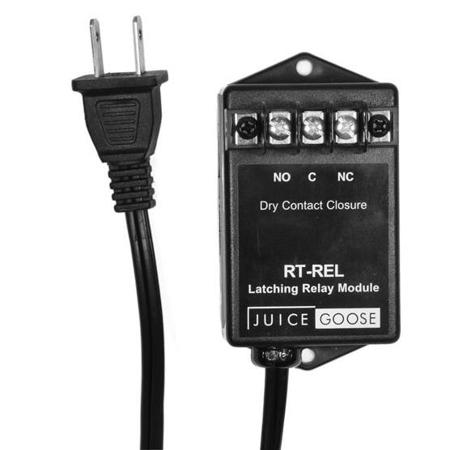
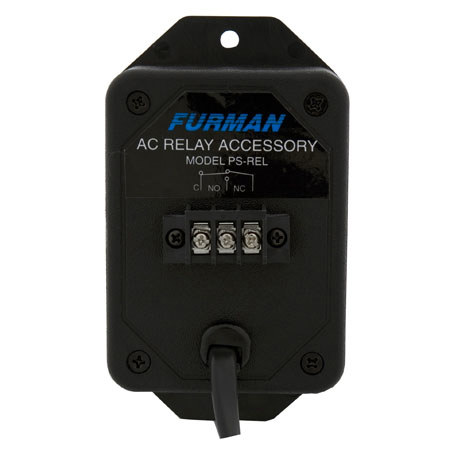
Selecting the right relay controller involves considering several key factors to ensure compatibility and safety. First, it’s important to distinguish between electromechanical relays, which use physical coils and contacts (often accompanied by a satisfying click), and solid-state relays, which rely on semiconductor components for silent, rapid switching and extended lifespan. Each type offers unique advantages: electromechanical models excel at handling high-load applications, while solid-state designs are prized for their durability and precision in environments where noise or mechanical wear is a concern. Buyers should also evaluate whether they need normally open (NO) or normally closed (NC) contacts, depending on the default state required for their application. Electrical ratings—such as maximum voltage and current handling—must align with the devices being controlled to ensure safe, reliable operation. For DIY enthusiasts and professionals alike, relay controllers often feature user-friendly terminals labeled for coil, common (COM), and contact connections, simplifying installation and integration with existing systems. Those interested in home automation or smart studio setups will appreciate relay modules that interface seamlessly with platforms like Google Home or Alexa, enabling voice-activated control over appliances, lighting, or HVAC systems. Similarly, in industrial and commercial settings, relay controllers are often integrated into monitoring panels, providing crucial safety interlocks, overcurrent protection, and automated logic for process control.
Relay controllers make thoughtful and practical gifts for hobbyists, engineers, and anyone passionate about smart technology or home improvement. They’re especially appreciated by tinkerers who enjoy bringing new levels of automation and convenience to their spaces—imagine the satisfaction of programming a relay to lower blackout curtains at sunset or to kick on a fan when studio equipment heats up during a summer recording session. For those working in photography, video production, or live events, relay controllers can be used to automate lighting, trigger special effects, or manage power distribution for sensitive gear, ensuring seamless operation and creative flexibility. If your interests extend to advanced lighting solutions, you may also want to explore specialized LED Lighting Controllers for more nuanced control over color, dimming, and scene programming. Whether you’re experimenting with electronics, upgrading your home, or outfitting a professional workspace, relay controllers provide a foundation for innovation and reliability, adapting effortlessly as your needs evolve from early summer through the cooler months of fall.
Selecting the right relay controller involves considering several key factors to ensure compatibility and safety. First, it’s important to distinguish between electromechanical relays, which use physical coils and contacts (often accompanied by a satisfying click), and solid-state relays, which rely on semiconductor components for silent, rapid switching and extended lifespan. Each type offers unique advantages: electromechanical models excel at handling high-load applications, while solid-state designs are prized for their durability and precision in environments where noise or mechanical wear is a concern. Buyers should also evaluate whether they need normally open (NO) or normally closed (NC) contacts, depending on the default state required for their application. Electrical ratings—such as maximum voltage and current handling—must align with the devices being controlled to ensure safe, reliable operation. For DIY enthusiasts and professionals alike, relay controllers often feature user-friendly terminals labeled for coil, common (COM), and contact connections, simplifying installation and integration with existing systems. Those interested in home automation or smart studio setups will appreciate relay modules that interface seamlessly with platforms like Google Home or Alexa, enabling voice-activated control over appliances, lighting, or HVAC systems. Similarly, in industrial and commercial settings, relay controllers are often integrated into monitoring panels, providing crucial safety interlocks, overcurrent protection, and automated logic for process control.
Relay controllers make thoughtful and practical gifts for hobbyists, engineers, and anyone passionate about smart technology or home improvement. They’re especially appreciated by tinkerers who enjoy bringing new levels of automation and convenience to their spaces—imagine the satisfaction of programming a relay to lower blackout curtains at sunset or to kick on a fan when studio equipment heats up during a summer recording session. For those working in photography, video production, or live events, relay controllers can be used to automate lighting, trigger special effects, or manage power distribution for sensitive gear, ensuring seamless operation and creative flexibility. If your interests extend to advanced lighting solutions, you may also want to explore specialized LED Lighting Controllers for more nuanced control over color, dimming, and scene programming. Whether you’re experimenting with electronics, upgrading your home, or outfitting a professional workspace, relay controllers provide a foundation for innovation and reliability, adapting effortlessly as your needs evolve from early summer through the cooler months of fall.