

![RIPP Restraints RIEM-100 Emergency Medical Restraint [RIQC-EMS]](https://www.adorama.com/images/Large/RIEM100.jpg)







Restraints For Hospital Beds
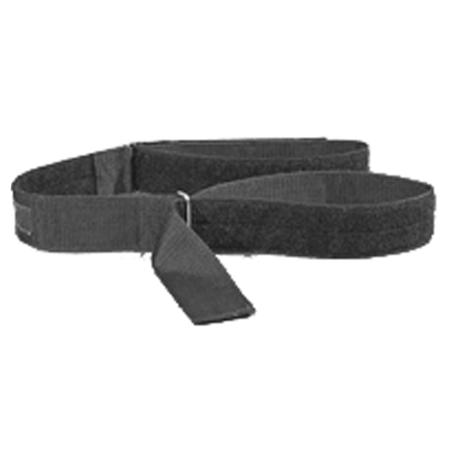
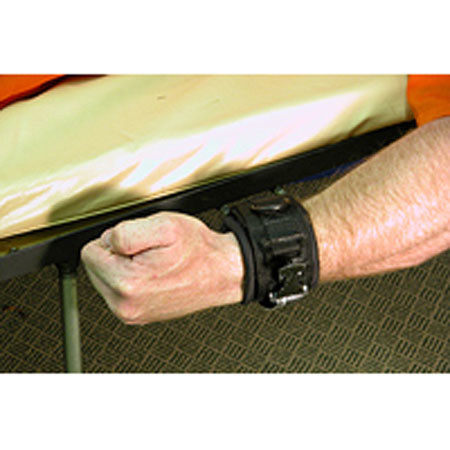
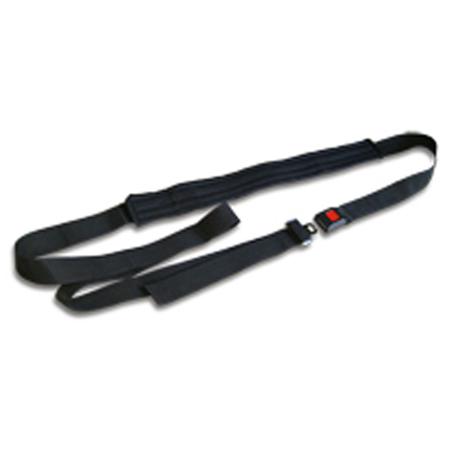
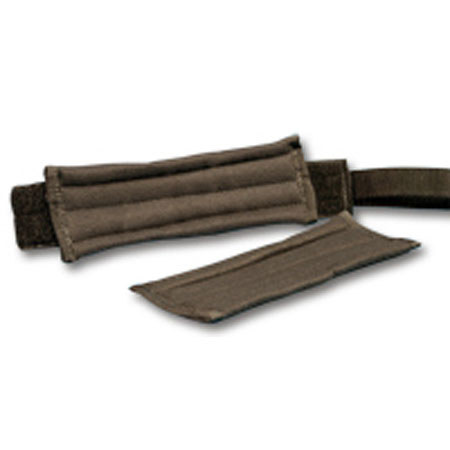
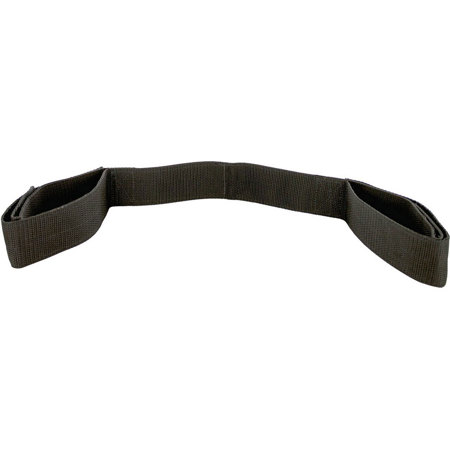
In medical environments, particularly during the transitional months of early spring, ensuring patient safety and comfort becomes a top priority as hospitals and care facilities see an uptick in admissions related to seasonal illnesses and procedures. Restraints for hospital beds are essential tools designed to support the well-being of patients who may be at risk of injury due to involuntary movements, disorientation, or medical conditions that compromise mobility. These devices are thoughtfully engineered to provide gentle, secure support, helping to prevent falls or accidental removal of medical equipment while maintaining the patient’s dignity. Whether used in a bustling urban hospital or a serene rehabilitation center, the right restraint solutions can make a significant difference in daily care routines. Nurses and caregivers often rely on these products during overnight shifts when patients may be more prone to confusion or agitation, especially in unfamiliar settings. The arrival of spring brings not only a renewal of energy but also new challenges, as changing weather can influence patient behavior and the types of care required. The subtle hum of activity in a hospital ward at dawn is a testament to the dedication of healthcare professionals who depend on reliable restraint systems to keep their patients safe and comfortable.
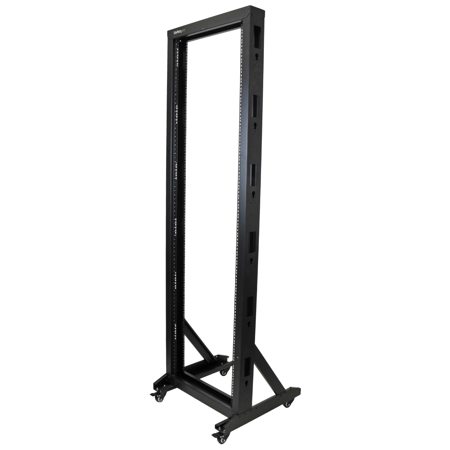
When considering which restraints for hospital beds to purchase, it’s important to think about the specific needs of the patient and the care environment. Adjustable features, ease of application, and materials that are both durable and comfortable are key factors in making a selection that will stand up to daily use. Soft, breathable fabrics can help prevent skin irritation during extended periods of use, while secure fastenings provide peace of mind for both caregivers and family members. Many caregivers find that choosing restraints with quick-release mechanisms allows for rapid response in case of emergencies, ensuring that patient safety is never compromised. For those caring for loved ones at home, especially elderly family members recovering from surgery or managing chronic conditions, these products can offer reassurance and a sense of control during what can often be a stressful time. In some cases, restraints may even be given as practical gifts to caregivers, providing them with the tools they need to create a safer and more supportive environment. As the days grow longer and natural light fills patient rooms, the right restraint solutions can help foster a sense of security and calm, allowing both patients and caregivers to focus on healing and recovery. For facilities seeking to optimize their storage and organization of medical equipment, integrating sturdy Steel Racks can further streamline workflows and ensure that essential tools are always within reach.
Ultimately, the thoughtful selection and use of hospital bed restraints reflect a commitment to compassionate, patient-centered care. Every detail, from the softness of the materials to the reliability of the closures, contributes to a supportive environment where patients can rest and recover with confidence. Healthcare professionals understand that the right combination of restraint products, staff training, and facility organization can transform the patient experience, reducing anxiety and promoting positive outcomes. As spring brings fresh beginnings and renewed hope to patients and caregivers alike, investing in high-quality restraints for hospital beds is a meaningful step toward safer, more effective care. Whether for a large medical institution or a private home setting, these essential tools ensure that every patient receives the attention and protection they deserve, day or night.
When considering which restraints for hospital beds to purchase, it’s important to think about the specific needs of the patient and the care environment. Adjustable features, ease of application, and materials that are both durable and comfortable are key factors in making a selection that will stand up to daily use. Soft, breathable fabrics can help prevent skin irritation during extended periods of use, while secure fastenings provide peace of mind for both caregivers and family members. Many caregivers find that choosing restraints with quick-release mechanisms allows for rapid response in case of emergencies, ensuring that patient safety is never compromised. For those caring for loved ones at home, especially elderly family members recovering from surgery or managing chronic conditions, these products can offer reassurance and a sense of control during what can often be a stressful time. In some cases, restraints may even be given as practical gifts to caregivers, providing them with the tools they need to create a safer and more supportive environment. As the days grow longer and natural light fills patient rooms, the right restraint solutions can help foster a sense of security and calm, allowing both patients and caregivers to focus on healing and recovery. For facilities seeking to optimize their storage and organization of medical equipment, integrating sturdy Steel Racks can further streamline workflows and ensure that essential tools are always within reach.
Ultimately, the thoughtful selection and use of hospital bed restraints reflect a commitment to compassionate, patient-centered care. Every detail, from the softness of the materials to the reliability of the closures, contributes to a supportive environment where patients can rest and recover with confidence. Healthcare professionals understand that the right combination of restraint products, staff training, and facility organization can transform the patient experience, reducing anxiety and promoting positive outcomes. As spring brings fresh beginnings and renewed hope to patients and caregivers alike, investing in high-quality restraints for hospital beds is a meaningful step toward safer, more effective care. Whether for a large medical institution or a private home setting, these essential tools ensure that every patient receives the attention and protection they deserve, day or night.