RF Cables
RF cables, or radio frequency cables, are the backbone of countless modern communications and entertainment systems, quietly ensuring that high-frequency signals travel with minimal loss or interference. Whether you're setting up a home theater, equipping a recording studio, or building a custom radio rig, the right RF cable makes all the difference in signal clarity and reliability. With the weather warming and outdoor projects ramping up, many professionals and hobbyists alike find themselves upgrading antennas, satellite setups, or testing environments—each requiring specialized RF cables to get the job done right. At the heart of these cables is a carefully engineered structure: a center conductor, a dielectric insulator, multiple layers of shielding to block electromagnetic and radio interference, and a rugged outer jacket. This design allows RF cables to maintain signal integrity across a range of demanding environments, from the controlled conditions of a lab to the unpredictable elements outdoors.
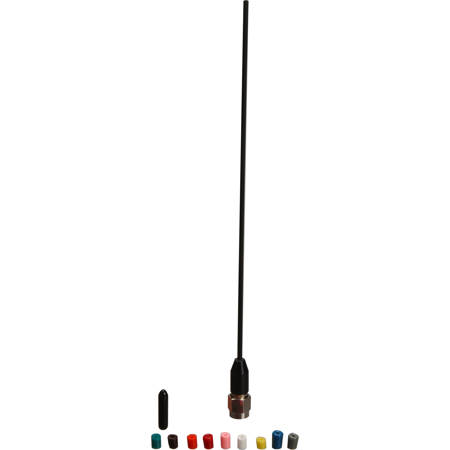
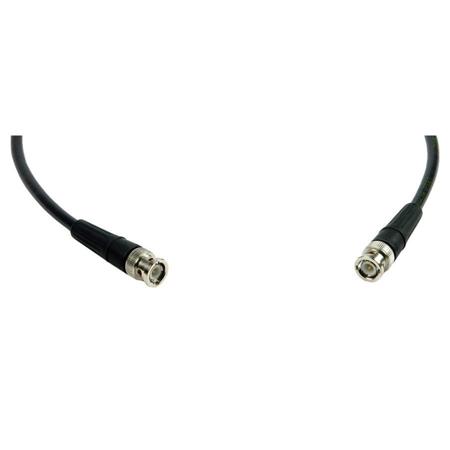
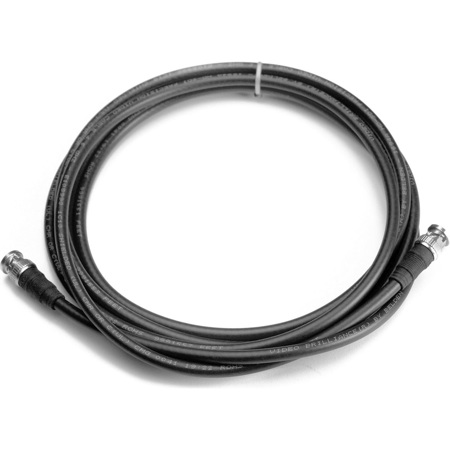
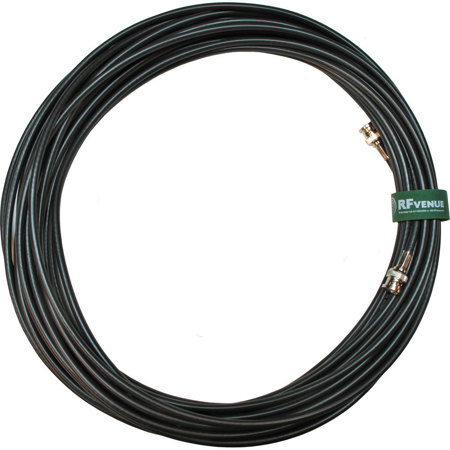
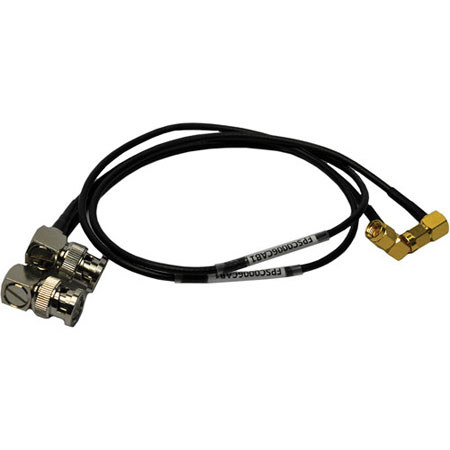
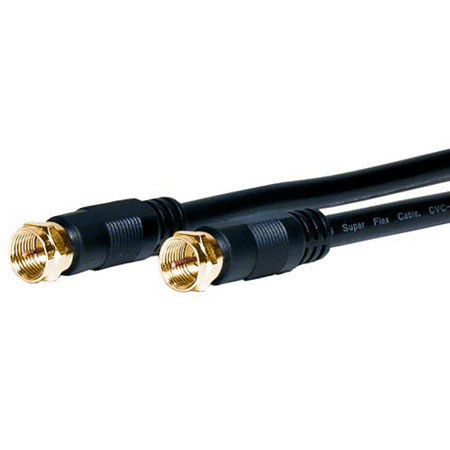
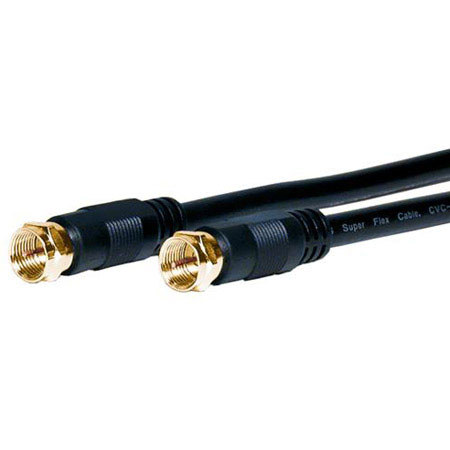
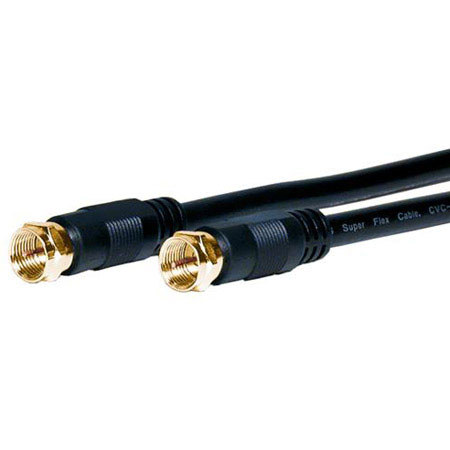
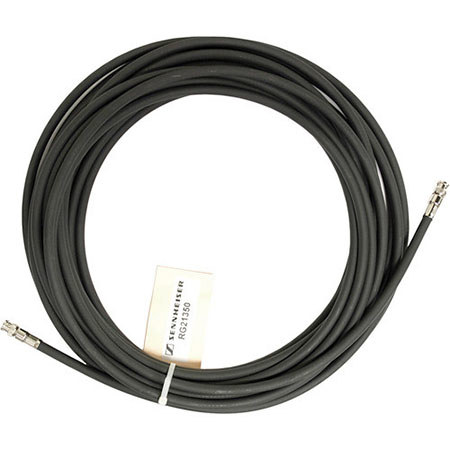
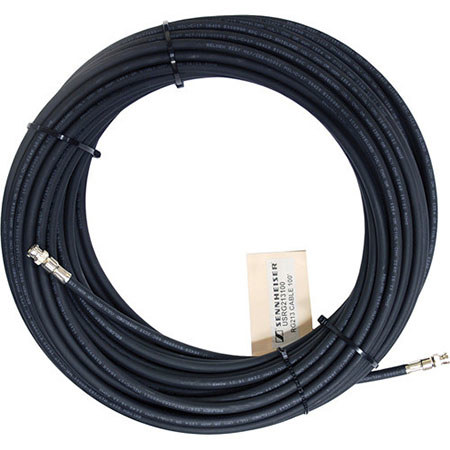
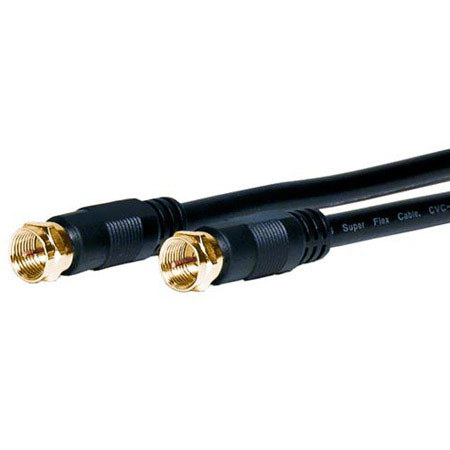
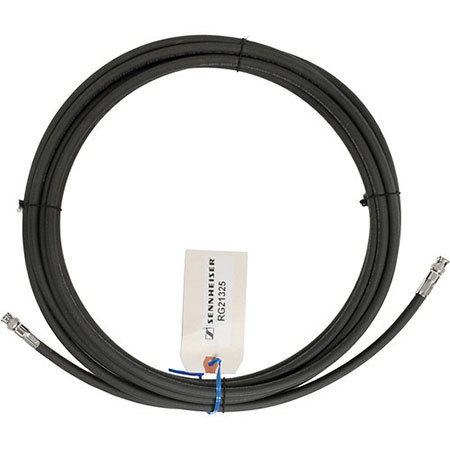
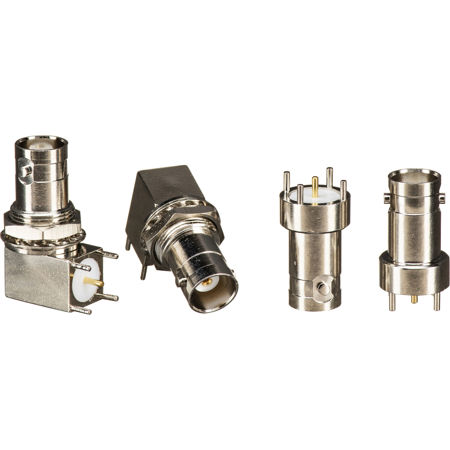
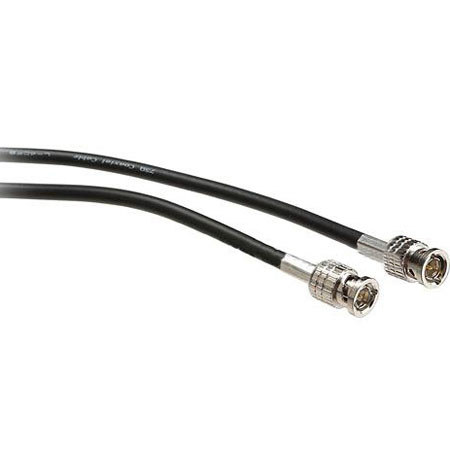
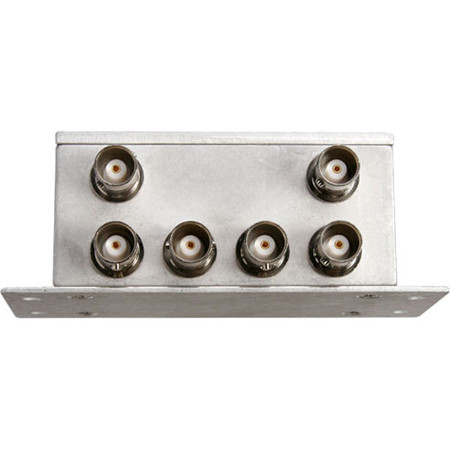
Selecting an RF cable means considering a few key factors: impedance, shielding, connector type, and flexibility. Standard 50-ohm cables are favored for data and communications, while 75-ohm cables are the go-to for video and broadcasting applications. The type of shielding—whether single, double, or even triple—can be crucial in high-interference settings, such as busy production studios or urban installations where wireless signals compete for space. Connector selection is equally important: SMA connectors are a staple for Wi-Fi equipment and RF testing, F-type connectors are prevalent in home video setups, BNC connectors provide quick changes in professional video and test gear, and N-type connectors are built tough for outdoor antennas exposed to sun and rain. For those working in precision test environments or with microwave frequencies, phase-stable, flexible cable assemblies are indispensable, offering both durability and the ability to maintain consistent performance even when equipment is moved or reconfigured. If flexibility is a priority—perhaps for a mobile broadcast van, a field test kit, or a modular studio rack—exploring options like Flexible Coaxial Cables can open up new possibilities for streamlined cable management and reliable signal flow.
RF cables are a practical and thoughtful gift for anyone passionate about electronics, audio/video production, or amateur radio—especially as people spend more time working on home projects or preparing for outdoor events during the milder months. A well-chosen RF cable can be the missing link that transforms a static-prone TV feed into a crisp, uninterrupted stream, or that helps a budding engineer fine-tune their first wireless prototype. In professional settings, engineers, installers, and technicians rely on high-quality RF cables to deliver consistent results, whether they're broadcasting a live concert or calibrating sensitive test equipment. Even in everyday scenarios—like connecting a rooftop antenna for summer sports viewing parties or expanding Wi-Fi coverage to a backyard workspace—having the right cable on hand can make setup smoother and performance more reliable. With so many options available, from heavy-duty outdoor-rated assemblies to ultra-flexible cables for tight spaces, there's an RF solution for nearly every application and environment. Investing in the right cable not only protects your equipment but also ensures that every signal arrives exactly as intended, no matter the season or setting.
Selecting an RF cable means considering a few key factors: impedance, shielding, connector type, and flexibility. Standard 50-ohm cables are favored for data and communications, while 75-ohm cables are the go-to for video and broadcasting applications. The type of shielding—whether single, double, or even triple—can be crucial in high-interference settings, such as busy production studios or urban installations where wireless signals compete for space. Connector selection is equally important: SMA connectors are a staple for Wi-Fi equipment and RF testing, F-type connectors are prevalent in home video setups, BNC connectors provide quick changes in professional video and test gear, and N-type connectors are built tough for outdoor antennas exposed to sun and rain. For those working in precision test environments or with microwave frequencies, phase-stable, flexible cable assemblies are indispensable, offering both durability and the ability to maintain consistent performance even when equipment is moved or reconfigured. If flexibility is a priority—perhaps for a mobile broadcast van, a field test kit, or a modular studio rack—exploring options like Flexible Coaxial Cables can open up new possibilities for streamlined cable management and reliable signal flow.
RF cables are a practical and thoughtful gift for anyone passionate about electronics, audio/video production, or amateur radio—especially as people spend more time working on home projects or preparing for outdoor events during the milder months. A well-chosen RF cable can be the missing link that transforms a static-prone TV feed into a crisp, uninterrupted stream, or that helps a budding engineer fine-tune their first wireless prototype. In professional settings, engineers, installers, and technicians rely on high-quality RF cables to deliver consistent results, whether they're broadcasting a live concert or calibrating sensitive test equipment. Even in everyday scenarios—like connecting a rooftop antenna for summer sports viewing parties or expanding Wi-Fi coverage to a backyard workspace—having the right cable on hand can make setup smoother and performance more reliable. With so many options available, from heavy-duty outdoor-rated assemblies to ultra-flexible cables for tight spaces, there's an RF solution for nearly every application and environment. Investing in the right cable not only protects your equipment but also ensures that every signal arrives exactly as intended, no matter the season or setting.