
Ribbon Microphones for Audio Engineers
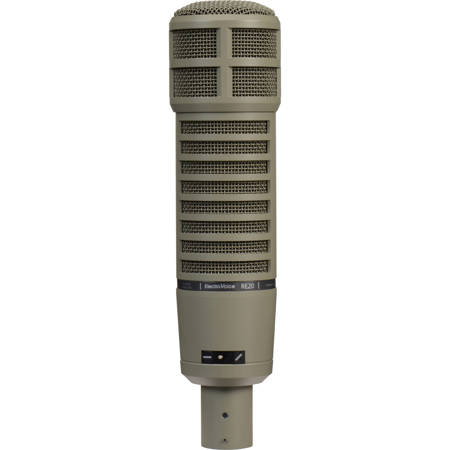
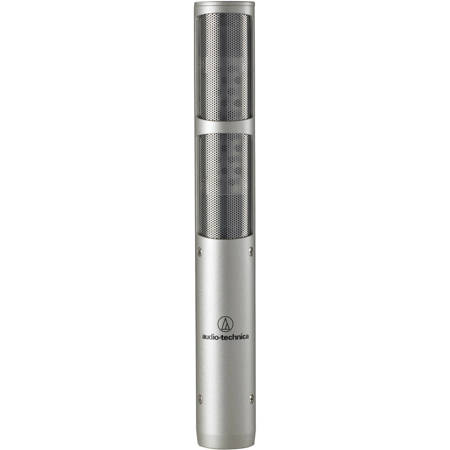
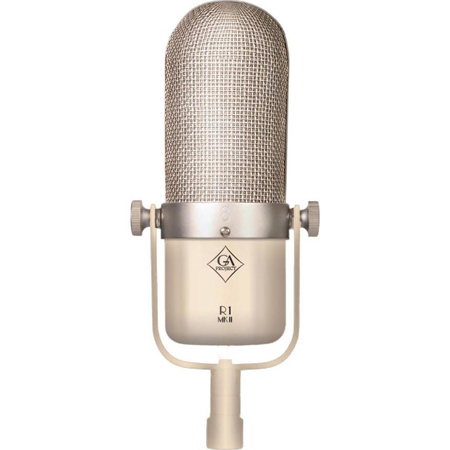
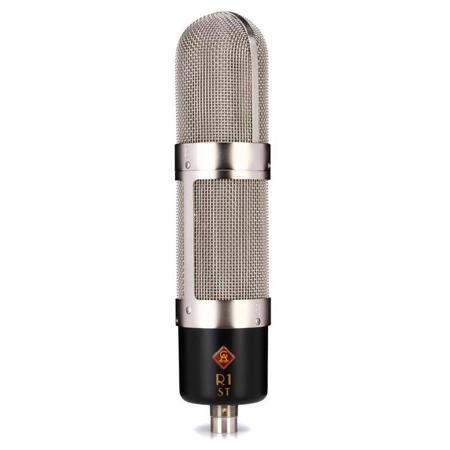
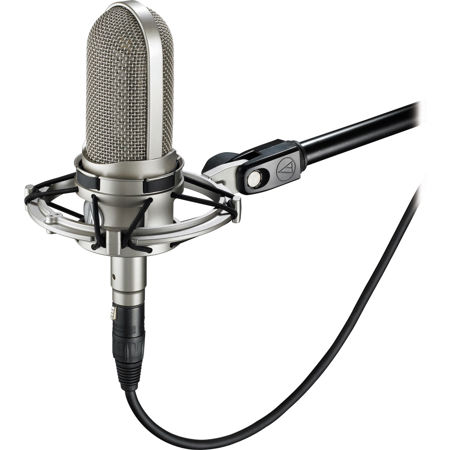
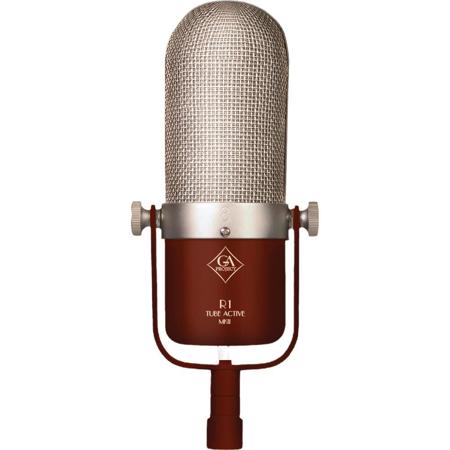
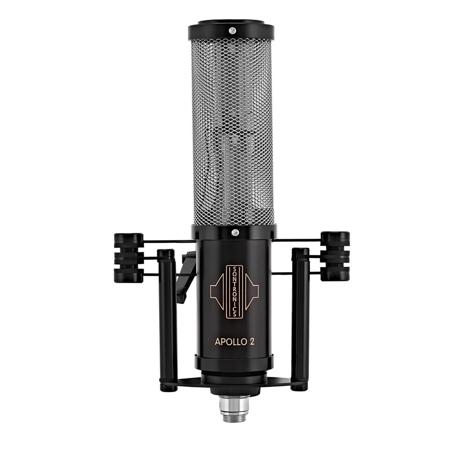
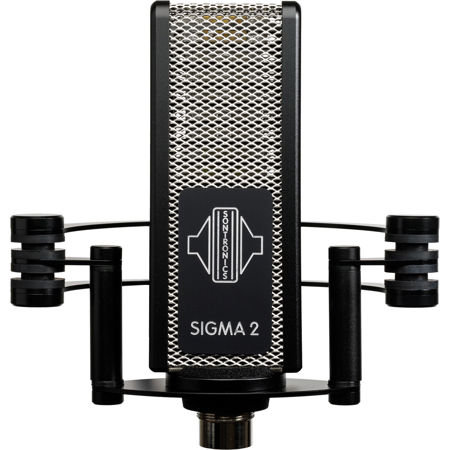
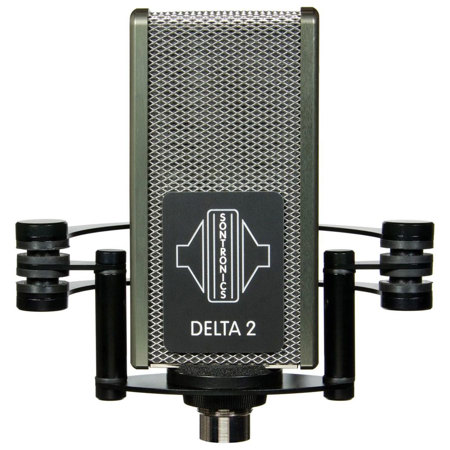
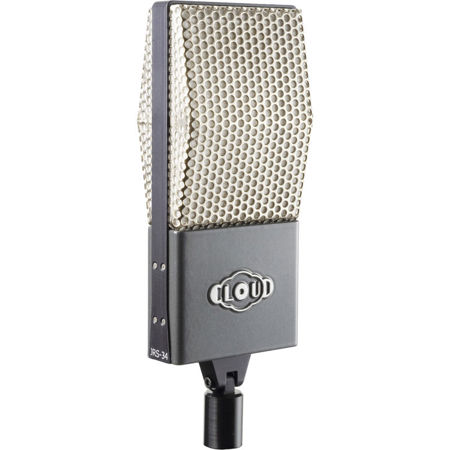
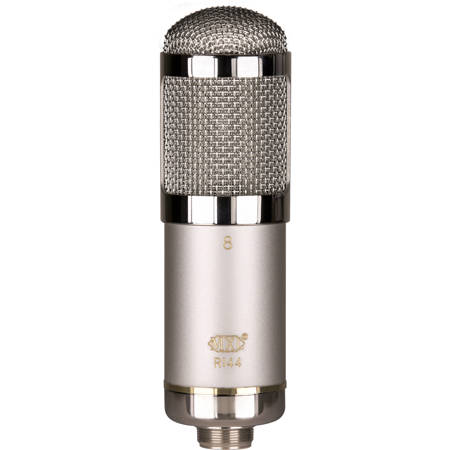
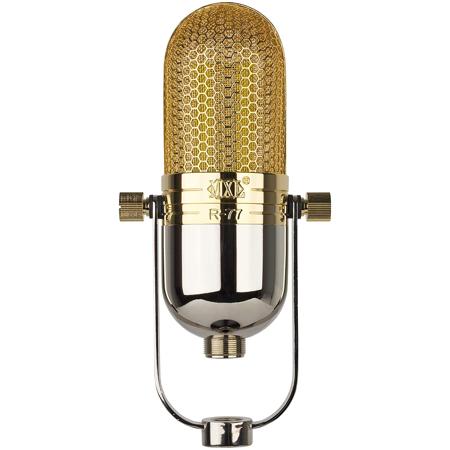
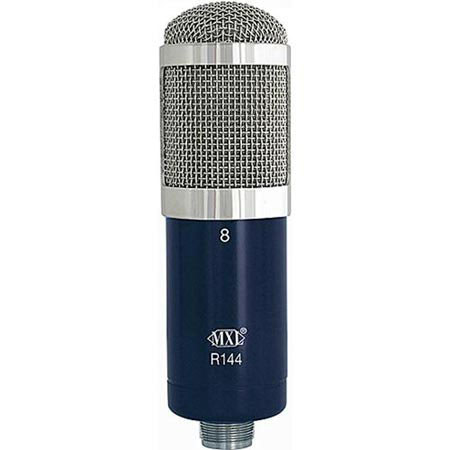
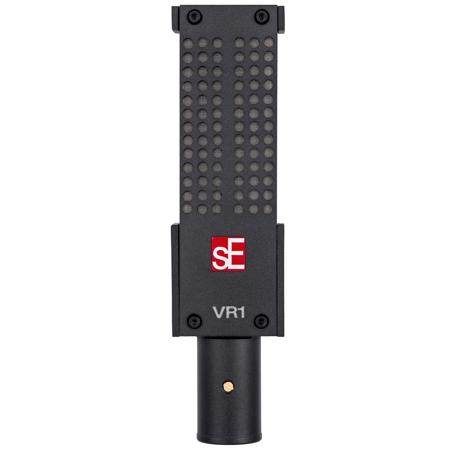
Ribbon microphones have long held a special place in the hearts of audio engineers, producers, and musicians who seek an authentic, vintage-inspired sound that stands apart from the clinical precision of modern condenser and dynamic microphones. Their unique construction—featuring an ultra-thin aluminum ribbon delicately suspended between magnets—allows them to capture sound with remarkable warmth, depth, and realism. The bidirectional (figure-8) polar pattern inherent to ribbon microphones is a powerful tool for studio professionals, as it picks up sound equally from the front and back while rejecting unwanted noise from the sides. This makes ribbons a favorite for isolating instruments in crowded rooms, capturing the nuanced interplay of a jazz ensemble, or drawing out the harmonics of an acoustic guitar against the subtle ambiance of a live space. As the weather warms and recording sessions move from cozy studios to sunlit living rooms or open rehearsal spaces, ribbon microphones shine by delivering a smooth, natural frequency response with a gentle roll-off in the highest registers—perfect for taming harshness and lending a classic, musical character to any source.
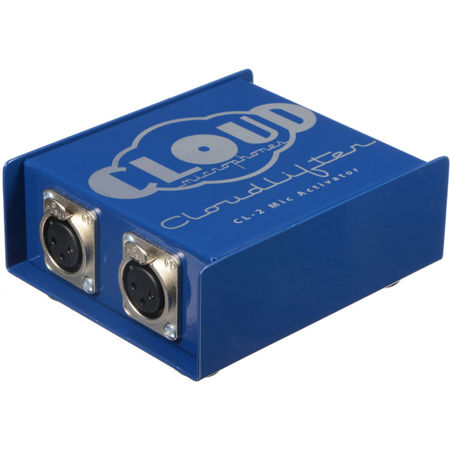
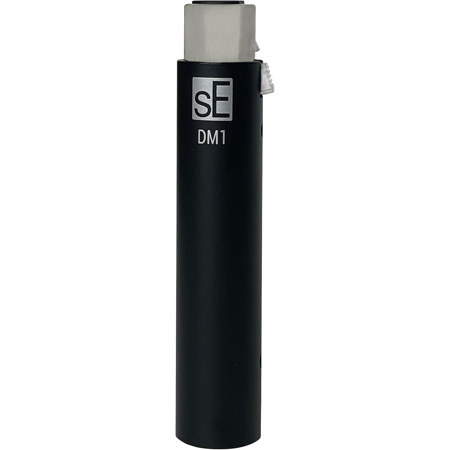
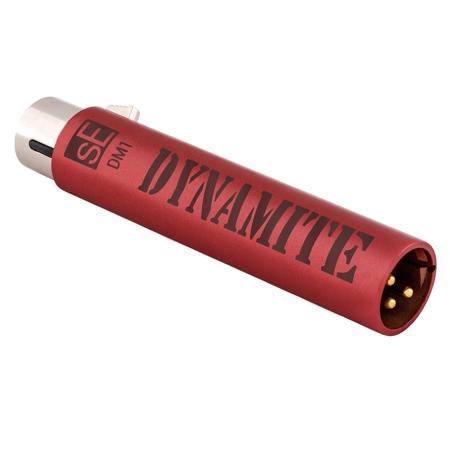
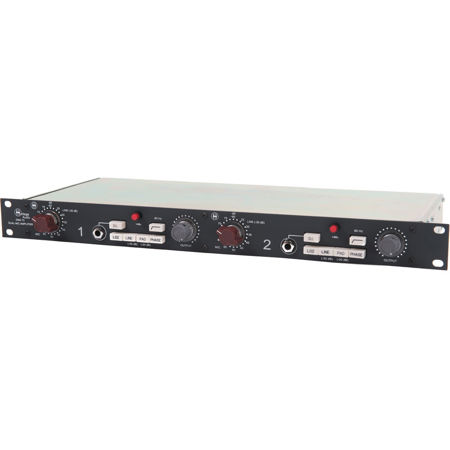
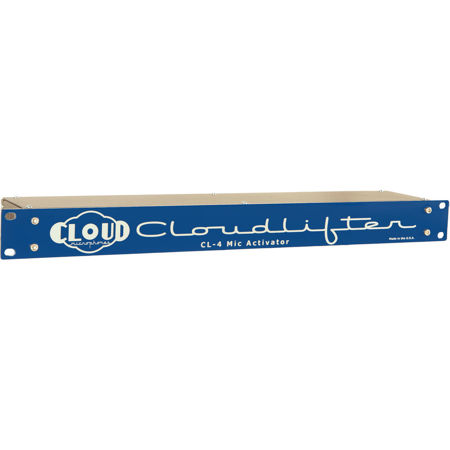
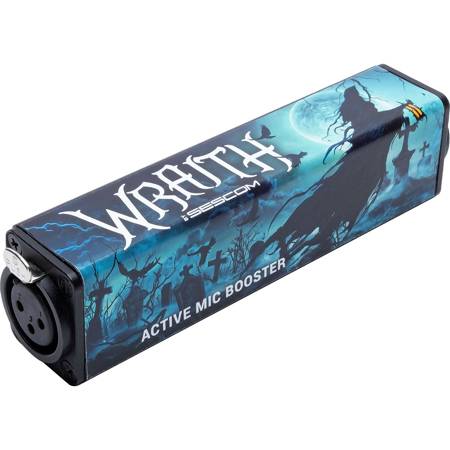
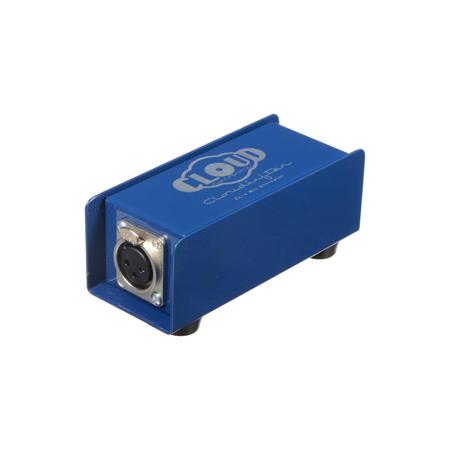
For those considering a ribbon microphone purchase, it’s important to weigh a few key factors. Passive ribbon microphones, prized for their vintage tone and low self-noise, require a high-gain, clean preamp to bring out their full potential, especially when working with softer sound sources like vocals or strings. Active ribbon designs, on the other hand, integrate modern electronics that boost output and make them compatible with a broader range of interfaces and preamps, offering flexibility whether you’re recording a brass section in a concert hall or a singer-songwriter in a home studio. Ribbon elements are renowned for their ability to handle high sound pressure levels, making them a go-to choice for close-miking electric guitar cabinets, capturing the thunder of a drum kit’s overheads, or lending weight and body to brass and woodwind instruments. However, their delicate nature means they require careful handling; always use a pop filter with vocals and store them vertically to prevent the ribbon from sagging over time. For audio engineers who crave a microphone that adds dimension and intimacy to their recordings, ribbons offer a tactile, almost three-dimensional quality that can transform a mix from sterile to soulful.
Ribbon microphones also make thoughtful gifts for audio professionals, musicians, or passionate hobbyists looking to expand their sonic palette. Whether for a seasoned engineer seeking the perfect tool for capturing room ambiance, or a budding producer eager to experiment with mid-side or Blumlein stereo techniques, a ribbon microphone is a meaningful addition to any collection. The summer and fall months often bring a surge in creative projects—from recording live bands at festivals to capturing the subtle details of acoustic instruments in open-air settings—and a ribbon mic’s ability to render every nuance with clarity and character makes it an invaluable asset. For those interested in exploring a broader range of professional audio tools, our curated selection of Broadcast Quality Microphones offers even more options to elevate your recordings, whether in the studio or on location. With the right ribbon microphone, every note, breath, and room reflection is captured with the kind of warmth and realism that only this classic technology can provide—helping you craft recordings that resonate with authenticity, season after season.
For those considering a ribbon microphone purchase, it’s important to weigh a few key factors. Passive ribbon microphones, prized for their vintage tone and low self-noise, require a high-gain, clean preamp to bring out their full potential, especially when working with softer sound sources like vocals or strings. Active ribbon designs, on the other hand, integrate modern electronics that boost output and make them compatible with a broader range of interfaces and preamps, offering flexibility whether you’re recording a brass section in a concert hall or a singer-songwriter in a home studio. Ribbon elements are renowned for their ability to handle high sound pressure levels, making them a go-to choice for close-miking electric guitar cabinets, capturing the thunder of a drum kit’s overheads, or lending weight and body to brass and woodwind instruments. However, their delicate nature means they require careful handling; always use a pop filter with vocals and store them vertically to prevent the ribbon from sagging over time. For audio engineers who crave a microphone that adds dimension and intimacy to their recordings, ribbons offer a tactile, almost three-dimensional quality that can transform a mix from sterile to soulful.
Ribbon microphones also make thoughtful gifts for audio professionals, musicians, or passionate hobbyists looking to expand their sonic palette. Whether for a seasoned engineer seeking the perfect tool for capturing room ambiance, or a budding producer eager to experiment with mid-side or Blumlein stereo techniques, a ribbon microphone is a meaningful addition to any collection. The summer and fall months often bring a surge in creative projects—from recording live bands at festivals to capturing the subtle details of acoustic instruments in open-air settings—and a ribbon mic’s ability to render every nuance with clarity and character makes it an invaluable asset. For those interested in exploring a broader range of professional audio tools, our curated selection of Broadcast Quality Microphones offers even more options to elevate your recordings, whether in the studio or on location. With the right ribbon microphone, every note, breath, and room reflection is captured with the kind of warmth and realism that only this classic technology can provide—helping you craft recordings that resonate with authenticity, season after season.