Rotary Speaker Pedals
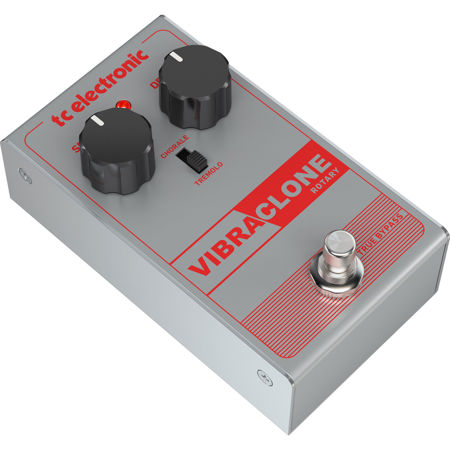
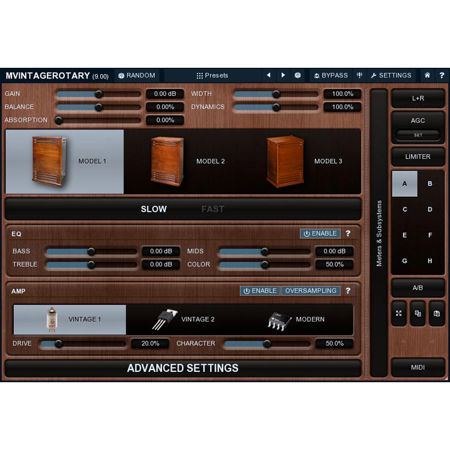
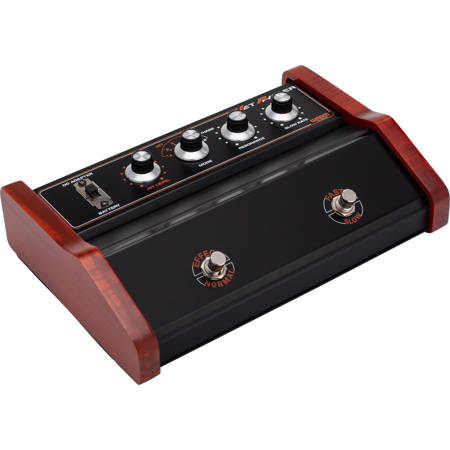
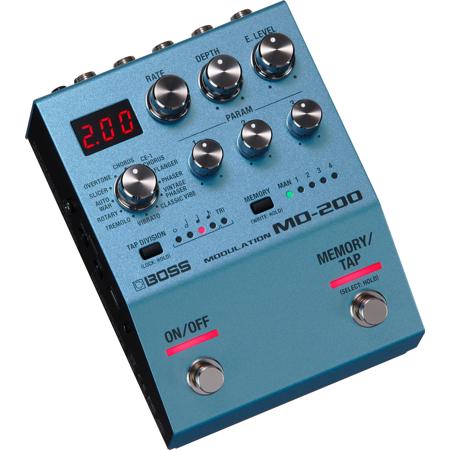
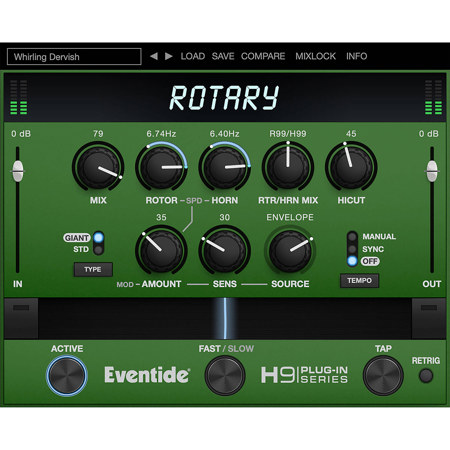
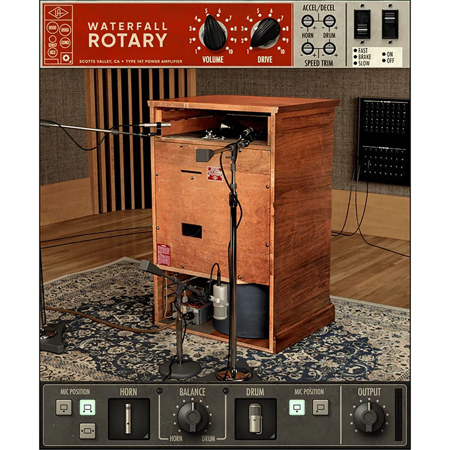
Rotary speaker pedals hold a unique place in the world of effects, offering musicians and audio creators the unmistakable, swirling sound inspired by the classic Leslie speaker cabinets. These pedals use sophisticated modulation, amp simulation, and virtual mic placement to capture the dynamic Doppler effect of spinning rotors and horns, delivering immersive, three-dimensional movement that can transform any guitar, keyboard, or studio signal. Whether you’re chasing the soulful shimmer of vintage organ tones, the psychedelic textures of classic rock, or the atmospheric depth found in modern indie and jazz, a rotary speaker pedal can be the secret ingredient that brings your sound to life. Many models allow for nuanced control, such as independent speed switching (ramping) between slow and fast rotor speeds, adjustable drive to emulate tube-style overdrive, and the ability to tailor the virtual microphone’s position for subtle or dramatic effects. These features make rotary speaker pedals a versatile choice for both live performers and recording artists, especially during the creative bursts that often accompany the warmer months as festival season kicks into gear and musicians seek to expand their sonic palette.
When considering a rotary speaker pedal, it’s helpful to think about your setup and how you intend to use the effect. Guitarists may gravitate toward compact, pedalboard-friendly designs with intuitive controls and true stereo outputs, ensuring seamless integration with other pedals like Analog Reverb Pedals for lush, spatial soundscapes. Keyboard players, especially those emulating classic Hammond organ tones, often look for pedals that offer programmable parameters, built-in compression, and authentic algorithms that capture the warmth and movement of vintage rotary cabinets. For studio producers and engineers, the ability to tweak mic placement and rotor balance can open up creative possibilities for re-amping tracks or adding motion to static mixes. Rotary speaker pedals also make thoughtful gifts for musicians who already have a collection of overdrives and delays but are searching for something inspiring and different—a pedal that stands out both visually and sonically. As rehearsals and recording sessions move from cozy indoor spaces to open-air venues and sunlit studios, the evocative swirl of a rotary speaker pedal can add a sense of nostalgia, energy, and depth to any performance, making it a cherished tool for artists who value expressive, dimensional sound.
When considering a rotary speaker pedal, it’s helpful to think about your setup and how you intend to use the effect. Guitarists may gravitate toward compact, pedalboard-friendly designs with intuitive controls and true stereo outputs, ensuring seamless integration with other pedals like Analog Reverb Pedals for lush, spatial soundscapes. Keyboard players, especially those emulating classic Hammond organ tones, often look for pedals that offer programmable parameters, built-in compression, and authentic algorithms that capture the warmth and movement of vintage rotary cabinets. For studio producers and engineers, the ability to tweak mic placement and rotor balance can open up creative possibilities for re-amping tracks or adding motion to static mixes. Rotary speaker pedals also make thoughtful gifts for musicians who already have a collection of overdrives and delays but are searching for something inspiring and different—a pedal that stands out both visually and sonically. As rehearsals and recording sessions move from cozy indoor spaces to open-air venues and sunlit studios, the evocative swirl of a rotary speaker pedal can add a sense of nostalgia, energy, and depth to any performance, making it a cherished tool for artists who value expressive, dimensional sound.