Rotary Switches
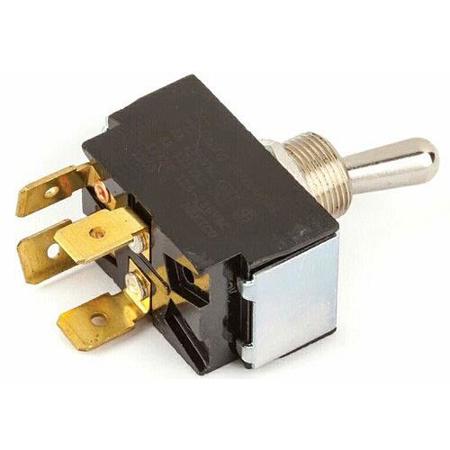
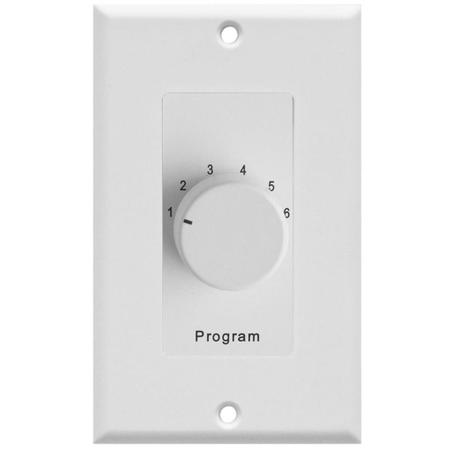
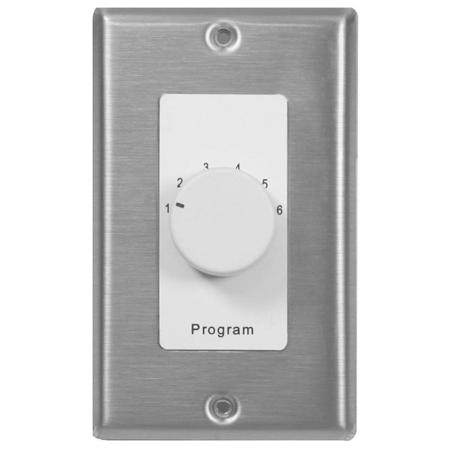
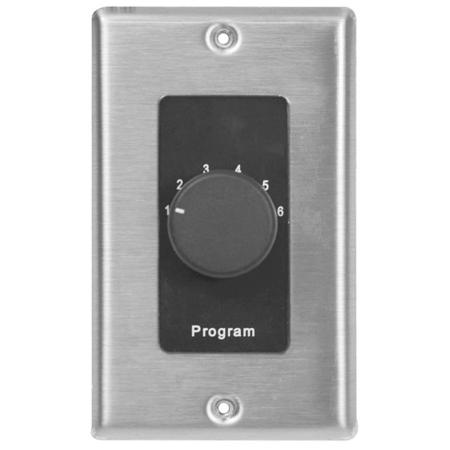
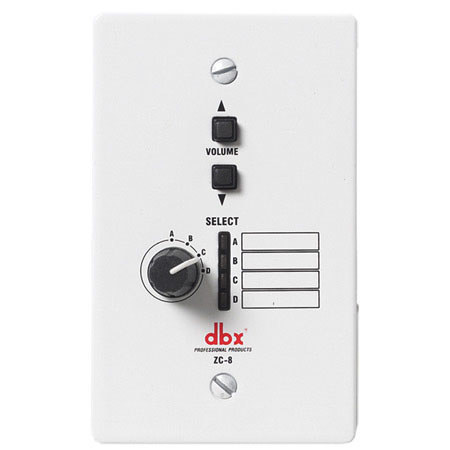
Rotary switches are essential components in a wide range of electronic and electrical devices, serving as reliable selectors for routing signals or power through multiple circuits. Their unique design allows for precise control by rotating a knob or shaft, making them ideal for applications that require frequent, multi-position switching. Whether you’re working on a home audio system, customizing an electric guitar, or managing industrial equipment, rotary switches provide a tactile and intuitive interface for selecting different modes or settings. These switches are engineered for durability, with robust construction that ensures consistent performance even after thousands of cycles. Their compact, often multi-deck designs enable them to fit into tight spaces while still offering the flexibility to control several circuits from a single location. For professional audio engineers, hobbyists, and technicians alike, rotary switches are indispensable when accuracy and repeatability matter most—think of the satisfying click as you dial in the perfect channel on a vintage amplifier or adjust the light intensity in a studio setup.
When considering rotary switches for your next project or upgrade, it’s important to think about the specific requirements of your application. The number of positions, current and voltage ratings, and physical size are all key factors that can influence your selection. For those working on musical instruments, such as electric guitars, rotary switches can open up a new world of tonal possibilities, allowing players to seamlessly switch between pickups or effects. If you’re interested in exploring more about this specialized use, you might find inspiration and options on our dedicated page for Electric Guitar Switches. In industrial and laboratory settings, rotary switches are valued for their reliability and ease of integration into control panels and test equipment, where clear feedback and longevity are crucial. During the warmer months, when DIY projects and studio upgrades often take center stage, rotary switches are a popular choice for those looking to enhance their equipment or bring new life to classic gear. They also make thoughtful gifts for makers, engineers, and musicians—anyone who appreciates hands-on control and the satisfying feel of a well-made switch.
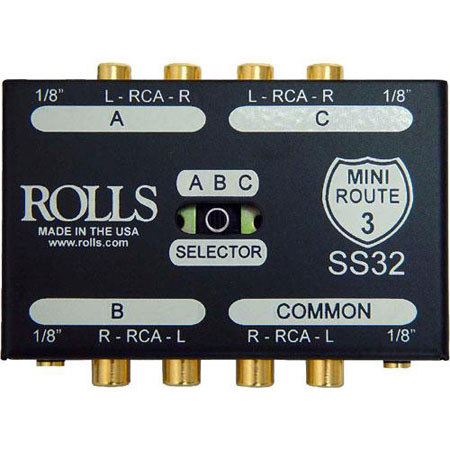
The versatility of rotary switches extends to countless creative and technical applications. In photography studios, these switches can be used to manage lighting arrays or select power sources, providing quick access to different configurations without the need for complex wiring. Audio enthusiasts might use rotary switches to toggle between speakers, adjust crossover frequencies, or fine-tune vintage receivers. As the days grow longer and projects move from the workbench to outdoor spaces or rehearsal rooms, the reliability and tactile satisfaction of rotary switches make them a favorite among those who value both form and function. Whether you’re building a custom control panel, restoring a cherished piece of equipment, or simply looking to add a professional touch to your latest invention, rotary switches offer a blend of durability, flexibility, and ease of use that stands the test of time. Their enduring popularity across industries and hobbies is a testament to their practical value and the unique sense of control they provide.
When considering rotary switches for your next project or upgrade, it’s important to think about the specific requirements of your application. The number of positions, current and voltage ratings, and physical size are all key factors that can influence your selection. For those working on musical instruments, such as electric guitars, rotary switches can open up a new world of tonal possibilities, allowing players to seamlessly switch between pickups or effects. If you’re interested in exploring more about this specialized use, you might find inspiration and options on our dedicated page for Electric Guitar Switches. In industrial and laboratory settings, rotary switches are valued for their reliability and ease of integration into control panels and test equipment, where clear feedback and longevity are crucial. During the warmer months, when DIY projects and studio upgrades often take center stage, rotary switches are a popular choice for those looking to enhance their equipment or bring new life to classic gear. They also make thoughtful gifts for makers, engineers, and musicians—anyone who appreciates hands-on control and the satisfying feel of a well-made switch.
The versatility of rotary switches extends to countless creative and technical applications. In photography studios, these switches can be used to manage lighting arrays or select power sources, providing quick access to different configurations without the need for complex wiring. Audio enthusiasts might use rotary switches to toggle between speakers, adjust crossover frequencies, or fine-tune vintage receivers. As the days grow longer and projects move from the workbench to outdoor spaces or rehearsal rooms, the reliability and tactile satisfaction of rotary switches make them a favorite among those who value both form and function. Whether you’re building a custom control panel, restoring a cherished piece of equipment, or simply looking to add a professional touch to your latest invention, rotary switches offer a blend of durability, flexibility, and ease of use that stands the test of time. Their enduring popularity across industries and hobbies is a testament to their practical value and the unique sense of control they provide.