Security Camera Cables
When it comes to building a reliable security system, the right security camera cables are just as essential as the cameras themselves. Whether you’re a homeowner looking to keep an eye on your property, a small business owner safeguarding your storefront, or a facilities manager responsible for a sprawling complex, choosing the correct camera cables can make all the difference in performance and peace of mind. As the days stretch longer and the weather warms, many people take the opportunity to upgrade their security systems, run new cable through attics or along fences, or even install outdoor cameras to cover entryways and driveways. The right security camera cable ensures you have clear, uninterrupted video feeds and dependable power delivery, whether you’re monitoring a backyard garden, a busy office parking lot, or a remote warehouse perimeter.
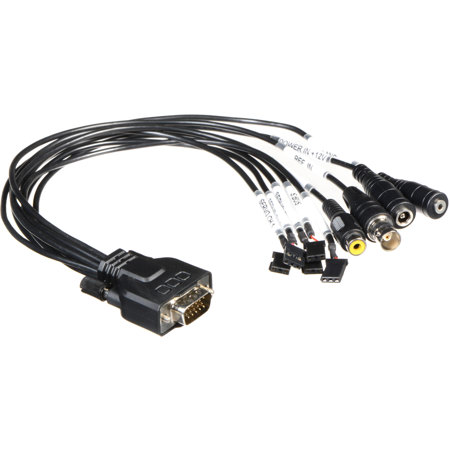
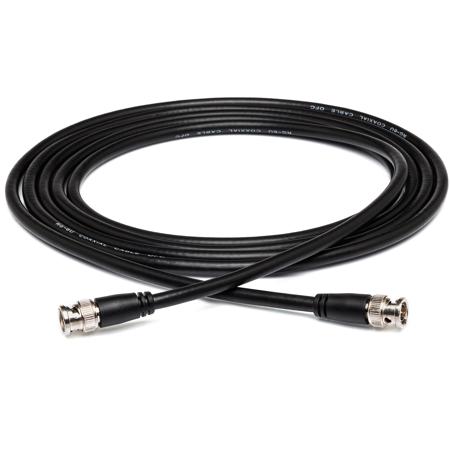
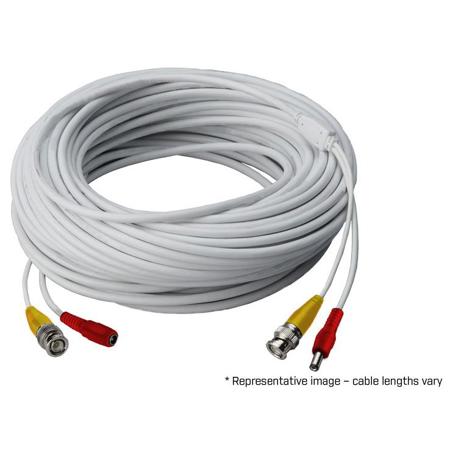
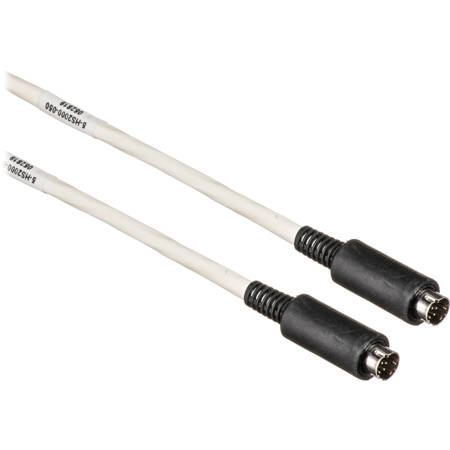
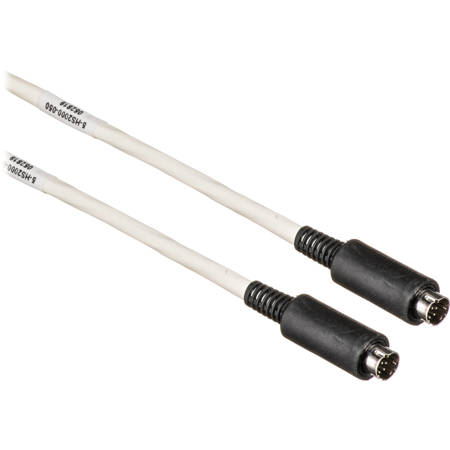
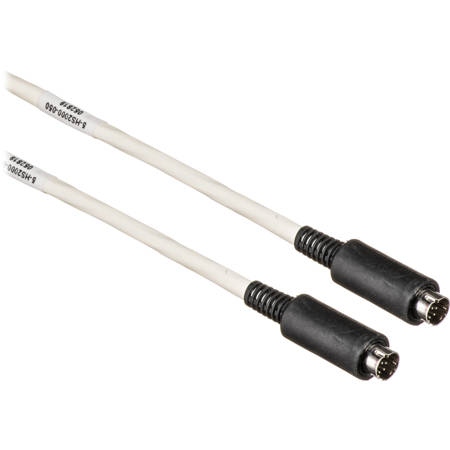
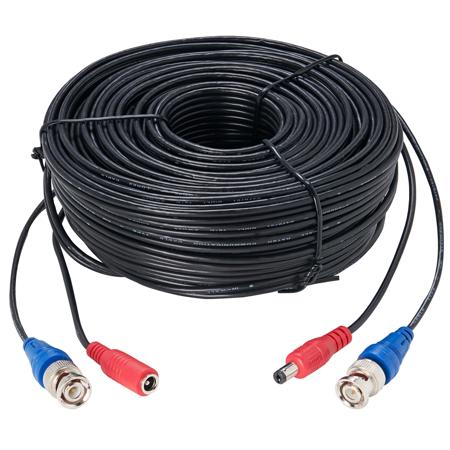
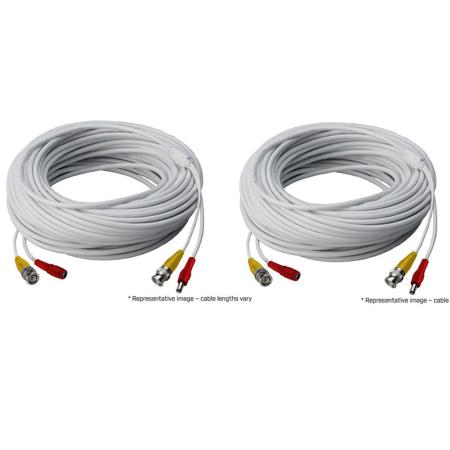
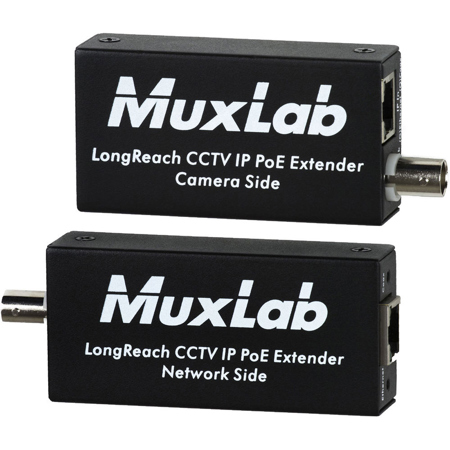
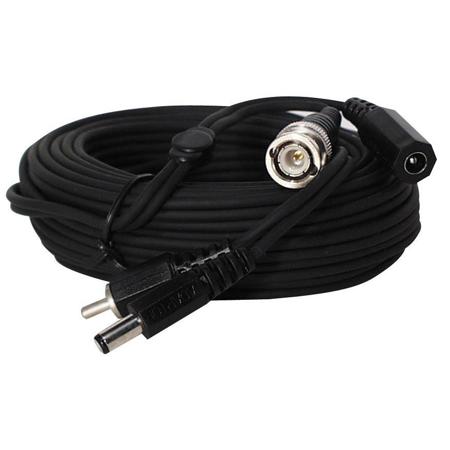
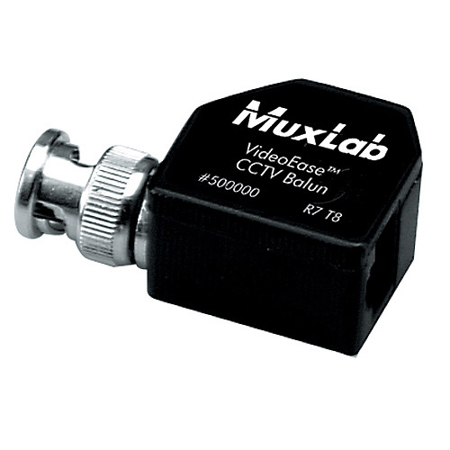
Selecting the proper security camera wire involves a few key considerations. Length is paramount—always measure the distance from your camera to your DVR or power supply, and allow a little extra slack for routing around corners or through walls. For shorter runs inside the home, pre-made surveillance camera cables with integrated video and power connectors can simplify installation, making them a popular choice for DIY enthusiasts and first-time installers. For larger properties or professional setups, longer cables—sometimes stretching 100 feet or more—are often required to connect distant cameras. In these cases, look for cables that minimize signal loss and interference, especially if you’re working with high-definition or 4K cameras. The type of cable matters as well: traditional analog systems typically use coaxial cables with BNC connectors, while newer IP cameras often rely on Ethernet cables (Cat5e or Cat6) that can also deliver power via PoE (Power over Ethernet). If you plan to run cables outdoors, through walls, or in areas exposed to the elements, it’s important to choose weatherproof or in-wall rated options for both safety and longevity. These ruggedized cables are designed to withstand sun, rain, and fluctuating temperatures, ensuring your system stays operational through summer storms or the cool, damp days of early fall.
Security camera cables can also make thoughtful gifts for tech-savvy friends, family members setting up a new home, or anyone with a passion for DIY security projects. There’s a special satisfaction in helping a loved one feel safer—whether it’s a parent looking to keep an eye on the front porch or a neighbor upgrading their backyard surveillance. Well-chosen cables make the installation process smoother and the final results more professional, with fewer headaches from dropped signals or tangled wires. For those interested in learning more about the different types of systems and compatible cables, our guide on Coaxial Cable Security Cameras provides additional insights into building a robust surveillance setup. No matter your experience level, investing in quality camera cables is a smart move that pays off every time you check your live feed or review crisp, reliable footage. With the right cables in place, you can focus on what matters most—knowing your property, loved ones, or business are protected, season after season.
Selecting the proper security camera wire involves a few key considerations. Length is paramount—always measure the distance from your camera to your DVR or power supply, and allow a little extra slack for routing around corners or through walls. For shorter runs inside the home, pre-made surveillance camera cables with integrated video and power connectors can simplify installation, making them a popular choice for DIY enthusiasts and first-time installers. For larger properties or professional setups, longer cables—sometimes stretching 100 feet or more—are often required to connect distant cameras. In these cases, look for cables that minimize signal loss and interference, especially if you’re working with high-definition or 4K cameras. The type of cable matters as well: traditional analog systems typically use coaxial cables with BNC connectors, while newer IP cameras often rely on Ethernet cables (Cat5e or Cat6) that can also deliver power via PoE (Power over Ethernet). If you plan to run cables outdoors, through walls, or in areas exposed to the elements, it’s important to choose weatherproof or in-wall rated options for both safety and longevity. These ruggedized cables are designed to withstand sun, rain, and fluctuating temperatures, ensuring your system stays operational through summer storms or the cool, damp days of early fall.
Security camera cables can also make thoughtful gifts for tech-savvy friends, family members setting up a new home, or anyone with a passion for DIY security projects. There’s a special satisfaction in helping a loved one feel safer—whether it’s a parent looking to keep an eye on the front porch or a neighbor upgrading their backyard surveillance. Well-chosen cables make the installation process smoother and the final results more professional, with fewer headaches from dropped signals or tangled wires. For those interested in learning more about the different types of systems and compatible cables, our guide on Coaxial Cable Security Cameras provides additional insights into building a robust surveillance setup. No matter your experience level, investing in quality camera cables is a smart move that pays off every time you check your live feed or review crisp, reliable footage. With the right cables in place, you can focus on what matters most—knowing your property, loved ones, or business are protected, season after season.