
Security Cameras For Airports
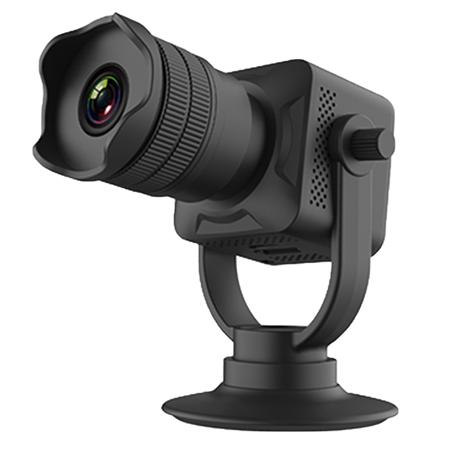
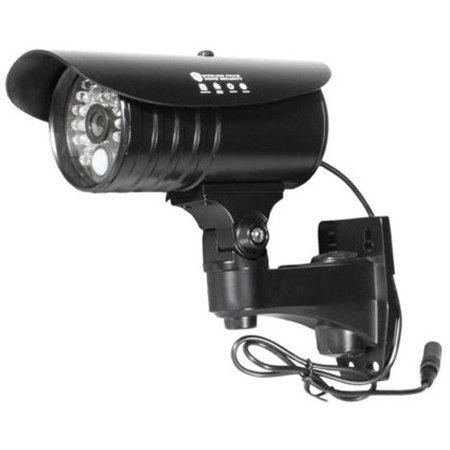
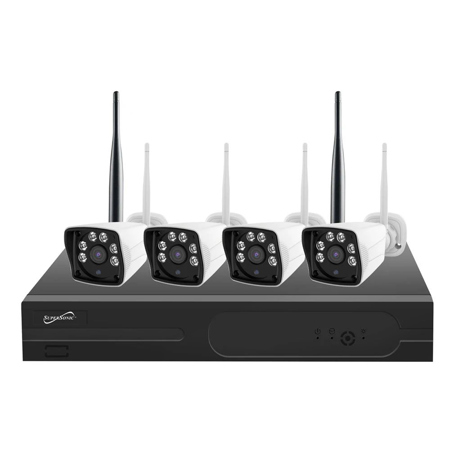
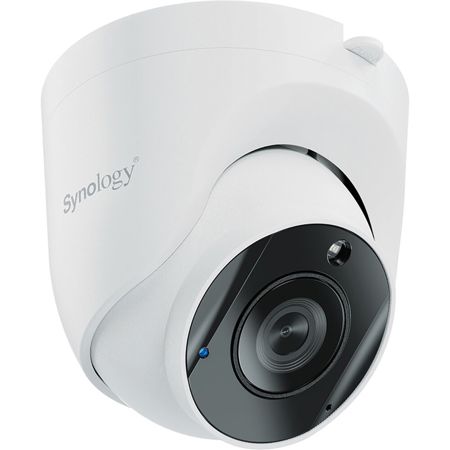
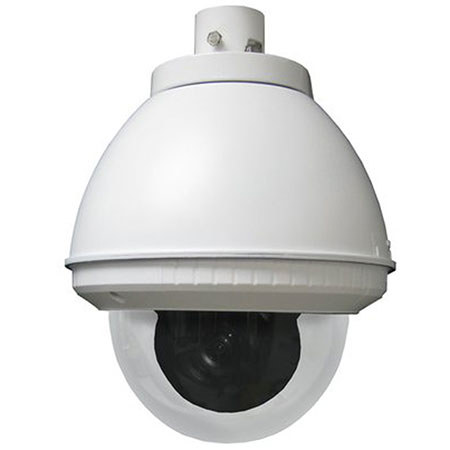
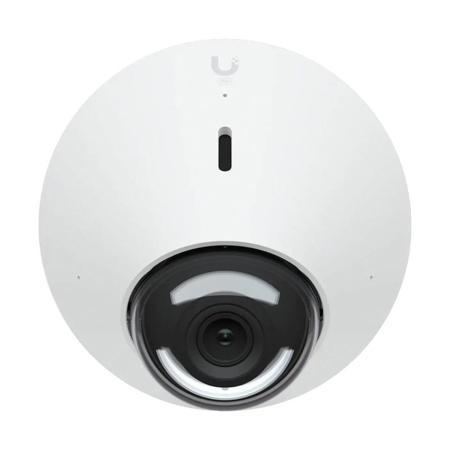
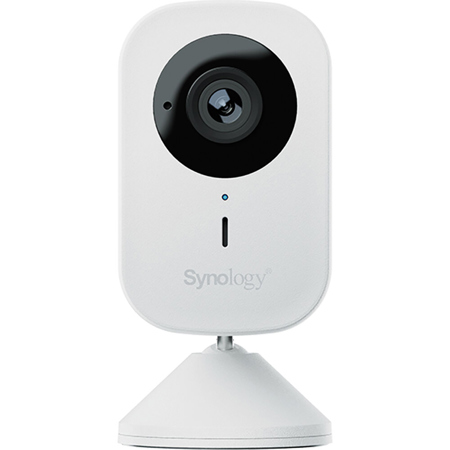
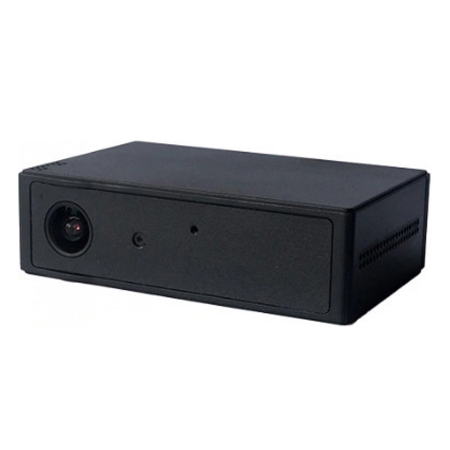
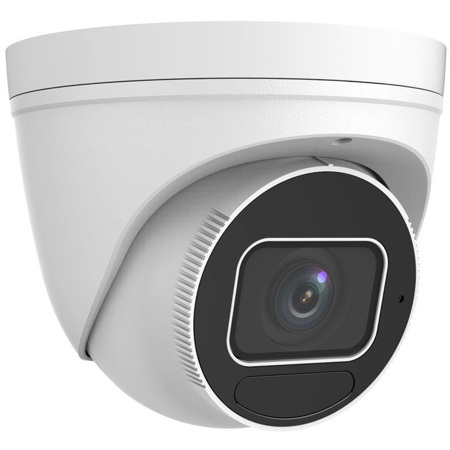
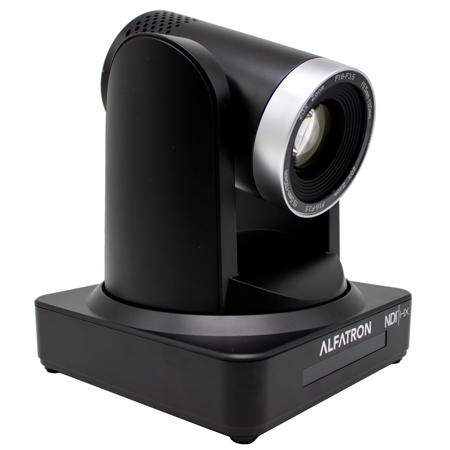
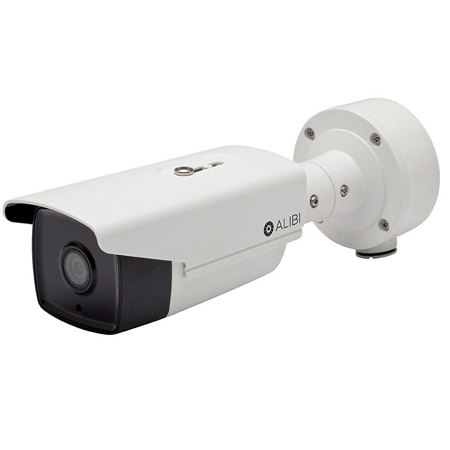
In the ever-evolving landscape of airport operations, security cameras play a pivotal role in protecting passengers, staff, and critical infrastructure. Modern airport security cameras are engineered to meet the unique demands of sprawling terminals, bustling concourses, and vast airside perimeters. These sophisticated systems employ high-definition imaging—sometimes reaching up to 61 megapixels—and leverage AI-powered analytics to deliver unparalleled clarity and real-time threat detection. PTZ (Pan-Tilt-Zoom) cameras are a common sight in these environments, providing operators with the flexibility to track moving targets and focus on high-risk zones, such as security checkpoints or baggage claim areas. Thermal and infrared imaging technologies ensure continuous surveillance, even in low-light or adverse weather conditions, detecting heat signatures that might otherwise go unnoticed. With panoramic and multifocal sensors, a single camera can monitor expansive runways or aprons, reducing the need for multiple units while maintaining comprehensive coverage. These advancements are particularly valuable during transitional seasons like March, when shifting daylight and unpredictable weather can challenge traditional monitoring methods.
Airport security cameras are not just about capturing footage—they are integrated tools that support regulatory compliance, facilitate efficient passenger flow, and enable rapid response to potential threats. Advanced analytics can identify patterns such as unattended baggage, monitor crowd density, and recognize license plates entering restricted areas. Audio detection capabilities add another layer of situational awareness, capturing sounds that may indicate escalating incidents. As airports expand or renovate, the ability to integrate new camera systems with existing infrastructure is crucial for seamless operation. Cellular and 4G-enabled cameras offer flexible solutions for remote or off-grid locations, such as perimeter fencing or maintenance yards, where Wi-Fi access may be limited. These systems are indispensable for airport security teams, law enforcement agencies, and facility managers who require comprehensive, real-time monitoring to safeguard both public and restricted zones. They are also valuable for contractors and consultants tasked with designing security upgrades, offering scalable options that adapt to changing needs and regulatory requirements.
Selecting the right airport security cameras involves careful consideration of coverage area, image resolution, connectivity, and integration capabilities. It’s essential to match camera types and features to the unique challenges of each airport zone, from high-traffic terminals to secluded maintenance facilities. For those managing security across multiple property types, it may be helpful to compare solutions designed for other environments, such as Security Cameras For Hotels, to understand the nuances of surveillance requirements. Whether for daily operations, special events, or seasonal surges in passenger volume, investing in advanced security camera systems is a proactive step toward creating safer, more resilient airports. As spring travel picks up and airports prepare for increased activity, robust surveillance infrastructure ensures peace of mind for travelers and staff alike, providing a vigilant watch over every corner of these dynamic, high-stakes environments.
Airport security cameras are not just about capturing footage—they are integrated tools that support regulatory compliance, facilitate efficient passenger flow, and enable rapid response to potential threats. Advanced analytics can identify patterns such as unattended baggage, monitor crowd density, and recognize license plates entering restricted areas. Audio detection capabilities add another layer of situational awareness, capturing sounds that may indicate escalating incidents. As airports expand or renovate, the ability to integrate new camera systems with existing infrastructure is crucial for seamless operation. Cellular and 4G-enabled cameras offer flexible solutions for remote or off-grid locations, such as perimeter fencing or maintenance yards, where Wi-Fi access may be limited. These systems are indispensable for airport security teams, law enforcement agencies, and facility managers who require comprehensive, real-time monitoring to safeguard both public and restricted zones. They are also valuable for contractors and consultants tasked with designing security upgrades, offering scalable options that adapt to changing needs and regulatory requirements.
Selecting the right airport security cameras involves careful consideration of coverage area, image resolution, connectivity, and integration capabilities. It’s essential to match camera types and features to the unique challenges of each airport zone, from high-traffic terminals to secluded maintenance facilities. For those managing security across multiple property types, it may be helpful to compare solutions designed for other environments, such as Security Cameras For Hotels, to understand the nuances of surveillance requirements. Whether for daily operations, special events, or seasonal surges in passenger volume, investing in advanced security camera systems is a proactive step toward creating safer, more resilient airports. As spring travel picks up and airports prepare for increased activity, robust surveillance infrastructure ensures peace of mind for travelers and staff alike, providing a vigilant watch over every corner of these dynamic, high-stakes environments.