Hospital Security Camera Systems
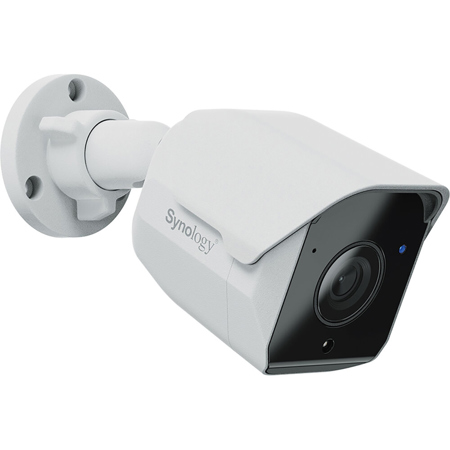
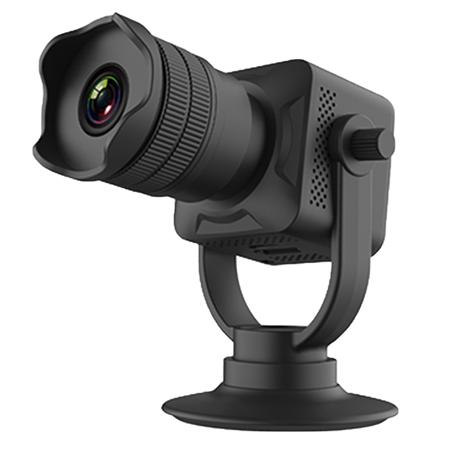
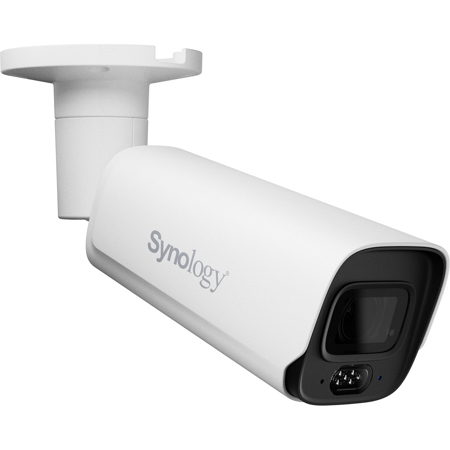
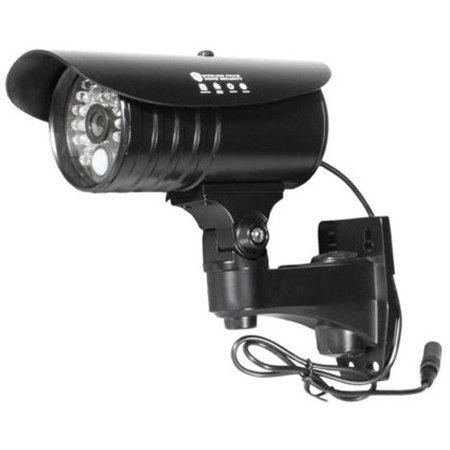
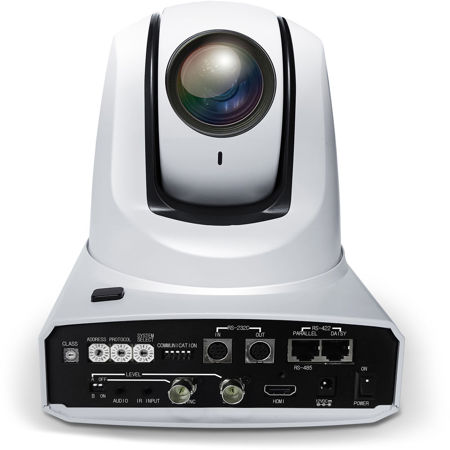
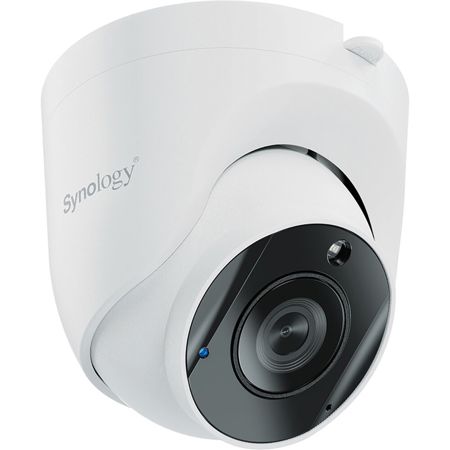
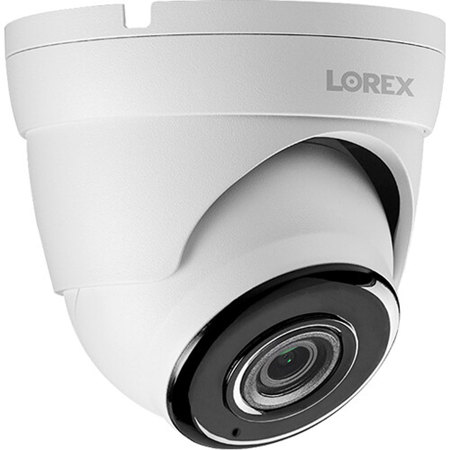
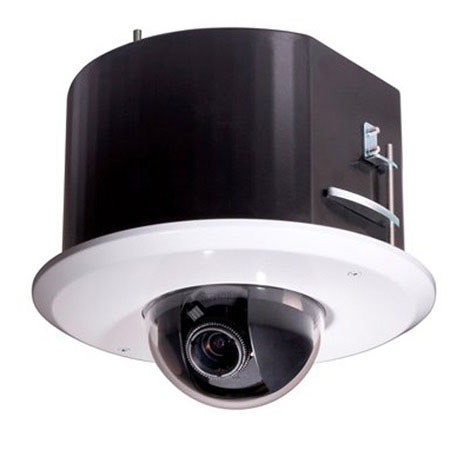
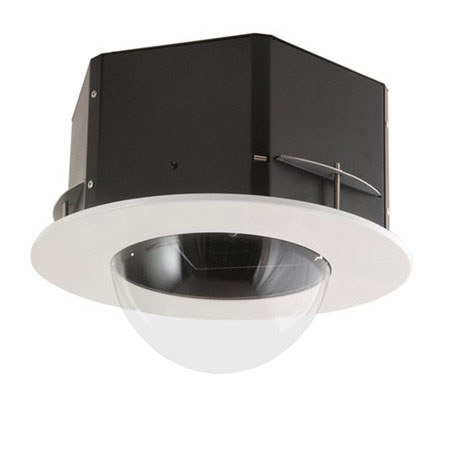
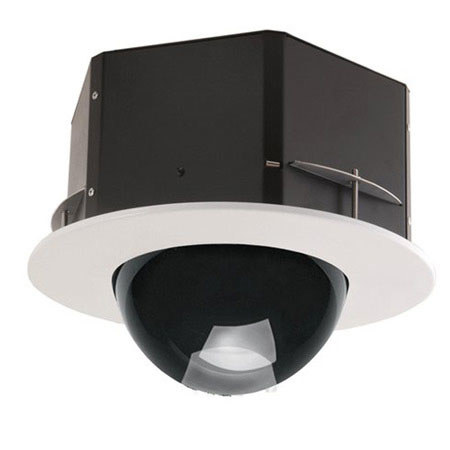
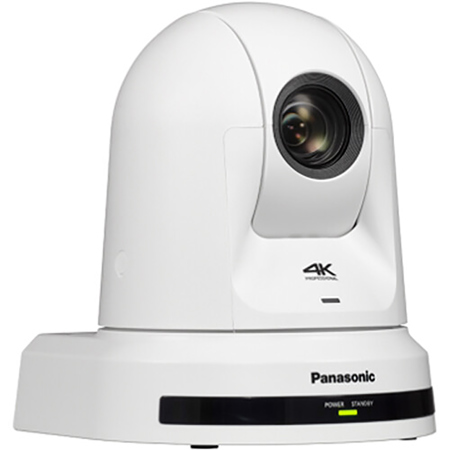
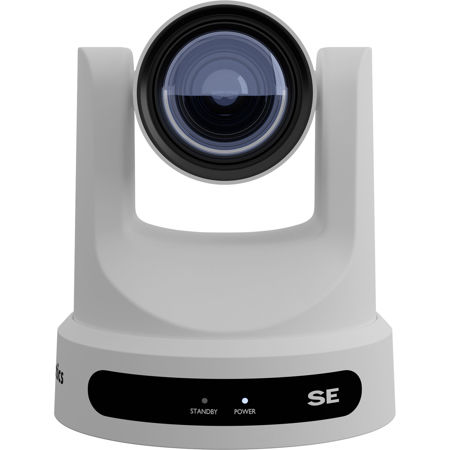
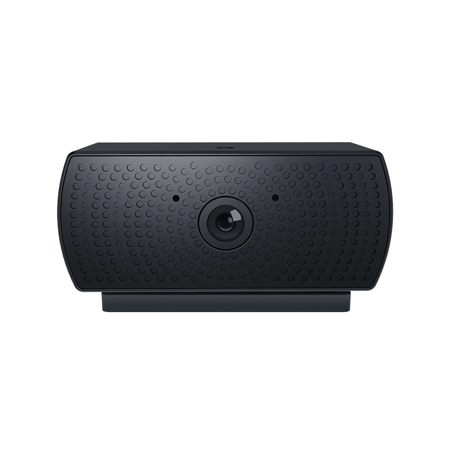
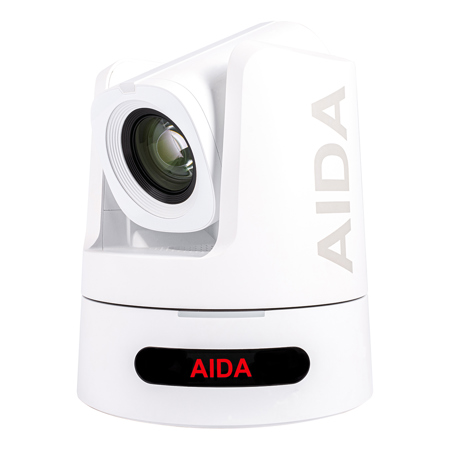
In today’s healthcare environments, hospital security camera systems have become indispensable tools for maintaining safety, protecting sensitive areas, and supporting the well-being of patients and staff alike. As hospitals and medical facilities operate around the clock, the need for robust surveillance is more pronounced than ever, especially during the transitional months of spring, when visitor traffic often increases and outdoor conditions can be unpredictable. Modern security camera systems are designed to meet the unique challenges of healthcare settings, offering advanced features such as high-definition imaging, real-time analytics, and AI-powered threat detection. These systems not only help deter unauthorized access and safeguard restricted zones like pharmacies, medication storage rooms, and records departments, but also enhance patient care by enabling remote monitoring of high-risk individuals. For example, telesitting solutions allow staff to observe patients prone to falls or other emergencies without the need for constant in-room supervision, reducing both risk and liability. Night-vision capabilities, weatherproof designs for external coverage, and seamless integration with access control systems ensure comprehensive protection across every corner of a hospital campus, from bustling emergency entrances to quiet administrative corridors.
Selecting the right hospital security camera system involves a thoughtful assessment of several factors. Compliance with privacy regulations such as HIPAA is paramount, particularly when placing cameras in areas where patient confidentiality must be maintained. Many contemporary systems are engineered to support these requirements, offering customizable privacy masking and secure data management protocols. The integration of two-way audio, noise cancellation, and advanced video analytics further empowers security teams to respond swiftly to incidents and collaborate effectively with clinical staff. For facilities looking to streamline operations, centralized management platforms simplify monitoring and reduce training time, allowing security personnel to focus on proactive safety measures rather than navigating complex interfaces. Hospital administrators, IT professionals, and facility managers are typically involved in these purchasing decisions, but these camera systems can also be a thoughtful investment for healthcare organizations seeking to upgrade their infrastructure or for donors wishing to contribute meaningfully to community safety. In addition, those overseeing the security of outpatient clinics, rehabilitation centers, or even large medical office buildings will find that these solutions offer scalable performance and long-term reliability. For organizations with broader surveillance needs that extend beyond healthcare, exploring options like Industrial Security Camera Systems can provide valuable insights into ruggedized and adaptable equipment suitable for demanding environments.
As the season shifts and hospitals prepare for increased activity—whether due to springtime illnesses, elective procedures, or community events—having a dependable security camera system in place is essential for fostering a secure, welcoming atmosphere. The latest systems not only capture crystal-clear footage in a variety of lighting conditions but also leverage AI to identify unusual behavior, detect potential threats such as weapons, and send real-time alerts to security staff. This level of intelligence transforms surveillance from a passive deterrent to an active component of hospital safety protocols. Whether monitoring busy parking structures, securing ambulance bays, or ensuring the privacy of patient recovery areas, modern hospital security camera systems are engineered to adapt to the evolving needs of healthcare facilities. By investing in technology that prioritizes both security and compliance, hospitals can provide peace of mind for patients, families, and staff—creating an environment where healing and care remain the central focus.
Selecting the right hospital security camera system involves a thoughtful assessment of several factors. Compliance with privacy regulations such as HIPAA is paramount, particularly when placing cameras in areas where patient confidentiality must be maintained. Many contemporary systems are engineered to support these requirements, offering customizable privacy masking and secure data management protocols. The integration of two-way audio, noise cancellation, and advanced video analytics further empowers security teams to respond swiftly to incidents and collaborate effectively with clinical staff. For facilities looking to streamline operations, centralized management platforms simplify monitoring and reduce training time, allowing security personnel to focus on proactive safety measures rather than navigating complex interfaces. Hospital administrators, IT professionals, and facility managers are typically involved in these purchasing decisions, but these camera systems can also be a thoughtful investment for healthcare organizations seeking to upgrade their infrastructure or for donors wishing to contribute meaningfully to community safety. In addition, those overseeing the security of outpatient clinics, rehabilitation centers, or even large medical office buildings will find that these solutions offer scalable performance and long-term reliability. For organizations with broader surveillance needs that extend beyond healthcare, exploring options like Industrial Security Camera Systems can provide valuable insights into ruggedized and adaptable equipment suitable for demanding environments.
As the season shifts and hospitals prepare for increased activity—whether due to springtime illnesses, elective procedures, or community events—having a dependable security camera system in place is essential for fostering a secure, welcoming atmosphere. The latest systems not only capture crystal-clear footage in a variety of lighting conditions but also leverage AI to identify unusual behavior, detect potential threats such as weapons, and send real-time alerts to security staff. This level of intelligence transforms surveillance from a passive deterrent to an active component of hospital safety protocols. Whether monitoring busy parking structures, securing ambulance bays, or ensuring the privacy of patient recovery areas, modern hospital security camera systems are engineered to adapt to the evolving needs of healthcare facilities. By investing in technology that prioritizes both security and compliance, hospitals can provide peace of mind for patients, families, and staff—creating an environment where healing and care remain the central focus.