Serial Port Cables
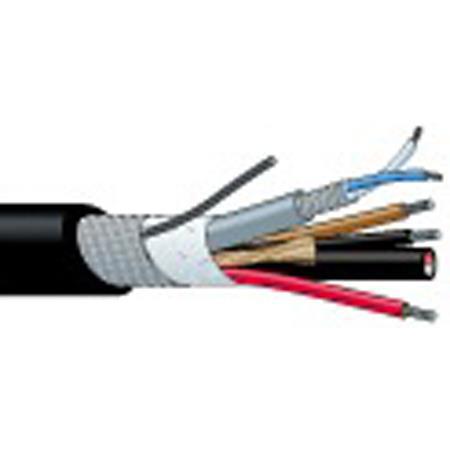
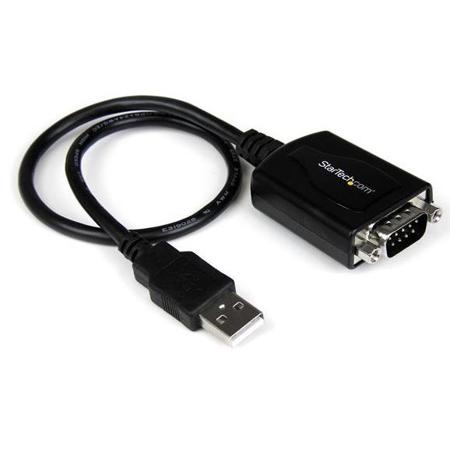
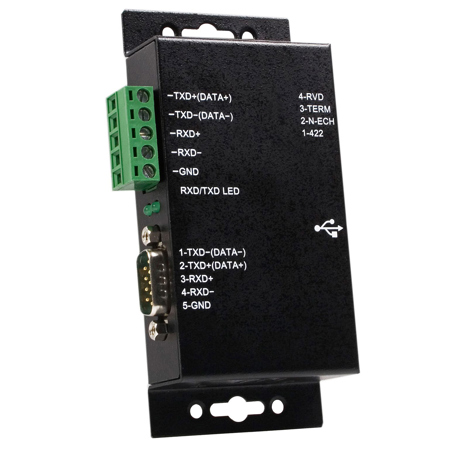
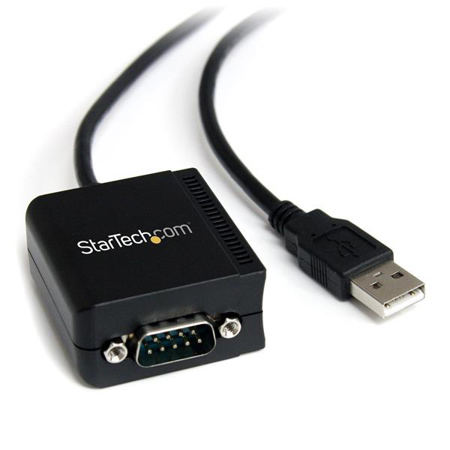
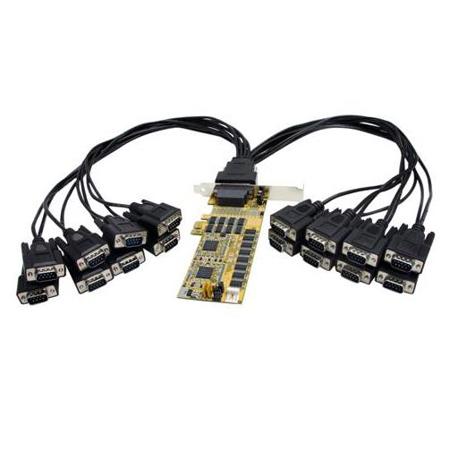
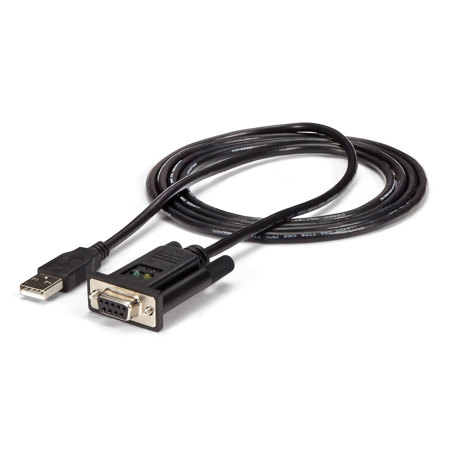
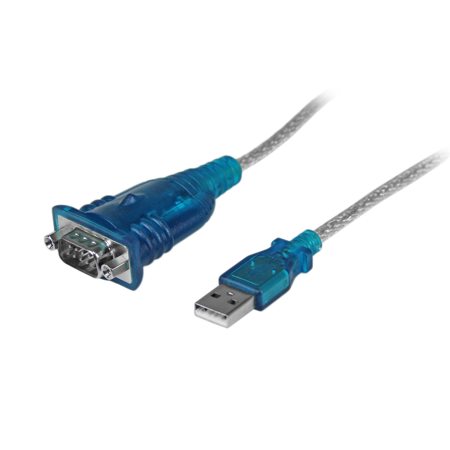
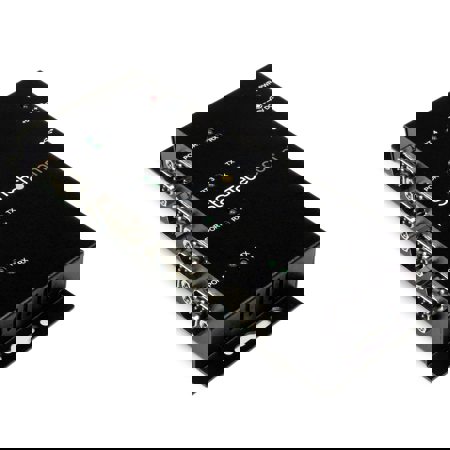
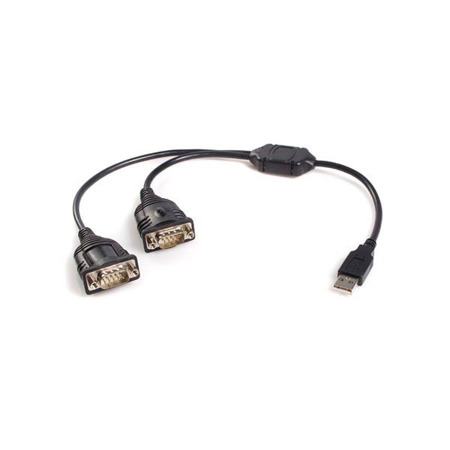
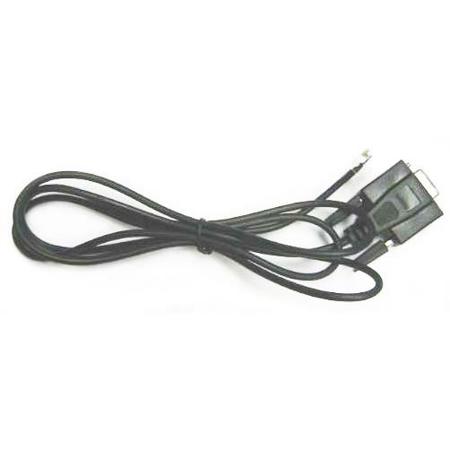
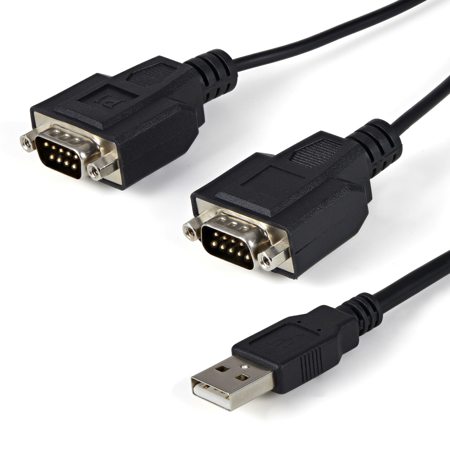
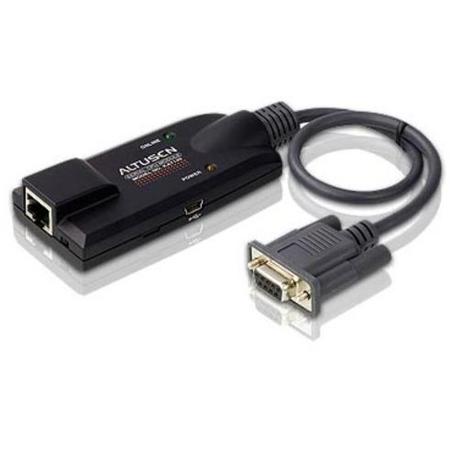
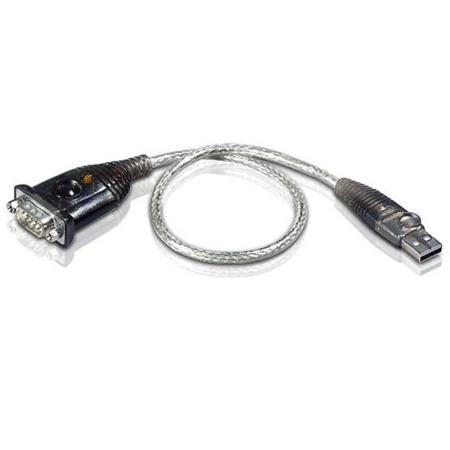
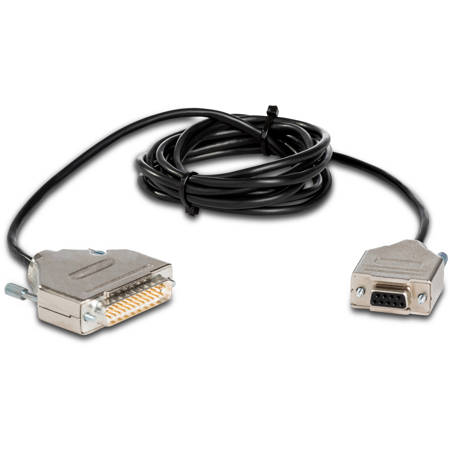
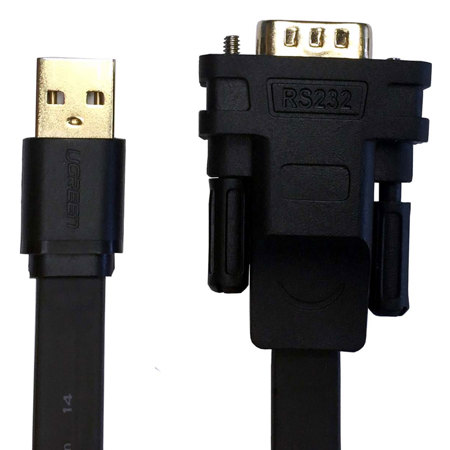
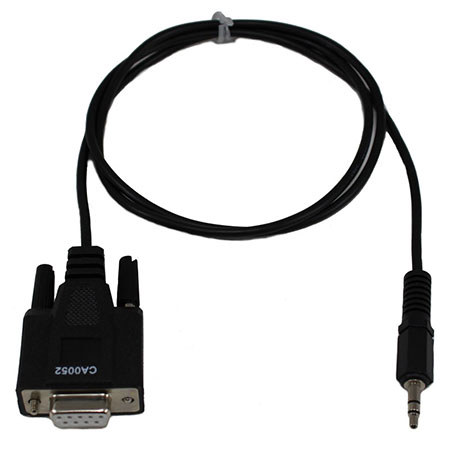
Serial port cables remain an essential tool for connecting, configuring, and maintaining a wide variety of devices, especially in professional, industrial, and legacy computing environments. Despite the shift toward USB and wireless technologies, many specialized systems—such as laboratory instruments, industrial controllers, point-of-sale terminals, and networking equipment—continue to rely on the reliable communication protocols provided by serial connections. Whether you’re a network engineer setting up routers and switches with a console cable, a technician interfacing with legacy medical equipment, or an enthusiast restoring vintage computers, having the right serial port cable is indispensable. These cables come in several variations, including DB9 and DB25 connectors for classic RS-232 interfaces, null modem cables for direct device-to-device communication, and USB-to-serial adapters that bridge the gap between modern computers and older hardware. Selecting the appropriate cable depends on the specific devices in use and the communication requirements—straight-through cables are ideal for connecting data terminal equipment (DTE) to data communication equipment (DCE) like modems, while null modem cables are suited for linking two DTE devices directly by crossing transmit and receive lines. Console cables, often featuring an RJ45-to-DB9 or RJ45-to-USB configuration, are a staple for IT professionals managing network infrastructure, allowing direct access to device management ports for configuration and troubleshooting.
As the weather transitions from the warmth of summer into the cooler days of fall, many professionals and hobbyists find themselves tackling new projects or updating their workspaces. This time of year is popular for refreshing home labs, upgrading office setups, or preparing for the busy months ahead in educational and technical environments. Serial port cables make thoughtful, practical gifts for anyone passionate about technology—whether it’s a student learning about embedded systems, a family member maintaining vintage electronics, or a colleague managing complex data networks. When choosing a serial cable, it’s important to consider not only the connector type and pinout but also cable length, shielding quality, and compatibility with terminal emulation software like PuTTY or Tera Term. Modern USB-to-serial adapters often require drivers to emulate a COM port, and careful configuration of baud rate, data bits, parity, and stop bits ensures reliable communication with connected devices. Investing in high-quality cables can prevent data errors and signal loss, especially in environments with electrical interference or when longer cable runs are necessary. For those seeking a broader selection or needing to interface with a variety of equipment, exploring a full range of Interface Cables can help ensure you have the right solution for every connection challenge.
Whether you’re preparing for a new academic year, outfitting a workshop, or simply keeping legacy systems running smoothly, serial port cables are a foundational component for countless technical tasks. Their enduring relevance in both professional and enthusiast circles speaks to their reliability and versatility. As technology continues to evolve, these cables bridge the gap between old and new, enabling seamless communication and control across generations of hardware. From configuring network switches in a data center to restoring a classic computer in a home office, the right serial port cable can make all the difference in efficiency and success.
As the weather transitions from the warmth of summer into the cooler days of fall, many professionals and hobbyists find themselves tackling new projects or updating their workspaces. This time of year is popular for refreshing home labs, upgrading office setups, or preparing for the busy months ahead in educational and technical environments. Serial port cables make thoughtful, practical gifts for anyone passionate about technology—whether it’s a student learning about embedded systems, a family member maintaining vintage electronics, or a colleague managing complex data networks. When choosing a serial cable, it’s important to consider not only the connector type and pinout but also cable length, shielding quality, and compatibility with terminal emulation software like PuTTY or Tera Term. Modern USB-to-serial adapters often require drivers to emulate a COM port, and careful configuration of baud rate, data bits, parity, and stop bits ensures reliable communication with connected devices. Investing in high-quality cables can prevent data errors and signal loss, especially in environments with electrical interference or when longer cable runs are necessary. For those seeking a broader selection or needing to interface with a variety of equipment, exploring a full range of Interface Cables can help ensure you have the right solution for every connection challenge.
Whether you’re preparing for a new academic year, outfitting a workshop, or simply keeping legacy systems running smoothly, serial port cables are a foundational component for countless technical tasks. Their enduring relevance in both professional and enthusiast circles speaks to their reliability and versatility. As technology continues to evolve, these cables bridge the gap between old and new, enabling seamless communication and control across generations of hardware. From configuring network switches in a data center to restoring a classic computer in a home office, the right serial port cable can make all the difference in efficiency and success.