Shelf Life Batteries
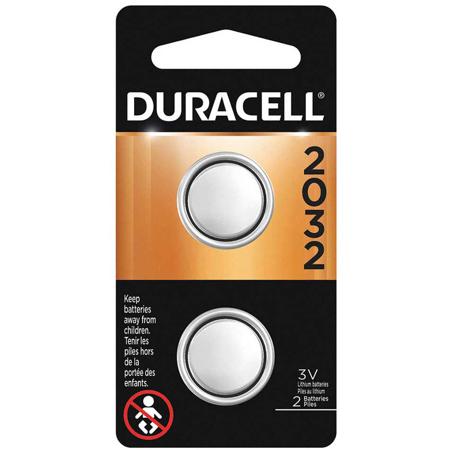
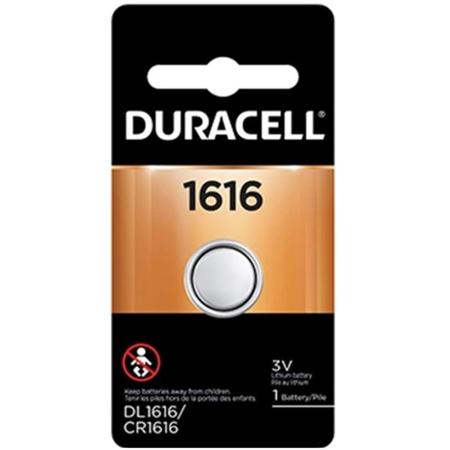
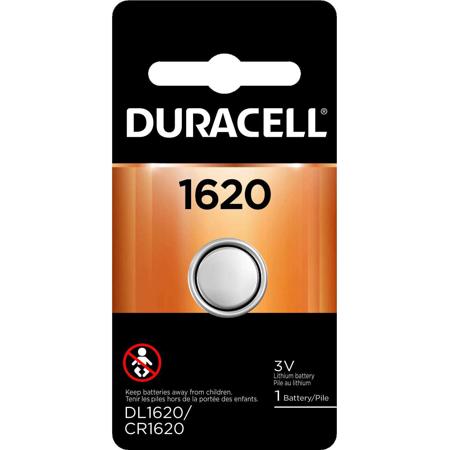
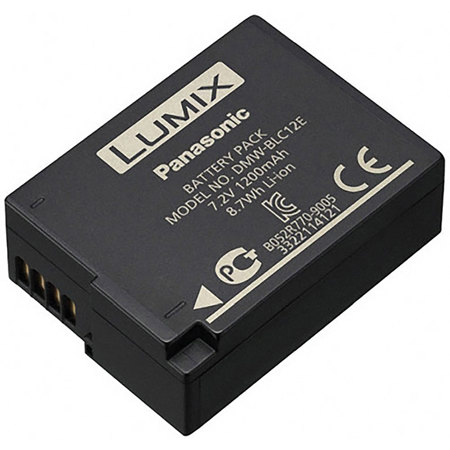
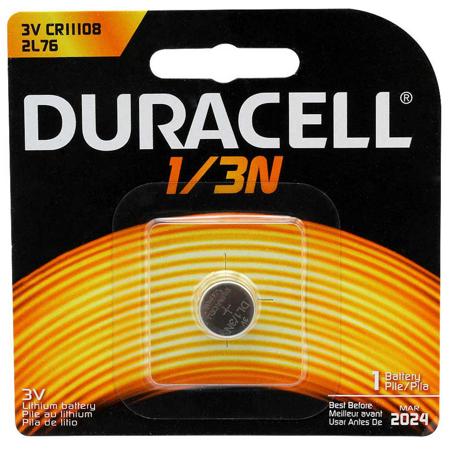
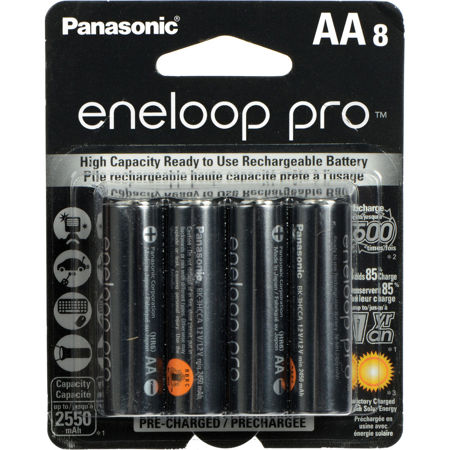
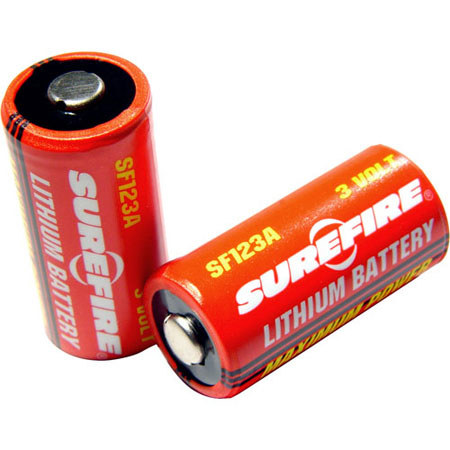
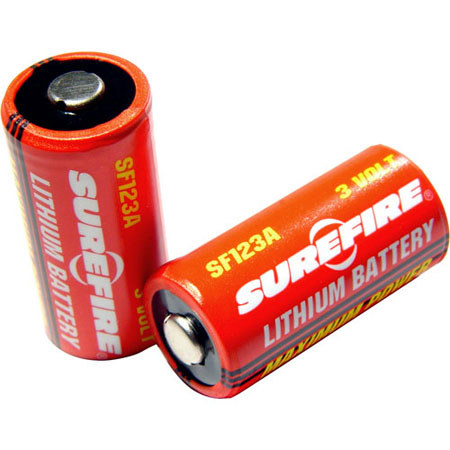
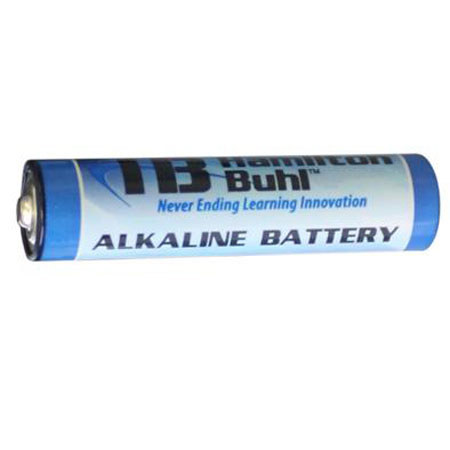
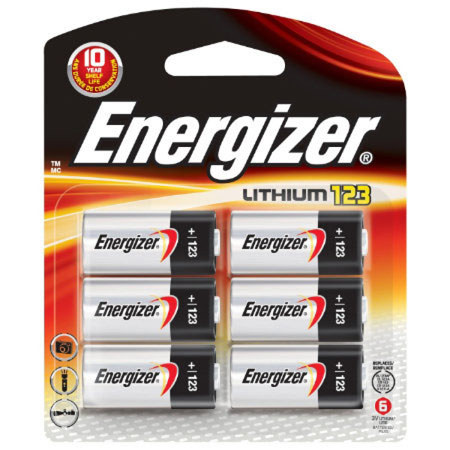
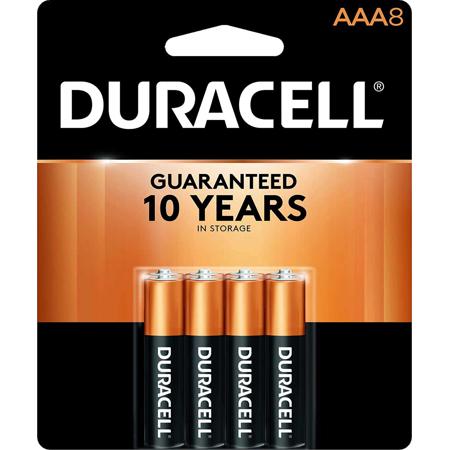
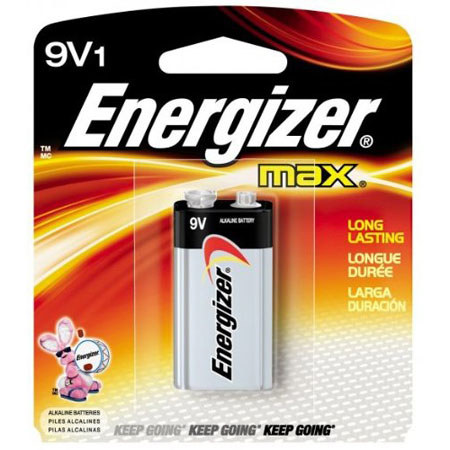
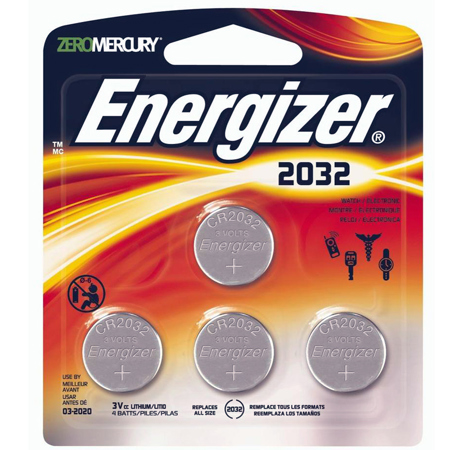
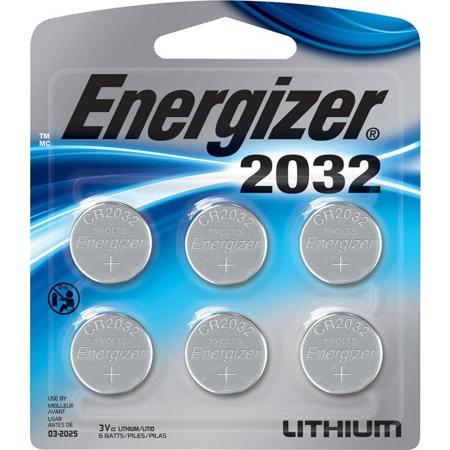
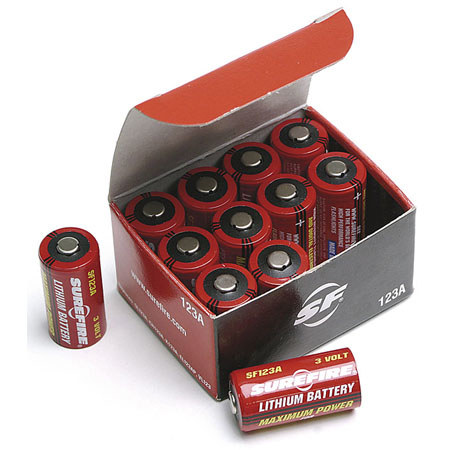
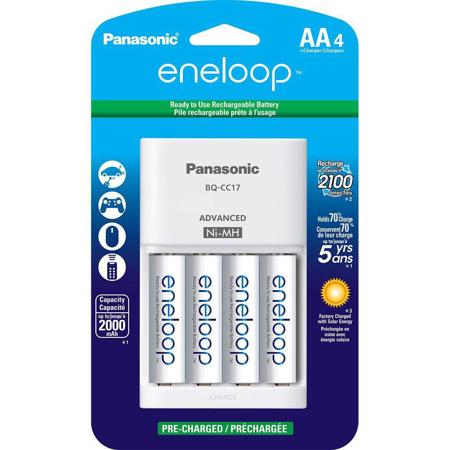
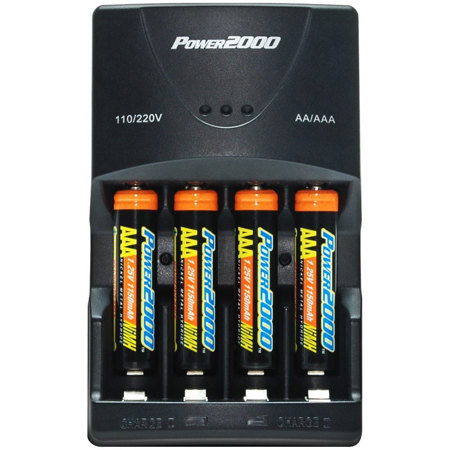
When it comes to powering essential devices and keeping your gear ready for action, understanding the shelf life of batteries is crucial. Shelf life refers to how long a battery can remain in storage while still retaining enough charge and performance for reliable use. Whether you’re a professional photographer preparing for a busy season, a traveler organizing backup power for summer adventures, or simply someone who likes to keep a well-stocked emergency kit, choosing batteries with the right shelf life can make all the difference. Battery chemistry plays a significant role here: standard alkaline batteries, commonly found in AA, AAA, and 9V sizes, are known for their impressive stability, often lasting five to ten years in storage when kept in the right conditions. Primary lithium batteries, such as CR123A and coin cells, go even further, boasting shelf lives of up to 10 to 15 years, making them a popular choice for critical applications like smoke detectors, high-performance flashlights, and long-term preparedness kits. On the other hand, rechargeable options like lithium-ion and NiMH (nickel-metal hydride) batteries offer the convenience of reusability, but their shelf life is generally shorter, typically ranging from three to five years for NiMH and up to four years for lithium-ion, even if they remain unused.
Selecting the right battery for your needs involves more than just chemistry and shelf life—it’s also about considering how and where the batteries will be used. For those who rely on gear that might sit idle for weeks or months at a time, such as backup camera flashes, wireless microphones, or emergency radios, batteries with longer shelf lives are invaluable. As the weather warms and outdoor activities pick up, having fresh, reliable batteries on hand can be essential for family reunions, camping trips, or capturing spontaneous moments. Gift-givers often find that batteries—especially those with extended shelf lives—are thoughtful additions to gadgets, toys, or tech gifts, ensuring the recipient can enjoy their new device right out of the box and for months or years to come. Proper storage is key to maximizing shelf life: keep batteries in a cool, dry place, ideally between 50°F and 70°F, and avoid exposure to extreme heat or direct sunlight, which can accelerate chemical degradation and lead to leaks. For rechargeables, storing them partially charged (around 40–60%) helps preserve their longevity, while keeping unused batteries in their original packaging or ensuring their terminals don’t touch prevents accidental discharge or short circuits. If your devices require a steady, low current over a long period—such as in remote controls, clocks, or smoke alarms—consider exploring our selection of Low Drain Batteries for optimal performance and extended shelf life.
Whether you’re building out a professional kit, preparing for emergencies, or simply looking to keep your household running smoothly, investing in batteries with the right shelf life helps prevent the frustration of finding dead cells when you need power most. The peace of mind that comes from knowing your batteries are ready—whether tucked away for a rainy day or waiting in your camera bag for the perfect shot—is invaluable. With thoughtful storage and the right battery type for your application, you can ensure your devices are powered up and reliable through the changing seasons, from summer’s outdoor adventures to the early hints of fall.
Selecting the right battery for your needs involves more than just chemistry and shelf life—it’s also about considering how and where the batteries will be used. For those who rely on gear that might sit idle for weeks or months at a time, such as backup camera flashes, wireless microphones, or emergency radios, batteries with longer shelf lives are invaluable. As the weather warms and outdoor activities pick up, having fresh, reliable batteries on hand can be essential for family reunions, camping trips, or capturing spontaneous moments. Gift-givers often find that batteries—especially those with extended shelf lives—are thoughtful additions to gadgets, toys, or tech gifts, ensuring the recipient can enjoy their new device right out of the box and for months or years to come. Proper storage is key to maximizing shelf life: keep batteries in a cool, dry place, ideally between 50°F and 70°F, and avoid exposure to extreme heat or direct sunlight, which can accelerate chemical degradation and lead to leaks. For rechargeables, storing them partially charged (around 40–60%) helps preserve their longevity, while keeping unused batteries in their original packaging or ensuring their terminals don’t touch prevents accidental discharge or short circuits. If your devices require a steady, low current over a long period—such as in remote controls, clocks, or smoke alarms—consider exploring our selection of Low Drain Batteries for optimal performance and extended shelf life.
Whether you’re building out a professional kit, preparing for emergencies, or simply looking to keep your household running smoothly, investing in batteries with the right shelf life helps prevent the frustration of finding dead cells when you need power most. The peace of mind that comes from knowing your batteries are ready—whether tucked away for a rainy day or waiting in your camera bag for the perfect shot—is invaluable. With thoughtful storage and the right battery type for your application, you can ensure your devices are powered up and reliable through the changing seasons, from summer’s outdoor adventures to the early hints of fall.