

Shielded USB Cables
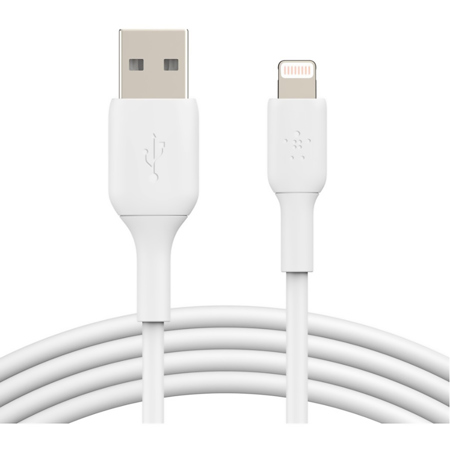
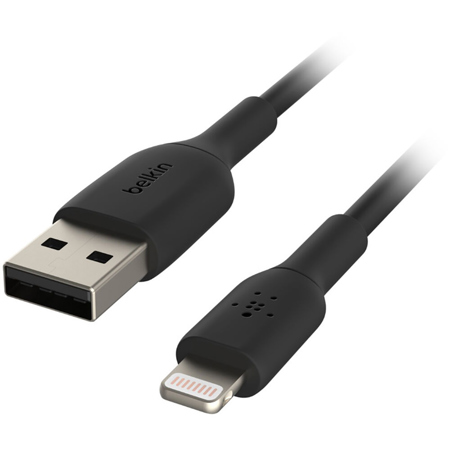
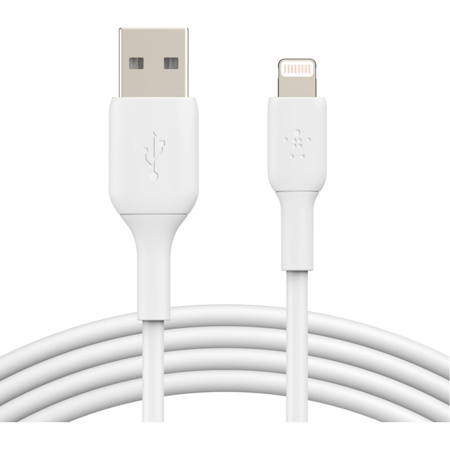
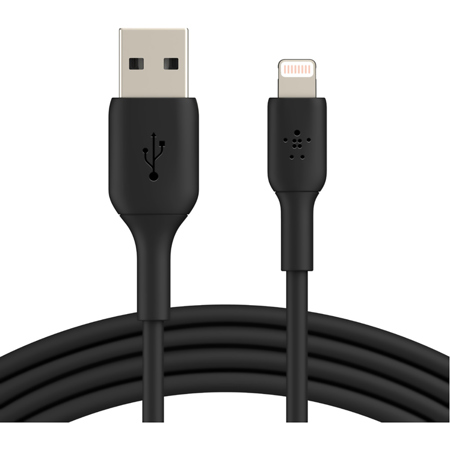
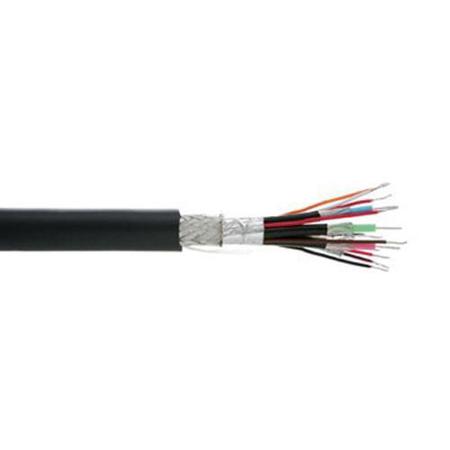
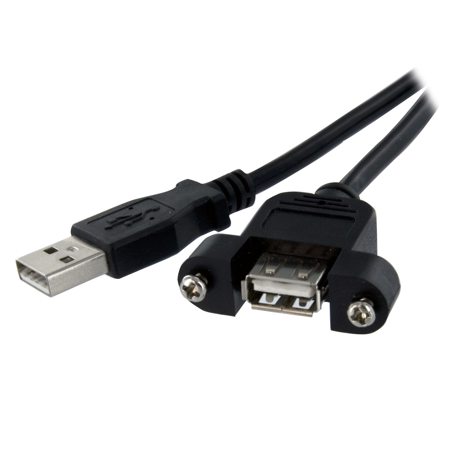
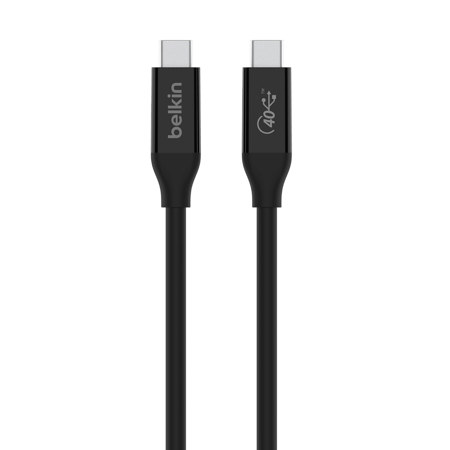
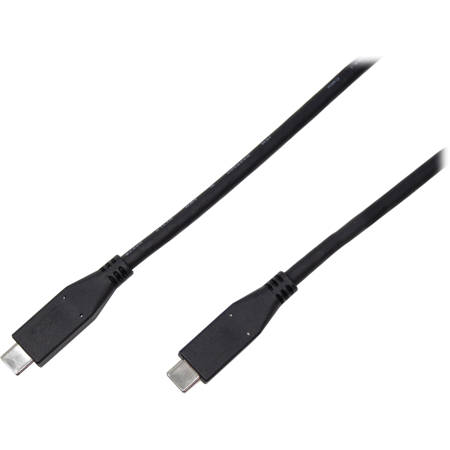
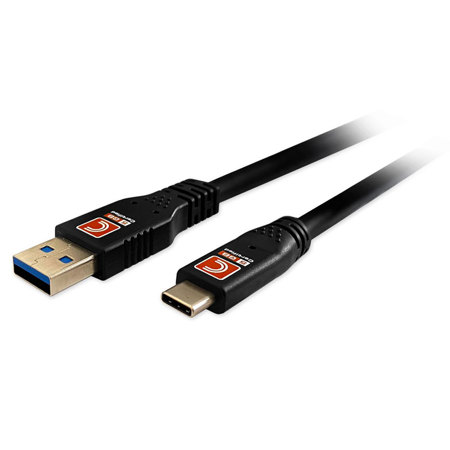
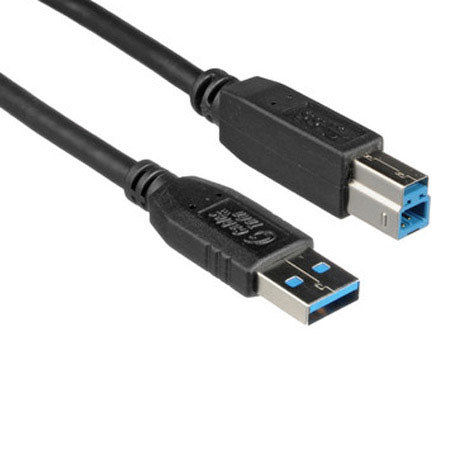
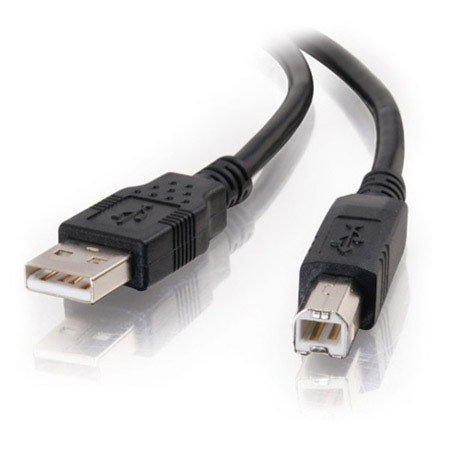
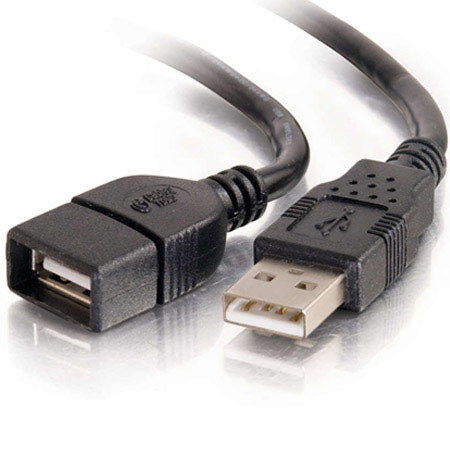
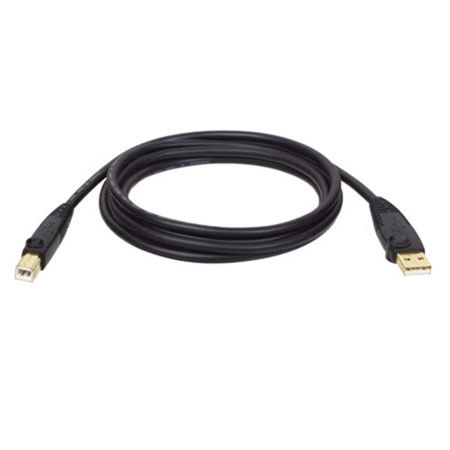
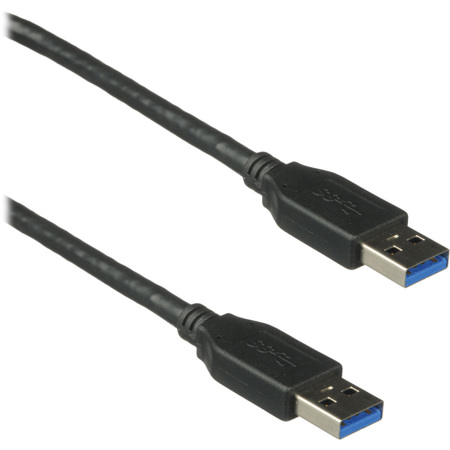
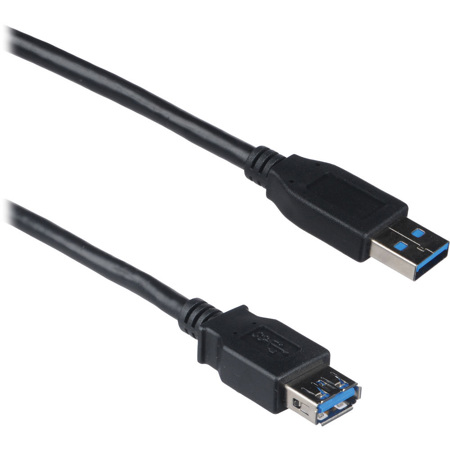
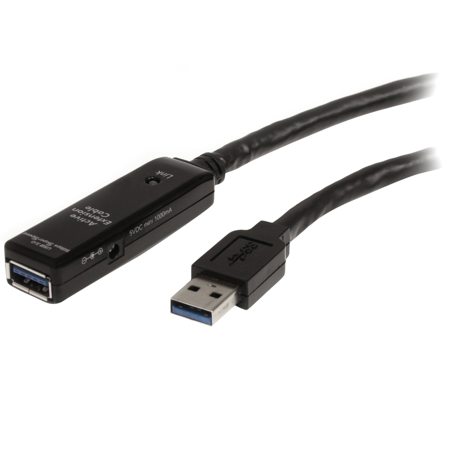
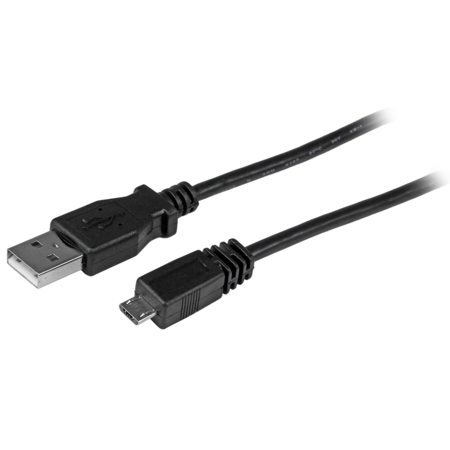
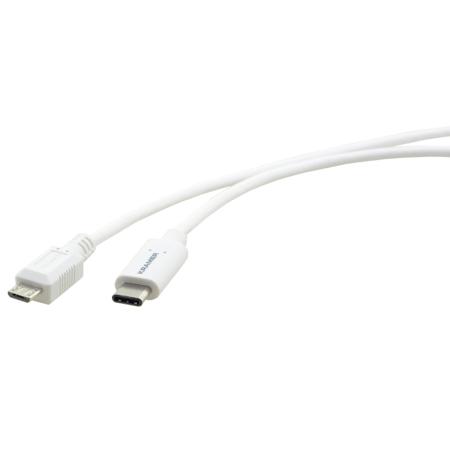
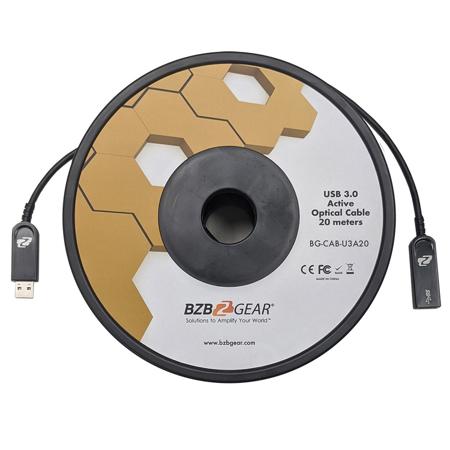
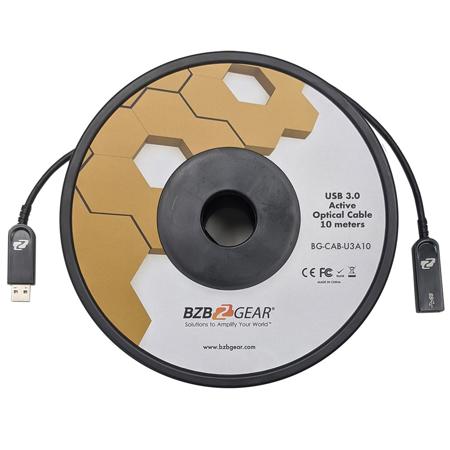
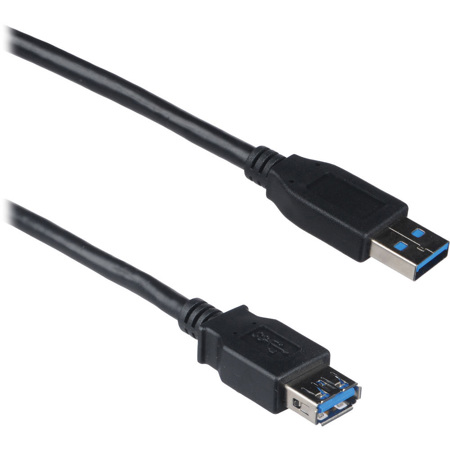
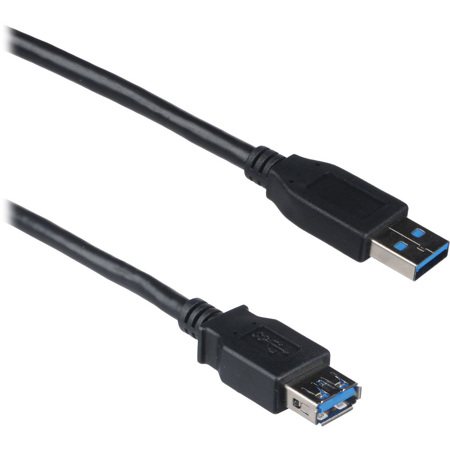
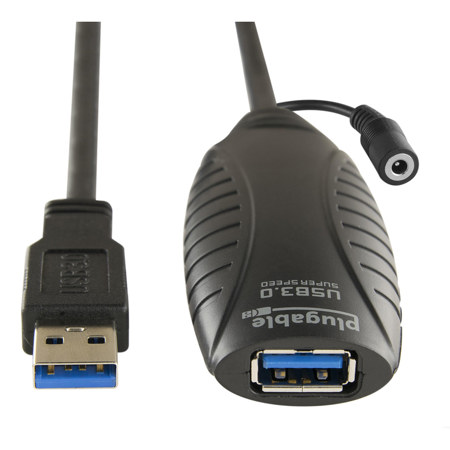
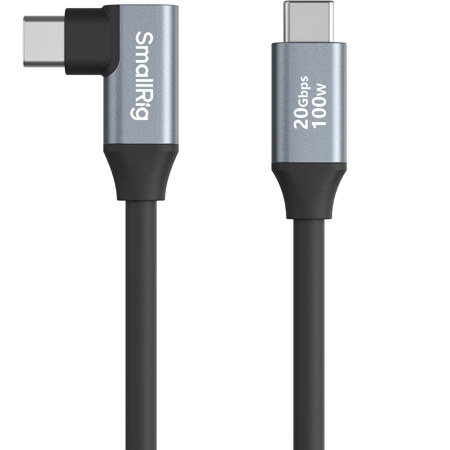
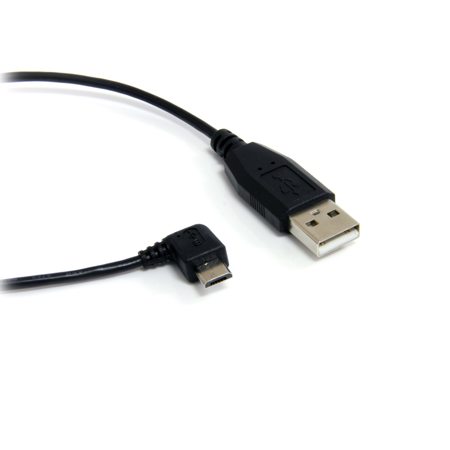
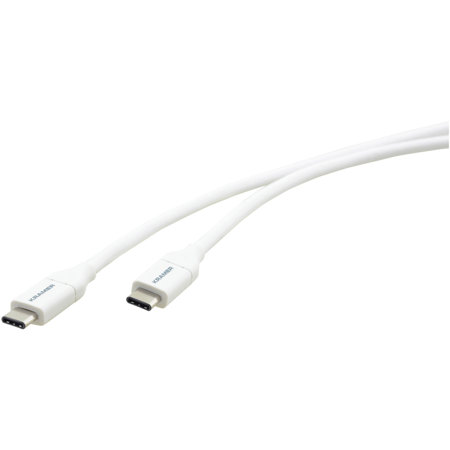
When reliability and performance are essential, shielded USB cables stand out as the backbone of digital connectivity in both professional and personal environments. These cables are constructed with an added layer of protection—typically a combination of aluminum foil and braided copper shielding—that effectively blocks electromagnetic interference (EMI) and radio frequency interference (RFI) from nearby electronics, Wi-Fi routers, power supplies, and other sources of disruptive noise. This comprehensive shielding is especially critical in environments where multiple devices are operating in close proximity, such as music studios, broadcast booths, industrial workspaces, or even home offices packed with modern gadgets. For photographers, audio engineers, and video professionals, the difference between a shielded USB cable and a standard one can mean flawless data transfer and pristine audio, or frustrating dropouts and corrupted files. Shielded USB 2.0 cables and the newer shielded USB C cables are engineered for high-bandwidth applications, ensuring that every bit of data—whether it’s a high-resolution image, a multi-track audio session, or sensitive forensic information—arrives intact and without delay.
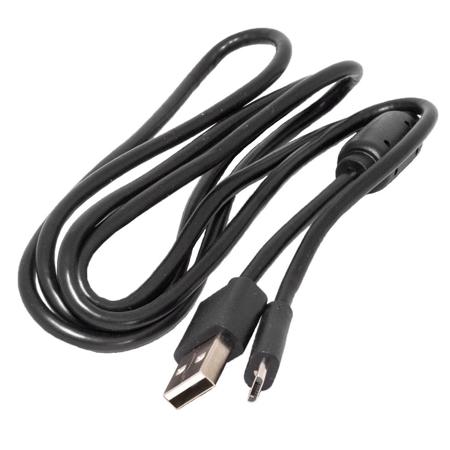
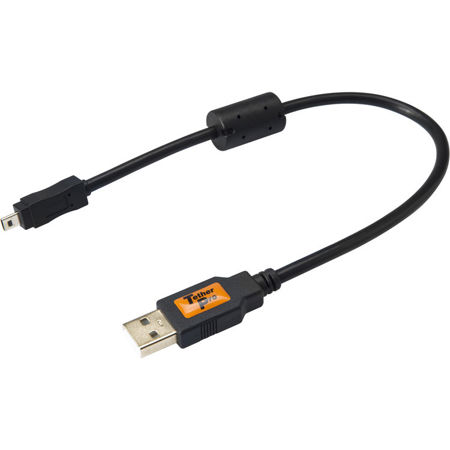
As the days lengthen and March brings a fresh wave of creative inspiration, many users find themselves upgrading their workspace or studio setups. Shielded USB cables make an excellent choice for anyone looking to enhance the reliability of their connections during this season of renewal. These cables are particularly valued by those working with sensitive digital equipment—external SSDs, audio interfaces, field recorders, dashcams, and even laboratory or forensic devices—where clean, uninterrupted signals are non-negotiable. The thicker, sometimes more rigid build of a usb shielded cable is a small price to pay for the peace of mind that comes with knowing your data is protected from external interference. Features such as ferrite cores, often visible as cylindrical beads near the connectors, further absorb high-frequency noise, providing another layer of defense against signal degradation. For anyone conducting long cable runs in a studio or industrial setting, or for those who simply demand the best from their digital gear, comprehensive cables like these provide consistent, error-free performance. They are also a thoughtful gift for tech enthusiasts, musicians, or anyone who values high-fidelity audio and reliable data transfer—making them a practical addition to any creative toolkit as new projects bloom in the spring.
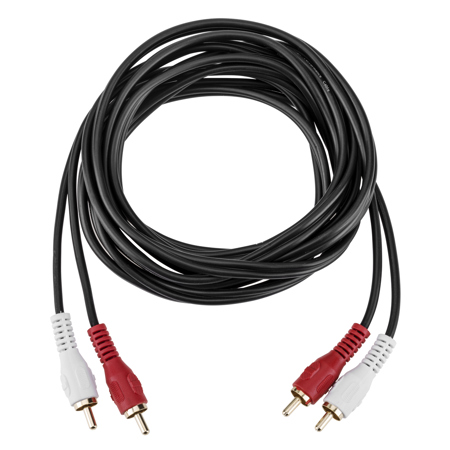
Whether you’re setting up a professional audio rig, transferring critical data in an industrial environment, or simply want to ensure stable charging for your devices, investing in shielded USB cables can make a measurable difference. They complement other shielded solutions, such as Shielded RCA Cables, to create a robust, interference-resistant setup. As technology evolves and the demand for stable, high-speed connections grows, these cables remain a cornerstone for anyone who refuses to compromise on quality. From seasoned professionals who have learned the value of dependable gear through years of experience, to newcomers eager to avoid common pitfalls, shielded USB cables are a smart, future-proof choice for anyone serious about their craft.
As the days lengthen and March brings a fresh wave of creative inspiration, many users find themselves upgrading their workspace or studio setups. Shielded USB cables make an excellent choice for anyone looking to enhance the reliability of their connections during this season of renewal. These cables are particularly valued by those working with sensitive digital equipment—external SSDs, audio interfaces, field recorders, dashcams, and even laboratory or forensic devices—where clean, uninterrupted signals are non-negotiable. The thicker, sometimes more rigid build of a usb shielded cable is a small price to pay for the peace of mind that comes with knowing your data is protected from external interference. Features such as ferrite cores, often visible as cylindrical beads near the connectors, further absorb high-frequency noise, providing another layer of defense against signal degradation. For anyone conducting long cable runs in a studio or industrial setting, or for those who simply demand the best from their digital gear, comprehensive cables like these provide consistent, error-free performance. They are also a thoughtful gift for tech enthusiasts, musicians, or anyone who values high-fidelity audio and reliable data transfer—making them a practical addition to any creative toolkit as new projects bloom in the spring.
Whether you’re setting up a professional audio rig, transferring critical data in an industrial environment, or simply want to ensure stable charging for your devices, investing in shielded USB cables can make a measurable difference. They complement other shielded solutions, such as Shielded RCA Cables, to create a robust, interference-resistant setup. As technology evolves and the demand for stable, high-speed connections grows, these cables remain a cornerstone for anyone who refuses to compromise on quality. From seasoned professionals who have learned the value of dependable gear through years of experience, to newcomers eager to avoid common pitfalls, shielded USB cables are a smart, future-proof choice for anyone serious about their craft.