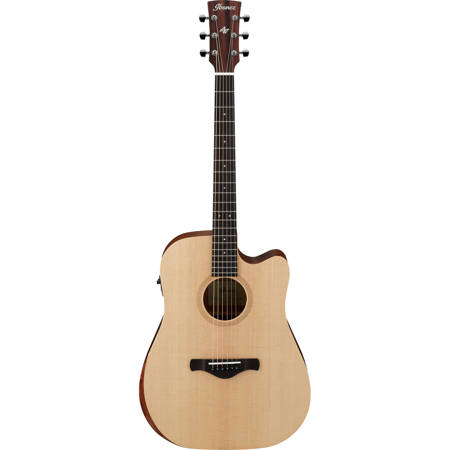
Single Cut Guitars
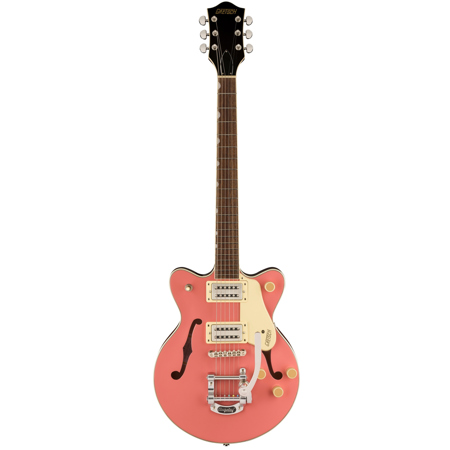
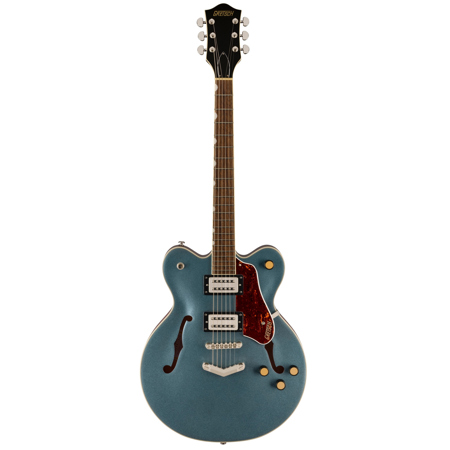
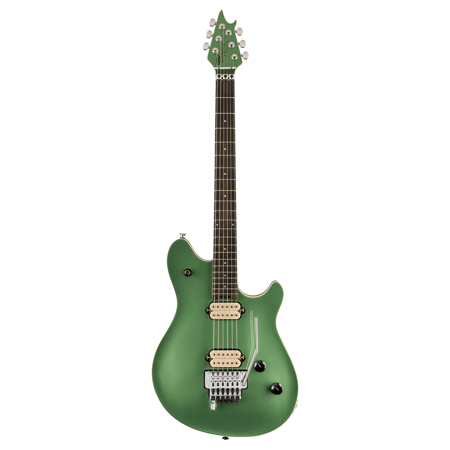
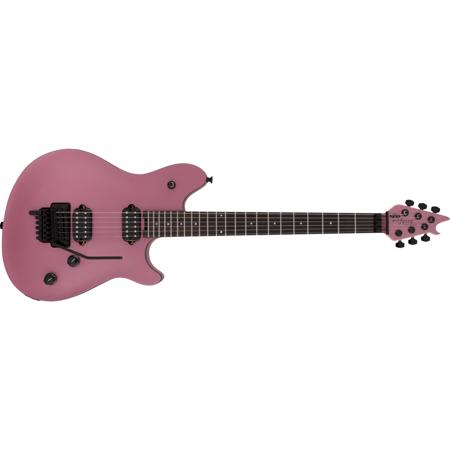
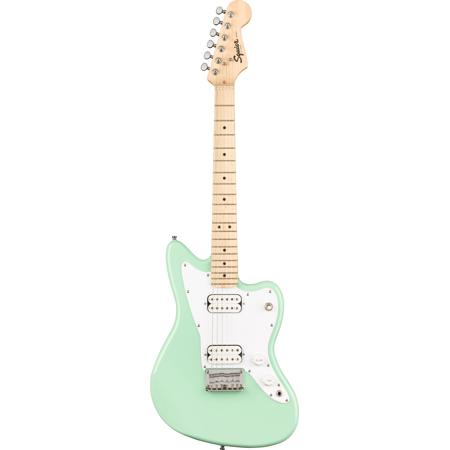
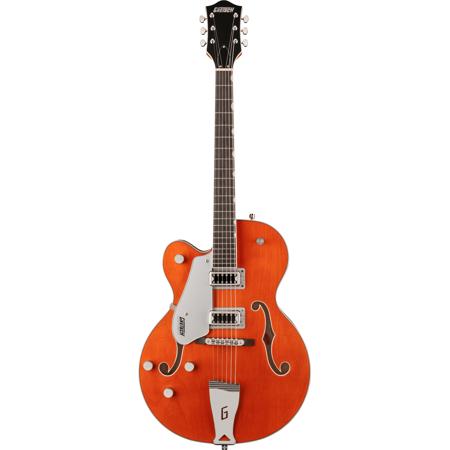
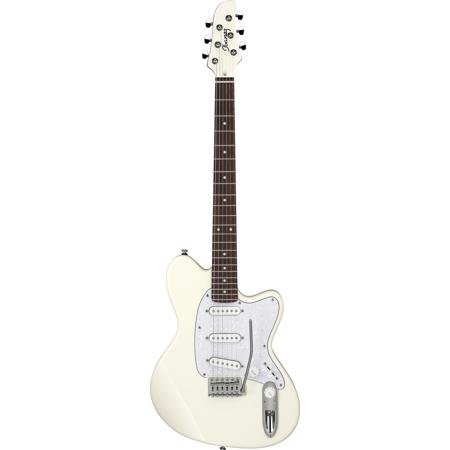
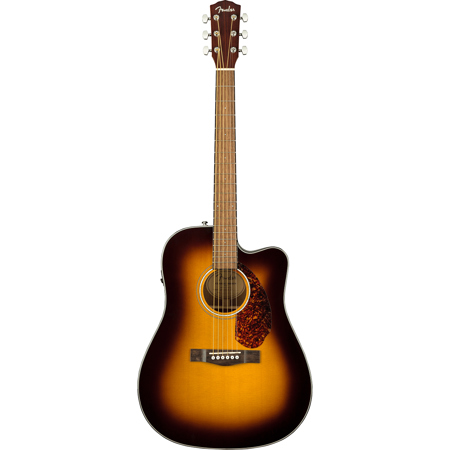
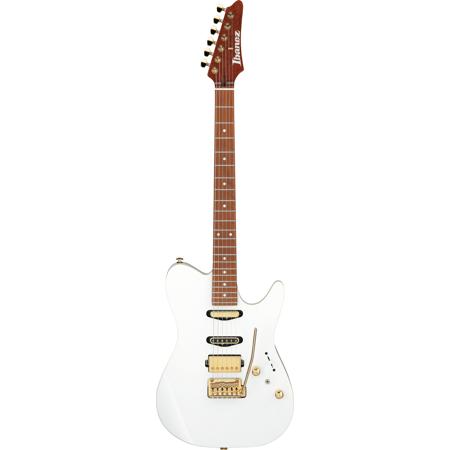
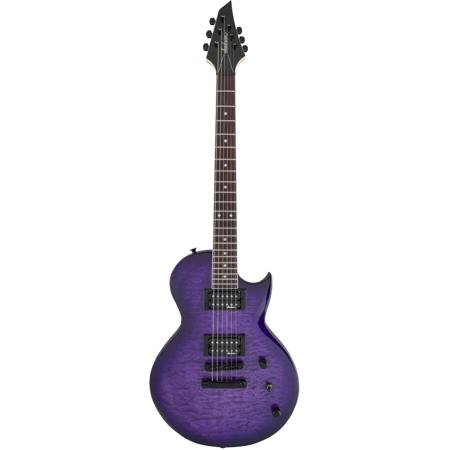
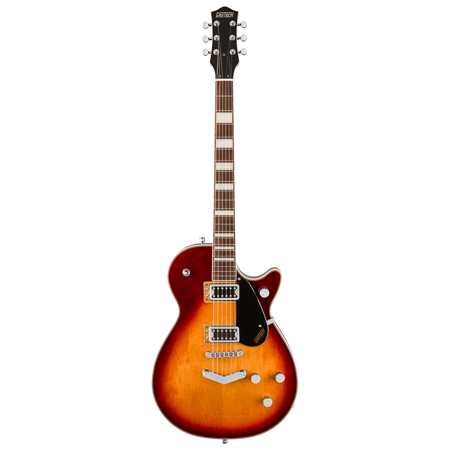
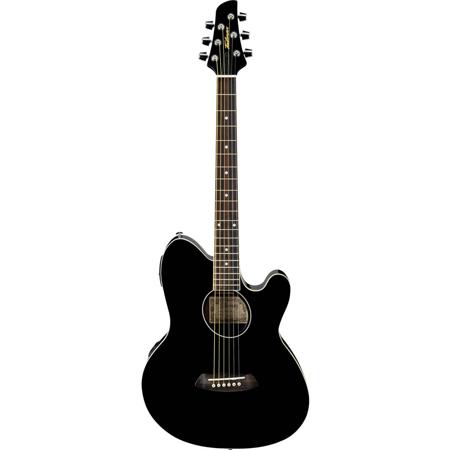
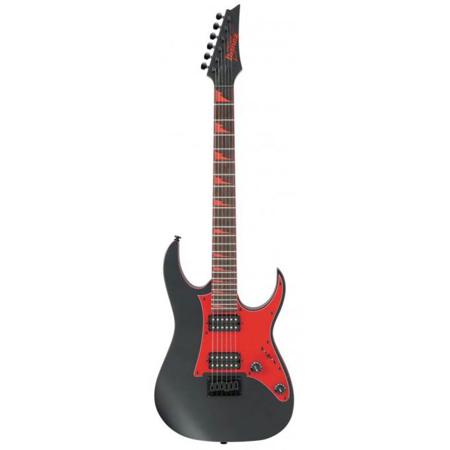
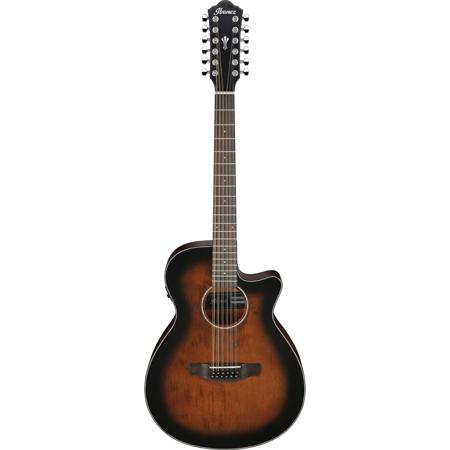
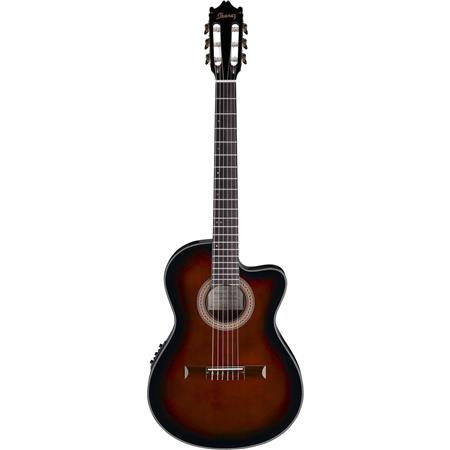
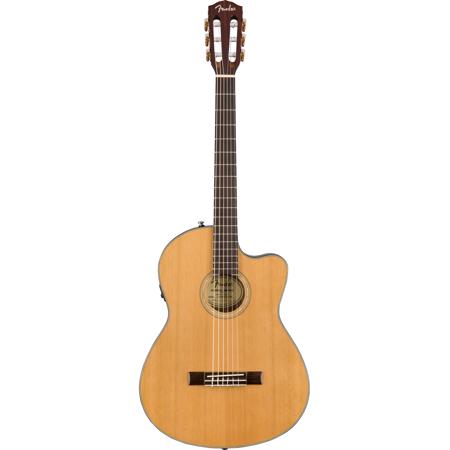
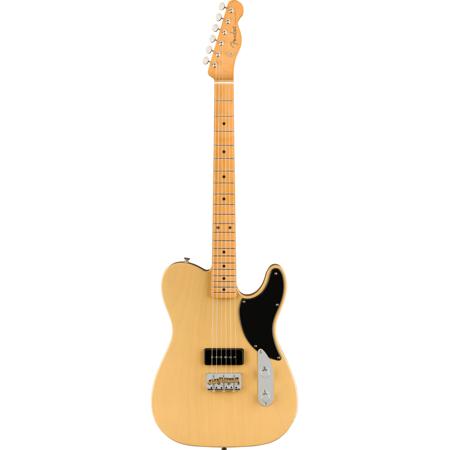
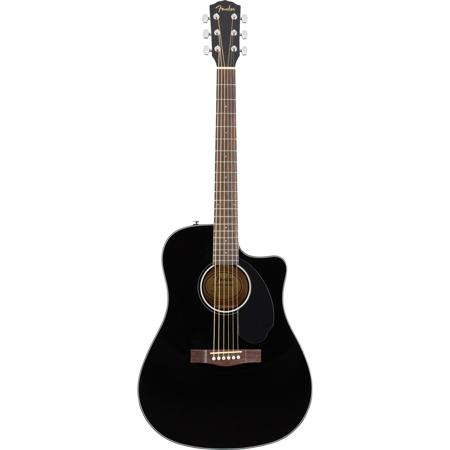
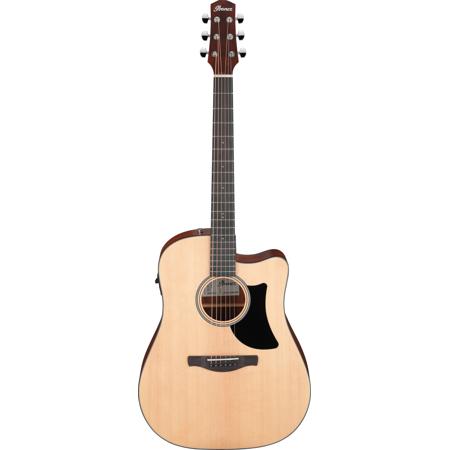
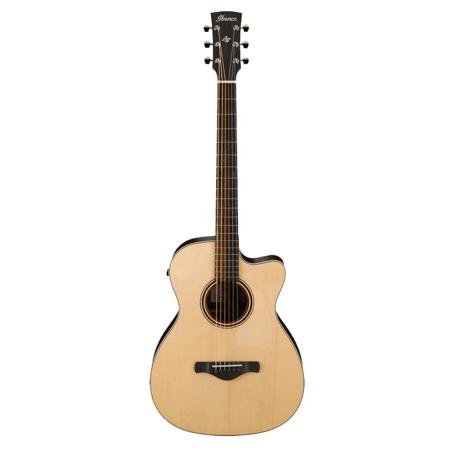
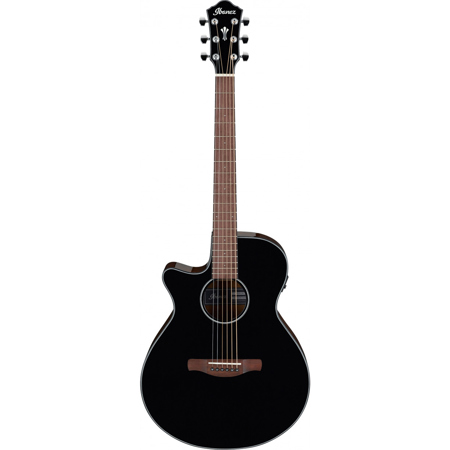
Single cut guitars have long been cherished by musicians for their unmistakable silhouette, tonal depth, and exceptional sustain. Recognizable by their single cutaway design—where only the upper part of the guitar body near the neck is scooped away—these instruments offer not just a classic look, but also a distinct sound that has shaped countless recordings and performances. The additional mass of wood that remains on the lower side of the body isn't just a stylistic choice; it plays a crucial role in enhancing resonance and warmth, giving these guitars their signature thick, singing sustain. Whether you’re drawn to the smooth, rounded edges and substantial feel of a mahogany body or the snap and brightness of a maple top, the build of a single cutaway guitar lends itself to a wide palette of rich, dynamic tones. This makes them especially appealing for players who want to explore everything from soulful blues licks to the soaring leads of classic rock, and even the punchy, articulate riffs favored in heavier genres. The shorter scale length, often found in these models, reduces string tension, making bends and expressive vibrato more accessible—an inviting feature for both seasoned professionals and newer players looking to develop their technique.
As the days grow longer and musicians find themselves playing outdoor gigs, jamming at backyard gatherings, or recording fresh tracks in the studio, a single cut guitar stands out as a versatile and reliable companion. These guitars are not just tools for the stage or studio; they also make thoughtful gifts for music enthusiasts, students stepping up to their first serious instrument, or collectors seeking a timeless addition to their lineup. The weight and balance of a single cutaway guitar often create a sense of confidence and comfort, whether you’re performing under stage lights or practicing in a sunlit living room. For those who appreciate the tactile connection between musician and instrument, the way a single cut guitar sits against the body and responds to every nuance of touch can be truly inspiring. Many artists find that the natural sustain and punchy output of these guitars allow them to experiment with different playing styles, effects, and amplifier settings, opening up creative possibilities that might not be as readily accessible with other guitar shapes. If you’re curious about how construction influences tone and playability, you might also want to explore the differences found in Thin Line Guitars, which offer a contrasting approach to resonance and weight.
Choosing the right single cut guitar involves considering factors like body wood, neck profile, pickup configuration, and overall weight—each element contributing to the instrument’s unique voice and feel. Some players are drawn to the warm, rounded tones produced by humbucking pickups, which excel at driving amplifiers into creamy overdrive without unwanted feedback. Others might prefer the crisp clarity and dynamic response that single-coil or P90-style pickups can deliver. The robust construction of these guitars makes them ideal for genres where sustain and tonal richness are prized, but they’re equally at home in settings that demand subtlety and nuance. As the weather transitions from the heat of summer into the crispness of early fall, single cut guitars continue to be a staple for musicians seeking reliability, expressive range, and a touch of vintage charm. Whether you’re performing at a festival, recording new material, or simply enjoying a quiet moment of creativity, the single cutaway guitar remains a steadfast and inspiring choice for players of all backgrounds and skill levels.
As the days grow longer and musicians find themselves playing outdoor gigs, jamming at backyard gatherings, or recording fresh tracks in the studio, a single cut guitar stands out as a versatile and reliable companion. These guitars are not just tools for the stage or studio; they also make thoughtful gifts for music enthusiasts, students stepping up to their first serious instrument, or collectors seeking a timeless addition to their lineup. The weight and balance of a single cutaway guitar often create a sense of confidence and comfort, whether you’re performing under stage lights or practicing in a sunlit living room. For those who appreciate the tactile connection between musician and instrument, the way a single cut guitar sits against the body and responds to every nuance of touch can be truly inspiring. Many artists find that the natural sustain and punchy output of these guitars allow them to experiment with different playing styles, effects, and amplifier settings, opening up creative possibilities that might not be as readily accessible with other guitar shapes. If you’re curious about how construction influences tone and playability, you might also want to explore the differences found in Thin Line Guitars, which offer a contrasting approach to resonance and weight.
Choosing the right single cut guitar involves considering factors like body wood, neck profile, pickup configuration, and overall weight—each element contributing to the instrument’s unique voice and feel. Some players are drawn to the warm, rounded tones produced by humbucking pickups, which excel at driving amplifiers into creamy overdrive without unwanted feedback. Others might prefer the crisp clarity and dynamic response that single-coil or P90-style pickups can deliver. The robust construction of these guitars makes them ideal for genres where sustain and tonal richness are prized, but they’re equally at home in settings that demand subtlety and nuance. As the weather transitions from the heat of summer into the crispness of early fall, single cut guitars continue to be a staple for musicians seeking reliability, expressive range, and a touch of vintage charm. Whether you’re performing at a festival, recording new material, or simply enjoying a quiet moment of creativity, the single cutaway guitar remains a steadfast and inspiring choice for players of all backgrounds and skill levels.