Smart Telescopes For Astrophotography
Smart telescopes have transformed the world of astrophotography, offering a seamless blend of advanced optics, automated tracking, and intuitive digital controls that make exploring the night sky more accessible than ever. Whether you’re a beginner eager to capture your first glimpse of Saturn’s rings or an experienced astrophotographer looking to streamline your workflow, these innovative devices remove much of the complexity traditionally associated with deep-sky imaging. With automated alignment and real-time image stacking, smart telescopes allow users to focus on the beauty of celestial objects rather than the technicalities of setup and calibration. As the skies grow clearer during the warmer months and remain crisp into the start of fall, more people find themselves drawn outdoors—whether to a backyard, a local park, or a remote dark-sky site—hoping to photograph star clusters, colorful nebulas, and distant galaxies. The portability of many smart telescopes means you can easily pack them for a camping trip or a quick getaway, making them a fantastic companion for stargazing adventures in any season.
When considering a smart telescope for astrophotography, it’s important to think about your experience level, intended use, and the types of celestial objects you wish to capture. Entry-level models are often lightweight and compact, ideal for those who want a grab-and-go solution for spontaneous observing sessions or for families introducing children to the wonders of the universe. These user-friendly telescopes typically offer wide fields of view, making them perfect for capturing expansive scenes like the Milky Way or large nebulae. For more advanced users, higher-end smart telescopes provide greater sensor resolution and deeper light-gathering capabilities, allowing for detailed images of faint galaxies and intricate lunar landscapes. If you plan to travel or hike to remote locations, portability becomes a key factor—look for models that can fit in a backpack and withstand the rigors of outdoor use. Meanwhile, those who prefer observing from home might appreciate larger, more robust setups with enhanced connectivity and image processing features. Smart telescopes also make thoughtful gifts for astronomy enthusiasts, students, or anyone fascinated by science and technology; their ease of use and impressive results often spark a lifelong passion for exploring the cosmos.
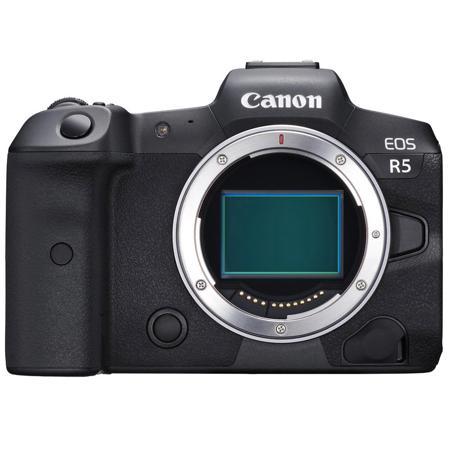
Beyond telescopes, many astrophotographers choose to pair their smart scopes with dedicated cameras or upgrade their equipment as their skills progress. For those interested in expanding their imaging capabilities, exploring the range of Cameras For Astrophotography can open up even more creative possibilities. Whether you’re capturing the ethereal glow of the Orion Nebula on a summer night or documenting the crisp detail of lunar craters under autumn skies, the right smart telescope empowers you to create stunning images and lasting memories. As you browse through the selection of smart telescopes, consider your observing environment, goals, and the features that matter most to you—such as sensor size, battery life, and wireless connectivity. With the right setup, the universe is yours to discover, photograph, and share, season after season.
When considering a smart telescope for astrophotography, it’s important to think about your experience level, intended use, and the types of celestial objects you wish to capture. Entry-level models are often lightweight and compact, ideal for those who want a grab-and-go solution for spontaneous observing sessions or for families introducing children to the wonders of the universe. These user-friendly telescopes typically offer wide fields of view, making them perfect for capturing expansive scenes like the Milky Way or large nebulae. For more advanced users, higher-end smart telescopes provide greater sensor resolution and deeper light-gathering capabilities, allowing for detailed images of faint galaxies and intricate lunar landscapes. If you plan to travel or hike to remote locations, portability becomes a key factor—look for models that can fit in a backpack and withstand the rigors of outdoor use. Meanwhile, those who prefer observing from home might appreciate larger, more robust setups with enhanced connectivity and image processing features. Smart telescopes also make thoughtful gifts for astronomy enthusiasts, students, or anyone fascinated by science and technology; their ease of use and impressive results often spark a lifelong passion for exploring the cosmos.
Beyond telescopes, many astrophotographers choose to pair their smart scopes with dedicated cameras or upgrade their equipment as their skills progress. For those interested in expanding their imaging capabilities, exploring the range of Cameras For Astrophotography can open up even more creative possibilities. Whether you’re capturing the ethereal glow of the Orion Nebula on a summer night or documenting the crisp detail of lunar craters under autumn skies, the right smart telescope empowers you to create stunning images and lasting memories. As you browse through the selection of smart telescopes, consider your observing environment, goals, and the features that matter most to you—such as sensor size, battery life, and wireless connectivity. With the right setup, the universe is yours to discover, photograph, and share, season after season.