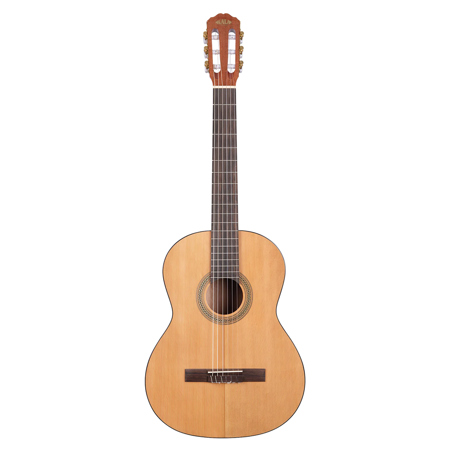
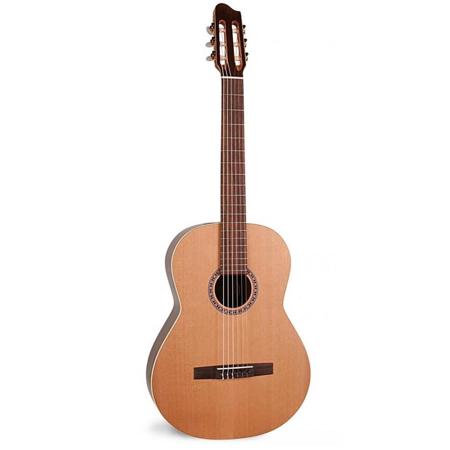
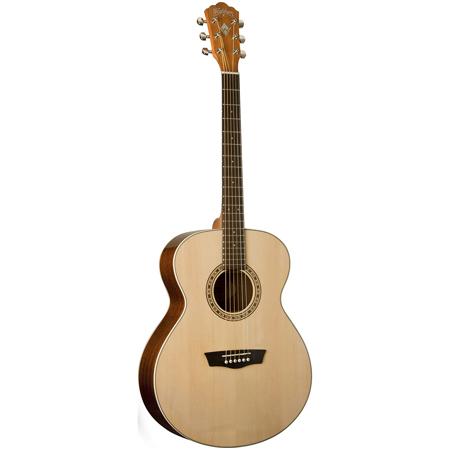
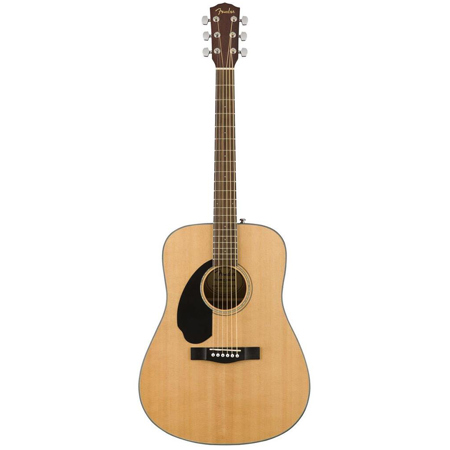
Solid Wood Classical Guitars
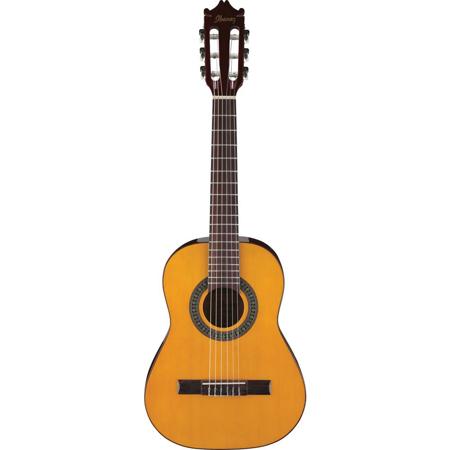
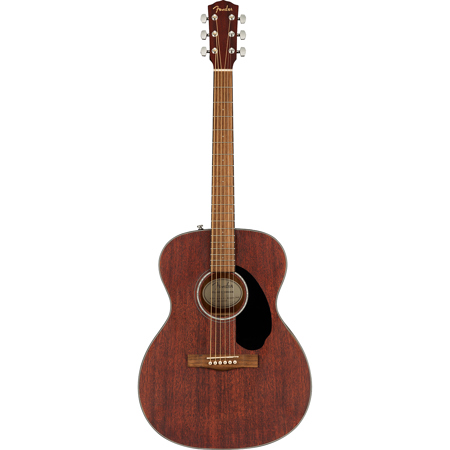
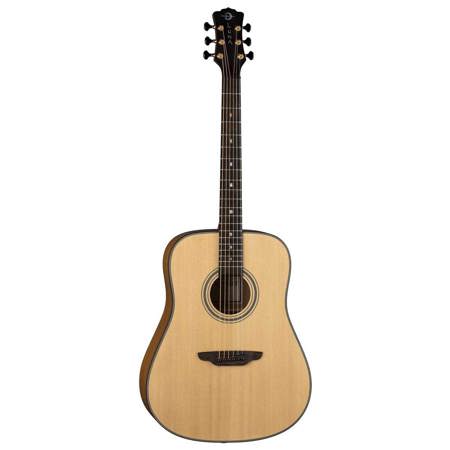
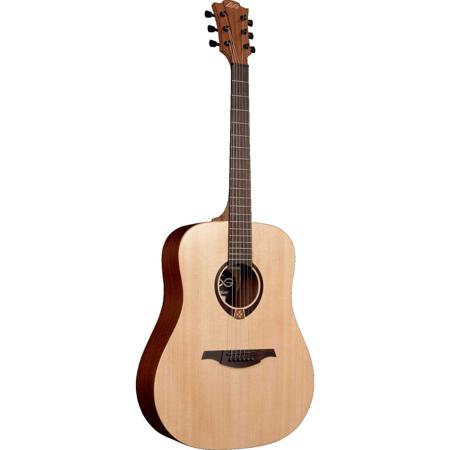
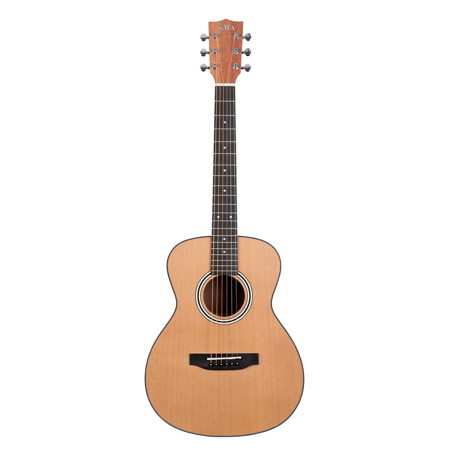
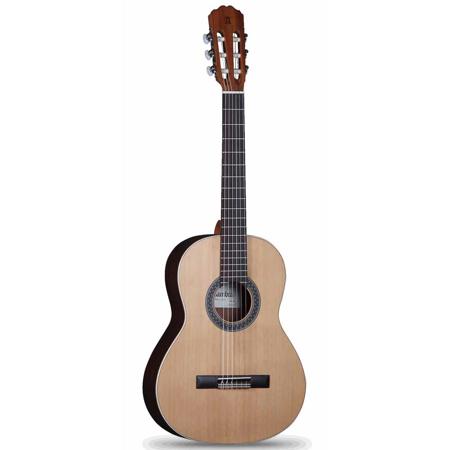
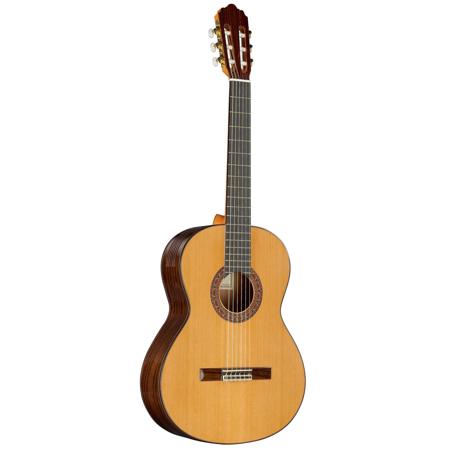
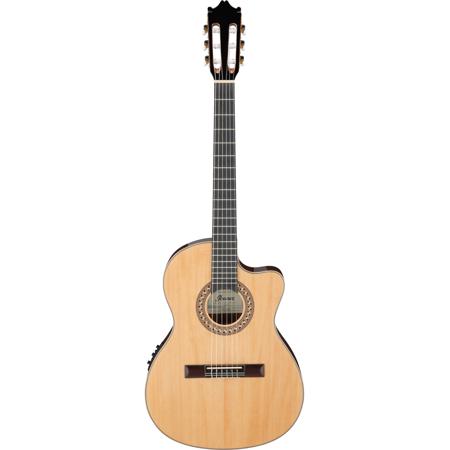
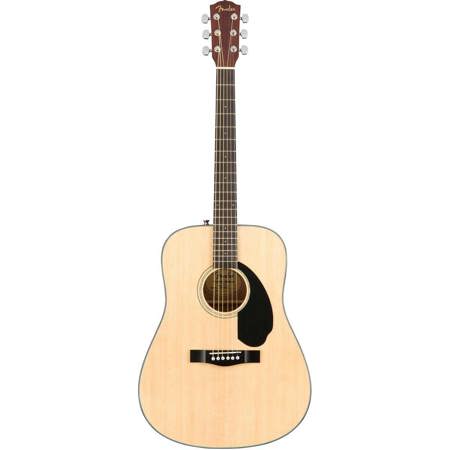
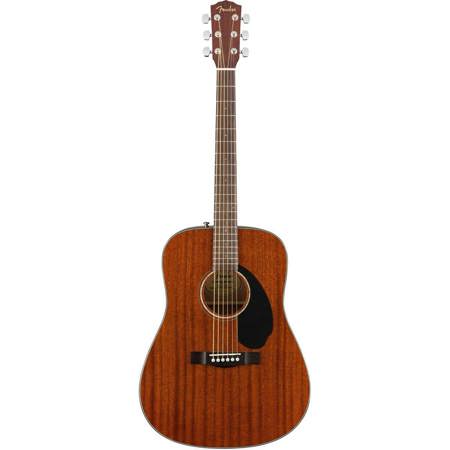
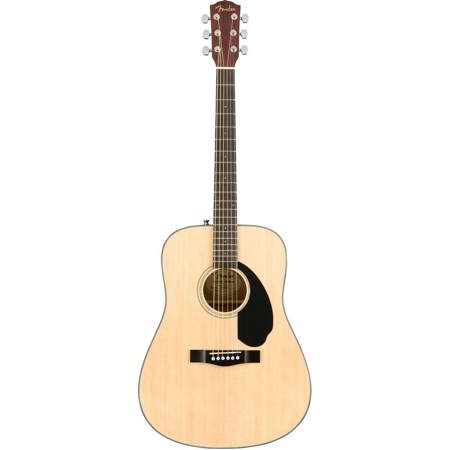
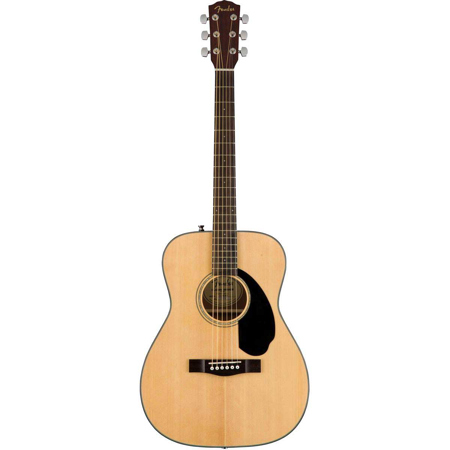
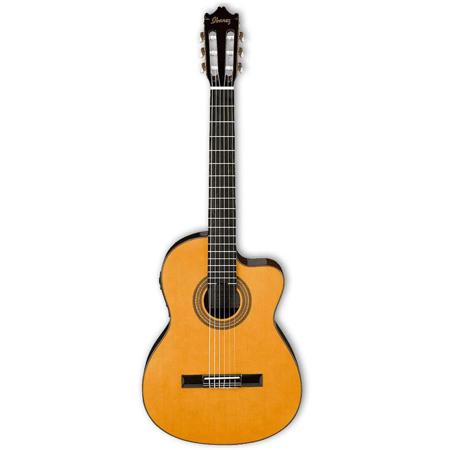
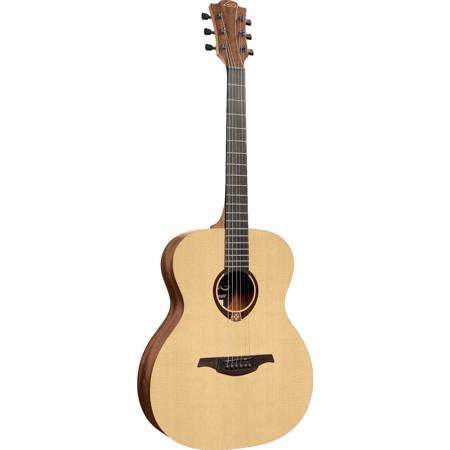
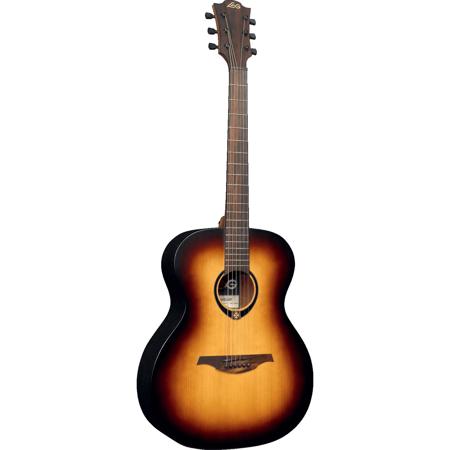
There’s a certain magic to solid wood classical guitars that has captured the hearts of musicians for generations. The resonance of spruce, cedar, or mahogany tops, paired with the rich overtones from rosewood or maple backs and sides, creates an unmistakable warmth and depth that only solid woods can deliver. Whether you’re a seasoned performer gracing the stage, a dedicated student refining your craft in a sunlit practice room, or someone simply drawn to the tactile pleasure of strumming on your porch as spring unfolds, a solid wood classical guitar is a faithful companion. These instruments aren’t just about sound; they’re about connection—to tradition, to the music itself, and to the hands that shape each note. As March brings longer days and the promise of new beginnings, many guitarists find themselves inspired to revisit their repertoire or embark on fresh musical journeys, making this an ideal season to explore the unique tonal characteristics that solid wood guitars have to offer.
When considering a solid wood classical guitar, it’s important to think about how the instrument will fit into your musical life. For those who appreciate nuance and expressiveness, solid wood construction responds beautifully to subtle changes in technique, rewarding gentle fingerstyle passages and bold strumming alike with a dynamic, evolving voice. These guitars are a thoughtful gift for aspiring musicians—perhaps a student about to begin conservatory studies, or a loved one eager to rediscover a childhood passion. The natural aging of solid wood means that, over time, the instrument’s tone matures and opens up, making it a cherished possession that grows alongside its player. Maintenance is part of the experience, too; keeping the guitar in a stable environment and regularly conditioning the wood ensures it will sing for decades. Many players remember the first time they played a solid wood classical guitar, describing how the notes seemed to bloom with color, filling the room with a clarity and projection that laminated guitars can’t quite match. Whether used for solo practice, intimate performances, or as a centerpiece for family gatherings, these guitars invite you to slow down, listen closely, and connect deeply with your music.
For those drawn to the natural beauty and character of wood, exploring the broader world of Natural Wood Guitars can offer further inspiration. The choice of a solid wood classical guitar is more than a practical decision—it’s an investment in artistry, craftsmanship, and the enduring joy of music. As you browse the selection, imagine not just the sound, but the stories and memories each instrument will help you create. Whether you’re nurturing a budding talent or seeking a lifelong musical companion, the right guitar is waiting to become part of your journey.
When considering a solid wood classical guitar, it’s important to think about how the instrument will fit into your musical life. For those who appreciate nuance and expressiveness, solid wood construction responds beautifully to subtle changes in technique, rewarding gentle fingerstyle passages and bold strumming alike with a dynamic, evolving voice. These guitars are a thoughtful gift for aspiring musicians—perhaps a student about to begin conservatory studies, or a loved one eager to rediscover a childhood passion. The natural aging of solid wood means that, over time, the instrument’s tone matures and opens up, making it a cherished possession that grows alongside its player. Maintenance is part of the experience, too; keeping the guitar in a stable environment and regularly conditioning the wood ensures it will sing for decades. Many players remember the first time they played a solid wood classical guitar, describing how the notes seemed to bloom with color, filling the room with a clarity and projection that laminated guitars can’t quite match. Whether used for solo practice, intimate performances, or as a centerpiece for family gatherings, these guitars invite you to slow down, listen closely, and connect deeply with your music.
For those drawn to the natural beauty and character of wood, exploring the broader world of Natural Wood Guitars can offer further inspiration. The choice of a solid wood classical guitar is more than a practical decision—it’s an investment in artistry, craftsmanship, and the enduring joy of music. As you browse the selection, imagine not just the sound, but the stories and memories each instrument will help you create. Whether you’re nurturing a budding talent or seeking a lifelong musical companion, the right guitar is waiting to become part of your journey.