
Stage Light Controls
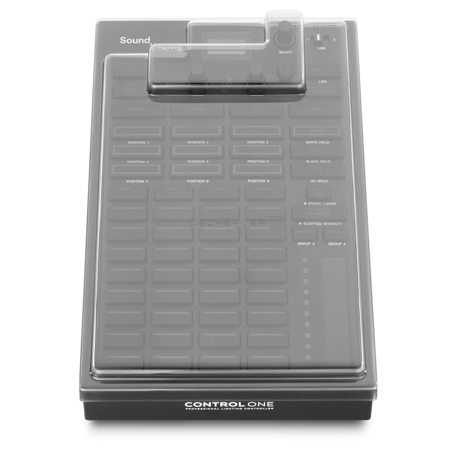
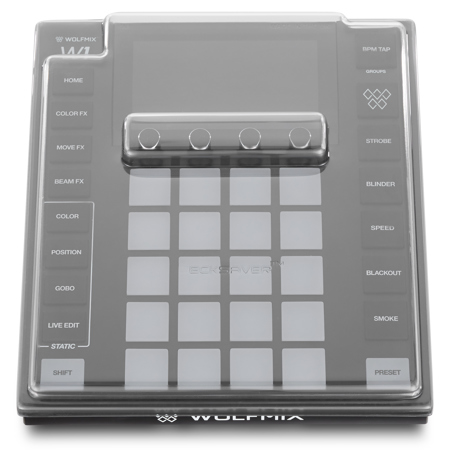
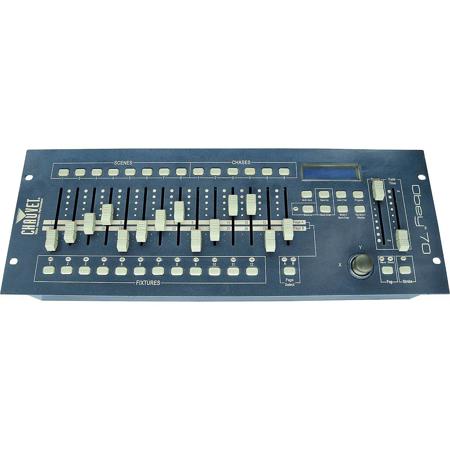
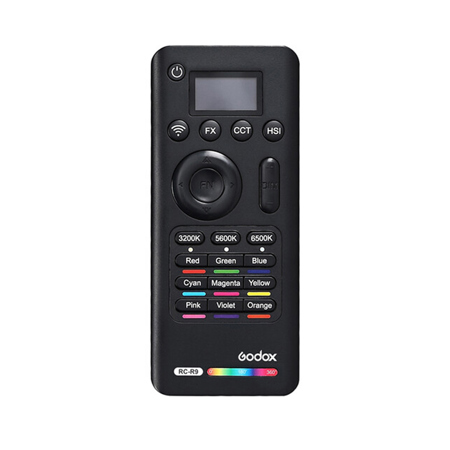
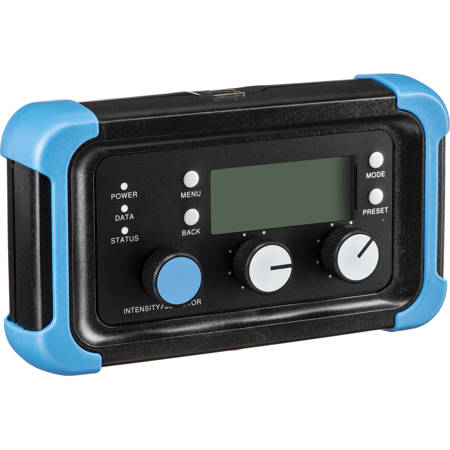
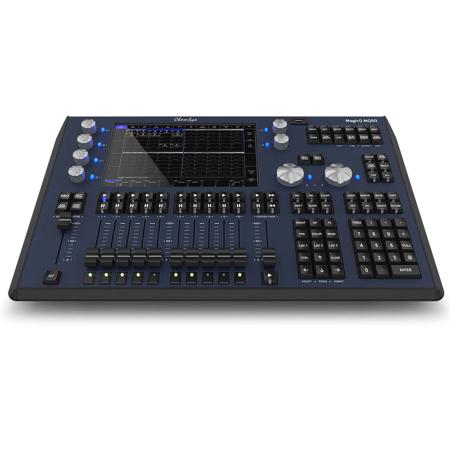
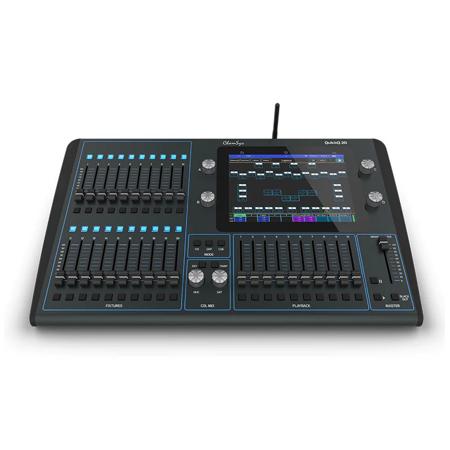
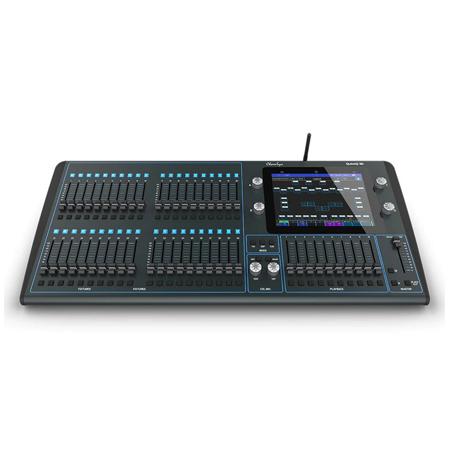
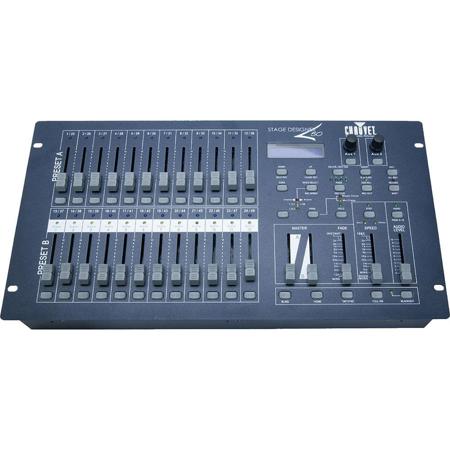
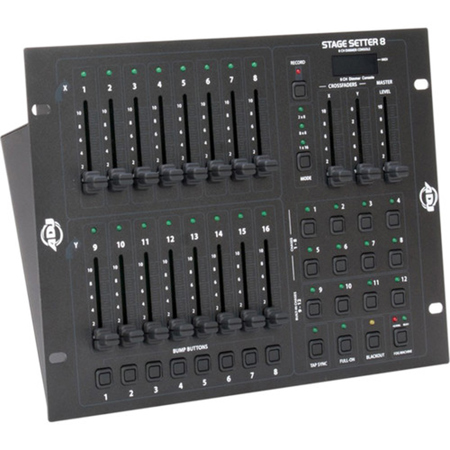
Stage light controls are the backbone of any successful lighting setup, whether for a professional concert, a community theater production, a DJ event, or even a house of worship. At the heart of these systems is the stage light controller, which serves as the command center for every fixture on stage. These controllers, often referred to as a "dmx lighting control console," use the DMX512 protocol—a universal digital language that allows precise communication between the controller and each light. With 512 channels per universe, DMX enables operators to manage an impressive range of parameters, from the intensity and color of each fixture to dynamic effects like panning, tilting, or strobing. For those just getting started, the process of patching channels, assigning starting addresses, and choosing the right channel mode can feel like learning a new instrument. Yet, with each rehearsal or show, the tactile experience of sliding faders and programming cues becomes second nature, allowing creative visions to come to life in real time.
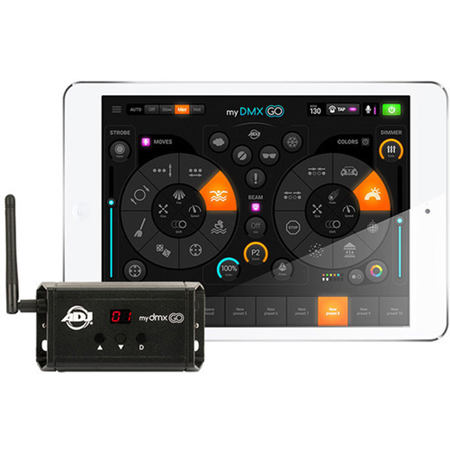
The versatility of stage light controls makes them invaluable for a broad spectrum of users. Touring professionals rely on robust hardware consoles with physical faders and buttons for hands-on, immediate control during live performances, while smaller venues or solo performers may gravitate toward software-based solutions that offer visual programming and automation. These software suites, often paired with a USB-to-DMX interface, empower users to design intricate lighting scenes, synchronize effects to music, or trigger cues via MIDI controllers. Even for those working on a budget or in smaller spaces, modern lighting systems often feature sound-active modes—built-in microphones that allow lights to pulse and change in time with the beat. As the weather warms and event season ramps up, these controls become especially popular for outdoor festivals, weddings, and community gatherings. They also make thoughtful gifts for aspiring lighting designers, musicians, or theater students eager to experiment with creative expression and technical skills. When selecting a stage light controller, it’s important to consider the scale of your setup, the number of fixtures you plan to use, and the level of control you require—whether you need independent control over each light or want to group several fixtures for synchronized effects. Always use dedicated DMX cables with the correct XLR connectors to ensure reliable signal transmission and avoid flickering or interference, and remember that the right control solution can elevate any event, transforming ordinary spaces into immersive visual experiences.
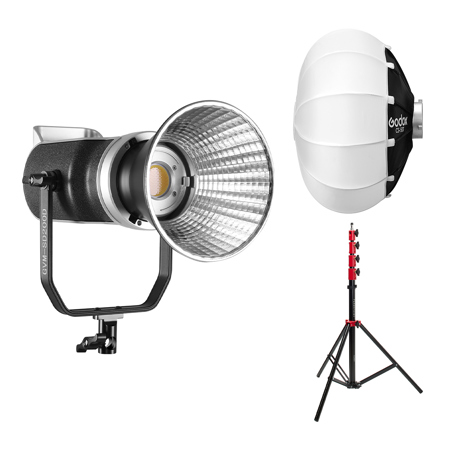
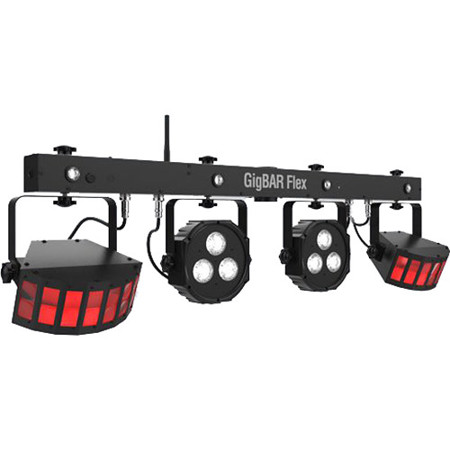
No matter the occasion—be it a summer concert series, a theatrical debut, or a spirited celebration—having the right stage light controls ensures your lighting rig performs reliably and delivers the atmosphere you envision. For those building out a new system or looking to expand, consider exploring coordinated solutions like Stage Light Sets, which offer compatible fixtures and controls designed to work seamlessly together. Whether you’re programming complex chases for a high-energy performance or setting the perfect ambiance for an intimate gathering, investing in quality lighting control gear pays dividends in both creative flexibility and technical reliability. The ability to shape light with precision not only enhances the audience’s experience but also empowers you to express your artistic vision, show after show, season after season.
The versatility of stage light controls makes them invaluable for a broad spectrum of users. Touring professionals rely on robust hardware consoles with physical faders and buttons for hands-on, immediate control during live performances, while smaller venues or solo performers may gravitate toward software-based solutions that offer visual programming and automation. These software suites, often paired with a USB-to-DMX interface, empower users to design intricate lighting scenes, synchronize effects to music, or trigger cues via MIDI controllers. Even for those working on a budget or in smaller spaces, modern lighting systems often feature sound-active modes—built-in microphones that allow lights to pulse and change in time with the beat. As the weather warms and event season ramps up, these controls become especially popular for outdoor festivals, weddings, and community gatherings. They also make thoughtful gifts for aspiring lighting designers, musicians, or theater students eager to experiment with creative expression and technical skills. When selecting a stage light controller, it’s important to consider the scale of your setup, the number of fixtures you plan to use, and the level of control you require—whether you need independent control over each light or want to group several fixtures for synchronized effects. Always use dedicated DMX cables with the correct XLR connectors to ensure reliable signal transmission and avoid flickering or interference, and remember that the right control solution can elevate any event, transforming ordinary spaces into immersive visual experiences.
No matter the occasion—be it a summer concert series, a theatrical debut, or a spirited celebration—having the right stage light controls ensures your lighting rig performs reliably and delivers the atmosphere you envision. For those building out a new system or looking to expand, consider exploring coordinated solutions like Stage Light Sets, which offer compatible fixtures and controls designed to work seamlessly together. Whether you’re programming complex chases for a high-energy performance or setting the perfect ambiance for an intimate gathering, investing in quality lighting control gear pays dividends in both creative flexibility and technical reliability. The ability to shape light with precision not only enhances the audience’s experience but also empowers you to express your artistic vision, show after show, season after season.