Stage Lighting For Theatre
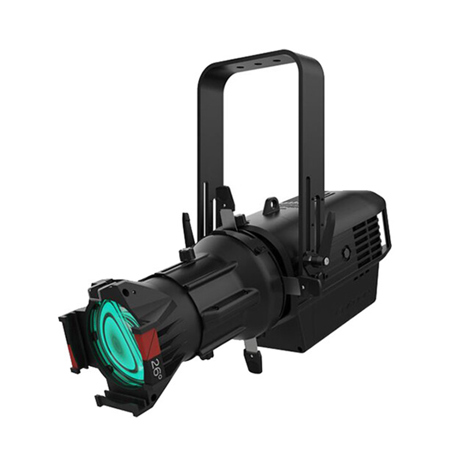
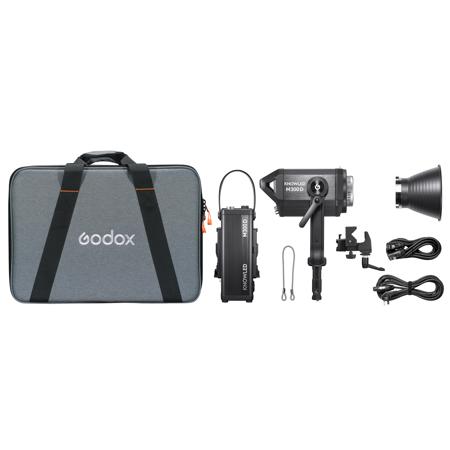
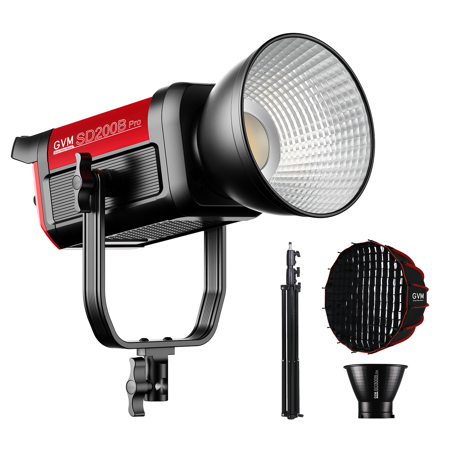
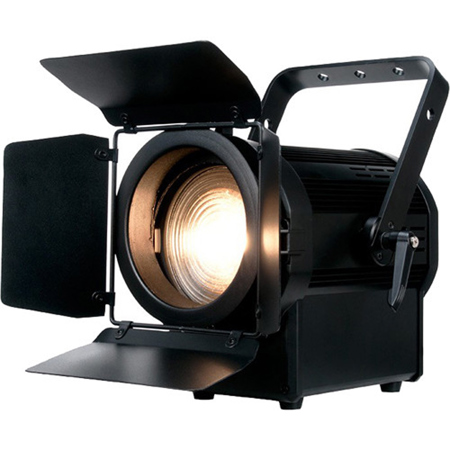
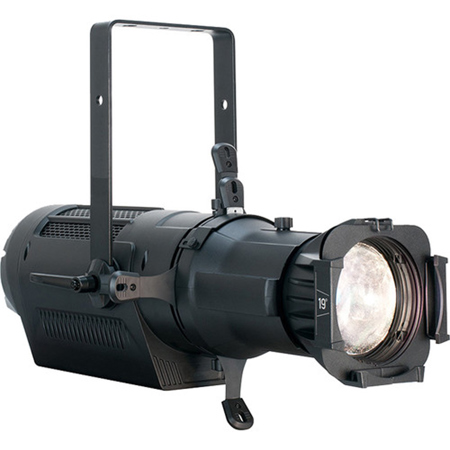
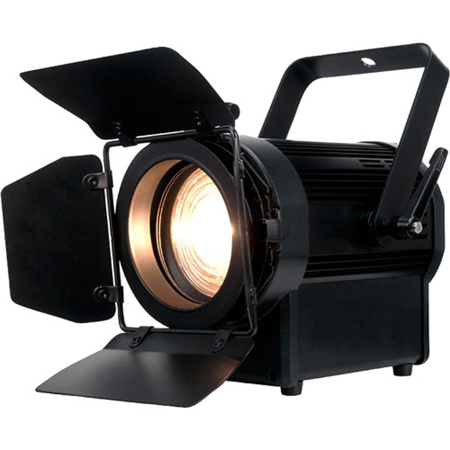
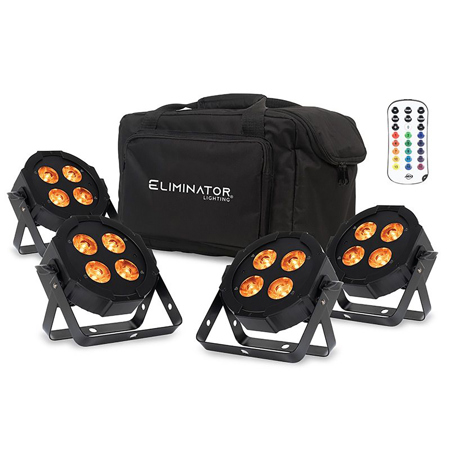
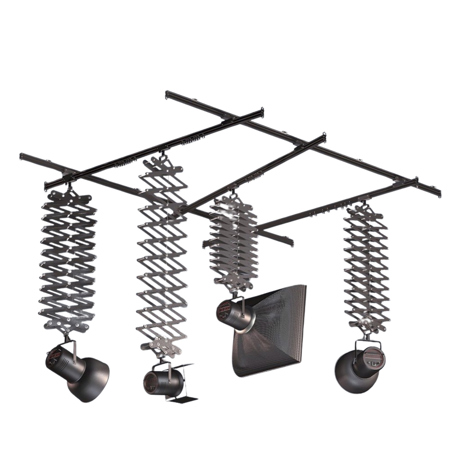
Stage lighting for theatre is both an art and a science, shaping the very atmosphere of live performance and guiding the audience’s attention with precision. Whether you’re illuminating a high school play, a bustling community production, or a professional touring show, the right theatrical lighting fixtures can transform a bare stage into a world brimming with emotion and story. Modern stage lighting setups often blend traditional fixtures with advanced LED stage lighting, offering an impressive palette of colors and effects that can shift seamlessly from a warm sunrise to a moody, dim stage lighting scheme within seconds. The versatility of LED lighting for auditoriums not only enhances the visual impact of a production but also brings energy efficiency and reliability—key considerations for venues that run frequent performances or rehearsals. As the weather warms and theatre groups prepare for summer festivals or fall showcases, investing in robust, flexible lighting solutions ensures that every scene is lit to perfection, whether under the bright wash of a Fresnel or the focused beam of an ellipsoidal reflector spotlight.
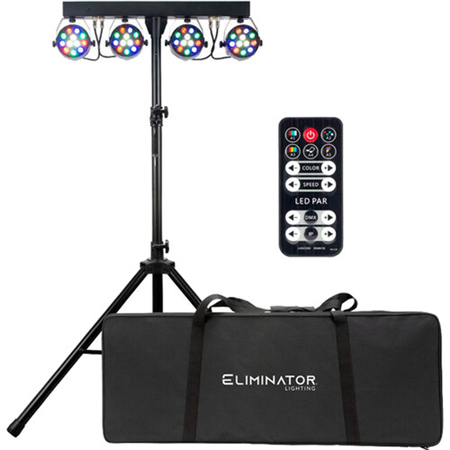
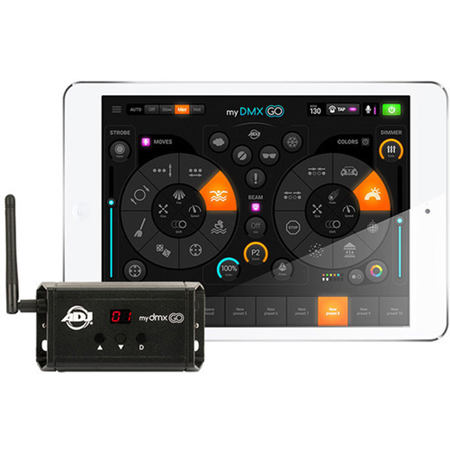
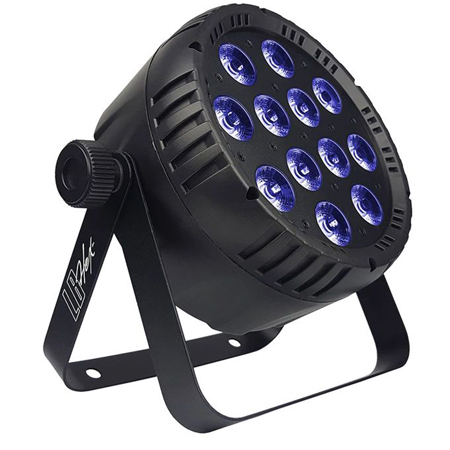
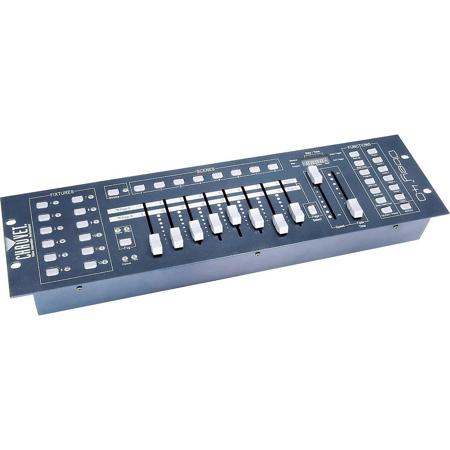
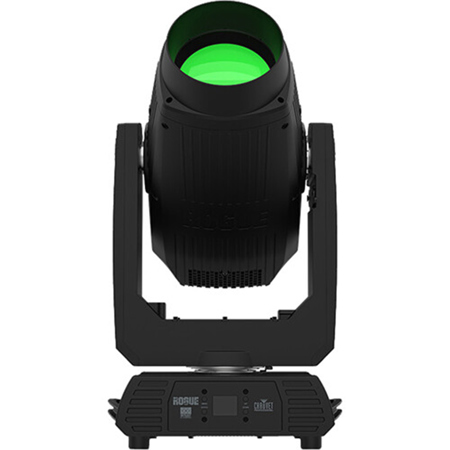
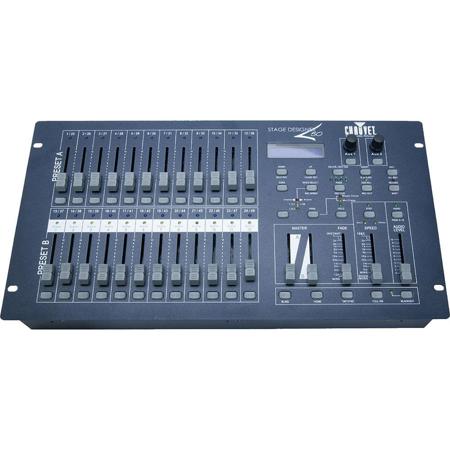
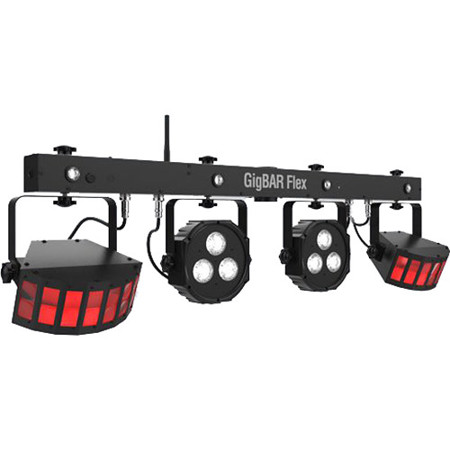
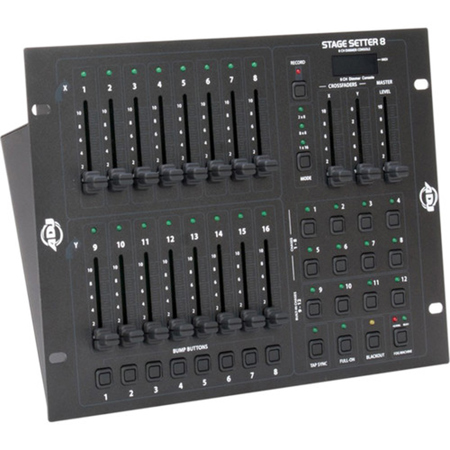
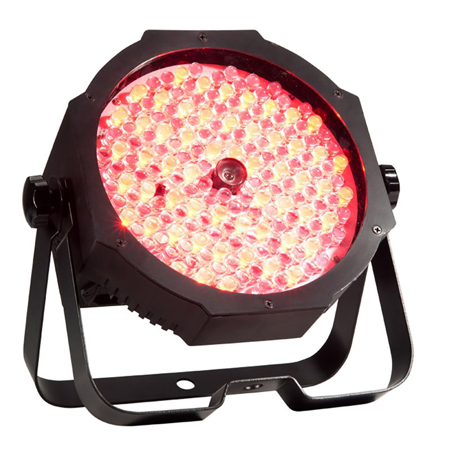
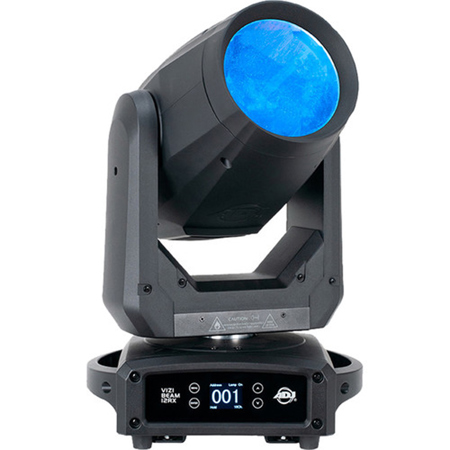
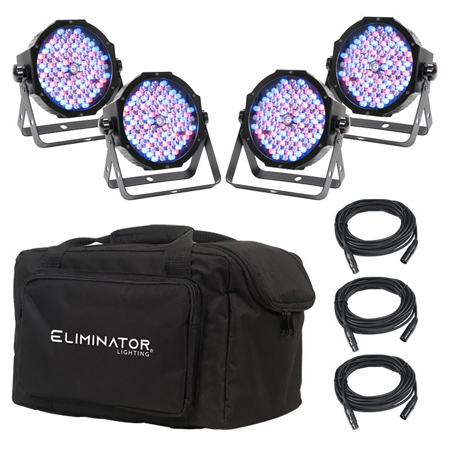
Selecting the right stage lighting involves understanding both the technical requirements of your venue and the creative vision of your production team. For directors and lighting designers, the choice of fixtures—ranging from PAR cans for broad washes to moving heads for dynamic, shifting effects—can make all the difference in conveying mood, time, and place. Front lighting is crucial for facial visibility, allowing the audience to catch every nuance of an actor’s performance, while back and side lighting add depth, sculpting performers out of the darkness and creating striking silhouettes or dramatic reveals. Down lighting, meanwhile, can produce intense, focused pools of light that heighten the emotional stakes of a scene. DMX-compatible control systems are a staple in modern theatres, enabling precise programming of cues and transitions that keep the audience immersed in the story. For those outfitting a new space or upgrading existing rigs, it’s important to consider factors like ceiling height, power availability, and the need for silent operation—especially in intimate venues where even the hum of a fan can break the spell of a quiet moment. Theatrical lighting fixtures also make thoughtful gifts for educators, drama students, or anyone passionate about live performance, offering them the tools to bring their creative visions to life and learn the craft of stage design firsthand.
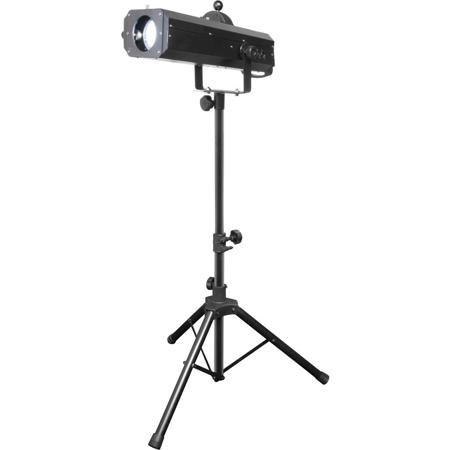
As productions evolve with the seasons—moving from energetic summer musicals to introspective autumn dramas—the adaptability of your lighting rig becomes even more valuable. LED stage lighting, with its low heat output and digital color mixing, is ideal for quick scene changes and creative experimentation, while classic fixtures remain beloved for their unique warmth and character. Whether you’re seeking to highlight a solo performer with a crisp followspot, wash the stage in vibrant color for a dance number, or subtly shift the mood with dim stage lighting, the right equipment empowers you to tell stories that resonate. And for those expanding their technical repertoire, exploring related applications such as concert and band lighting can open up new creative possibilities; you can find more inspiration and gear recommendations on our Stage Lighting For Bands page. No matter the scale of your production, thoughtful investment in quality lighting ensures every performance is seen in its best light, fostering unforgettable experiences for both artists and audiences alike.
Selecting the right stage lighting involves understanding both the technical requirements of your venue and the creative vision of your production team. For directors and lighting designers, the choice of fixtures—ranging from PAR cans for broad washes to moving heads for dynamic, shifting effects—can make all the difference in conveying mood, time, and place. Front lighting is crucial for facial visibility, allowing the audience to catch every nuance of an actor’s performance, while back and side lighting add depth, sculpting performers out of the darkness and creating striking silhouettes or dramatic reveals. Down lighting, meanwhile, can produce intense, focused pools of light that heighten the emotional stakes of a scene. DMX-compatible control systems are a staple in modern theatres, enabling precise programming of cues and transitions that keep the audience immersed in the story. For those outfitting a new space or upgrading existing rigs, it’s important to consider factors like ceiling height, power availability, and the need for silent operation—especially in intimate venues where even the hum of a fan can break the spell of a quiet moment. Theatrical lighting fixtures also make thoughtful gifts for educators, drama students, or anyone passionate about live performance, offering them the tools to bring their creative visions to life and learn the craft of stage design firsthand.
As productions evolve with the seasons—moving from energetic summer musicals to introspective autumn dramas—the adaptability of your lighting rig becomes even more valuable. LED stage lighting, with its low heat output and digital color mixing, is ideal for quick scene changes and creative experimentation, while classic fixtures remain beloved for their unique warmth and character. Whether you’re seeking to highlight a solo performer with a crisp followspot, wash the stage in vibrant color for a dance number, or subtly shift the mood with dim stage lighting, the right equipment empowers you to tell stories that resonate. And for those expanding their technical repertoire, exploring related applications such as concert and band lighting can open up new creative possibilities; you can find more inspiration and gear recommendations on our Stage Lighting For Bands page. No matter the scale of your production, thoughtful investment in quality lighting ensures every performance is seen in its best light, fostering unforgettable experiences for both artists and audiences alike.