Stereo Line Inputs
Stereo line inputs play a crucial role in any audio setup, providing the essential link between a wide range of sound sources and playback or recording equipment. Unlike microphone or instrument inputs, stereo line inputs are designed to handle signals that are already at line level—strong enough to travel cleanly through audio systems without additional amplification. This makes them the perfect match for connecting devices such as keyboards, synthesizers, drum machines, DJ controllers, audio interfaces, and media players. Whether you’re building a home studio, upgrading a live sound rig, or simply looking to enjoy high-fidelity playback from your favorite sources, understanding the importance of stereo line inputs can make all the difference in achieving clear, balanced stereo sound. Throughout the warmer months, as outdoor gatherings and creative projects become more common, having the right equipment to connect and manage multiple audio sources can elevate everything from backyard parties to live performances and recording sessions.
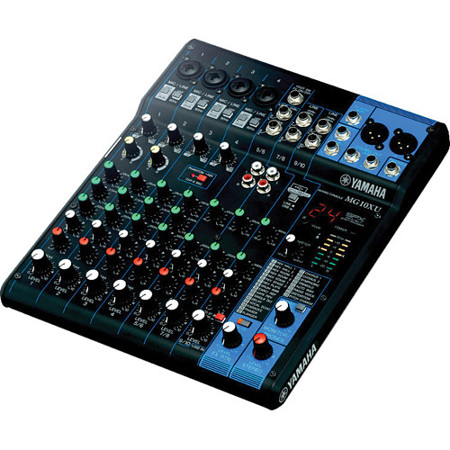
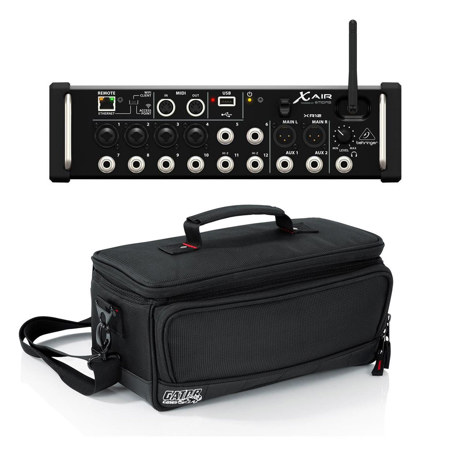
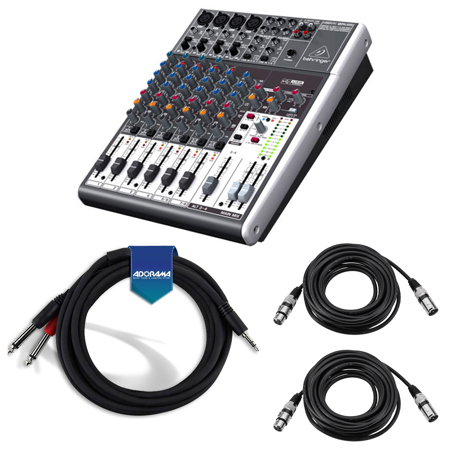
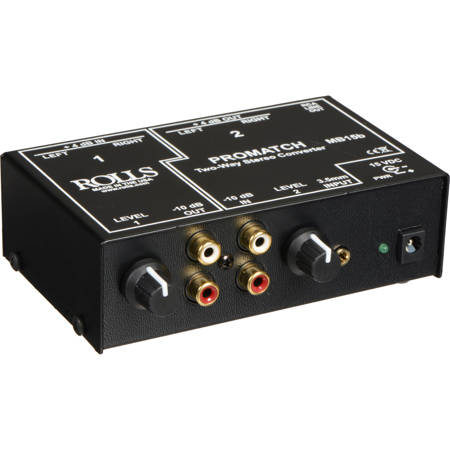
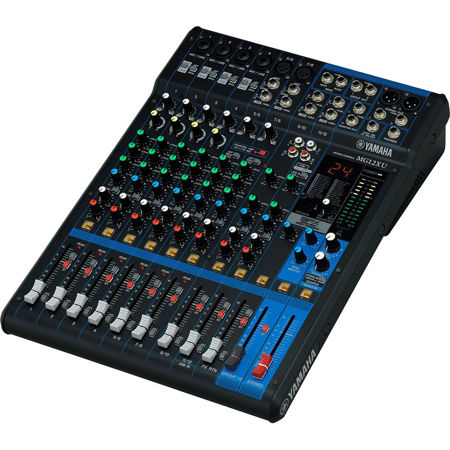
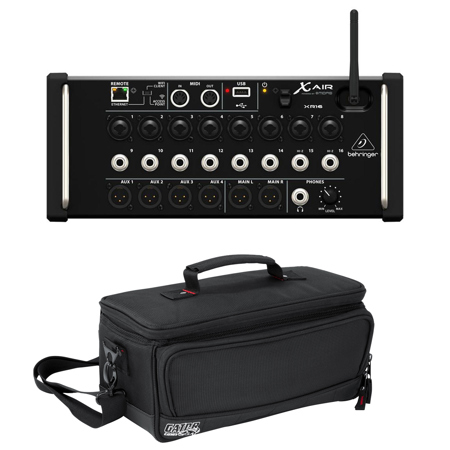
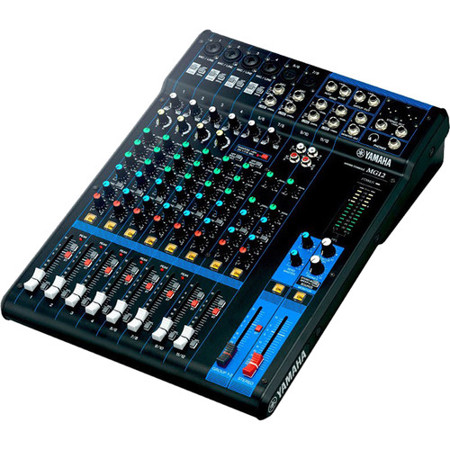
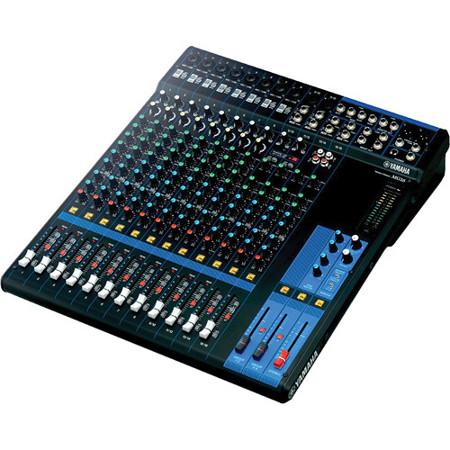
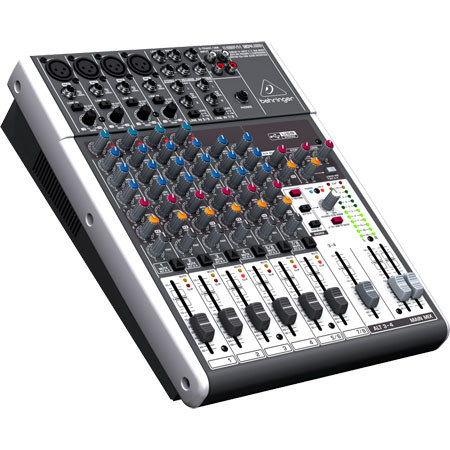
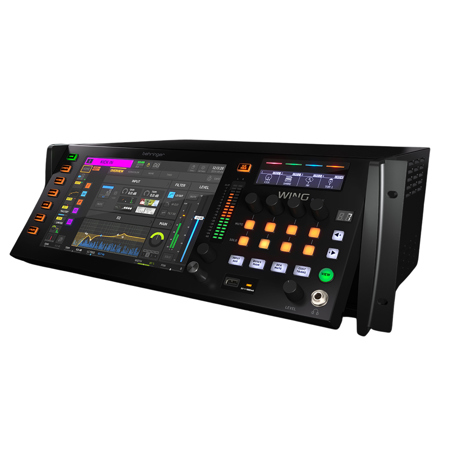
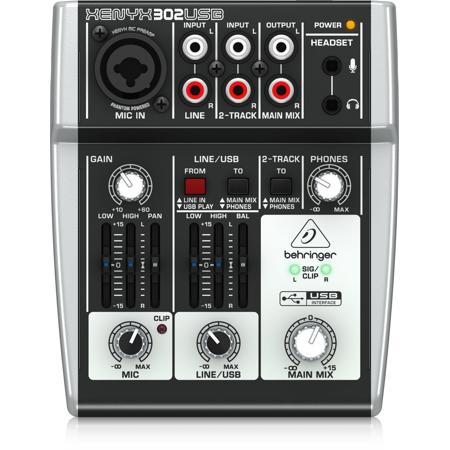
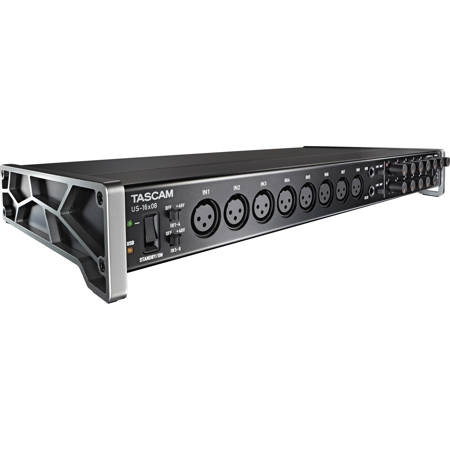
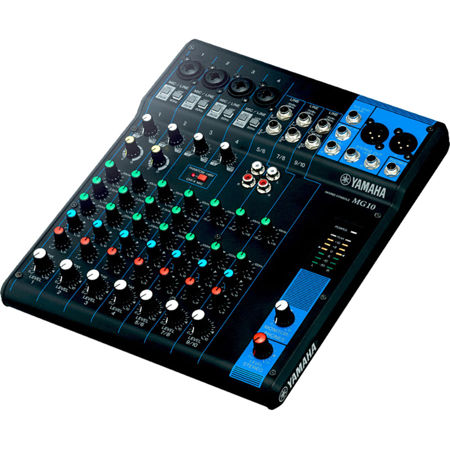
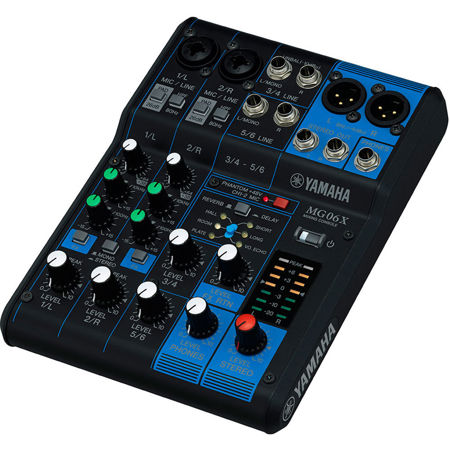
When considering which stereo line inputs best fit your needs, it’s helpful to think about both the technical requirements of your gear and the practical demands of your environment. For musicians and producers, stereo line inputs are indispensable for capturing the true character of stereo instruments and hardware without coloration or distortion. DJs and audio engineers often rely on these inputs to seamlessly blend tracks, add effects, or route multiple playback devices into a single system. Even casual listeners benefit from the convenience and sound quality that proper stereo line connections provide, especially when connecting smartphones, laptops, or legacy audio equipment. Inputs may come in various forms—1/4-inch TRS jacks, RCA connectors, or 3.5mm aux inputs—each suited to different devices and scenarios. Ensuring compatibility between your sources and your mixer, interface, or amplifier is key to avoiding signal loss or unwanted noise. For those looking to expand their setup, adding a device with multiple stereo line inputs, such as a dedicated mixer, can open up new creative possibilities and streamline complex audio arrangements. If you find yourself needing more flexibility or want to explore how to integrate multiple stereo sources, you might consider browsing our selection of Stereo Mixers for versatile options that cater to both beginners and seasoned professionals.
Stereo line inputs also make thoughtful and practical gifts for anyone passionate about audio, from aspiring musicians setting up their first home studio to seasoned sound engineers fine-tuning their live rigs. As the seasons shift and schedules fill with events, performances, and creative projects, the ability to quickly and reliably connect a variety of audio sources becomes even more valuable. Whether you’re outfitting a rehearsal space, enhancing your home entertainment system, or preparing for a summer of outdoor shows and gatherings, investing in quality stereo line input solutions ensures your sound remains crisp, dynamic, and true to the original performance. With the right connections in place, every note, beat, and nuance is preserved, allowing artists and listeners alike to experience audio as it was meant to be heard—full, immersive, and free from unwanted distortion.
When considering which stereo line inputs best fit your needs, it’s helpful to think about both the technical requirements of your gear and the practical demands of your environment. For musicians and producers, stereo line inputs are indispensable for capturing the true character of stereo instruments and hardware without coloration or distortion. DJs and audio engineers often rely on these inputs to seamlessly blend tracks, add effects, or route multiple playback devices into a single system. Even casual listeners benefit from the convenience and sound quality that proper stereo line connections provide, especially when connecting smartphones, laptops, or legacy audio equipment. Inputs may come in various forms—1/4-inch TRS jacks, RCA connectors, or 3.5mm aux inputs—each suited to different devices and scenarios. Ensuring compatibility between your sources and your mixer, interface, or amplifier is key to avoiding signal loss or unwanted noise. For those looking to expand their setup, adding a device with multiple stereo line inputs, such as a dedicated mixer, can open up new creative possibilities and streamline complex audio arrangements. If you find yourself needing more flexibility or want to explore how to integrate multiple stereo sources, you might consider browsing our selection of Stereo Mixers for versatile options that cater to both beginners and seasoned professionals.
Stereo line inputs also make thoughtful and practical gifts for anyone passionate about audio, from aspiring musicians setting up their first home studio to seasoned sound engineers fine-tuning their live rigs. As the seasons shift and schedules fill with events, performances, and creative projects, the ability to quickly and reliably connect a variety of audio sources becomes even more valuable. Whether you’re outfitting a rehearsal space, enhancing your home entertainment system, or preparing for a summer of outdoor shows and gatherings, investing in quality stereo line input solutions ensures your sound remains crisp, dynamic, and true to the original performance. With the right connections in place, every note, beat, and nuance is preserved, allowing artists and listeners alike to experience audio as it was meant to be heard—full, immersive, and free from unwanted distortion.