Stratocaster Tremolos
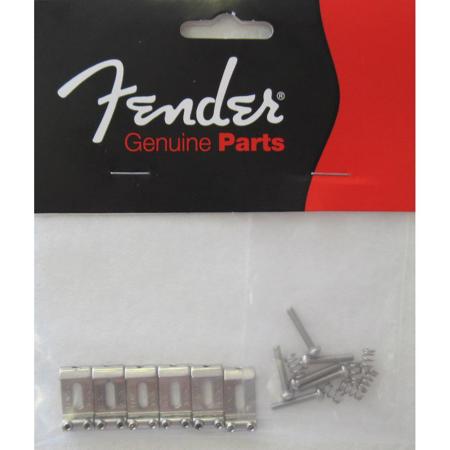
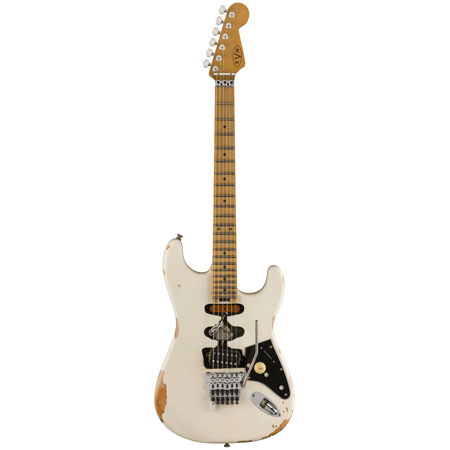
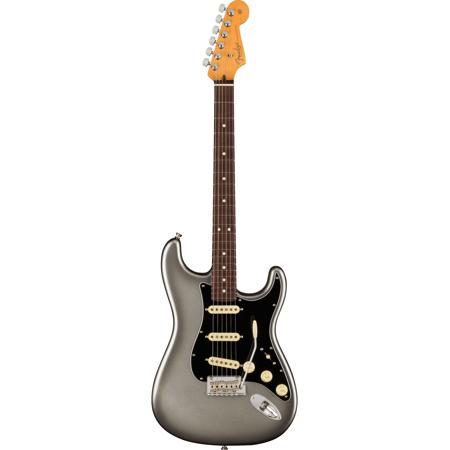
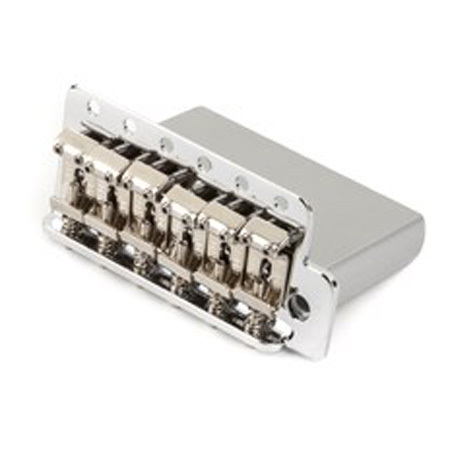
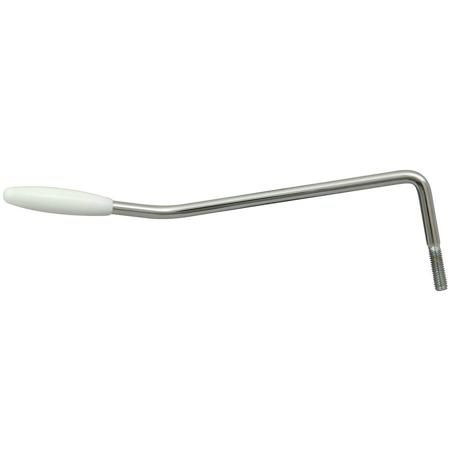
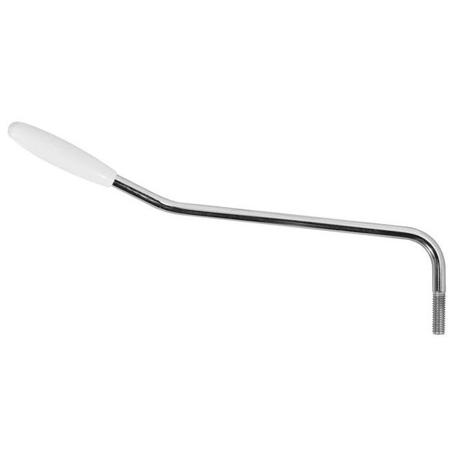
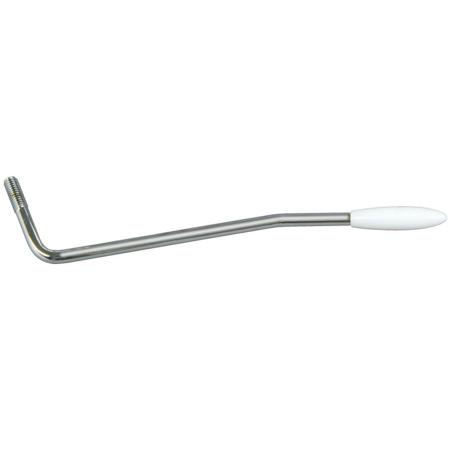
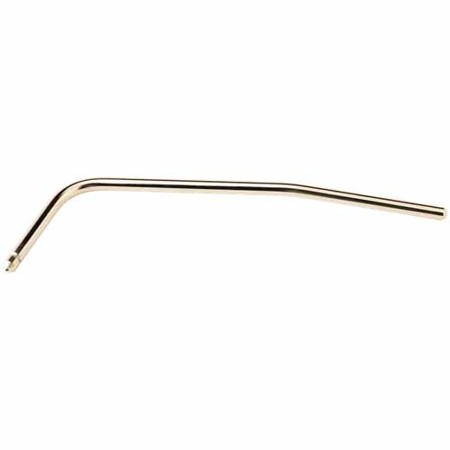
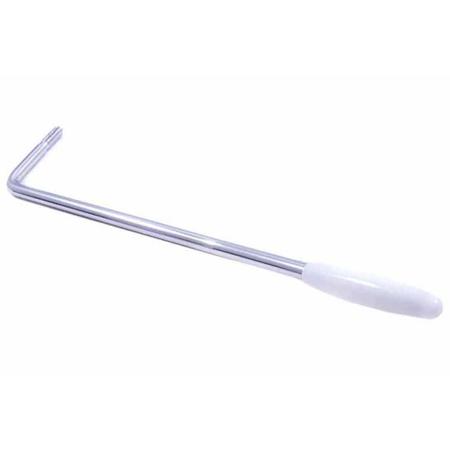
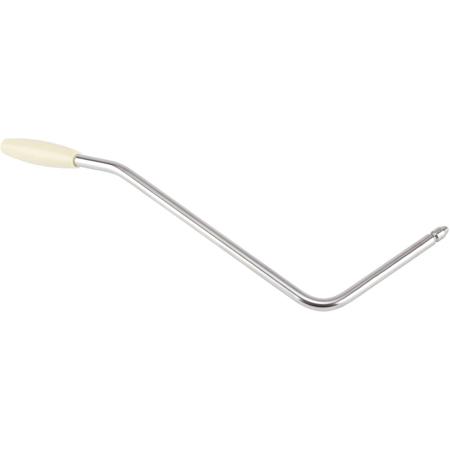
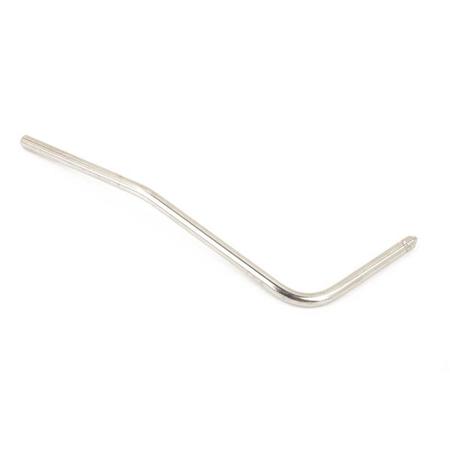
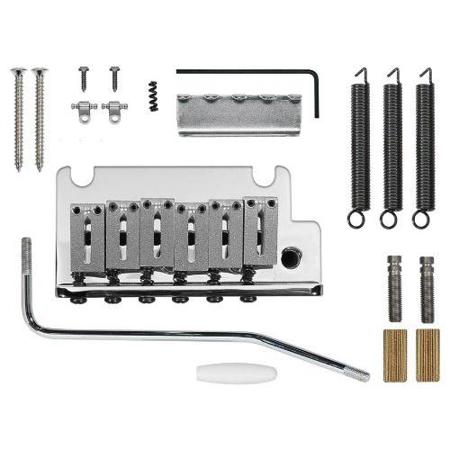
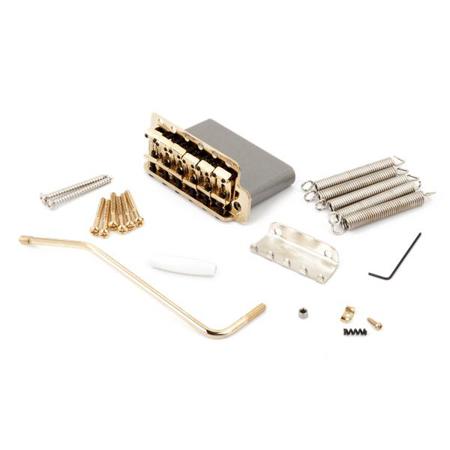
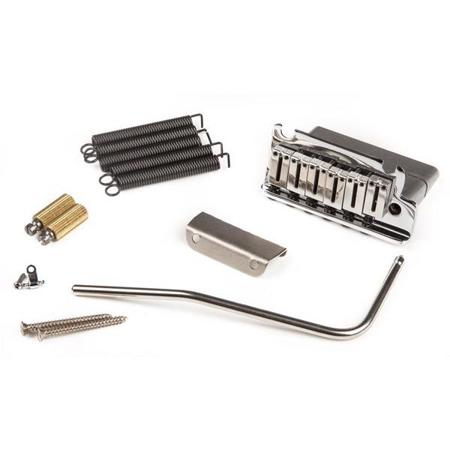
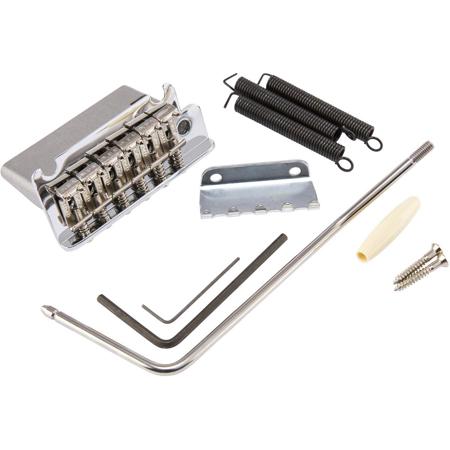
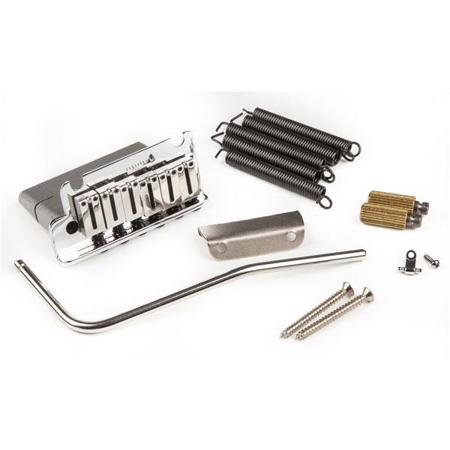
The Stratocaster tremolo, often referred to as a vibrato system, is one of the most iconic features in the world of electric guitars, celebrated for its ability to bring expressive pitch modulation to any performance. Whether you’re a seasoned guitarist refining your signature sound or a passionate beginner exploring the nuances of your instrument, understanding the mechanics and benefits of a quality Stratocaster tremolo system is essential. At its core, the tremolo bridge is a marvel of design, featuring a spring-loaded pivot mechanism that allows you to bend the pitch of your notes up or down with a simple movement of the tremolo arm. The bridge itself holds the strings in place, with individually adjustable saddles for precise intonation, while the bridge block and internal tension springs—anchored by a spring claw at the back of the guitar—work together to balance string and spring tension. This creates the option for a “floating” bridge, where both upward and downward pitch bends are possible, or a “decked” setup, where the bridge is flush against the guitar body for maximum stability. For guitarists who crave even more reliability, the tremolo can be physically blocked, turning the instrument into a hardtail and enhancing tuning stability, especially useful during energetic live sets or lengthy recording sessions.
Selecting the right Stratocaster tremolo system involves considering your playing style, tonal preferences, and maintenance habits. For players who love subtle vibrato or dramatic dive-bombs, a floating tremolo setup offers unmatched versatility, enabling everything from shimmering chord swells to expressive solo flourishes. Those who prioritize tuning stability or prefer classic blues bends may opt for a decked or blocked configuration. Upgrading components like the tremolo block—swapping out thinner stock blocks for denser brass or steel—can noticeably improve sustain and tone, lending extra warmth and resonance to each note. Regular maintenance is key: changing strings frequently, adjusting spring claw screws to achieve the perfect tension, and lubricating friction points such as nut slots, tuning posts, and string trees all contribute to smoother operation and more reliable performance. Clean, well-maintained saddles prevent tuning issues and help ensure that your guitar responds consistently, whether you’re recording in the studio or playing outdoors as the weather shifts from the warmth of summer into the cooler months of fall.
A Stratocaster tremolo system also makes a thoughtful and practical gift for any guitarist, from students and hobbyists to seasoned performers. It’s a popular upgrade for those looking to customize their instrument, and its adaptability suits a wide range of genres—from surf rock and blues to progressive metal. For those seeking inspiration or wishing to compare different guitar models that feature tremolo systems, the Guitars With Tremolo page provides a curated selection to help you find the right fit for your needs. Whether you’re playing at home, jamming with friends, or stepping onto the stage, a well-chosen and properly set up Stratocaster tremolo bridge opens up a world of creative possibilities, making every note and chord uniquely yours.
Selecting the right Stratocaster tremolo system involves considering your playing style, tonal preferences, and maintenance habits. For players who love subtle vibrato or dramatic dive-bombs, a floating tremolo setup offers unmatched versatility, enabling everything from shimmering chord swells to expressive solo flourishes. Those who prioritize tuning stability or prefer classic blues bends may opt for a decked or blocked configuration. Upgrading components like the tremolo block—swapping out thinner stock blocks for denser brass or steel—can noticeably improve sustain and tone, lending extra warmth and resonance to each note. Regular maintenance is key: changing strings frequently, adjusting spring claw screws to achieve the perfect tension, and lubricating friction points such as nut slots, tuning posts, and string trees all contribute to smoother operation and more reliable performance. Clean, well-maintained saddles prevent tuning issues and help ensure that your guitar responds consistently, whether you’re recording in the studio or playing outdoors as the weather shifts from the warmth of summer into the cooler months of fall.
A Stratocaster tremolo system also makes a thoughtful and practical gift for any guitarist, from students and hobbyists to seasoned performers. It’s a popular upgrade for those looking to customize their instrument, and its adaptability suits a wide range of genres—from surf rock and blues to progressive metal. For those seeking inspiration or wishing to compare different guitar models that feature tremolo systems, the Guitars With Tremolo page provides a curated selection to help you find the right fit for your needs. Whether you’re playing at home, jamming with friends, or stepping onto the stage, a well-chosen and properly set up Stratocaster tremolo bridge opens up a world of creative possibilities, making every note and chord uniquely yours.