Studio Consoles
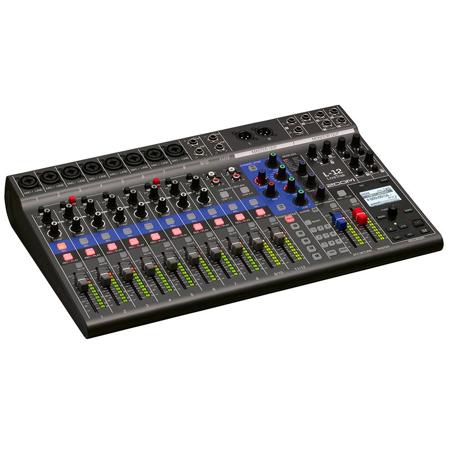
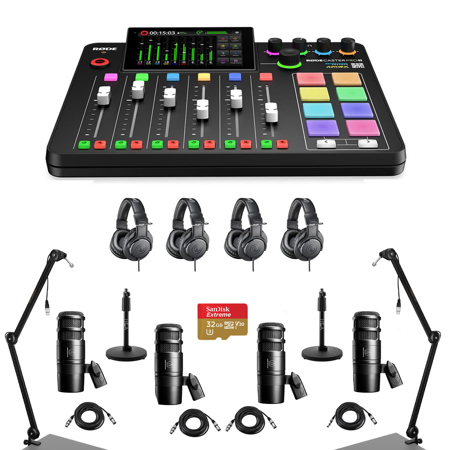
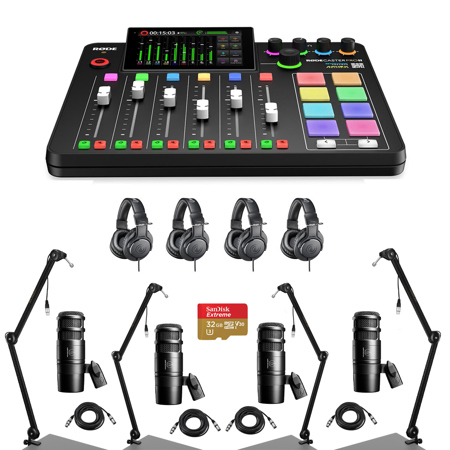
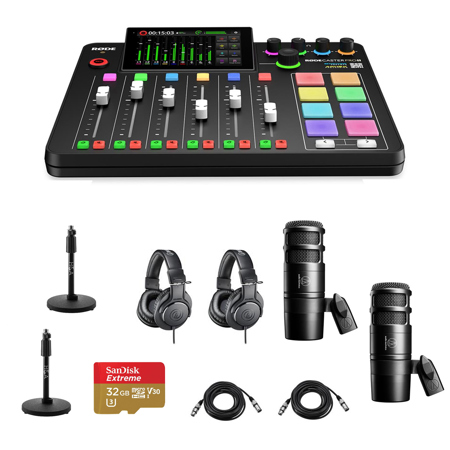
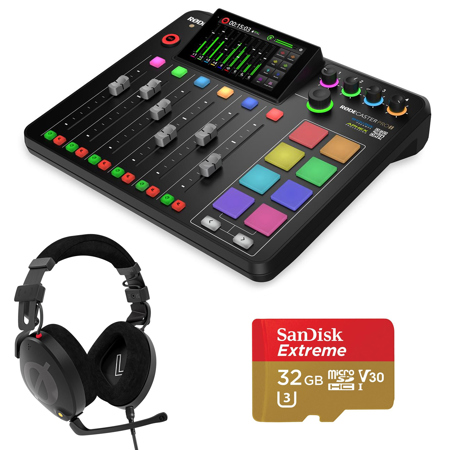
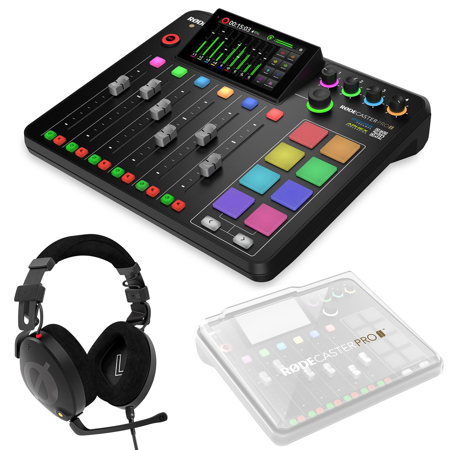
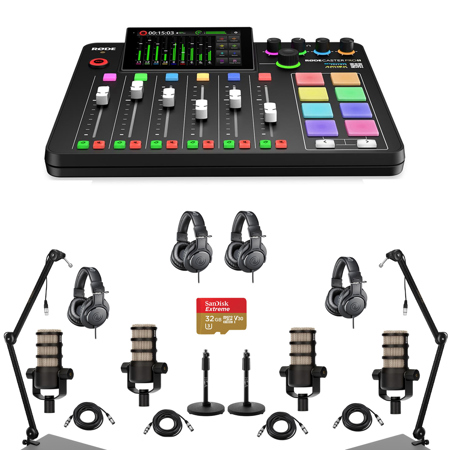
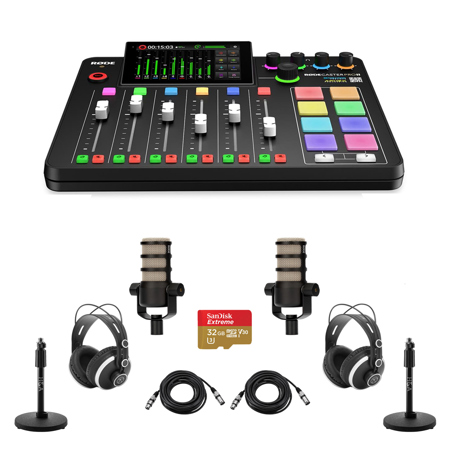
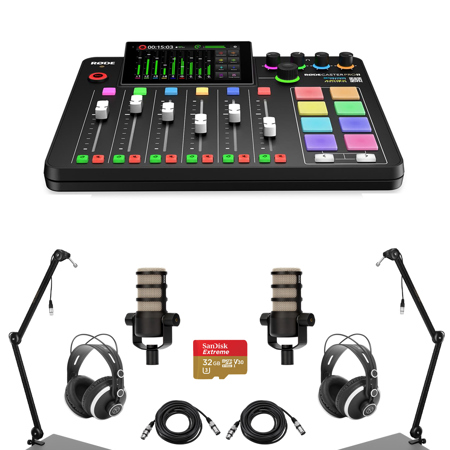
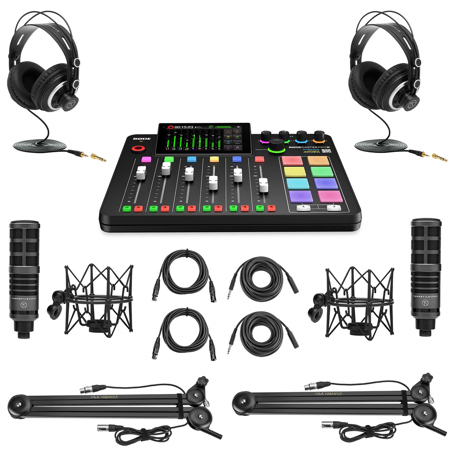
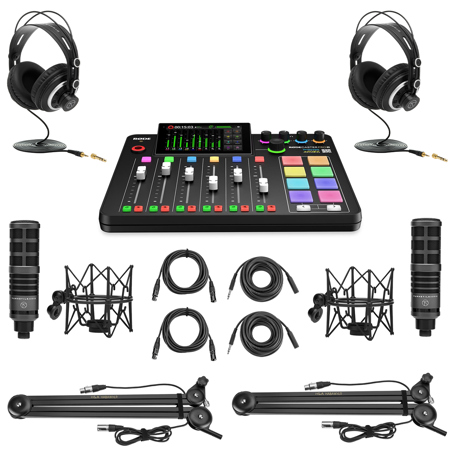
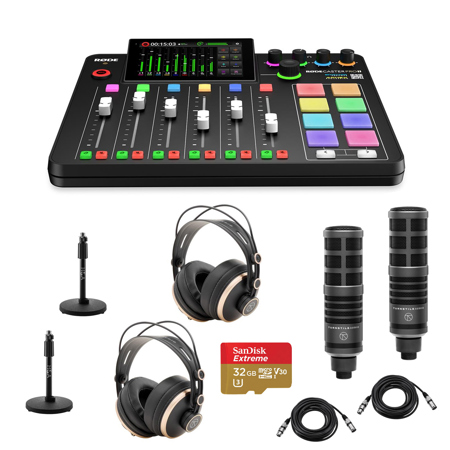
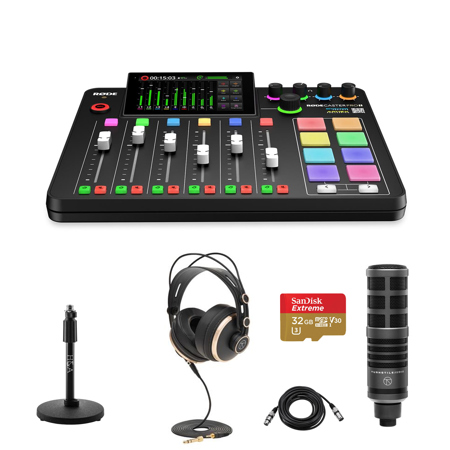
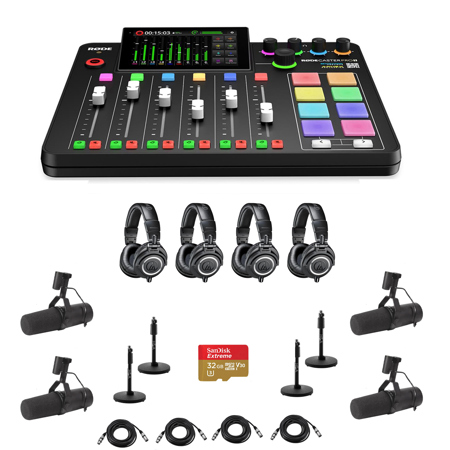
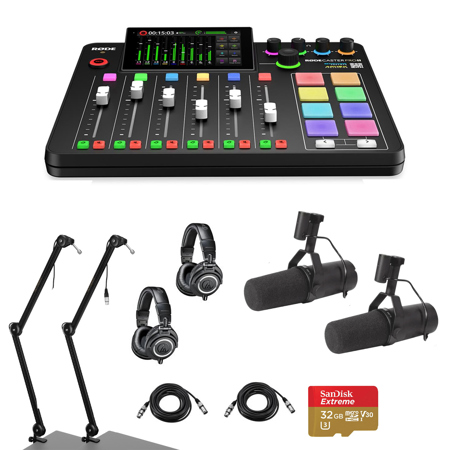
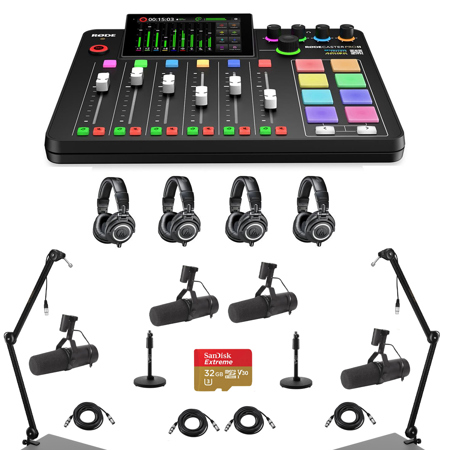
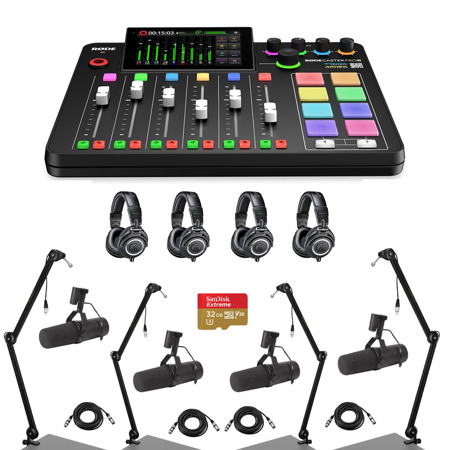
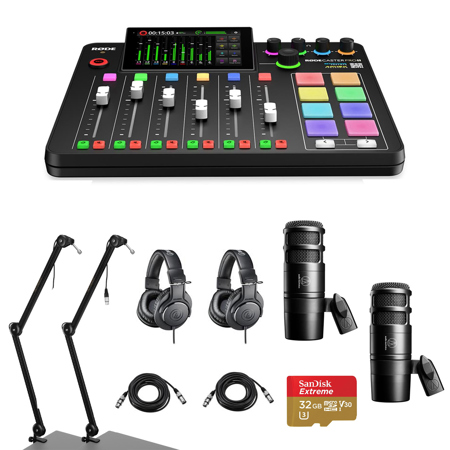
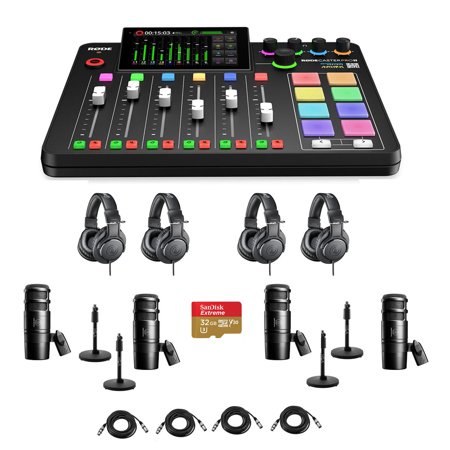
In any professional or home recording environment, the role of studio consoles is both foundational and transformative. These sophisticated pieces of gear serve as the central hub for audio routing, mixing, and signal processing, making them essential for music producers, sound engineers, podcasters, and content creators alike. Whether you’re outfitting a commercial studio or building a project space in your own home, the right production console can make a world of difference in workflow, sound quality, and creative flexibility. During the warmer months when creativity often flourishes and collaborative projects pick up pace, having a reliable studio console can help streamline sessions, manage multiple inputs, and provide hands-on control over every nuance of a recording or live stream. From tracking full bands to mixing intricate podcast episodes, these consoles offer tactile control and intuitive layouts that digital-only setups can’t quite match, inviting users to engage more deeply with their craft.
Choosing the right studio console involves considering key factors like the number of channels, onboard processing capabilities, connectivity options, and the type of integration required with existing digital audio workstations or outboard gear. For those just starting out, a compact console with straightforward controls might be ideal, while seasoned professionals or educators may require larger desks with advanced routing, multiple buses, and flexible monitoring sections. Studio consoles aren’t just for musicians or audio engineers—they can also make thoughtful, impactful gifts for aspiring producers, students entering audio programs, or anyone passionate about sound design and multimedia creation. The tactile experience of working with faders, knobs, and switches often sparks new inspiration, whether during a late-night jam session or a focused day of editing voiceovers. As creative projects evolve through the changing seasons, the adaptability of a quality production console ensures that studios remain ready to tackle everything from solo songwriting sessions to full-scale audio post-production.
Beyond the physical interface, today’s studio consoles often bridge the gap between analog warmth and digital precision, offering hybrid workflows suited to modern production needs. As studios expand or adapt to new projects, it’s important to consider how your console will interact with other essential gear—especially audio interfaces, which serve as the gateway between analog inputs and digital recording environments. For those looking to optimize their setup further, exploring options like Studio Interfaces can provide seamless integration and enhanced audio fidelity. Whether you’re capturing the energy of a live performance, layering tracks for a summer release, or fine-tuning mixes during quieter moments indoors, a well-chosen studio console becomes the heart of your creative space, supporting your vision and helping to bring every sonic detail to life.
Choosing the right studio console involves considering key factors like the number of channels, onboard processing capabilities, connectivity options, and the type of integration required with existing digital audio workstations or outboard gear. For those just starting out, a compact console with straightforward controls might be ideal, while seasoned professionals or educators may require larger desks with advanced routing, multiple buses, and flexible monitoring sections. Studio consoles aren’t just for musicians or audio engineers—they can also make thoughtful, impactful gifts for aspiring producers, students entering audio programs, or anyone passionate about sound design and multimedia creation. The tactile experience of working with faders, knobs, and switches often sparks new inspiration, whether during a late-night jam session or a focused day of editing voiceovers. As creative projects evolve through the changing seasons, the adaptability of a quality production console ensures that studios remain ready to tackle everything from solo songwriting sessions to full-scale audio post-production.
Beyond the physical interface, today’s studio consoles often bridge the gap between analog warmth and digital precision, offering hybrid workflows suited to modern production needs. As studios expand or adapt to new projects, it’s important to consider how your console will interact with other essential gear—especially audio interfaces, which serve as the gateway between analog inputs and digital recording environments. For those looking to optimize their setup further, exploring options like Studio Interfaces can provide seamless integration and enhanced audio fidelity. Whether you’re capturing the energy of a live performance, layering tracks for a summer release, or fine-tuning mixes during quieter moments indoors, a well-chosen studio console becomes the heart of your creative space, supporting your vision and helping to bring every sonic detail to life.