Studio Control Surfaces
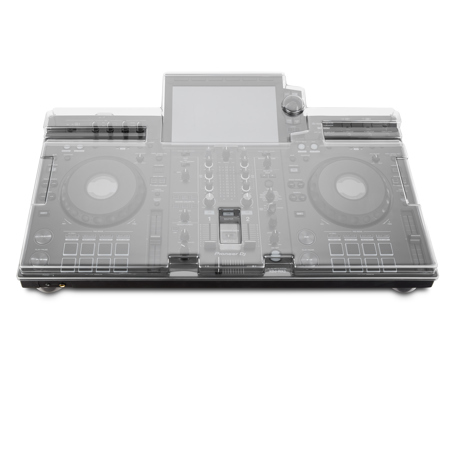
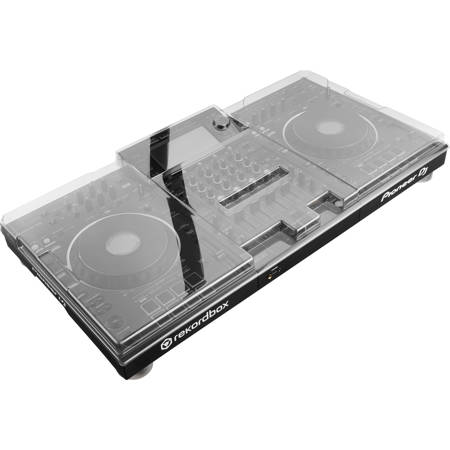
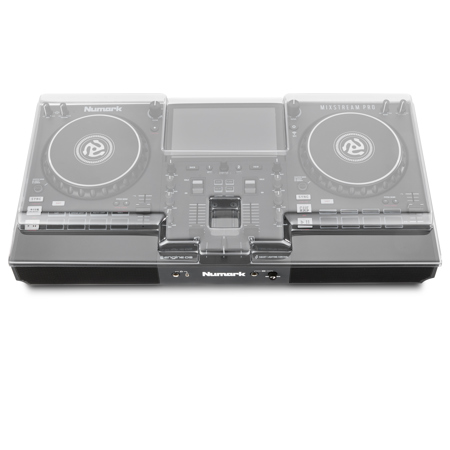
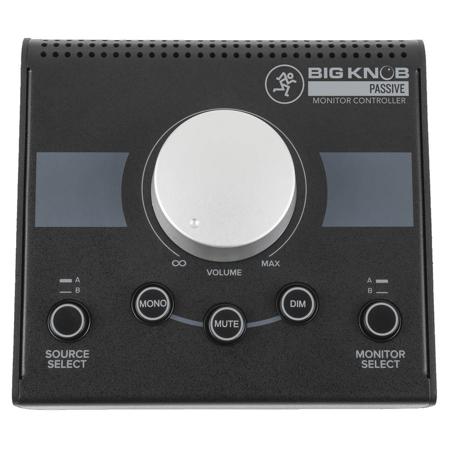
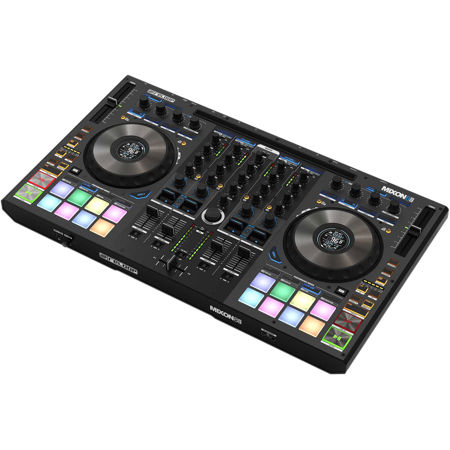
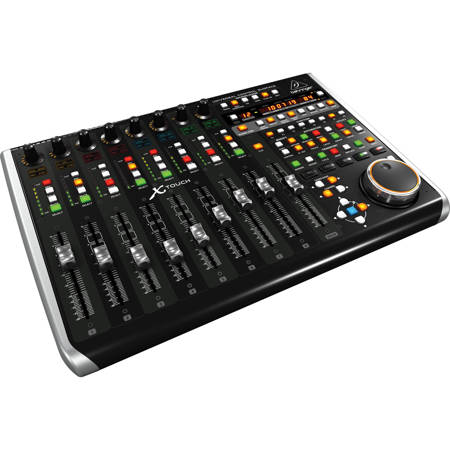
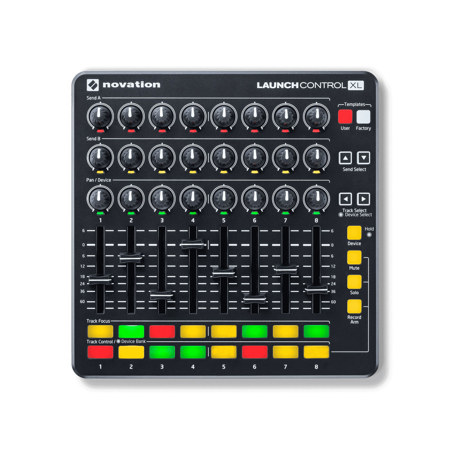
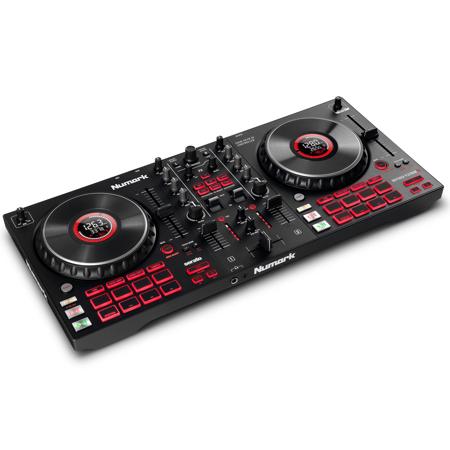
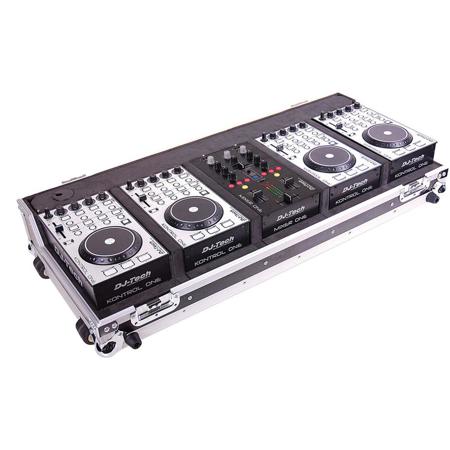
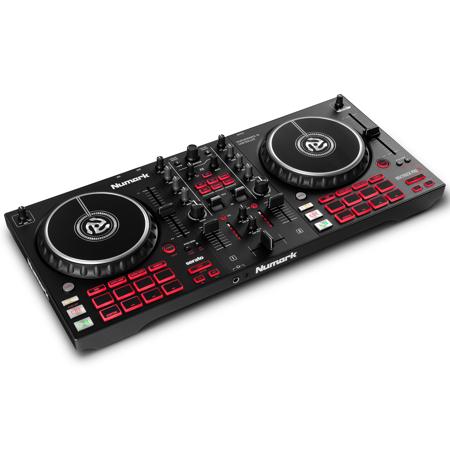
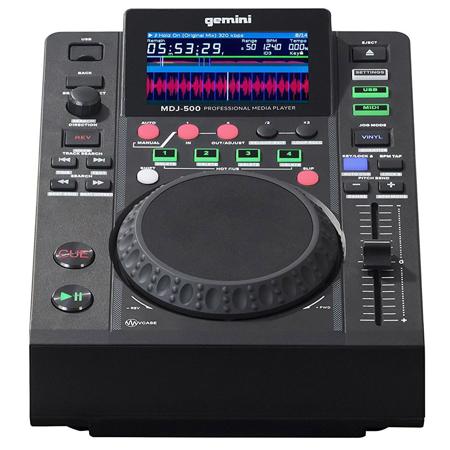
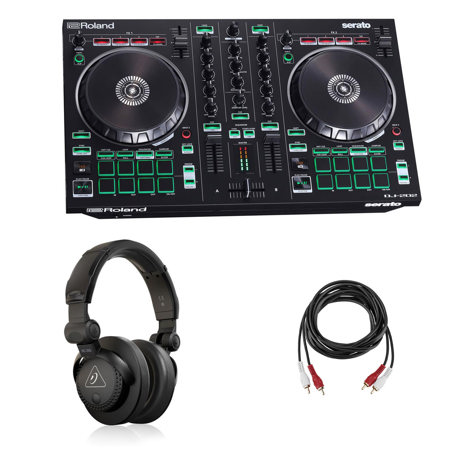
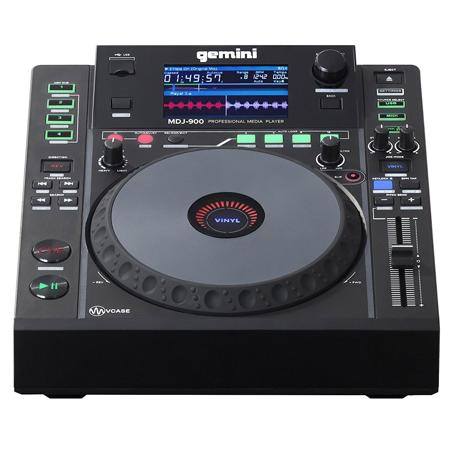
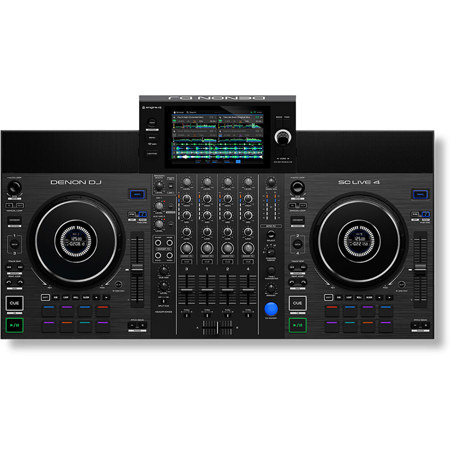
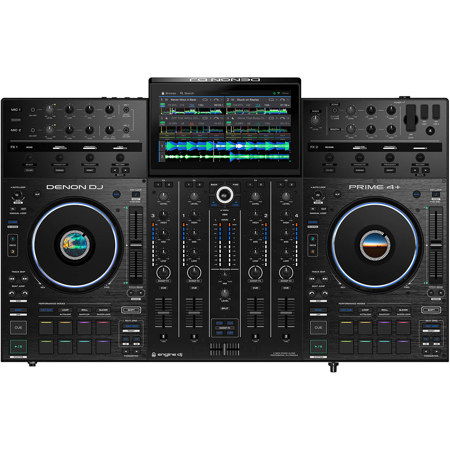
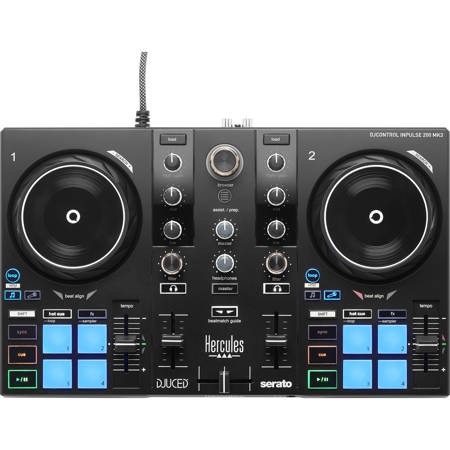
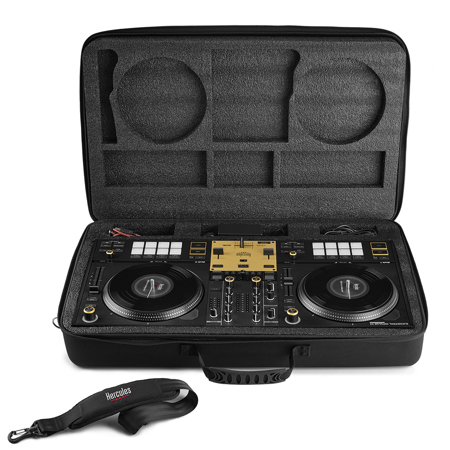
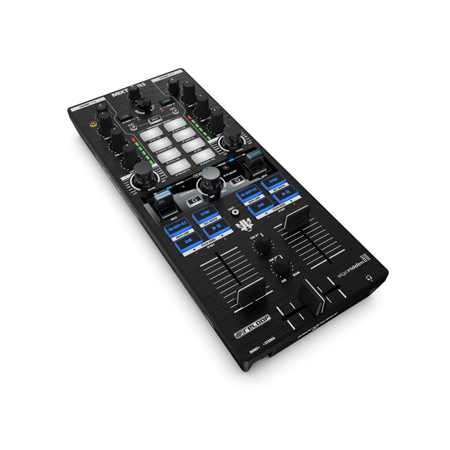
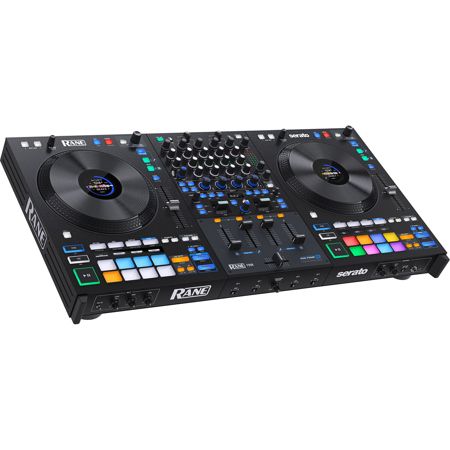
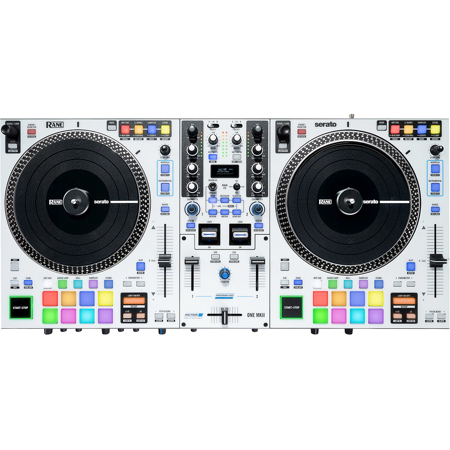
In the world of audio production, having precise tactile control is often the difference between a good mix and a great one. Studio control surfaces bridge the gap between software and hands-on creativity, transforming the way music producers, recording engineers, and content creators interact with their digital audio workstations (DAWs). Whether you’re composing tracks in a home studio nestled beside an open window as summer breezes drift in, or managing complex sessions in a professional environment as the days grow shorter, a control surface can streamline your workflow and bring a new level of engagement to your craft. These devices range from compact, single-fader controllers perfect for bedroom producers or mobile rigs, to expansive, multi-fader consoles favored in commercial studios and post-production houses. The tactile response of physical faders, rotary encoders, and transport buttons replaces countless mouse clicks, letting you focus on the nuances of your mix, automation, and creative decisions without breaking your flow. For DJs, integrating dj control surfaces can expand performance possibilities, offering seamless transitions between studio production and live sets.
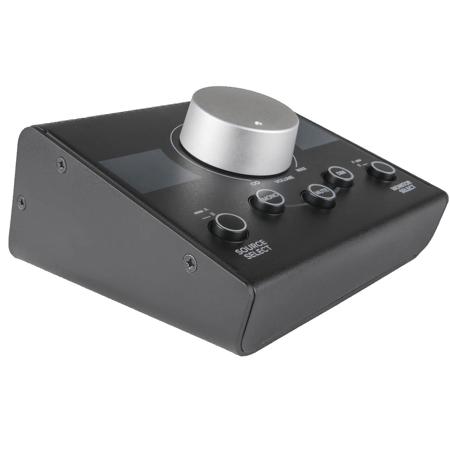
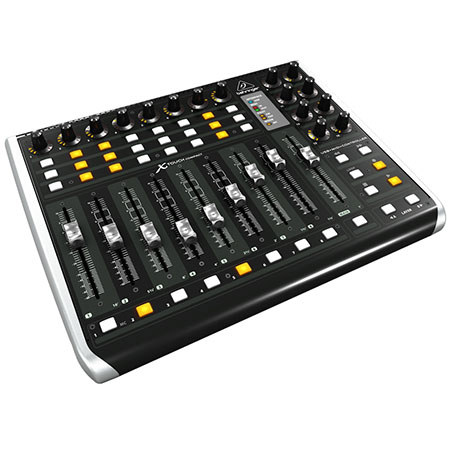
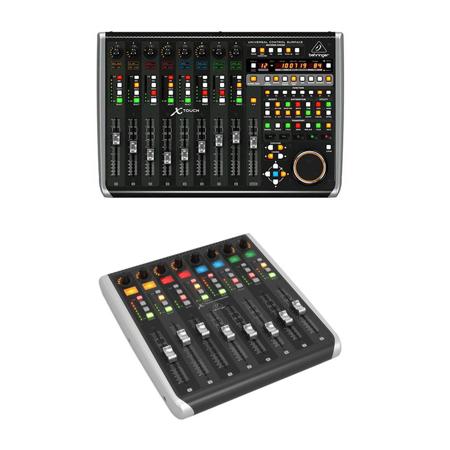
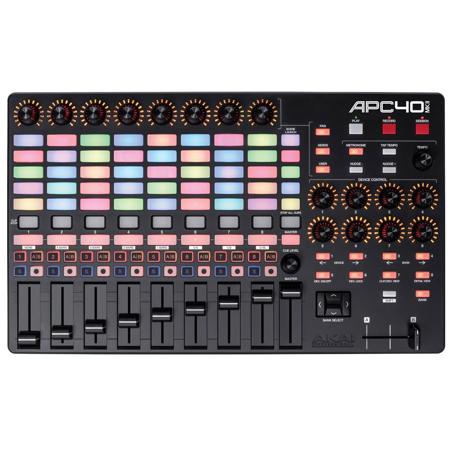
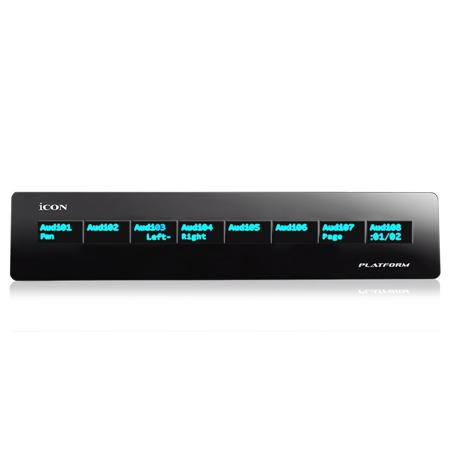
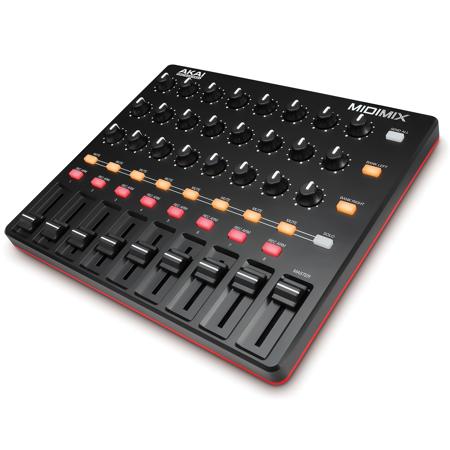
Choosing the right studio control surface depends on several factors, each shaped by your unique needs and creative ambitions. For those with limited space or who often work on the go, a compact controller with a single motorized fader and essential transport controls can be a game-changer—slipping easily into a backpack for sessions at a friend’s house or a writing retreat. Medium-sized units with multiple faders and customizable buttons are ideal for producers who crave hands-on control over multiple tracks, want to write automation in real time, or need quick access to session navigation. Meanwhile, high-end modular consoles—with their extensive visual displays, touch-sensitive controls, and deep DAW integration—become the nerve center of professional studios, handling everything from film scoring to immersive surround mixes. When selecting a control surface, consider compatibility with your preferred DAW, support for industry-standard communication protocols like HUI, Mackie Control, or EUCON, and whether features like motorized faders or built-in screens for metering and track labeling will enhance your workflow. These devices also make thoughtful gifts for aspiring audio engineers, music students, or anyone passionate about music technology—especially as summer turns to fall and creative projects ramp up for the season.
For those exploring the full potential of their studio setup, diving into the world of control surfaces can open new avenues of expression and efficiency. Many modern units connect via USB, offering plug-and-play simplicity for both beginners and seasoned professionals. If you’re curious about expanding your setup or comparing different models, our dedicated page on USB Control Surfaces provides a comprehensive look at options tailored for every workflow and budget. From the tactile satisfaction of riding a motorized fader to the intuitive feedback of LED meters and touch-sensitive encoders, a studio control surface is more than just a tool—it’s an invitation to immerse yourself in the music, refine your mixes, and bring your creative vision to life. Whether you’re capturing the energy of a live band, producing podcasts, or crafting the next summer anthem, the right control surface can make every session smoother, more enjoyable, and ultimately more productive.
Choosing the right studio control surface depends on several factors, each shaped by your unique needs and creative ambitions. For those with limited space or who often work on the go, a compact controller with a single motorized fader and essential transport controls can be a game-changer—slipping easily into a backpack for sessions at a friend’s house or a writing retreat. Medium-sized units with multiple faders and customizable buttons are ideal for producers who crave hands-on control over multiple tracks, want to write automation in real time, or need quick access to session navigation. Meanwhile, high-end modular consoles—with their extensive visual displays, touch-sensitive controls, and deep DAW integration—become the nerve center of professional studios, handling everything from film scoring to immersive surround mixes. When selecting a control surface, consider compatibility with your preferred DAW, support for industry-standard communication protocols like HUI, Mackie Control, or EUCON, and whether features like motorized faders or built-in screens for metering and track labeling will enhance your workflow. These devices also make thoughtful gifts for aspiring audio engineers, music students, or anyone passionate about music technology—especially as summer turns to fall and creative projects ramp up for the season.
For those exploring the full potential of their studio setup, diving into the world of control surfaces can open new avenues of expression and efficiency. Many modern units connect via USB, offering plug-and-play simplicity for both beginners and seasoned professionals. If you’re curious about expanding your setup or comparing different models, our dedicated page on USB Control Surfaces provides a comprehensive look at options tailored for every workflow and budget. From the tactile satisfaction of riding a motorized fader to the intuitive feedback of LED meters and touch-sensitive encoders, a studio control surface is more than just a tool—it’s an invitation to immerse yourself in the music, refine your mixes, and bring your creative vision to life. Whether you’re capturing the energy of a live band, producing podcasts, or crafting the next summer anthem, the right control surface can make every session smoother, more enjoyable, and ultimately more productive.