Studio Lighting Bulbs
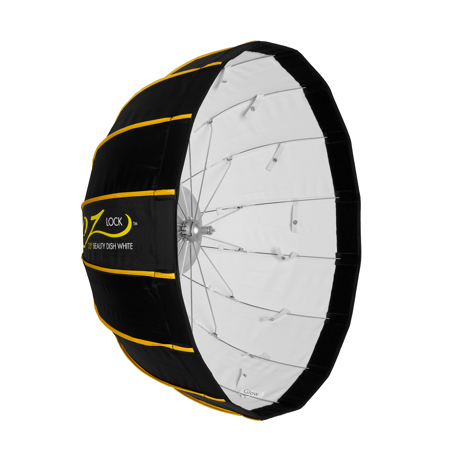
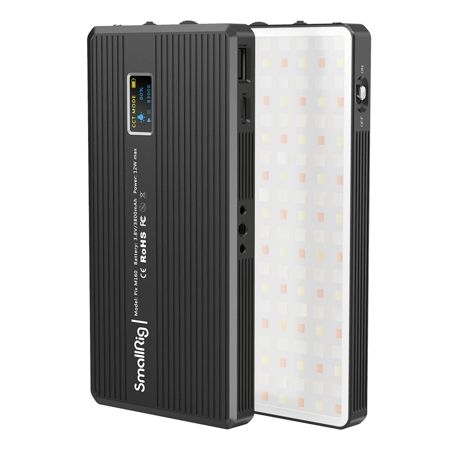
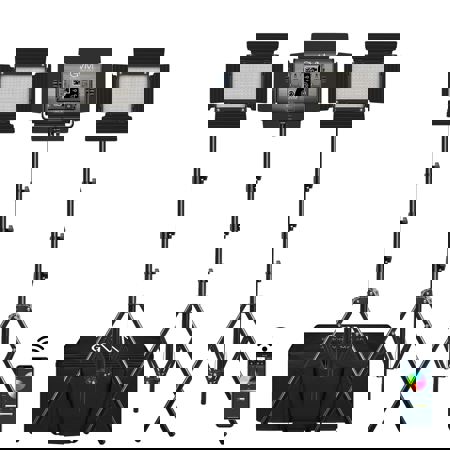
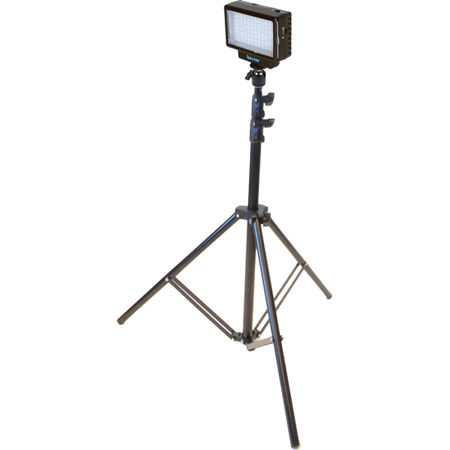
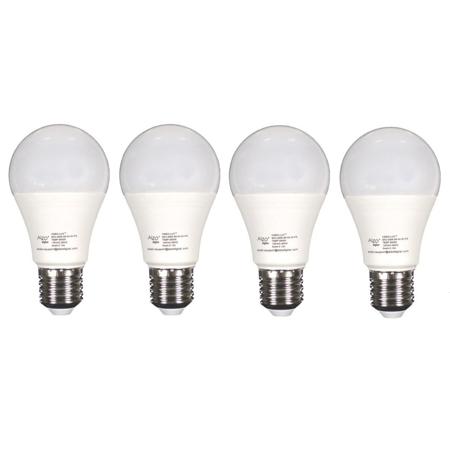
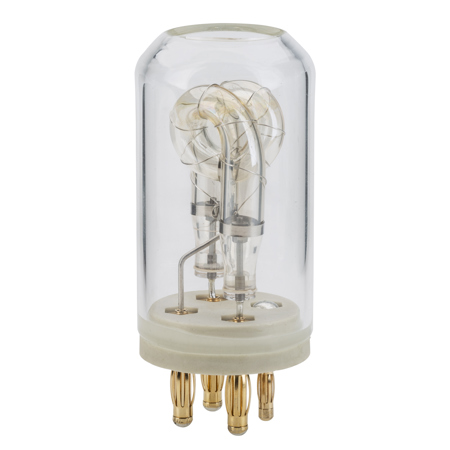
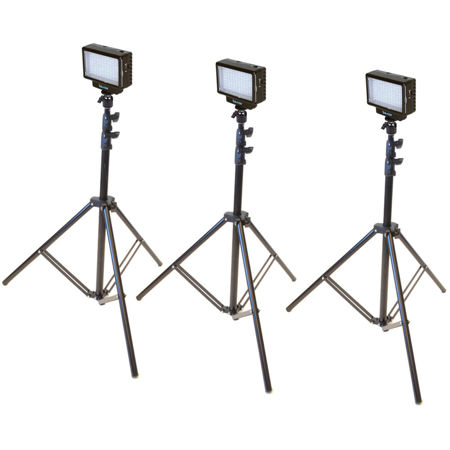
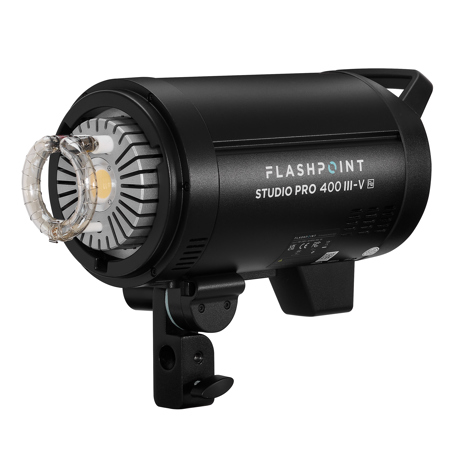
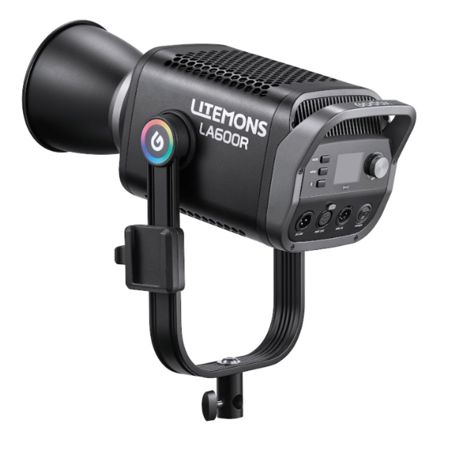
Studio lighting bulbs are the unsung heroes behind every crisp portrait, vibrant product shot, and dynamic video production. Whether you’re a seasoned professional, a passionate hobbyist, or just beginning your journey into photography or videography, the right studio light bulb can make all the difference in capturing true-to-life color, flattering skin tones, and the subtle interplay of light and shadow. Throughout the warmer days of summer and into the cooler months of fall, natural daylight shifts in quality and availability, making reliable and consistent artificial lighting essential for those who shoot indoors or after hours. Modern studios often gravitate toward energy-efficient LED bulbs, prized for their cool operation, adjustable color temperatures, and high color rendering indices (CRI). LEDs are a popular choice for continuous lighting, offering flexibility for live streaming, interviews, and product photography where you need to see exactly how the light falls in real time. Many LED studio light bulbs are available in standard screw-in bases, making them compatible with a wide range of softboxes and fixtures, while high-power COB (Chip on Board) LEDs are favored for their punchy output and broad, even coverage—ideal for larger spaces or overpowering ambient light.
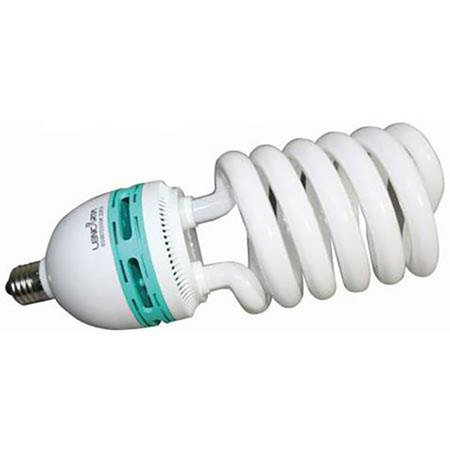
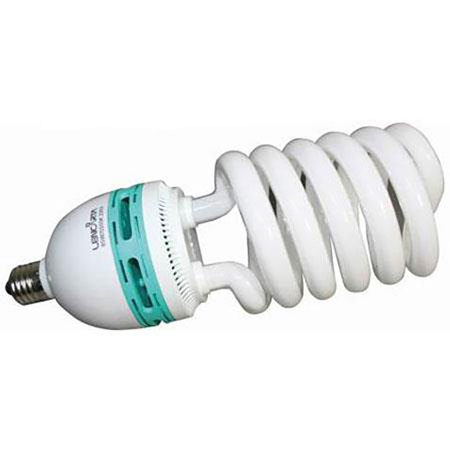
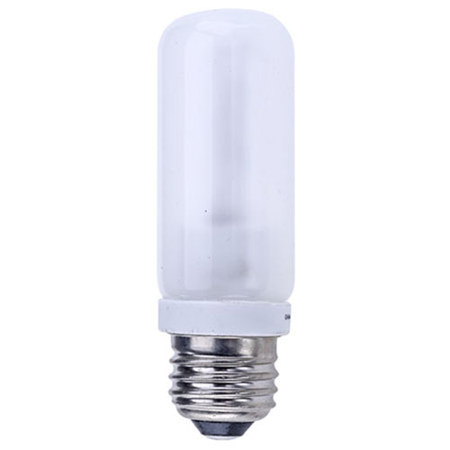
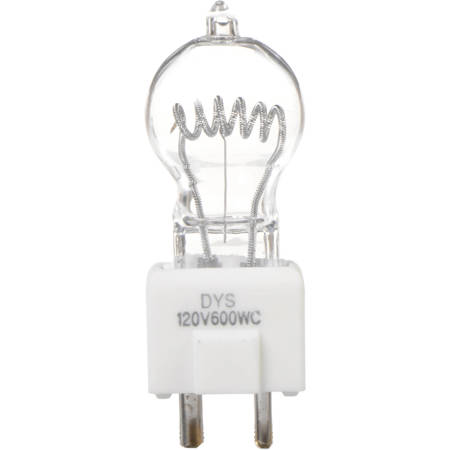
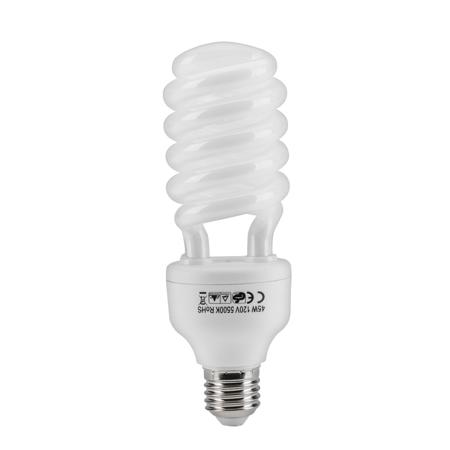
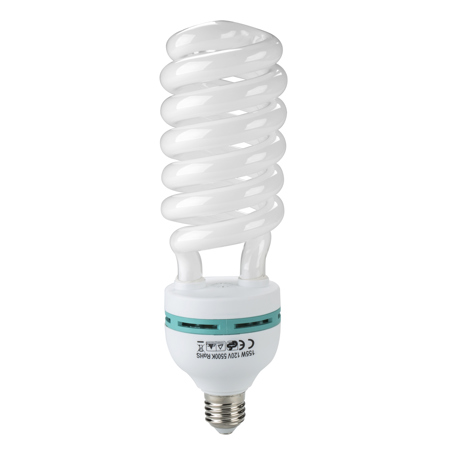
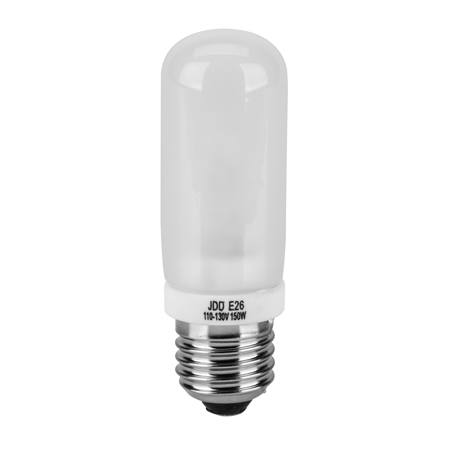
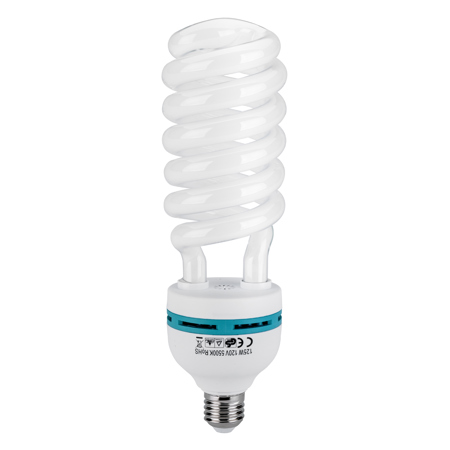
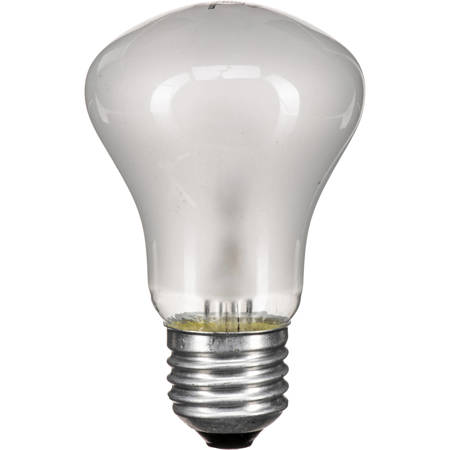
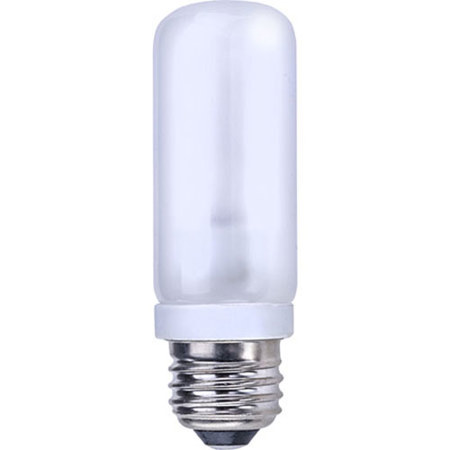
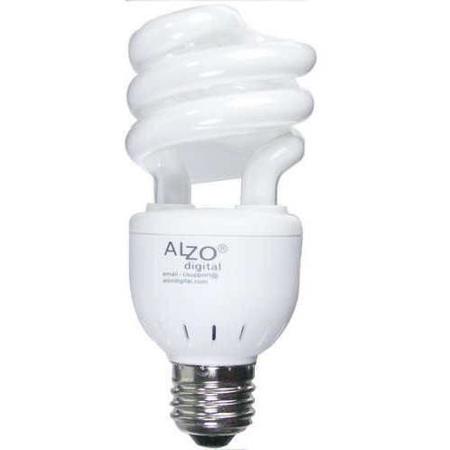
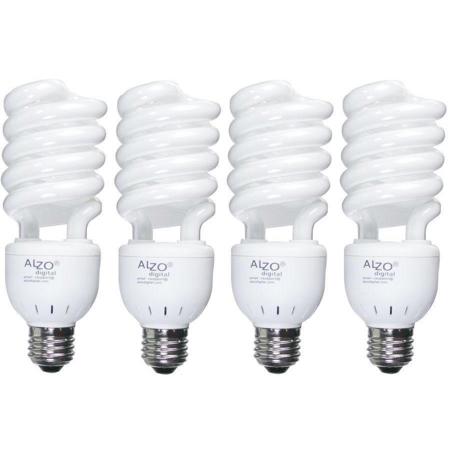
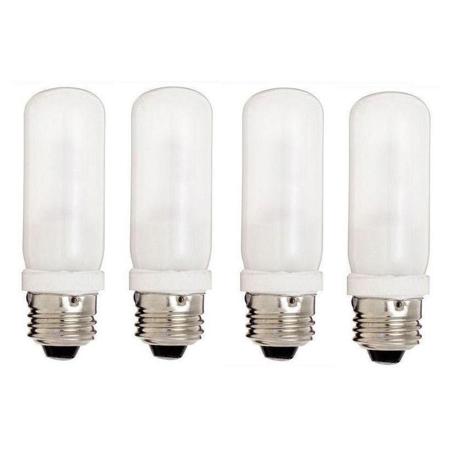
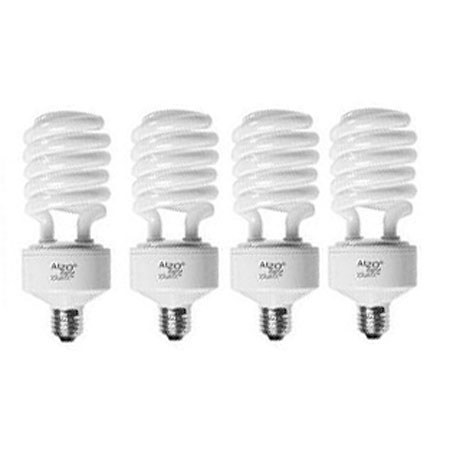
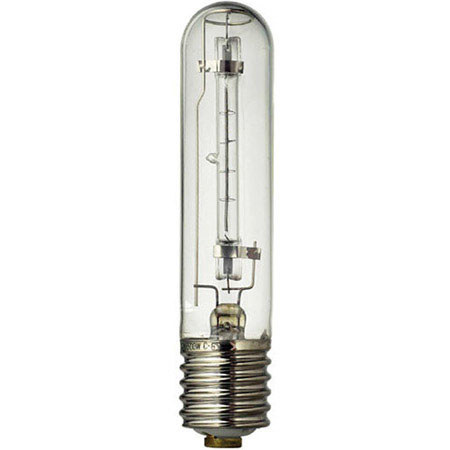
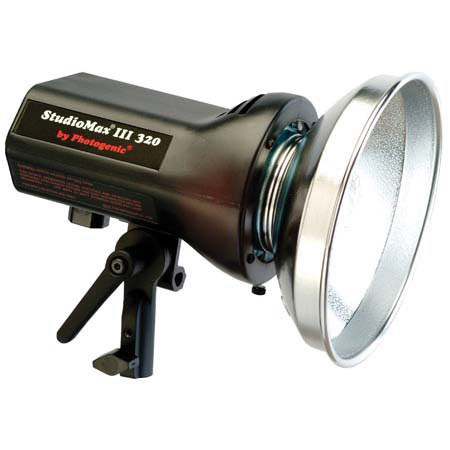
For those working with traditional strobe systems, incandescent or quartz-halogen bulbs are often used as modeling lamps, providing a steady preview of how shadows and highlights will play across a scene before the flash fires. These bulbs are typically fixed at a warmer color temperature, around 3200K, and are indispensable for fashion, portrait, and commercial photographers who need to fine-tune their lighting setups with precision. Compact fluorescent lamps (CFLs) have long been a staple in budget-friendly studio kits, especially for softbox applications, offering daylight-balanced output that matches window light for a natural look. While CFLs are affordable and relatively efficient, they are more fragile and require a brief warm-up period to reach full brightness. When considering the best studio light bulb for your needs, it’s important to weigh factors such as wattage, color temperature, base compatibility, and the specific requirements of your shooting environment. Home studios often find 60W–150W bulbs sufficient for portraits or tabletop work, while larger studios or those aiming to overpower sunlight may opt for 200W–300W or higher. Daylight-balanced bulbs (typically 5500K) are favored for their versatility, but bi-color options (3200K–5600K) allow for creative control and seamless color matching with ambient conditions.
Studio lighting bulbs also make thoughtful gifts for creators, students, or anyone setting up a home office, content studio, or streaming space. As families gather for summer celebrations or prepare for fall festivities like Halloween, the demand for reliable, flattering lighting grows—whether for capturing group photos, filming DIY projects, or producing social media content. The right bulb can transform a simple setup into a professional-grade environment, unlocking creative possibilities and ensuring every detail shines. For those with interests in live performance or event production, exploring related options like Stage Lighting Bulbs can further enhance your toolkit. Ultimately, choosing the right studio light bulb is about more than just brightness—it’s about achieving the perfect balance of color, consistency, and control to bring your creative vision to life, season after season.
For those working with traditional strobe systems, incandescent or quartz-halogen bulbs are often used as modeling lamps, providing a steady preview of how shadows and highlights will play across a scene before the flash fires. These bulbs are typically fixed at a warmer color temperature, around 3200K, and are indispensable for fashion, portrait, and commercial photographers who need to fine-tune their lighting setups with precision. Compact fluorescent lamps (CFLs) have long been a staple in budget-friendly studio kits, especially for softbox applications, offering daylight-balanced output that matches window light for a natural look. While CFLs are affordable and relatively efficient, they are more fragile and require a brief warm-up period to reach full brightness. When considering the best studio light bulb for your needs, it’s important to weigh factors such as wattage, color temperature, base compatibility, and the specific requirements of your shooting environment. Home studios often find 60W–150W bulbs sufficient for portraits or tabletop work, while larger studios or those aiming to overpower sunlight may opt for 200W–300W or higher. Daylight-balanced bulbs (typically 5500K) are favored for their versatility, but bi-color options (3200K–5600K) allow for creative control and seamless color matching with ambient conditions.
Studio lighting bulbs also make thoughtful gifts for creators, students, or anyone setting up a home office, content studio, or streaming space. As families gather for summer celebrations or prepare for fall festivities like Halloween, the demand for reliable, flattering lighting grows—whether for capturing group photos, filming DIY projects, or producing social media content. The right bulb can transform a simple setup into a professional-grade environment, unlocking creative possibilities and ensuring every detail shines. For those with interests in live performance or event production, exploring related options like Stage Lighting Bulbs can further enhance your toolkit. Ultimately, choosing the right studio light bulb is about more than just brightness—it’s about achieving the perfect balance of color, consistency, and control to bring your creative vision to life, season after season.