Studio Monitors For Video Editing
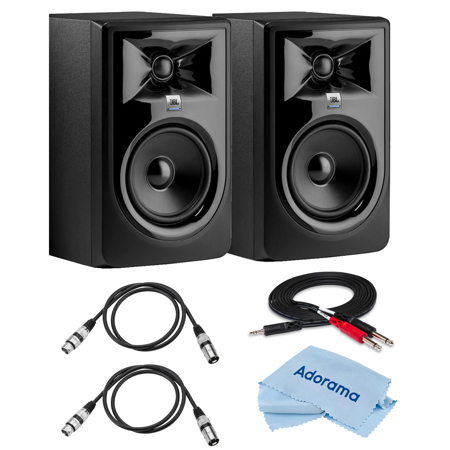
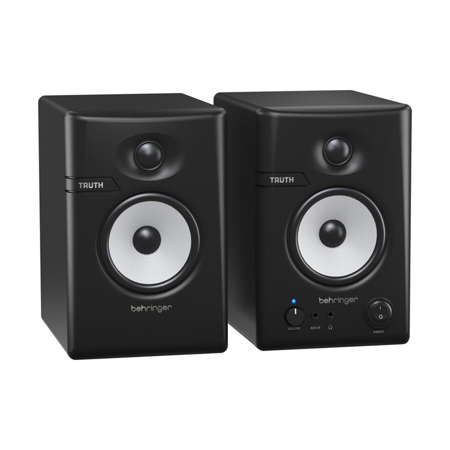
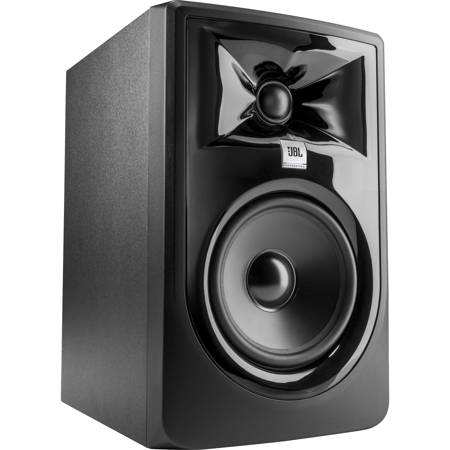
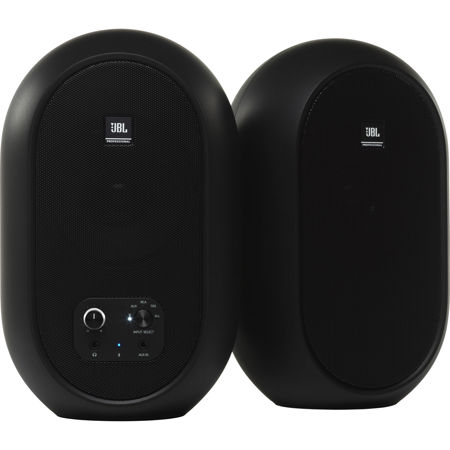
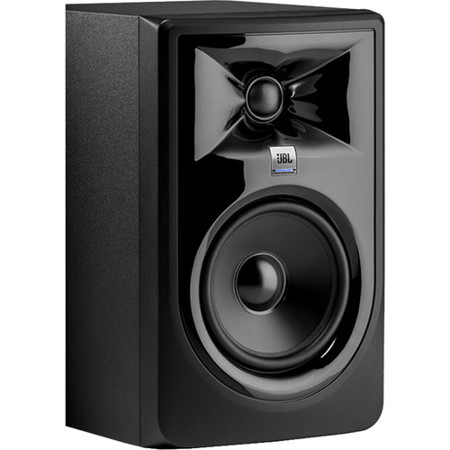
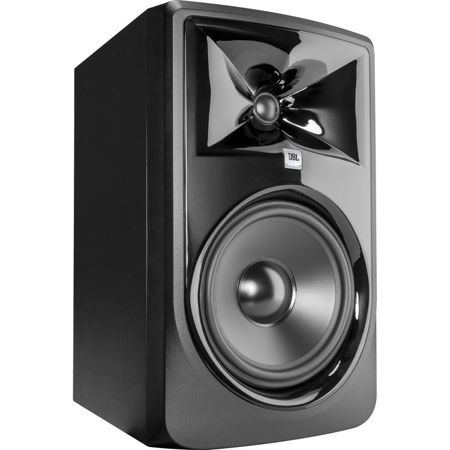
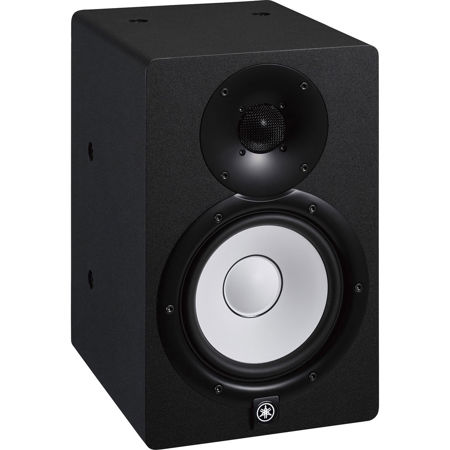
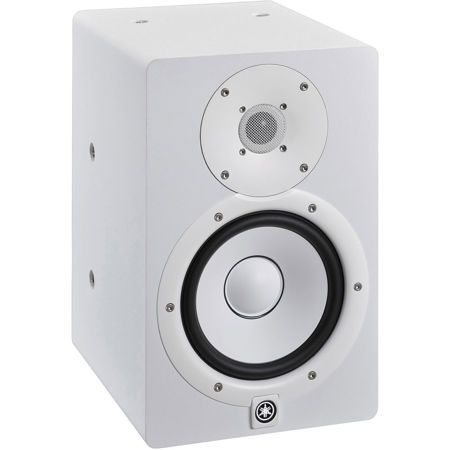
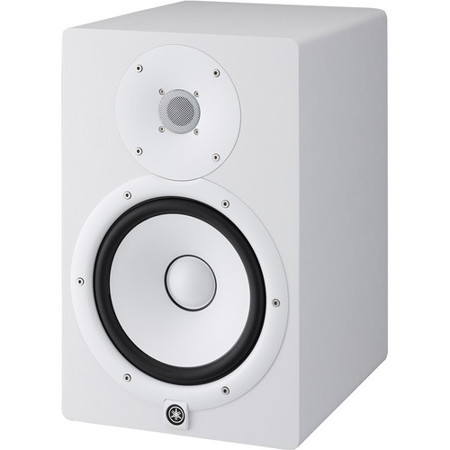
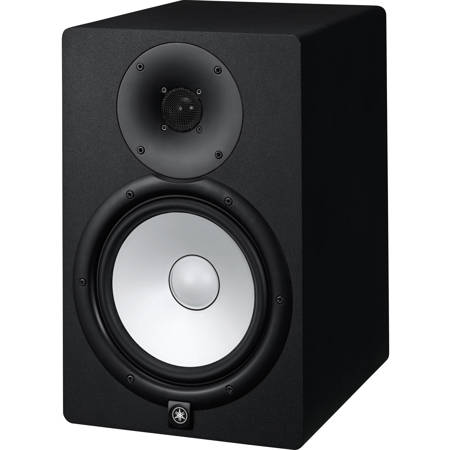
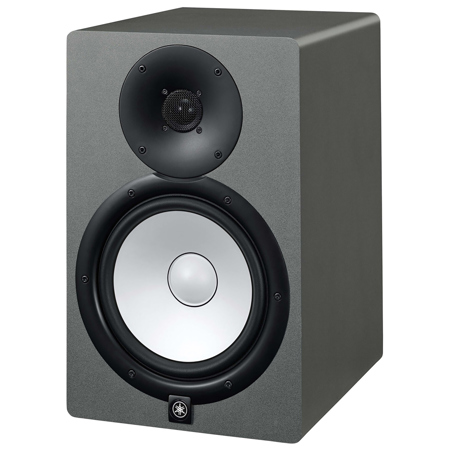
When it comes to crafting videos that resonate with audiences—whether for YouTube, short films, documentaries, or branded content—audio quality is just as crucial as visuals. Studio monitors for video editing are designed to reveal the true character of your sound, offering a flat, uncolored frequency response that ensures every detail, from dialogue clarity to subtle background effects, is accurately represented. Unlike consumer speakers, which often boost bass or treble for a more “exciting” sound, professional studio monitors deliver a neutral listening experience. This neutrality is essential for editors and content creators who need to make precise decisions about audio mixing, balancing levels, and ensuring that the finished product translates well across different playback systems. The best studio monitor for content creators is one that fits seamlessly into the editing environment, whether that’s a compact home studio or a larger professional suite. As the weather warms and creative projects ramp up, many filmmakers and editors find themselves spending long hours at their desks, making it all the more important to invest in monitors that reduce ear fatigue and provide an accurate soundstage.
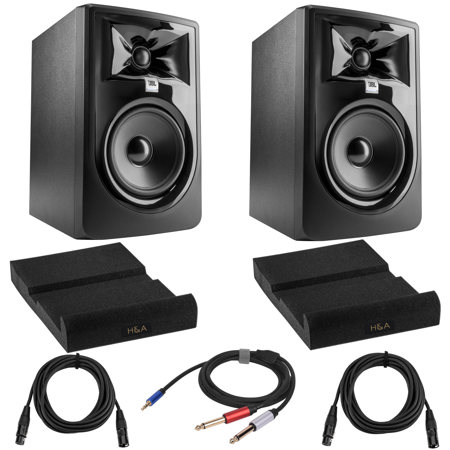
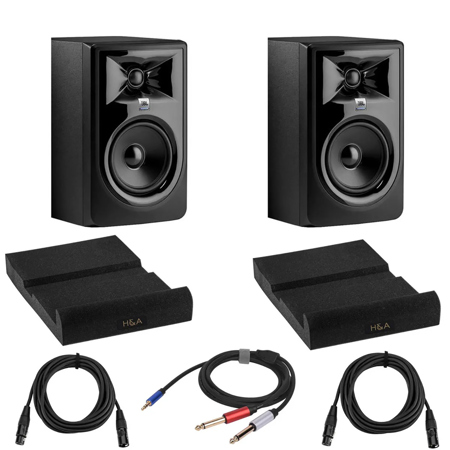
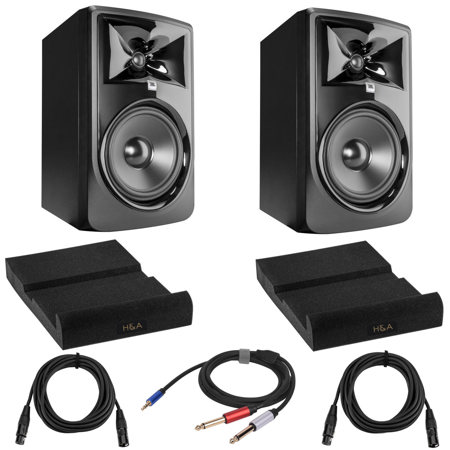
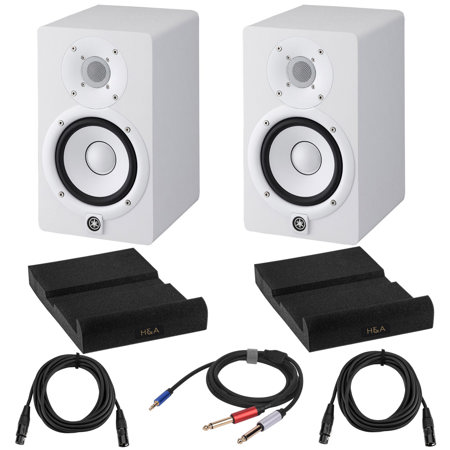
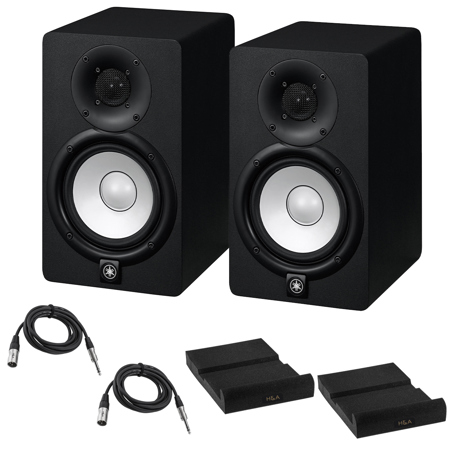
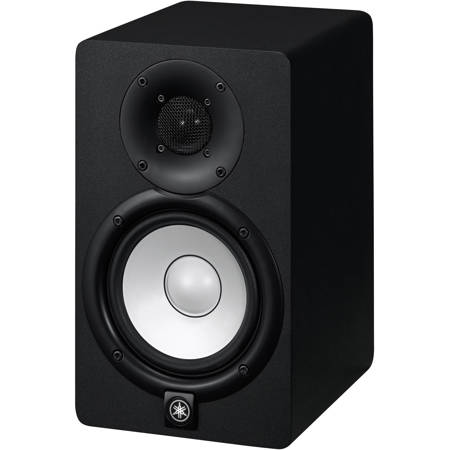
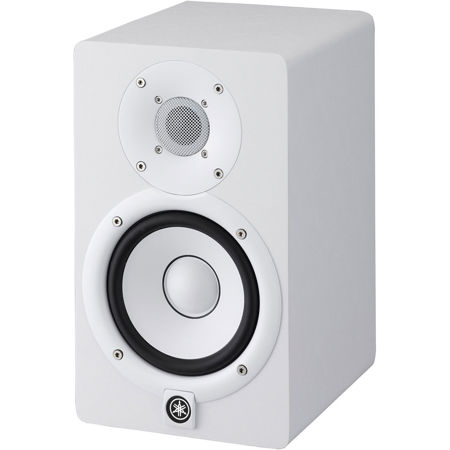
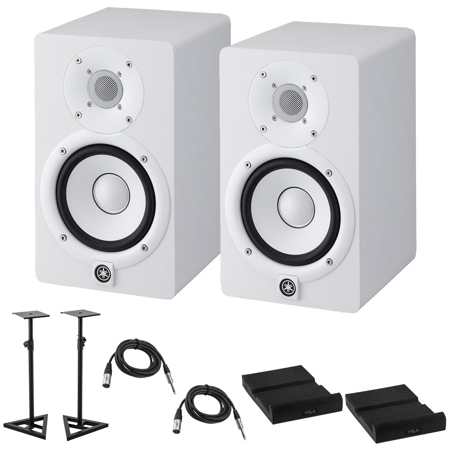
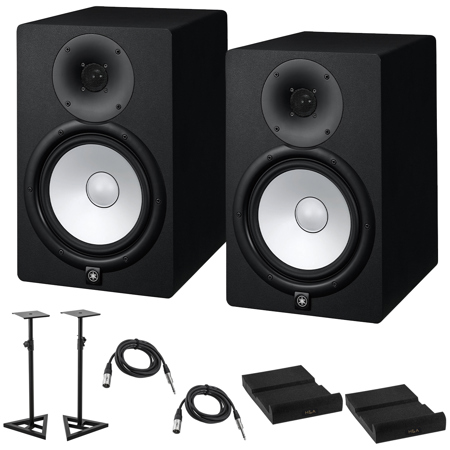
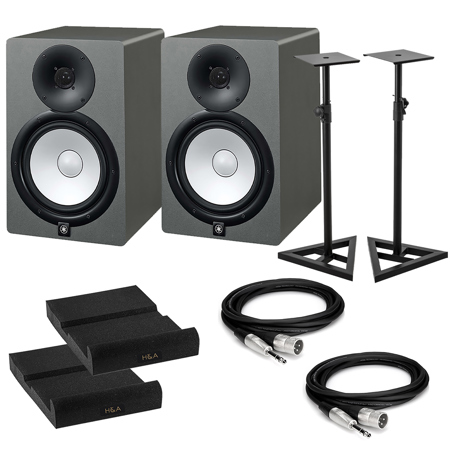
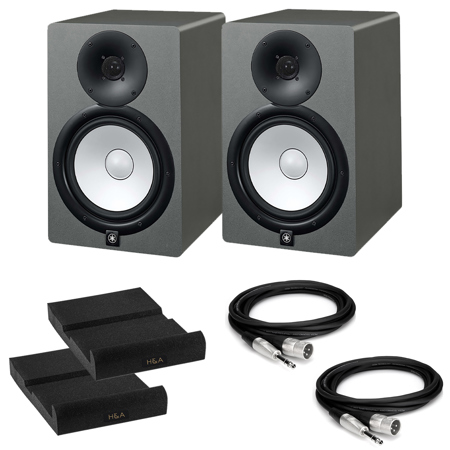
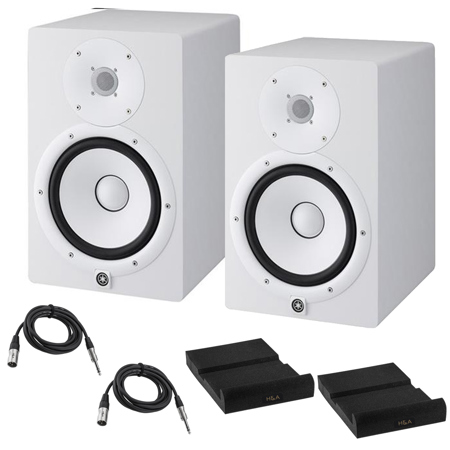
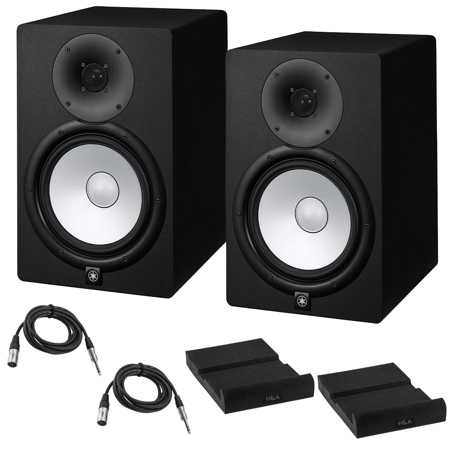
Selecting the best studio monitors for video editing involves several key considerations. Active, near-field monitors—typically with woofer sizes ranging from 5 to 8 inches—are ideal for most editing spaces, as they provide detailed sound without overwhelming smaller rooms. The size of your workspace, the type of content you produce, and the acoustics of your room all play a role in determining the right monitor. For instance, editors working in untreated rooms may benefit from monitors with onboard DSP room tuning and EQ adjustments, which help compensate for less-than-ideal acoustic conditions. Connectivity is another important factor; balanced XLR or 1/4" TRS inputs are preferred for professional setups to minimize noise and interference. Many editors also use isolation pads or stands to decouple their monitors from the desk, preventing low-frequency vibrations from coloring the sound. These details might seem small, but they make a tangible difference during long editing sessions, especially when balancing dialogue, music, and effects on tight deadlines. The best speakers for video editing are not just about power—they’re about precision, reliability, and the ability to hear every nuance in your project.
Studio monitors make thoughtful gifts for aspiring filmmakers, audio engineers, and content creators—especially as graduation season approaches or for anyone looking to level up their home office or creative workspace during the cooler months. Whether you’re building a starter editing suite or upgrading to the best computer speakers for video editing, the right monitors can inspire confidence and creativity. They’re the silent partner in every post-production workflow, helping editors catch imperfections that might otherwise go unnoticed. For those looking to explore a broader range of options or seeking more specialized audio solutions, our Studio Monitors for Multimedia Production page offers a curated selection tailored to multimedia professionals. Investing in the best studio monitors for video editing is more than a technical decision—it’s about ensuring that every project sounds as polished and professional as it looks, no matter the season or the scale of your ambitions.
Selecting the best studio monitors for video editing involves several key considerations. Active, near-field monitors—typically with woofer sizes ranging from 5 to 8 inches—are ideal for most editing spaces, as they provide detailed sound without overwhelming smaller rooms. The size of your workspace, the type of content you produce, and the acoustics of your room all play a role in determining the right monitor. For instance, editors working in untreated rooms may benefit from monitors with onboard DSP room tuning and EQ adjustments, which help compensate for less-than-ideal acoustic conditions. Connectivity is another important factor; balanced XLR or 1/4" TRS inputs are preferred for professional setups to minimize noise and interference. Many editors also use isolation pads or stands to decouple their monitors from the desk, preventing low-frequency vibrations from coloring the sound. These details might seem small, but they make a tangible difference during long editing sessions, especially when balancing dialogue, music, and effects on tight deadlines. The best speakers for video editing are not just about power—they’re about precision, reliability, and the ability to hear every nuance in your project.
Studio monitors make thoughtful gifts for aspiring filmmakers, audio engineers, and content creators—especially as graduation season approaches or for anyone looking to level up their home office or creative workspace during the cooler months. Whether you’re building a starter editing suite or upgrading to the best computer speakers for video editing, the right monitors can inspire confidence and creativity. They’re the silent partner in every post-production workflow, helping editors catch imperfections that might otherwise go unnoticed. For those looking to explore a broader range of options or seeking more specialized audio solutions, our Studio Monitors for Multimedia Production page offers a curated selection tailored to multimedia professionals. Investing in the best studio monitors for video editing is more than a technical decision—it’s about ensuring that every project sounds as polished and professional as it looks, no matter the season or the scale of your ambitions.