

Talkback Microphones
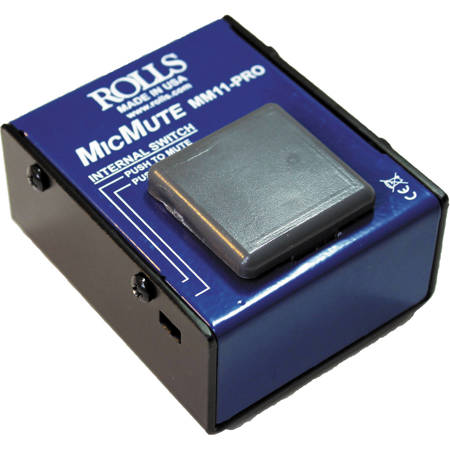
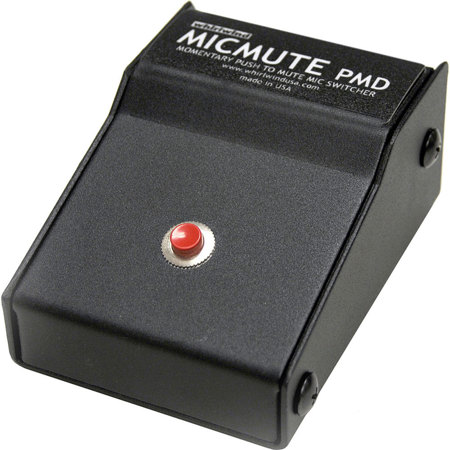
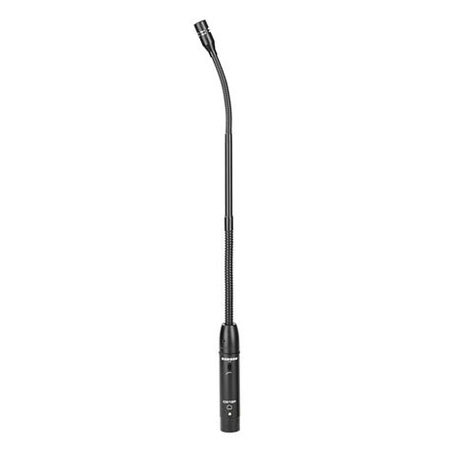
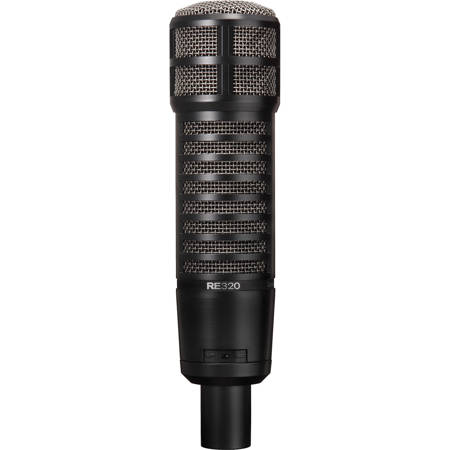
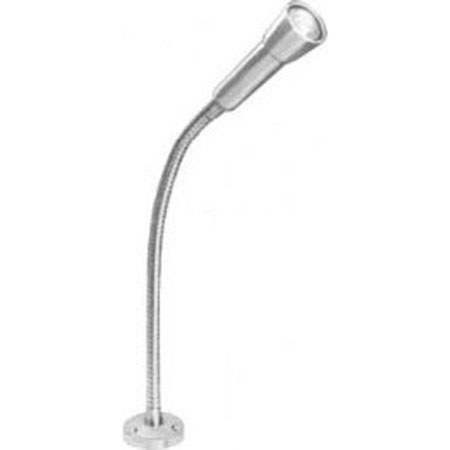
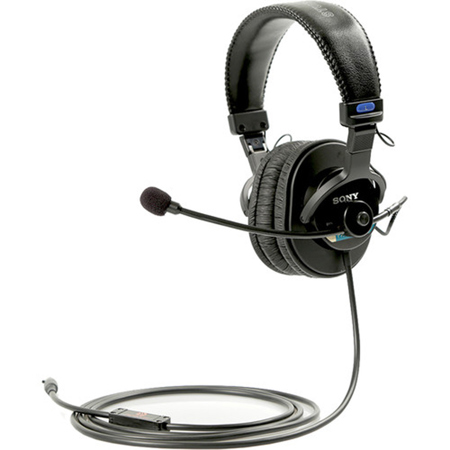
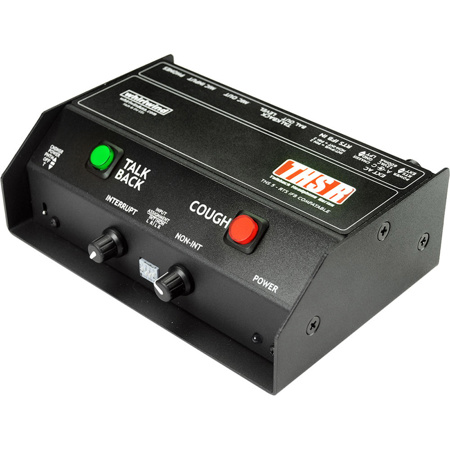
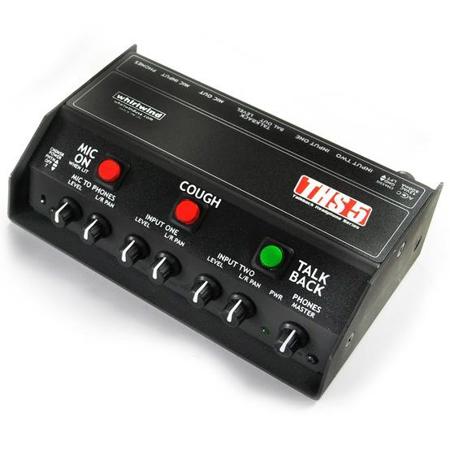
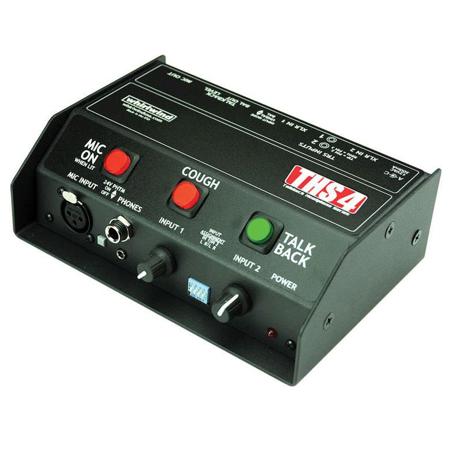
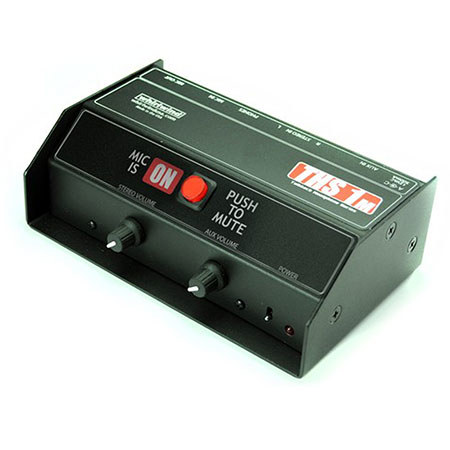
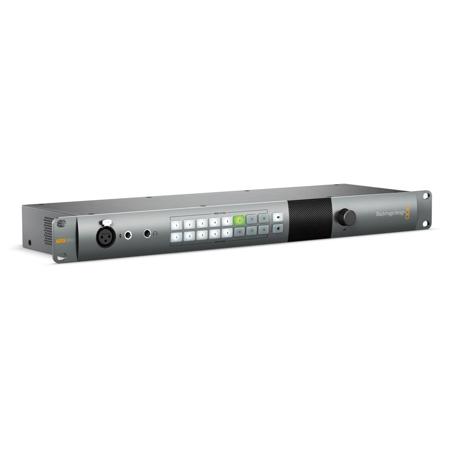
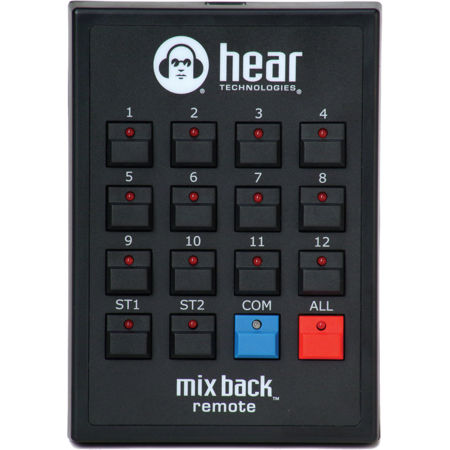
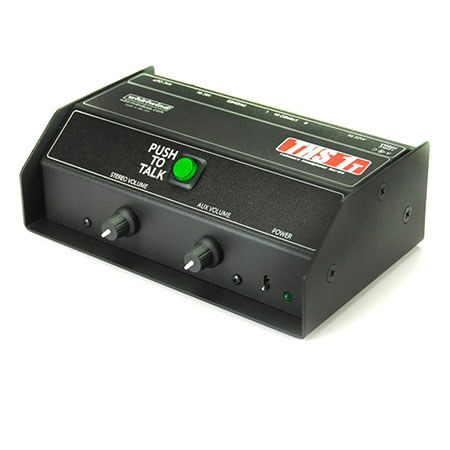
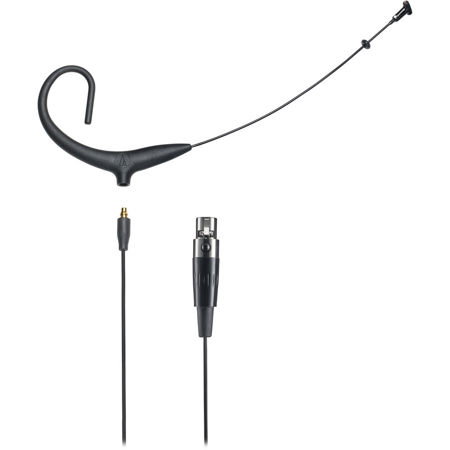
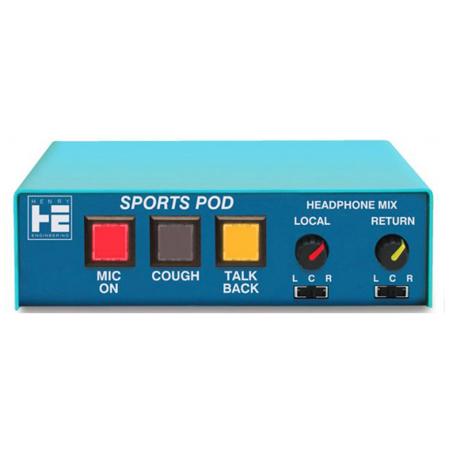
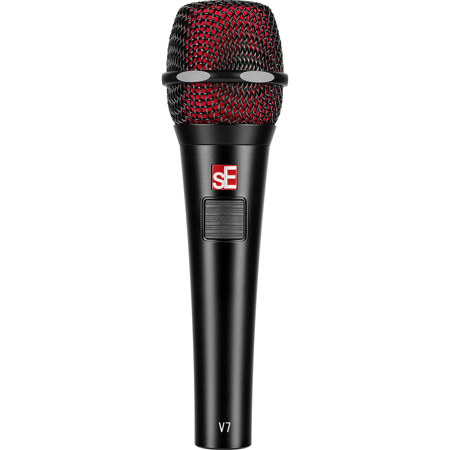
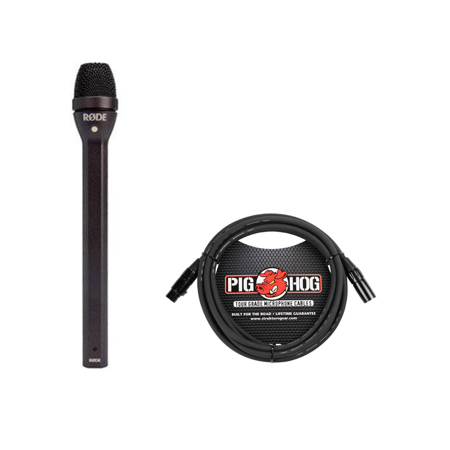
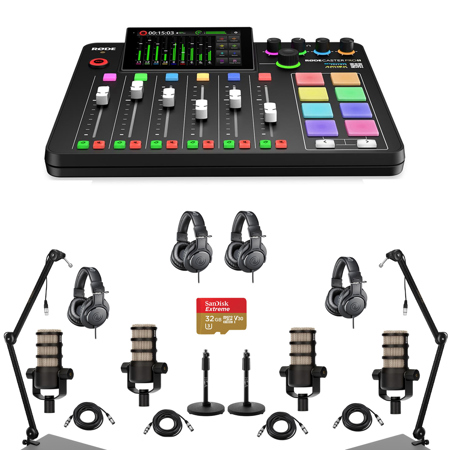
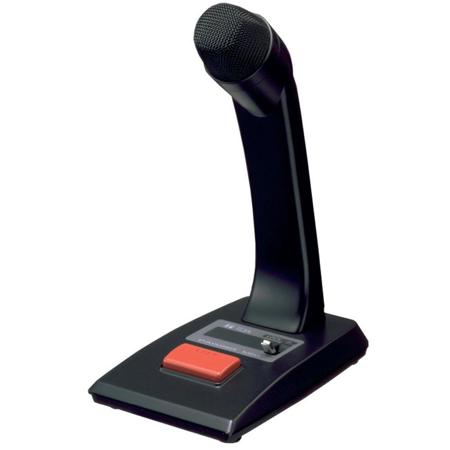
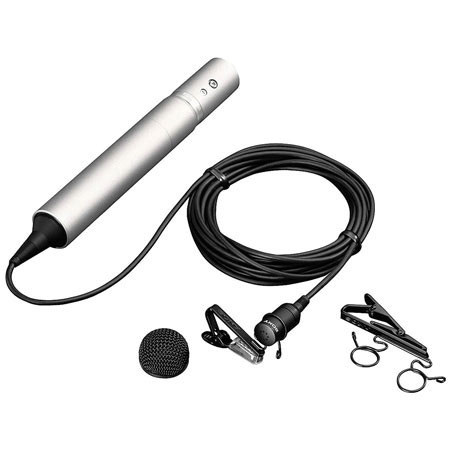
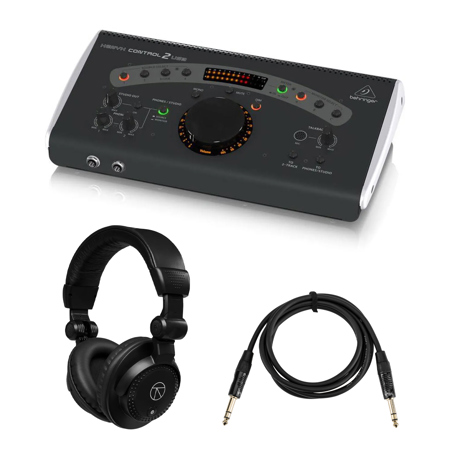
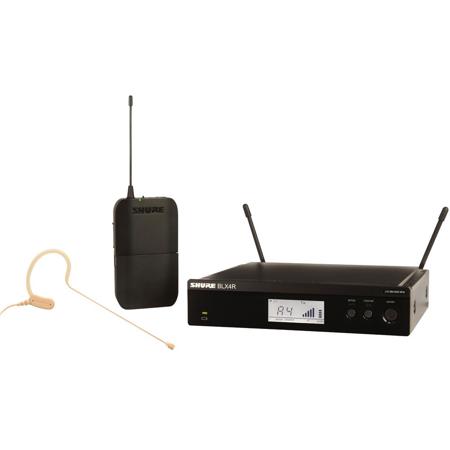
In the dynamic environments of recording studios, live concerts, broadcast control rooms, and theater productions, talkback microphones play a vital role in seamless communication. These specialized mics—sometimes referred to as talkback mics, talk back mics, or even microfono con talkback—are designed to connect directors, engineers, and crew members with performers and technical staff, all without interrupting the main audio feed heard by the audience. Unlike standard microphones, talkback microphones are routed exclusively to in-ear monitors, headphones, or auxiliary mixes, ensuring that instructions, cues, or feedback can be delivered discreetly and efficiently. This makes them indispensable for complex productions where timing, coordination, and clarity are paramount. Whether mounted on a mixing console with a flexible gooseneck for quick access, integrated into a studio’s monitoring section, or used with push-to-talk switches to prevent unwanted noise, these tools are engineered for reliability. Features like noiseless switches, automated muting via foot pedals, and proximity sensors help eliminate accidental “hot mic” moments and keep communication channels clear during high-pressure performances or recording sessions.
Selecting the right talkback microphone depends on the specific needs of your workflow. For studio engineers, a durable talkback mic with hands-free operation and easy routing into the monitor section can streamline recording sessions and improve efficiency. Live sound professionals often opt for robust, road-ready models that can withstand the rigors of touring and fast-paced setups, while theater techs may prioritize low-profile designs that can be tucked discreetly into control booths. For those managing large-scale productions or broadcast events during the warmer summer months through the cooler fall, the ability to maintain clear, private communication regardless of venue or weather conditions is essential. Talkback microphones also make thoughtful gifts for audio engineers, music producers, or anyone building a home studio—especially for those looking to upgrade their communication setup as projects ramp up after a summer festival or ahead of a busy fall performance season. If you’re exploring related solutions for presenters or on-stage talent, you might also find inspiration on our Presenter Microphones page.
No matter the application, investing in a quality talkback microphone ensures that every cue, adjustment, and creative direction is delivered with precision. The ability to communicate privately and instantly can mean the difference between a flawless performance and a missed opportunity, especially in fast-moving environments where every second counts. From home studios to broadcast trucks, and from rehearsal spaces to outdoor stages as the seasons shift, talkback microphones are the unseen backbone of professional audio and video production. Their thoughtful design and specialized features support collaboration and creativity, making them a must-have for anyone serious about production, coordination, or live event management.
Selecting the right talkback microphone depends on the specific needs of your workflow. For studio engineers, a durable talkback mic with hands-free operation and easy routing into the monitor section can streamline recording sessions and improve efficiency. Live sound professionals often opt for robust, road-ready models that can withstand the rigors of touring and fast-paced setups, while theater techs may prioritize low-profile designs that can be tucked discreetly into control booths. For those managing large-scale productions or broadcast events during the warmer summer months through the cooler fall, the ability to maintain clear, private communication regardless of venue or weather conditions is essential. Talkback microphones also make thoughtful gifts for audio engineers, music producers, or anyone building a home studio—especially for those looking to upgrade their communication setup as projects ramp up after a summer festival or ahead of a busy fall performance season. If you’re exploring related solutions for presenters or on-stage talent, you might also find inspiration on our Presenter Microphones page.
No matter the application, investing in a quality talkback microphone ensures that every cue, adjustment, and creative direction is delivered with precision. The ability to communicate privately and instantly can mean the difference between a flawless performance and a missed opportunity, especially in fast-moving environments where every second counts. From home studios to broadcast trucks, and from rehearsal spaces to outdoor stages as the seasons shift, talkback microphones are the unseen backbone of professional audio and video production. Their thoughtful design and specialized features support collaboration and creativity, making them a must-have for anyone serious about production, coordination, or live event management.