


Telecommunications Equipment
Telecommunications equipment is the invisible engine powering the modern world’s communication—quietly connecting people, businesses, and communities across continents and time zones. At its core, this category covers a wide spectrum of hardware and software designed to transmit, receive, and process signals, whether for voice, data, or video. For the average household, telecommunications equipment might be as familiar as a Wi-Fi router humming quietly in the corner, a crystal-clear landline phone, or a reliable modem that keeps everyone streaming, gaming, and working without interruption. In business settings, these products expand to include robust networking switches, advanced VoIP systems, and secure gateways that keep mission-critical data flowing safely between offices, customers, and partners. As the days grow longer and families gather for summer reunions or prepare for the return to school and work in the fall, seamless connectivity becomes even more essential—enabling everything from remote collaboration to video calls with loved ones far away. Telecommunications equipment also makes a thoughtful and practical gift for students heading off to college, remote workers setting up a home office, or tech enthusiasts eager to upgrade their home networks for faster speeds and greater reliability.
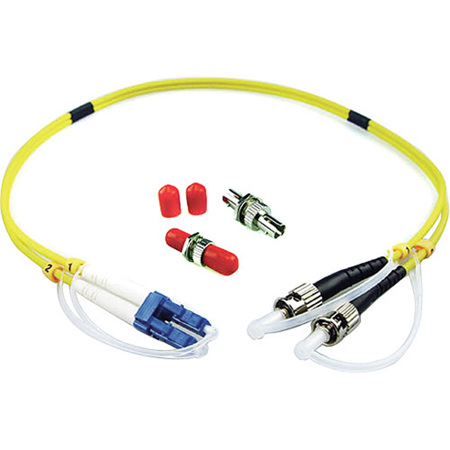
For professionals and organizations, telecommunications equipment forms the backbone of daily operations. Carriers and service providers rely on heavy-duty infrastructure such as fiber-optic cables, base transceiver stations, and sophisticated switching and routing equipment to ensure vast networks remain robust and resilient. Technicians and IT specialists depend on diagnostic tools and testing devices—like cable testers, punch-down tools, and telephone test sets—to maintain, troubleshoot, and optimize these networks without disrupting service. Whether it’s a small business looking to modernize its communications with unified messaging systems, or an enterprise upgrading to carrier-grade routers for greater bandwidth and security, the right telecommunications equipment can make all the difference in productivity and customer satisfaction. For those interested in content creation or live event coverage, there’s a natural overlap with Broadcasting Equipment, where robust transmission and signal processing tools ensure high-quality audio and video reach audiences without delay or degradation.
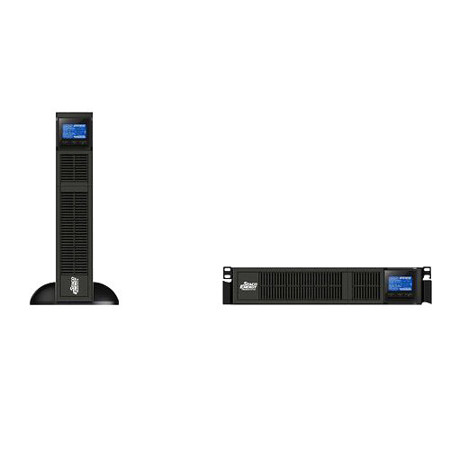
Choosing telecommunications equipment involves careful consideration of compatibility, scalability, and user needs. Home users often look for plug-and-play solutions that offer secure wireless coverage, parental controls, and easy device management, while businesses may prioritize redundancy, advanced security features, and support for multiple users or remote sites. Seasonal changes can bring new demands—summer storms may prompt investments in surge protection or backup systems, while the approach of cooler months and the return to hybrid work or school routines can highlight the need for reliable, high-capacity networking. Whether you’re setting up a smart home, building out a professional workspace, or simply ensuring uninterrupted calls and streaming for the whole family, investing in quality telecommunications equipment is a decision that pays dividends in convenience, efficiency, and peace of mind.
For professionals and organizations, telecommunications equipment forms the backbone of daily operations. Carriers and service providers rely on heavy-duty infrastructure such as fiber-optic cables, base transceiver stations, and sophisticated switching and routing equipment to ensure vast networks remain robust and resilient. Technicians and IT specialists depend on diagnostic tools and testing devices—like cable testers, punch-down tools, and telephone test sets—to maintain, troubleshoot, and optimize these networks without disrupting service. Whether it’s a small business looking to modernize its communications with unified messaging systems, or an enterprise upgrading to carrier-grade routers for greater bandwidth and security, the right telecommunications equipment can make all the difference in productivity and customer satisfaction. For those interested in content creation or live event coverage, there’s a natural overlap with Broadcasting Equipment, where robust transmission and signal processing tools ensure high-quality audio and video reach audiences without delay or degradation.
Choosing telecommunications equipment involves careful consideration of compatibility, scalability, and user needs. Home users often look for plug-and-play solutions that offer secure wireless coverage, parental controls, and easy device management, while businesses may prioritize redundancy, advanced security features, and support for multiple users or remote sites. Seasonal changes can bring new demands—summer storms may prompt investments in surge protection or backup systems, while the approach of cooler months and the return to hybrid work or school routines can highlight the need for reliable, high-capacity networking. Whether you’re setting up a smart home, building out a professional workspace, or simply ensuring uninterrupted calls and streaming for the whole family, investing in quality telecommunications equipment is a decision that pays dividends in convenience, efficiency, and peace of mind.