Telescope For Stargazing
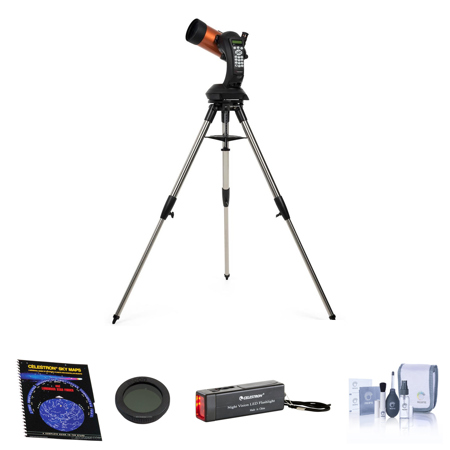
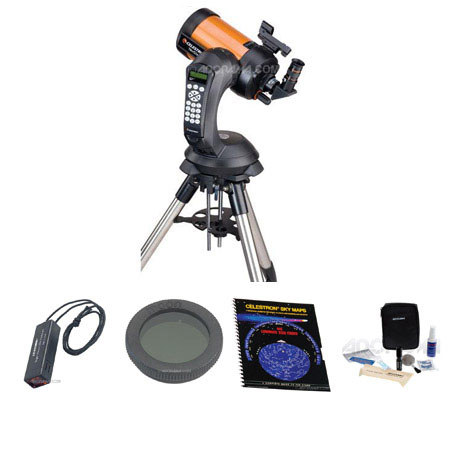
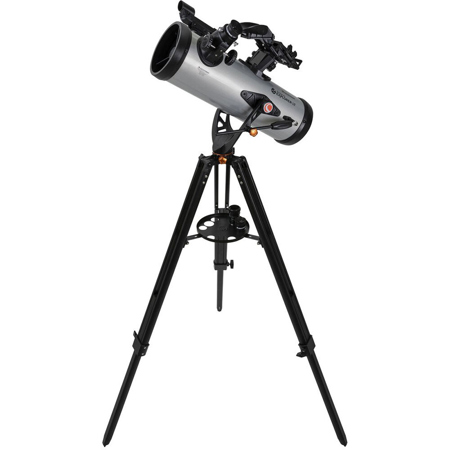
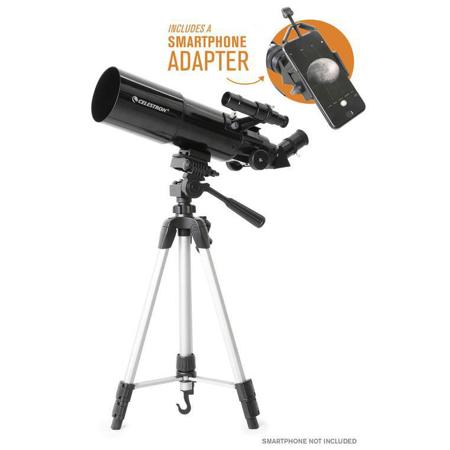
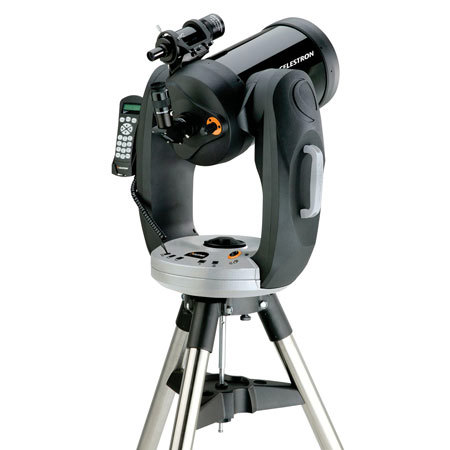
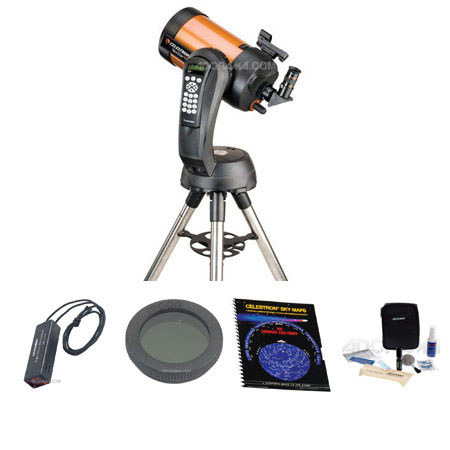
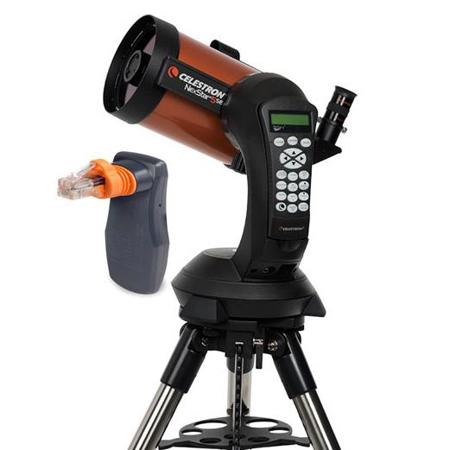
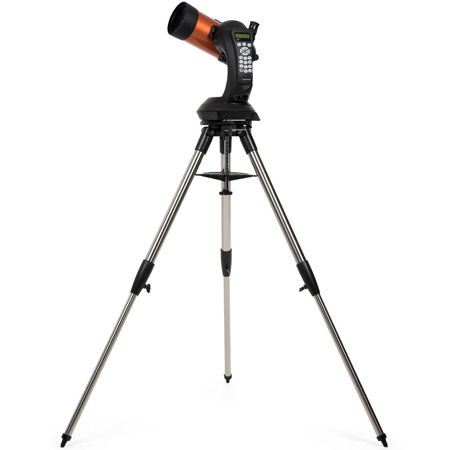
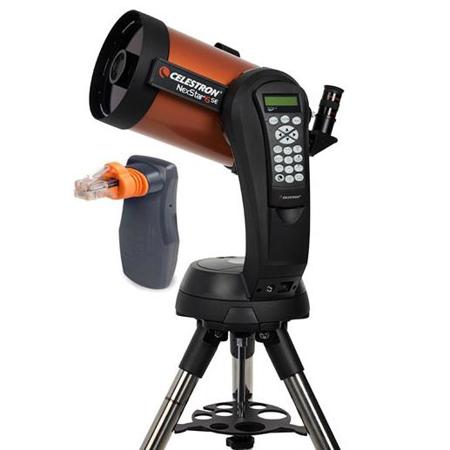
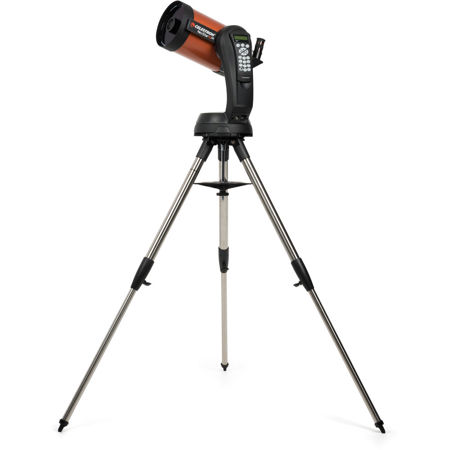
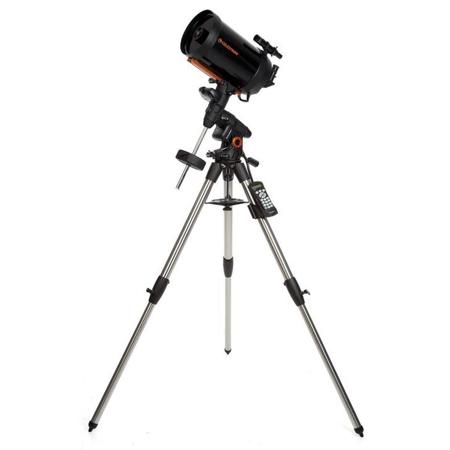
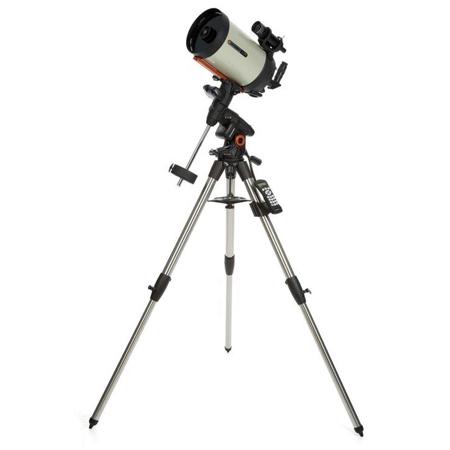
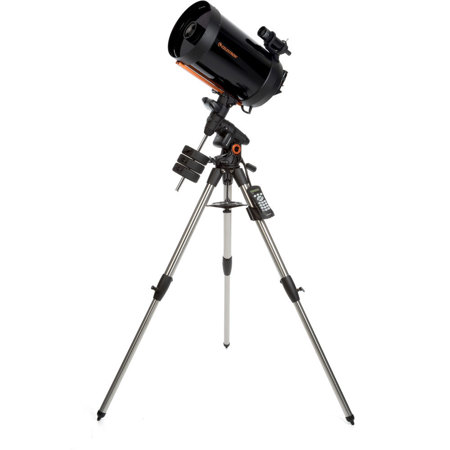
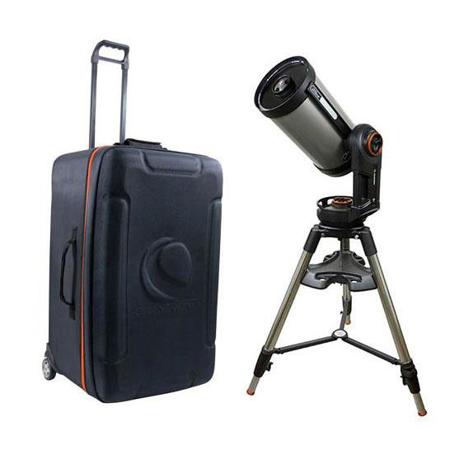
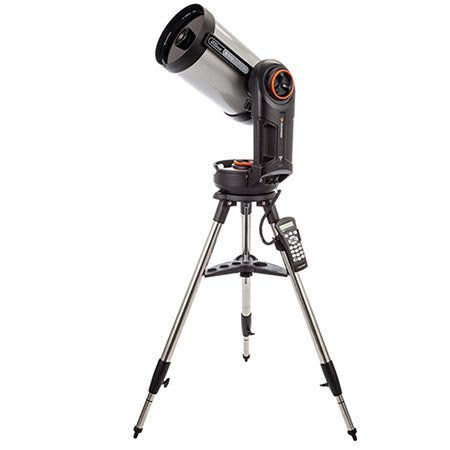
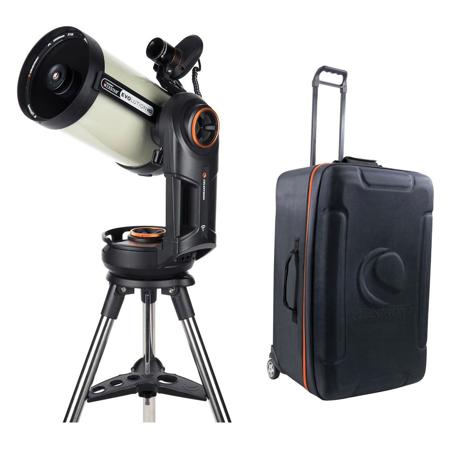
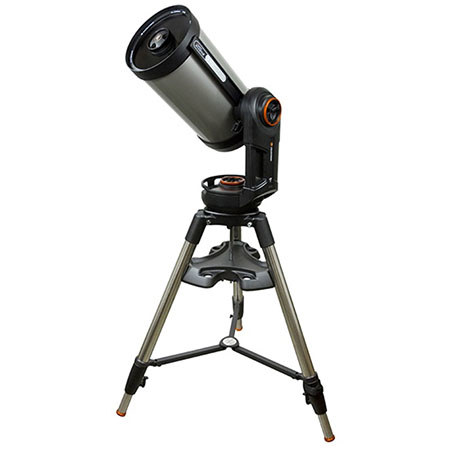
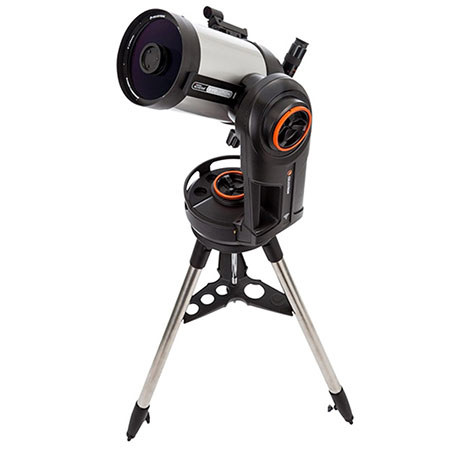
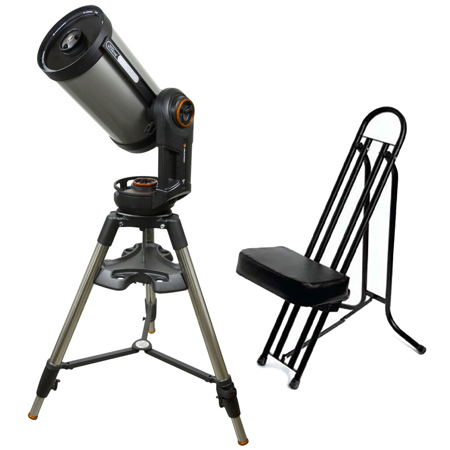
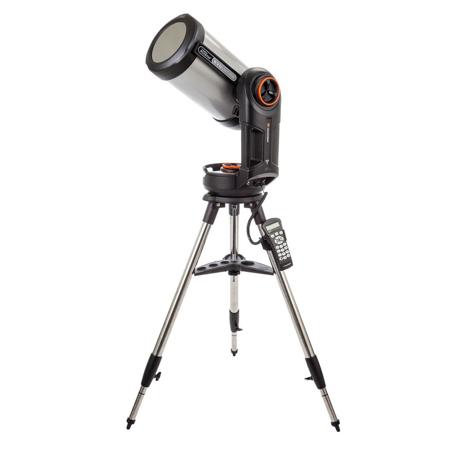
Stargazing is a timeless pursuit that brings together curiosity, wonder, and the beauty of the cosmos. Whether you are an experienced astronomer searching for faint galaxies or a newcomer eager to glimpse the craters of the moon, the right telescope can transform your experience under the night sky. As winter deepens and crisp February evenings offer some of the clearest views, many enthusiasts find this season ideal for stargazing. The cold, dry air often means less atmospheric distortion, making it easier to spot distant nebulae, planets, and star clusters. Telescopes come in a variety of designs, from simple manual models that encourage hands-on learning and exploration, to advanced computerized systems that can automatically locate and track celestial objects with the touch of a button. For those who love the tactile joy of manually steering their view across the sky, classic Dobsonian or alt-azimuth mounts offer simplicity and stability. Conversely, for those who value convenience and precision, GoTo and smart telescopes provide intuitive controls and app integration, making it possible to find elusive deep-sky objects even from light-polluted urban settings.
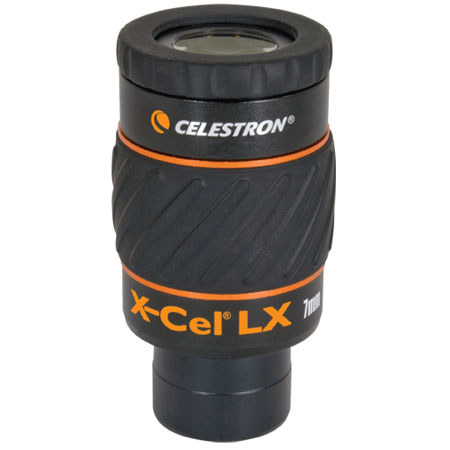
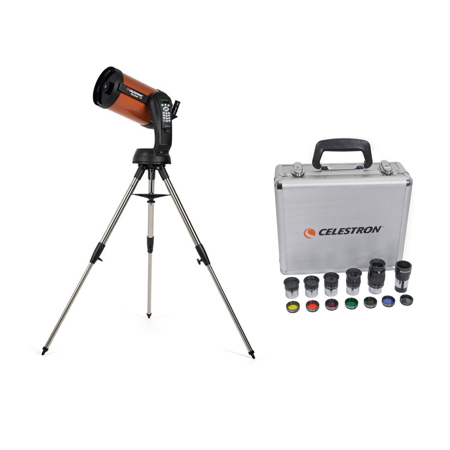
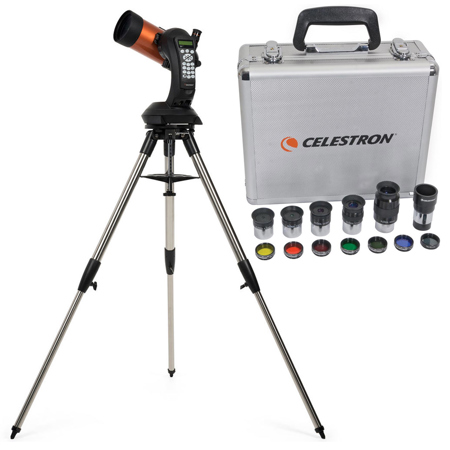
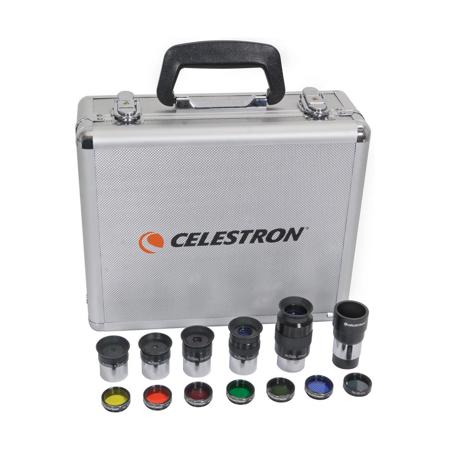
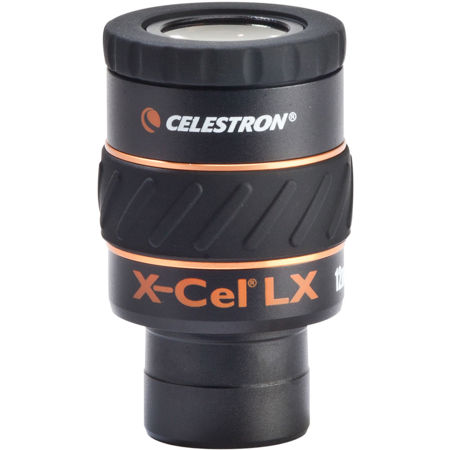
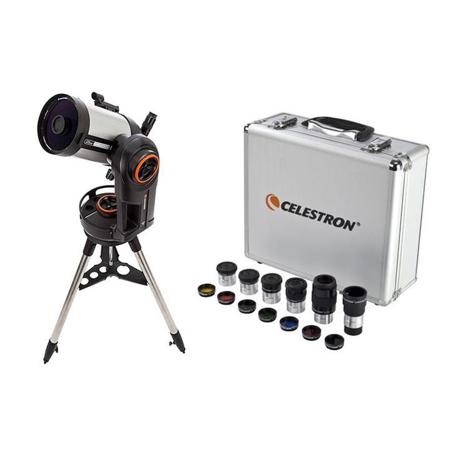
Choosing a telescope for stargazing involves balancing several factors: aperture size, portability, mount type, and user experience. Larger apertures gather more light, revealing intricate details of far-off galaxies and nebulae, but they can also mean heavier, bulkier equipment. Compact telescopes are ideal for those who want to travel to darker skies or simply enjoy stargazing from a backyard or balcony. Beginners often appreciate models that blend ease of use with quality optics, allowing them to quickly learn the basics of celestial navigation. Many families find stargazing to be a bonding activity, with children marveling at Saturn’s rings or the phases of Venus for the first time. Telescopes also make memorable gifts, sparking a lifelong passion for science and exploration in both kids and adults. For seasoned observers, a larger, more advanced instrument can open up new vistas—revealing subtle features on Jupiter’s surface or the faint glow of distant star clusters. No matter your experience level, stargazing is an invitation to slow down, breathe in the night air, and reconnect with the universe. If you’re assembling your ideal setup or looking for complementary accessories like filters, eyepieces, or sturdy tripods, explore our curated selection of Equipment For Star Gazing to enhance every observation.
The journey through the night sky is unique to each observer. Some prefer the meditative process of learning constellations by heart, star-hopping from one celestial landmark to another with a manual telescope. Others delight in the immediacy of smart telescopes, capturing vivid images of deep-sky wonders to share with friends and family. As you consider your next telescope, think about where and how you’ll use it—whether it’s setting up for a quick session on a chilly February night or planning a weekend trip to a remote, dark-sky site. The right telescope is more than just an optical instrument; it becomes a trusted companion on countless nights, revealing new sights as your knowledge and curiosity grow. With thoughtful selection and the right accessories, stargazing can be as simple or as immersive as you wish, offering endless opportunities to discover the universe from your own backyard.
Choosing a telescope for stargazing involves balancing several factors: aperture size, portability, mount type, and user experience. Larger apertures gather more light, revealing intricate details of far-off galaxies and nebulae, but they can also mean heavier, bulkier equipment. Compact telescopes are ideal for those who want to travel to darker skies or simply enjoy stargazing from a backyard or balcony. Beginners often appreciate models that blend ease of use with quality optics, allowing them to quickly learn the basics of celestial navigation. Many families find stargazing to be a bonding activity, with children marveling at Saturn’s rings or the phases of Venus for the first time. Telescopes also make memorable gifts, sparking a lifelong passion for science and exploration in both kids and adults. For seasoned observers, a larger, more advanced instrument can open up new vistas—revealing subtle features on Jupiter’s surface or the faint glow of distant star clusters. No matter your experience level, stargazing is an invitation to slow down, breathe in the night air, and reconnect with the universe. If you’re assembling your ideal setup or looking for complementary accessories like filters, eyepieces, or sturdy tripods, explore our curated selection of Equipment For Star Gazing to enhance every observation.
The journey through the night sky is unique to each observer. Some prefer the meditative process of learning constellations by heart, star-hopping from one celestial landmark to another with a manual telescope. Others delight in the immediacy of smart telescopes, capturing vivid images of deep-sky wonders to share with friends and family. As you consider your next telescope, think about where and how you’ll use it—whether it’s setting up for a quick session on a chilly February night or planning a weekend trip to a remote, dark-sky site. The right telescope is more than just an optical instrument; it becomes a trusted companion on countless nights, revealing new sights as your knowledge and curiosity grow. With thoughtful selection and the right accessories, stargazing can be as simple or as immersive as you wish, offering endless opportunities to discover the universe from your own backyard.