Three Prong Power Cords
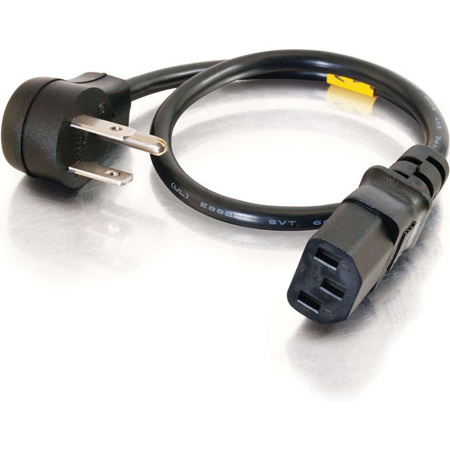
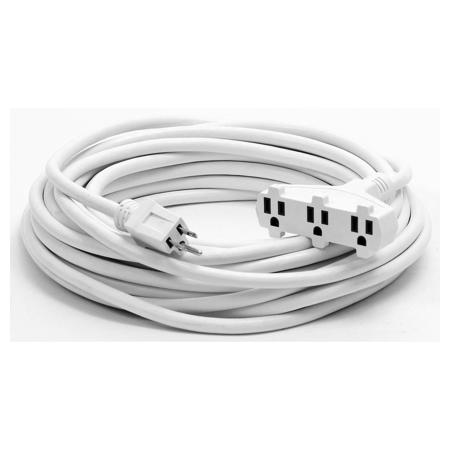
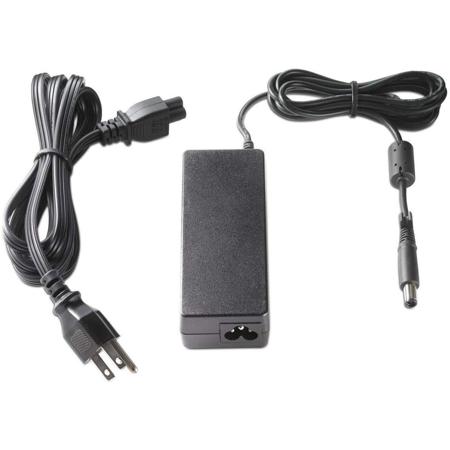
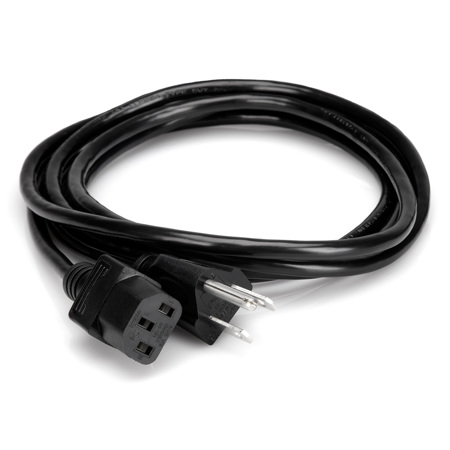
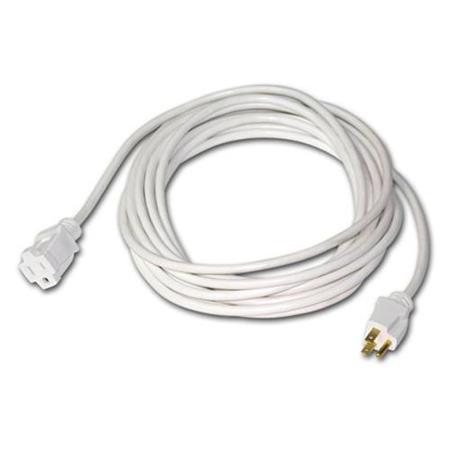
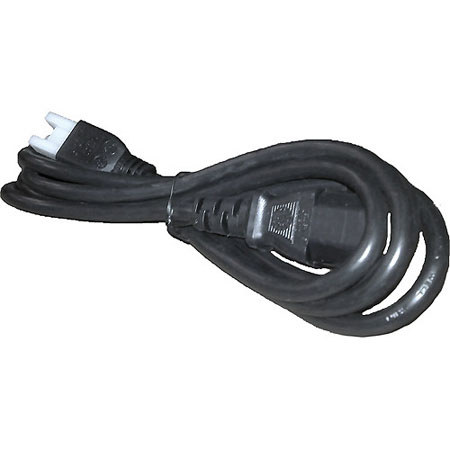
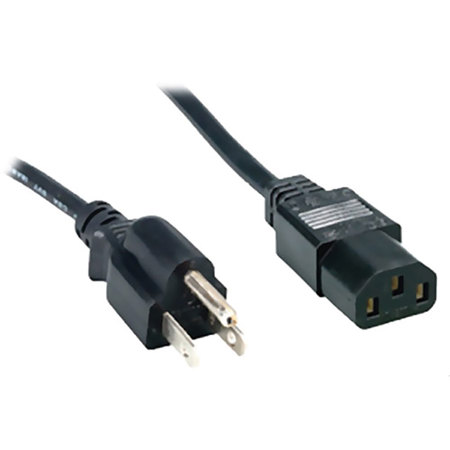
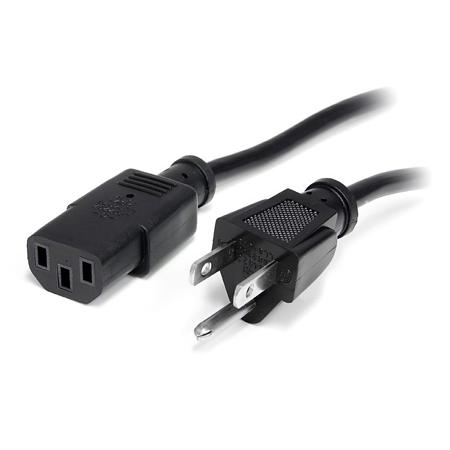
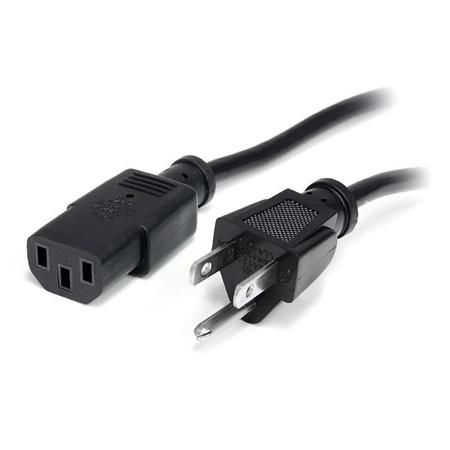
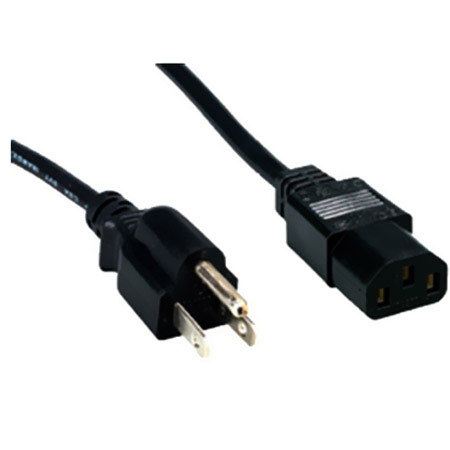
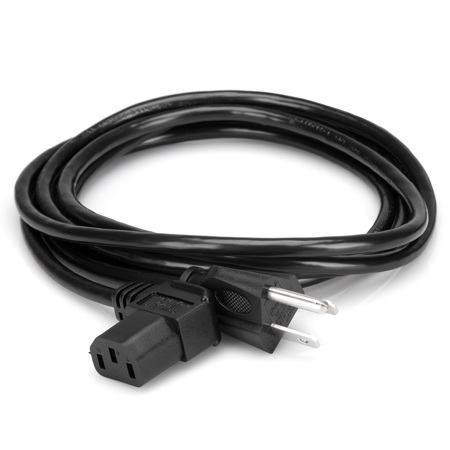
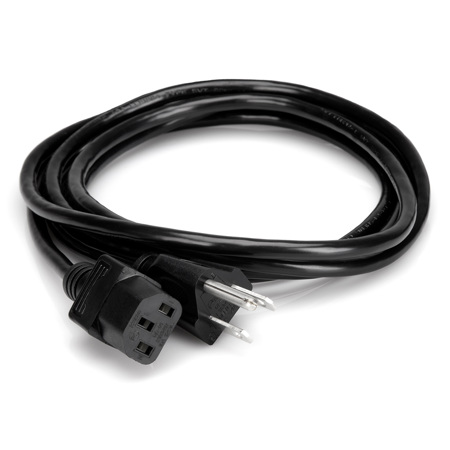
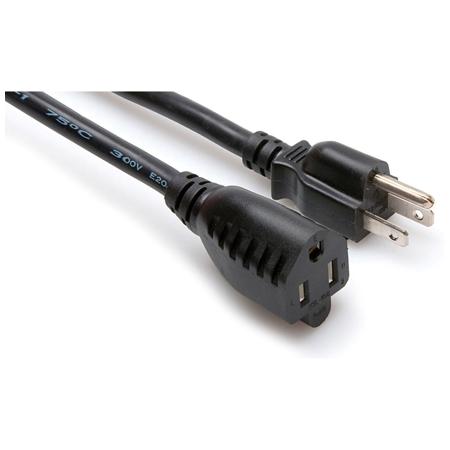
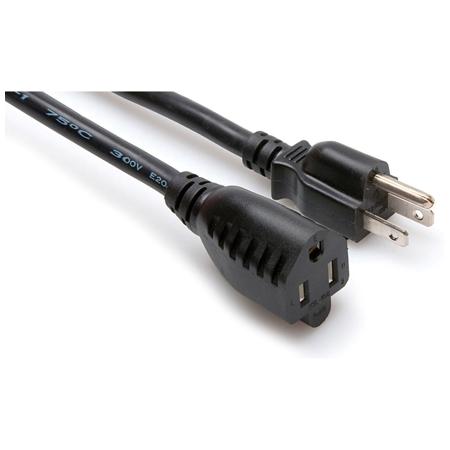
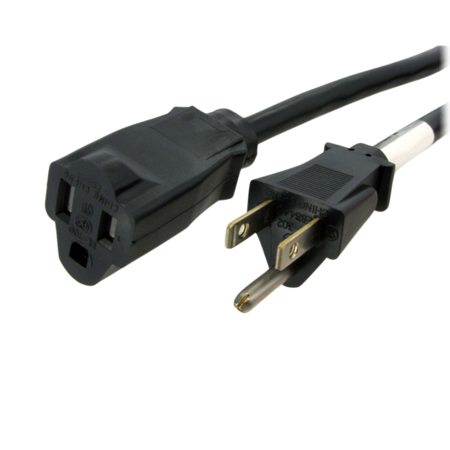
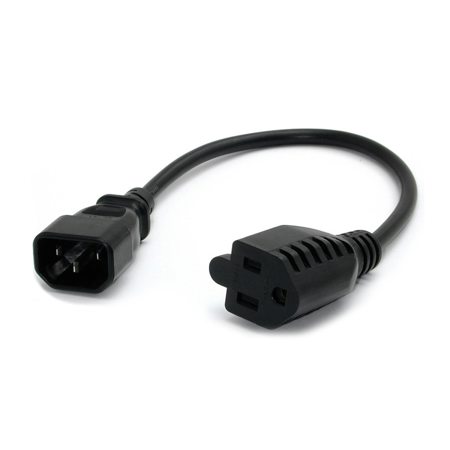
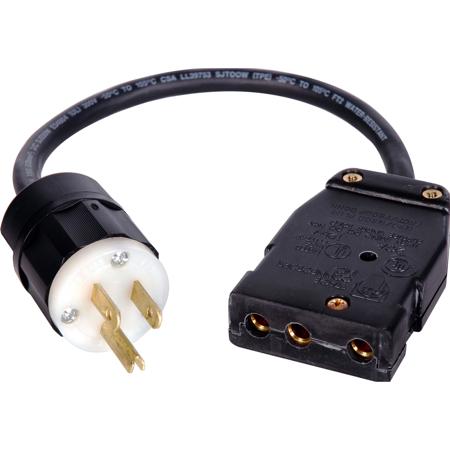
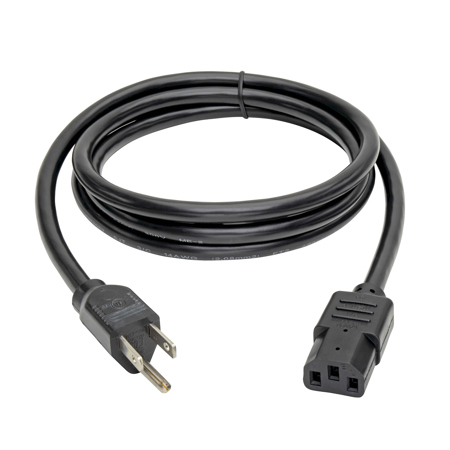
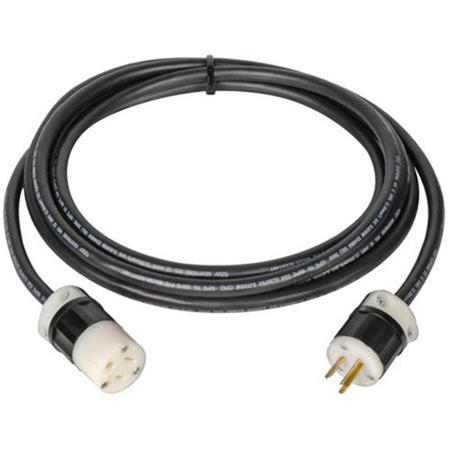
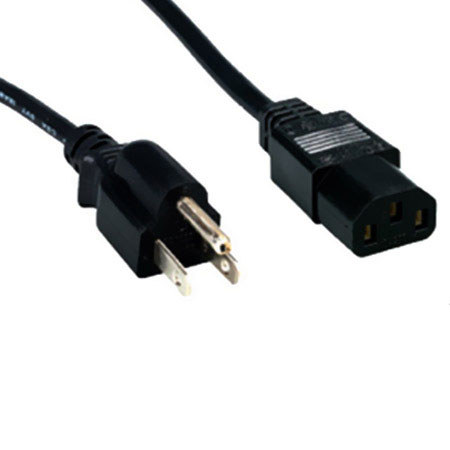
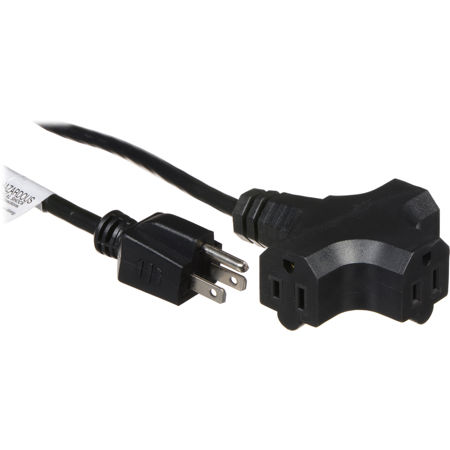
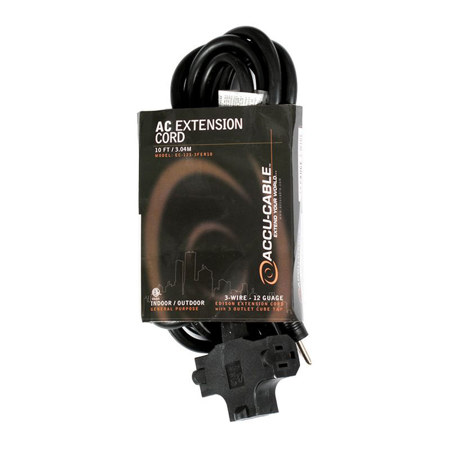
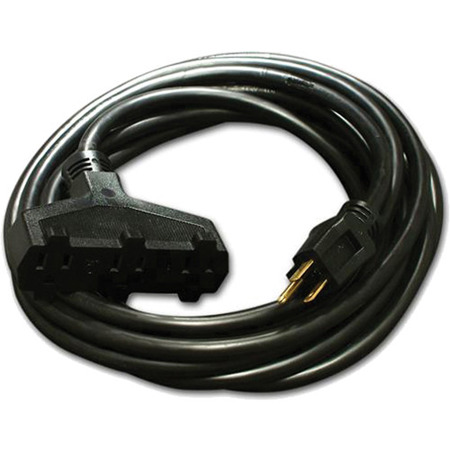
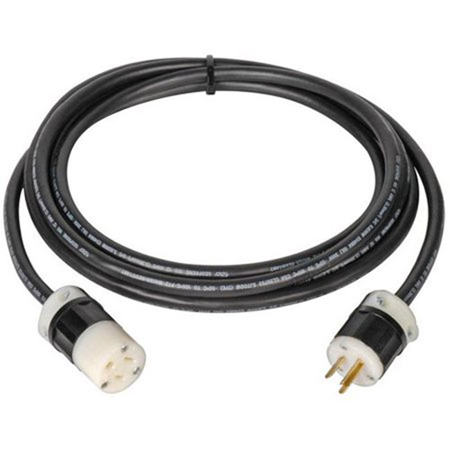
Three prong power cords, sometimes referred to as 3-pin or 3 prog power cables, are essential components for safely connecting a wide range of electronics to grounded wall outlets. Whether you’re setting up a home office, outfitting a professional studio, or simply replacing a worn-out cable, understanding the nuances of these cords ensures both reliability and peace of mind. The classic North American configuration features a NEMA 5-15P plug on one end—designed for standard, grounded wall sockets—and typically an IEC C13 or IEC C5 connector on the other, which fits securely into devices like desktop computers, monitors, printers, audio gear, and various home appliances. During the transition from the warmth of summer into the cooler fall months, more people find themselves indoors, relying on their electronics for work, creativity, or entertainment. This seasonal shift often brings an uptick in home projects, system upgrades, or even back-to-school preparations, making it an ideal time to assess the condition of your power cords and ensure you have the right lengths and gauges for your setup.
When considering a new three prong power cord, a few technical details make all the difference. Standard cables are usually constructed with 18 AWG copper wire, suitable for handling up to 10 Amps at 125 Volts—perfect for most everyday electronics. However, heavier-duty applications, such as high-powered servers or professional-grade amplifiers, may require a thicker 14 AWG cable to safely carry increased loads. Safety is paramount, so always look for cords that carry certifications from reputable organizations like UL (Underwriters Laboratories), which indicate that the product meets rigorous electrical and fire safety standards. For those who value versatility, most standard 3-pin electronics share compatible tolerances, meaning a single quality cord can often serve multiple devices around your home or studio. This interchangeability is especially helpful for tech enthusiasts, musicians, or photographers who regularly rotate gear between locations or swap out equipment for different projects. A new three prong power cord can also make a thoughtful, practical gift for students heading off to college, friends setting up a new workspace, or anyone upgrading their home entertainment system—offering both utility and peace of mind.
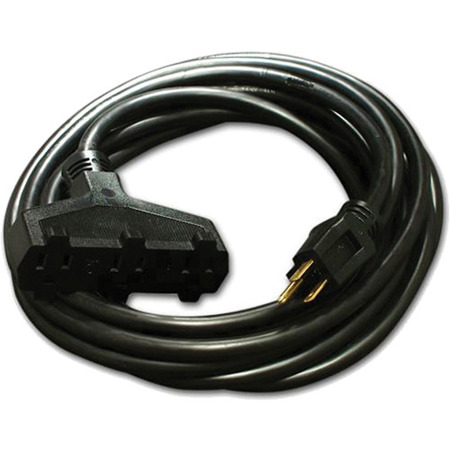
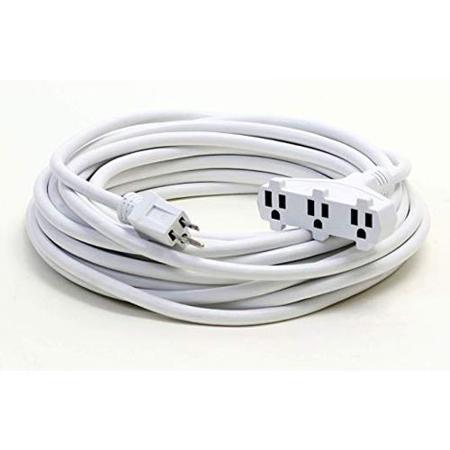
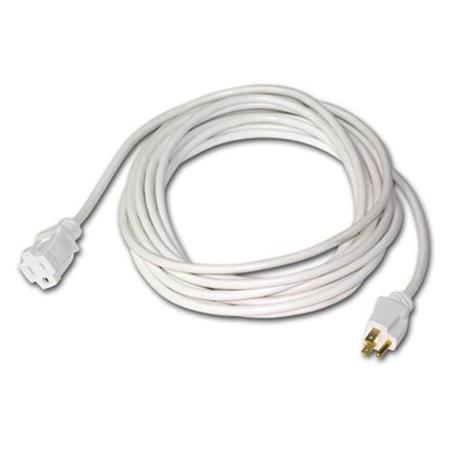
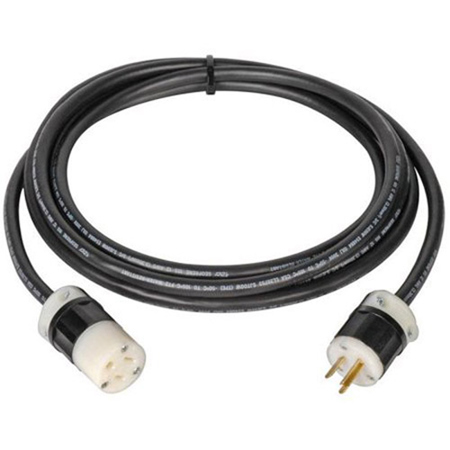
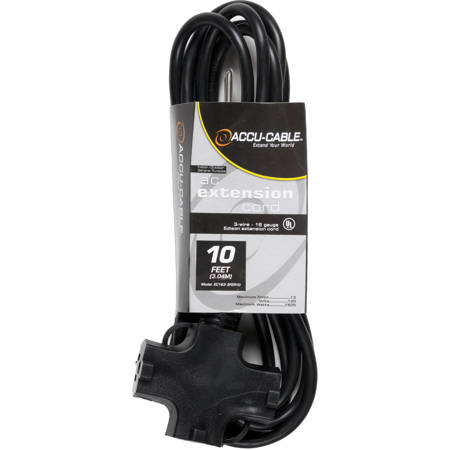
As you browse through recommended options, consider factors such as cord length, flexibility, and the environment in which you’ll be using the cable. Shorter cords keep desktop setups tidy, while longer cables are invaluable for reaching distant outlets in larger rooms or studio spaces. If you’re outfitting a professional environment—like a recording studio, editing suite, or office—choosing cords with robust insulation and reinforced strain relief can help withstand frequent plugging and unplugging. For those seeking specific solutions for computer equipment, you can find a curated selection of Power Cords For Desktop Computers tailored to meet the unique requirements of modern desktops, towers, and peripherals. Whether you’re preparing for a productive season indoors or ensuring your gear stays powered during creative pursuits, investing in high-quality three prong power cords is a simple yet crucial step in maintaining the safety, efficiency, and longevity of your electronic devices.
When considering a new three prong power cord, a few technical details make all the difference. Standard cables are usually constructed with 18 AWG copper wire, suitable for handling up to 10 Amps at 125 Volts—perfect for most everyday electronics. However, heavier-duty applications, such as high-powered servers or professional-grade amplifiers, may require a thicker 14 AWG cable to safely carry increased loads. Safety is paramount, so always look for cords that carry certifications from reputable organizations like UL (Underwriters Laboratories), which indicate that the product meets rigorous electrical and fire safety standards. For those who value versatility, most standard 3-pin electronics share compatible tolerances, meaning a single quality cord can often serve multiple devices around your home or studio. This interchangeability is especially helpful for tech enthusiasts, musicians, or photographers who regularly rotate gear between locations or swap out equipment for different projects. A new three prong power cord can also make a thoughtful, practical gift for students heading off to college, friends setting up a new workspace, or anyone upgrading their home entertainment system—offering both utility and peace of mind.
As you browse through recommended options, consider factors such as cord length, flexibility, and the environment in which you’ll be using the cable. Shorter cords keep desktop setups tidy, while longer cables are invaluable for reaching distant outlets in larger rooms or studio spaces. If you’re outfitting a professional environment—like a recording studio, editing suite, or office—choosing cords with robust insulation and reinforced strain relief can help withstand frequent plugging and unplugging. For those seeking specific solutions for computer equipment, you can find a curated selection of Power Cords For Desktop Computers tailored to meet the unique requirements of modern desktops, towers, and peripherals. Whether you’re preparing for a productive season indoors or ensuring your gear stays powered during creative pursuits, investing in high-quality three prong power cords is a simple yet crucial step in maintaining the safety, efficiency, and longevity of your electronic devices.