Track Recorders
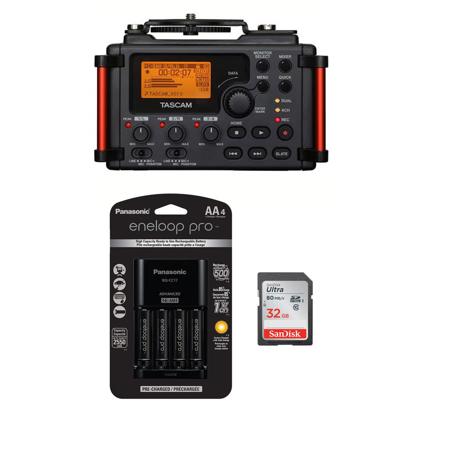
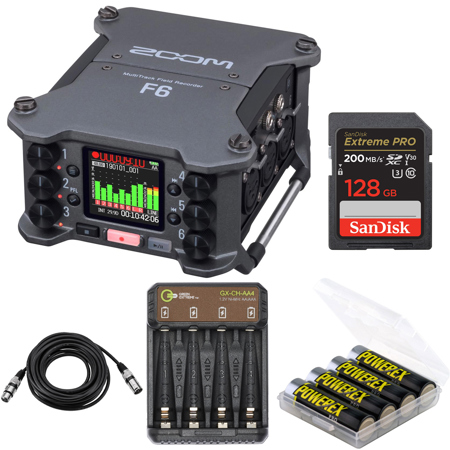
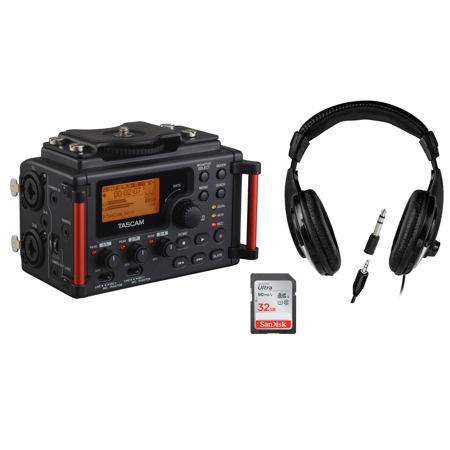
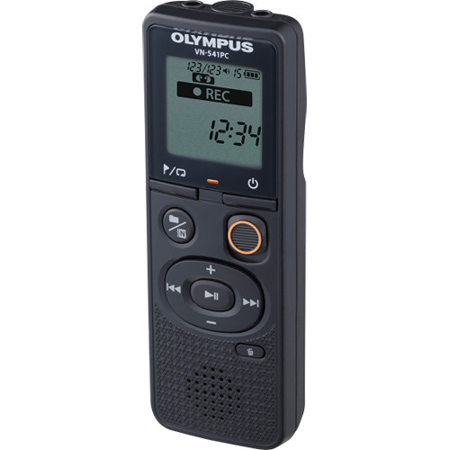
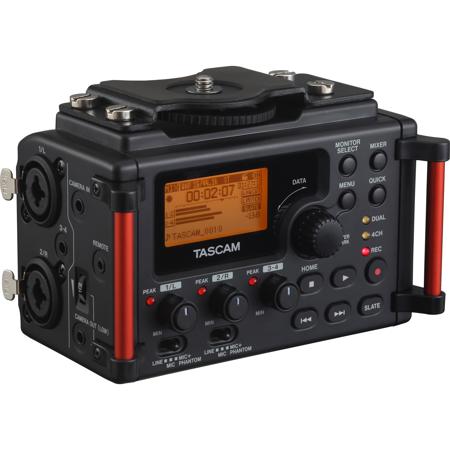
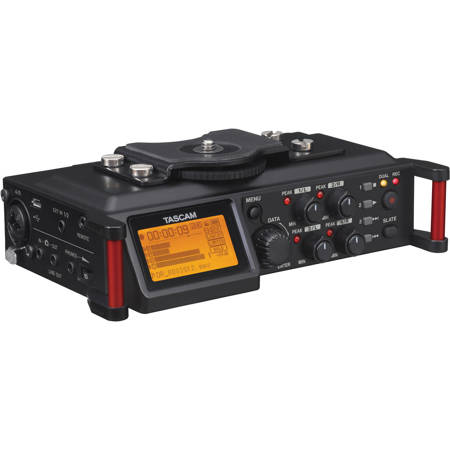
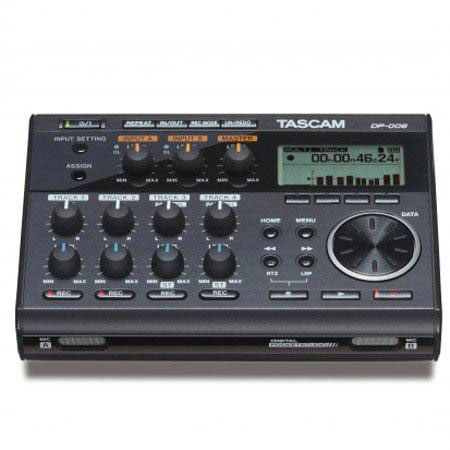
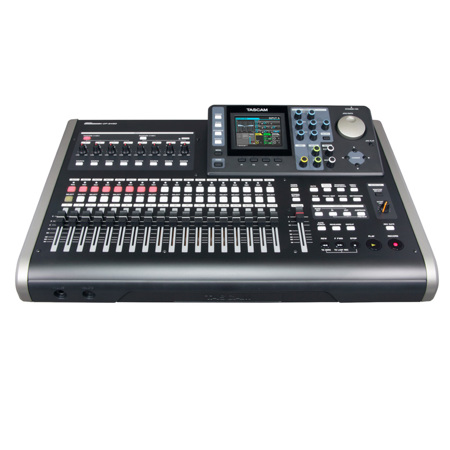
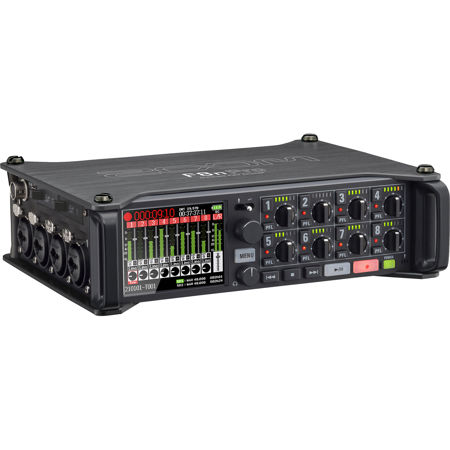
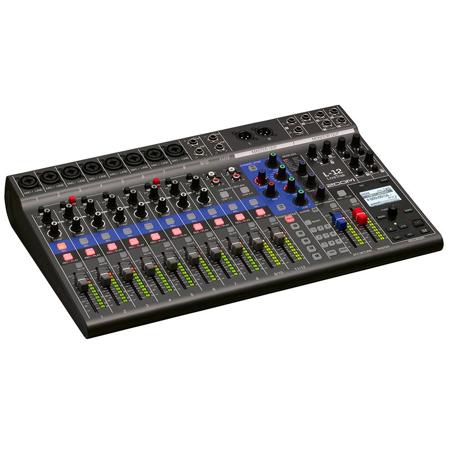
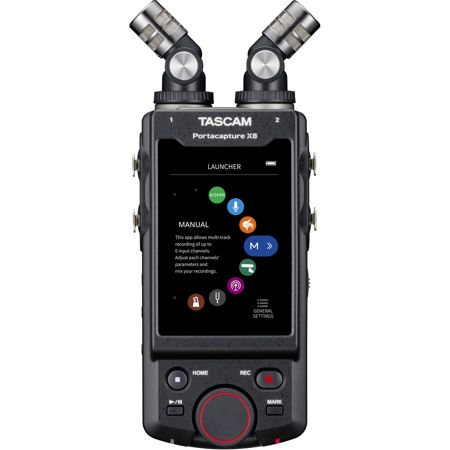
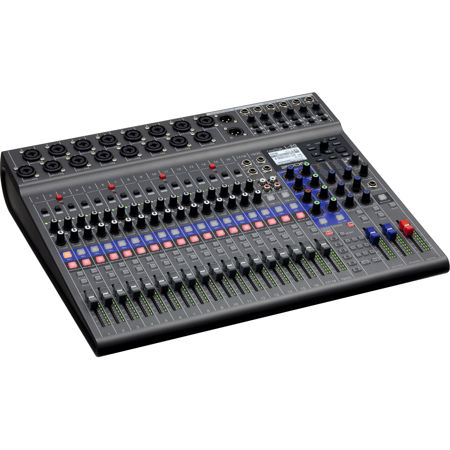
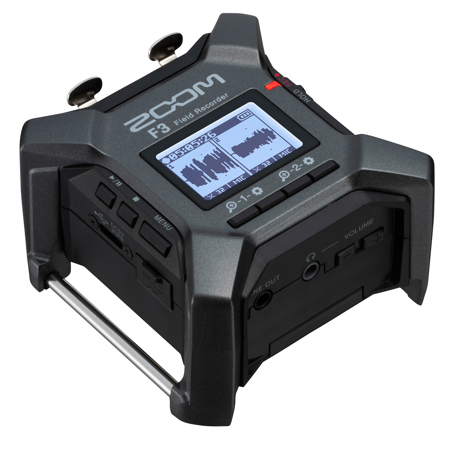
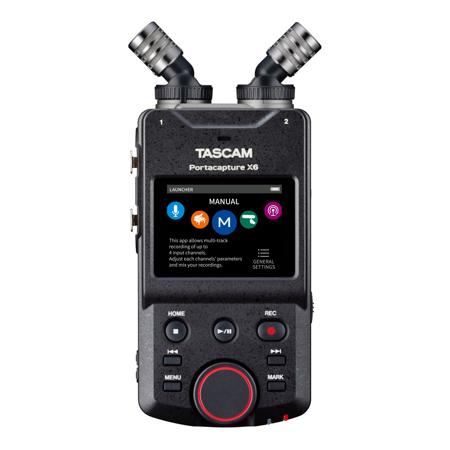
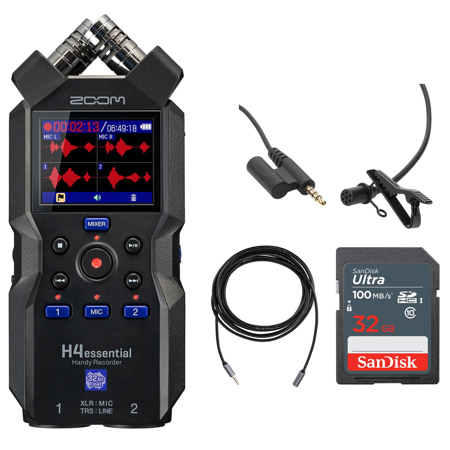
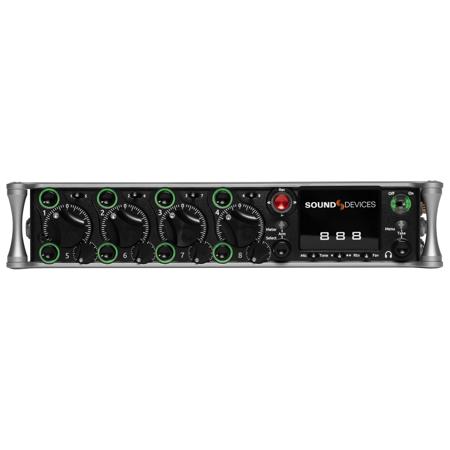
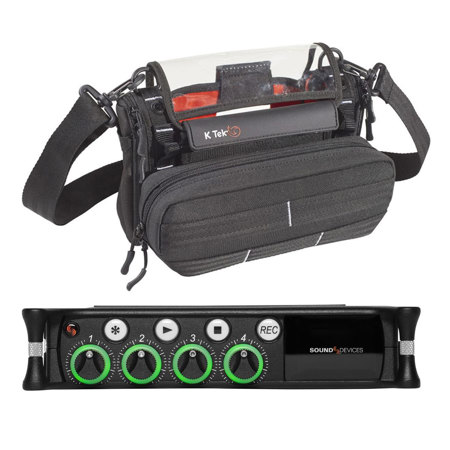
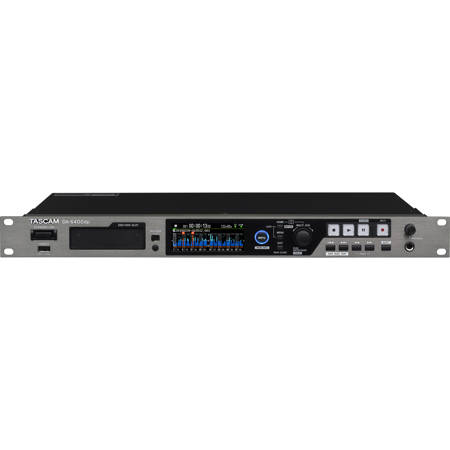
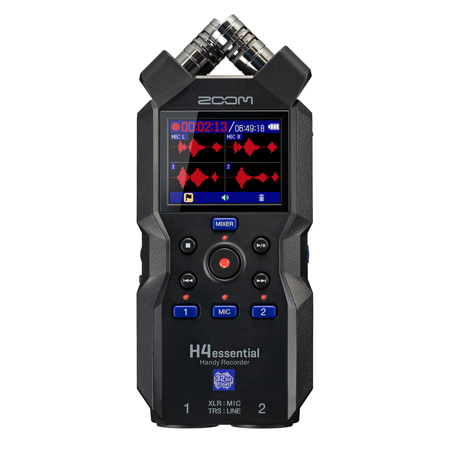
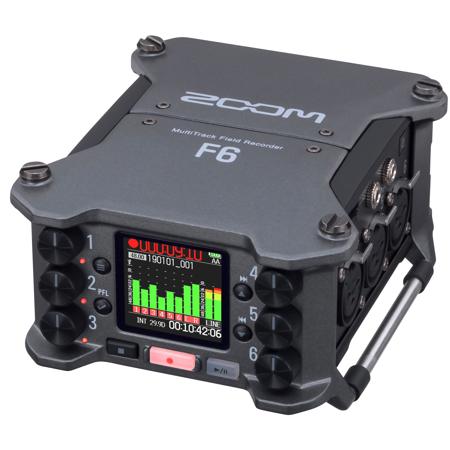
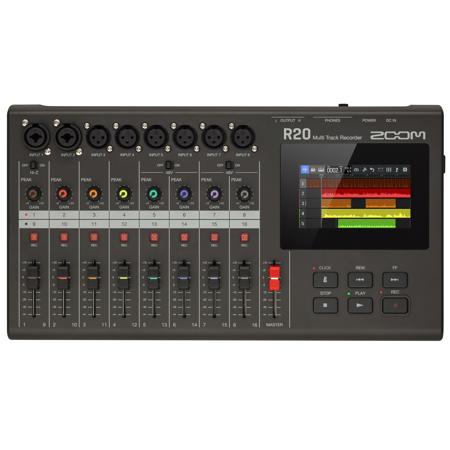
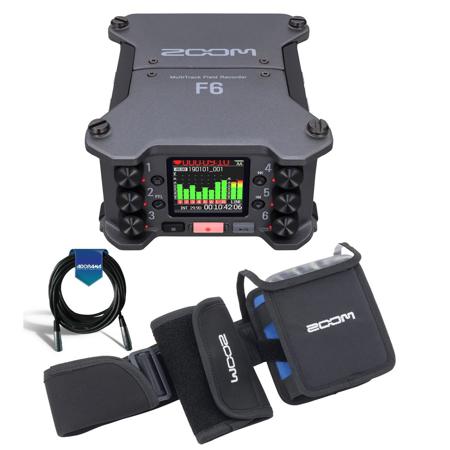
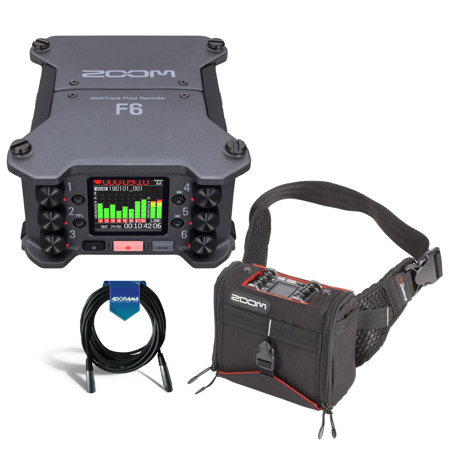
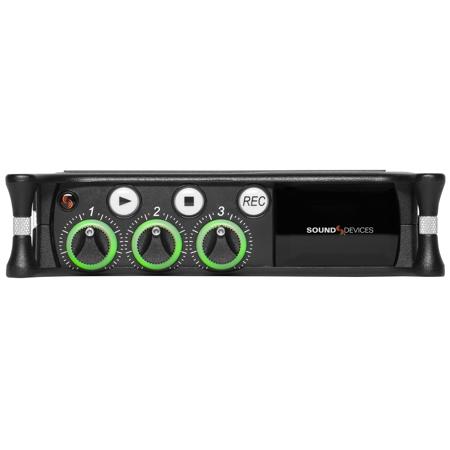
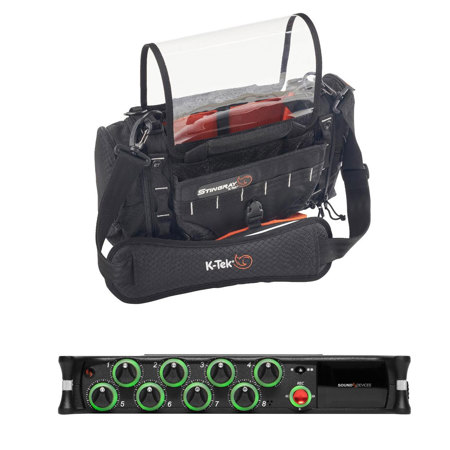
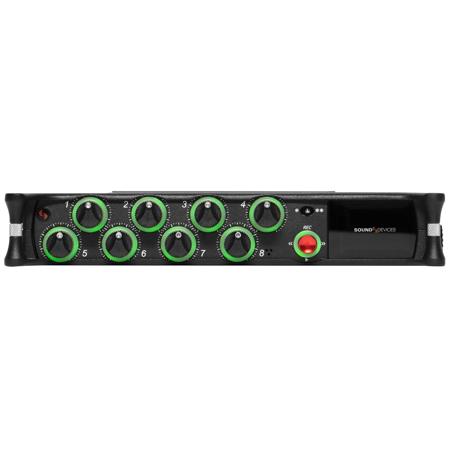
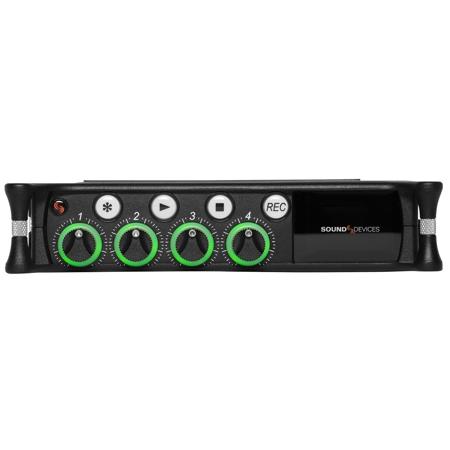
Track recorders, often referred to as multitrack recorders, are essential tools for musicians, producers, podcasters, and audio professionals who value hands-on control and dependable performance in their recording process. Unlike software-based setups, hardware track recorders allow users to capture multiple audio sources—such as vocals, guitars, drums, or ambient sounds—onto separate tracks in real time. This approach provides unmatched flexibility during mixing and editing, enabling each instrument or voice to be adjusted independently for clarity and balance. Whether you’re a songwriter capturing inspiration at home, a band tracking live sessions in a rehearsal space, or a field recordist documenting the subtle sounds of nature as the weather shifts from warm to cool, a dedicated track recorder can be the backbone of your workflow. These devices range from ultra-portable, battery-powered units with built-in microphones—perfect for spontaneous recording sessions outdoors or on the road—to robust tabletop workstations with tactile faders and onboard editing features, designed to serve as the centerpiece of a project studio.
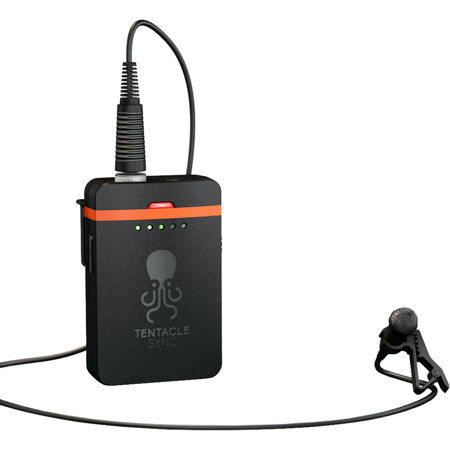
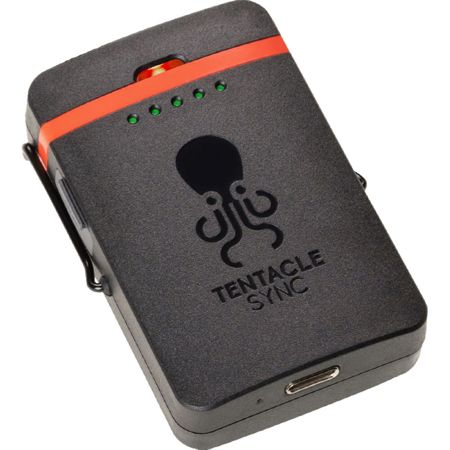
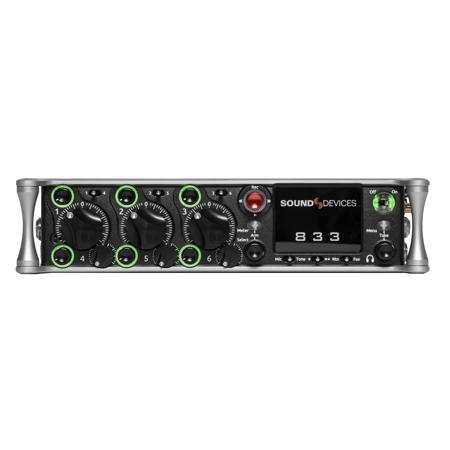
Selecting the right track recorder involves considering your recording environment, the number of simultaneous inputs you need, and the type of projects you plan to tackle. If you’re a podcaster or journalist, a compact, multi-channel field recorder with timecode synchronization and low-noise preamps ensures professional results even in unpredictable settings. For musicians and producers, the allure of vintage analog recorders—such as classic cassette or reel-to-reel machines—lies in their unique tape warmth and hands-on workflow, while modern digital models offer advanced features like 32-bit float recording, which virtually eliminates distortion and the need to set input gain levels. Those who prefer to keep their creative process “DAW-less” often gravitate toward standalone recorders that provide a distraction-free, tactile experience with immediate access to all essential controls. The reliability of hardware track recorders is especially valued during live performances or remote sessions, where computer crashes and software glitches simply aren’t an option. During the transition from the lively days of summer to the introspective pace of fall, these recorders make thoughtful gifts for aspiring musicians, audio students, or anyone looking to deepen their craft with a tool that encourages focus and creativity away from screens.
No matter your level of experience, investing in a quality track recorder can open new possibilities for capturing, preserving, and shaping sound. The ability to record multiple channels independently not only streamlines the editing process but also fosters experimentation—layering harmonies, building soundscapes, or isolating performances for later refinement. As audio technology continues to evolve, today’s track recorders offer intuitive interfaces, robust construction, and seamless integration with other gear, making them a wise addition to any creative setup. For those interested in expanding their recording capabilities further, exploring options like External Recorders can provide even greater flexibility and quality. Whether you’re capturing the vibrant energy of a summer festival, documenting interviews in the field, or laying down tracks for your next album as autumn approaches, a reliable track recorder ensures your audio is captured with clarity and precision—ready to be mixed, mastered, and shared with the world.
Selecting the right track recorder involves considering your recording environment, the number of simultaneous inputs you need, and the type of projects you plan to tackle. If you’re a podcaster or journalist, a compact, multi-channel field recorder with timecode synchronization and low-noise preamps ensures professional results even in unpredictable settings. For musicians and producers, the allure of vintage analog recorders—such as classic cassette or reel-to-reel machines—lies in their unique tape warmth and hands-on workflow, while modern digital models offer advanced features like 32-bit float recording, which virtually eliminates distortion and the need to set input gain levels. Those who prefer to keep their creative process “DAW-less” often gravitate toward standalone recorders that provide a distraction-free, tactile experience with immediate access to all essential controls. The reliability of hardware track recorders is especially valued during live performances or remote sessions, where computer crashes and software glitches simply aren’t an option. During the transition from the lively days of summer to the introspective pace of fall, these recorders make thoughtful gifts for aspiring musicians, audio students, or anyone looking to deepen their craft with a tool that encourages focus and creativity away from screens.
No matter your level of experience, investing in a quality track recorder can open new possibilities for capturing, preserving, and shaping sound. The ability to record multiple channels independently not only streamlines the editing process but also fosters experimentation—layering harmonies, building soundscapes, or isolating performances for later refinement. As audio technology continues to evolve, today’s track recorders offer intuitive interfaces, robust construction, and seamless integration with other gear, making them a wise addition to any creative setup. For those interested in expanding their recording capabilities further, exploring options like External Recorders can provide even greater flexibility and quality. Whether you’re capturing the vibrant energy of a summer festival, documenting interviews in the field, or laying down tracks for your next album as autumn approaches, a reliable track recorder ensures your audio is captured with clarity and precision—ready to be mixed, mastered, and shared with the world.