






Triangle Guitar Picks
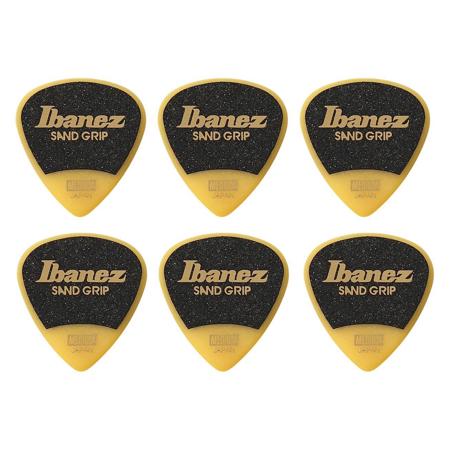
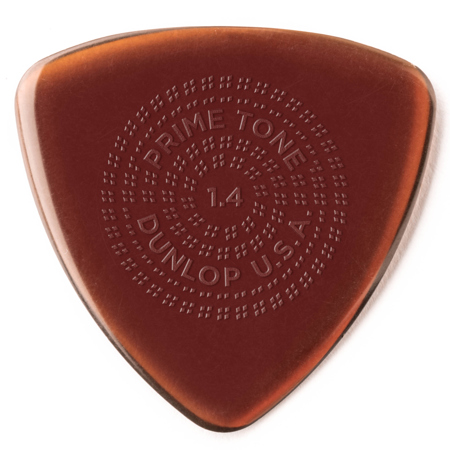
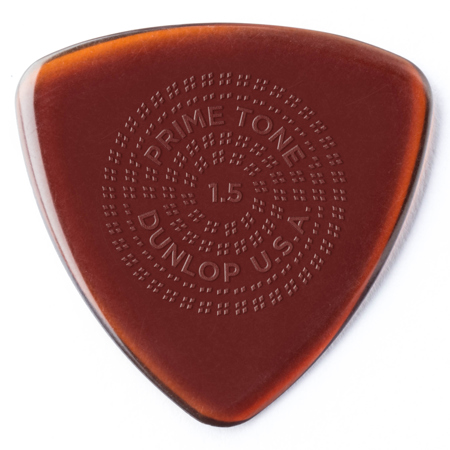
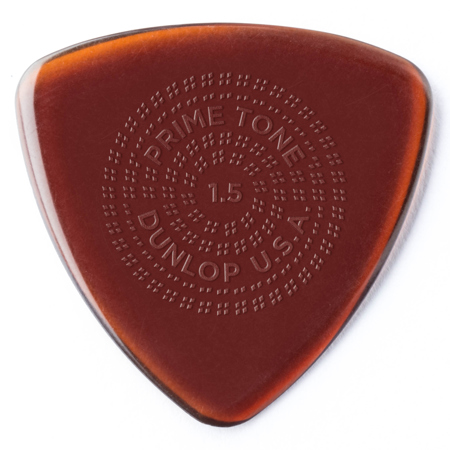
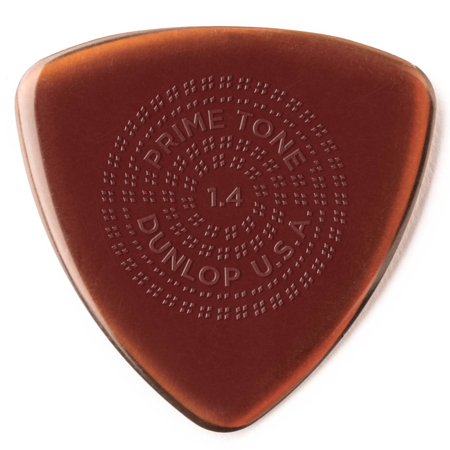
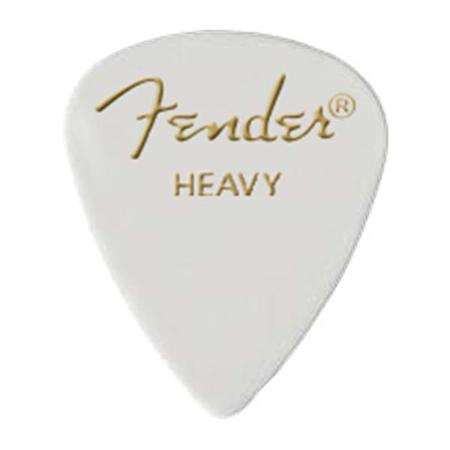
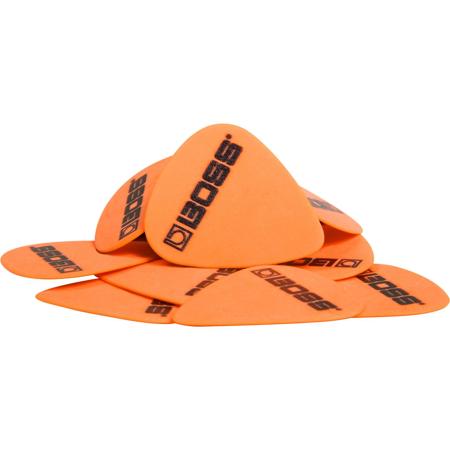
Triangle guitar picks have long held a special place in the toolkit of guitarists and bassists alike, offering a unique blend of comfort, versatility, and longevity that sets them apart from traditional teardrop or jazz pick shapes. Characterized by their three equally rounded corners and generous surface area, triangle picks provide musicians with three usable tips, effectively extending the lifespan of each pick and reducing the need for frequent replacements. This design is especially valued during stretches of increased playing—whether that means jamming with friends outdoors as the weather warms, recording in the studio, or performing live gigs as music festivals and events return in full swing. The larger grip area not only caters to players with bigger hands but also benefits anyone who finds smaller picks difficult to control, making triangle picks a practical choice for both seasoned professionals and those just starting their musical journey. Many players gravitate towards triangle picks for genres that demand both precision and power, such as flatpicking on acoustic guitars or delivering punchy, articulate lines on electric bass. The stability offered by the larger body helps maintain consistent tone and control, even during fast alternate picking or vigorous strumming sessions.
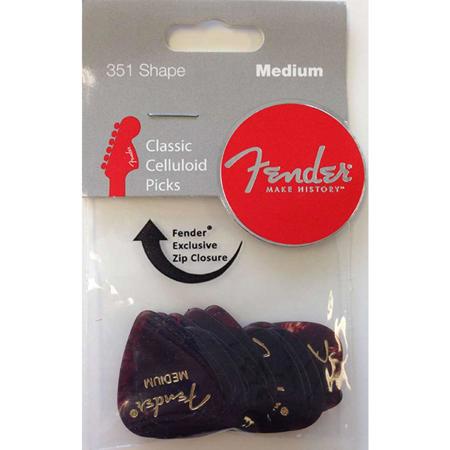
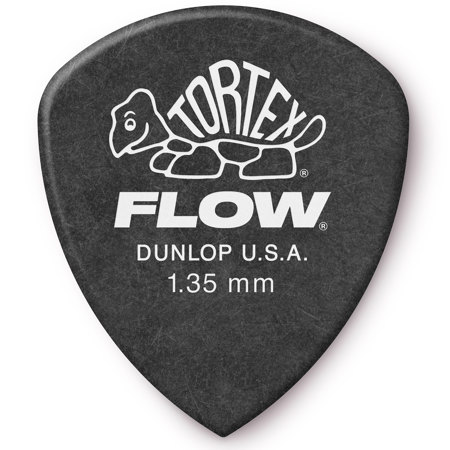
When selecting a triangle guitar pick, several factors come into play, each contributing to the overall playing experience. Material is a key consideration—options like Delrin, Ultex, nylon, and celluloid each impart distinct tonal characteristics and levels of durability. For example, Delrin and Ultex are renowned for their resilience and bright, crisp attack, making them ideal for players who want a pick that will stand up to heavy use without quickly wearing down. Thickness, or gauge, is another important factor; thinner triangle picks tend to produce a warmer, more flexible response that suits acoustic strumming, while thicker gauges offer increased rigidity and control for intricate lead work or bass playing. The matte finishes often found on these picks enhance grip, ensuring the pick stays secure even during extended practice sessions or live performances where sweaty hands are common. Triangle picks also make thoughtful gifts for musicians, whether for a student embarking on their first lessons, a friend building their gear collection, or a seasoned player seeking a reliable backup for their gig bag. The universal appeal and practicality of triangle picks mean they’re always welcome in a musician’s stocking or as part of a summer care package before a season of lessons, rehearsals, or outdoor shows.
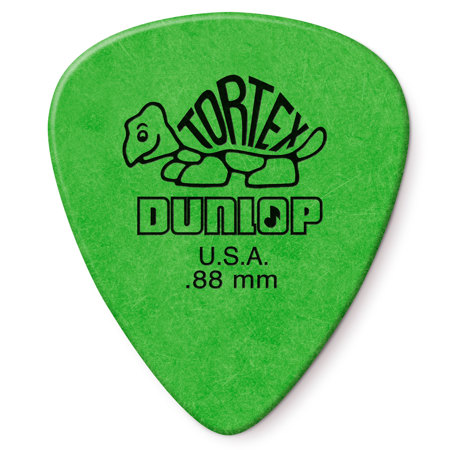
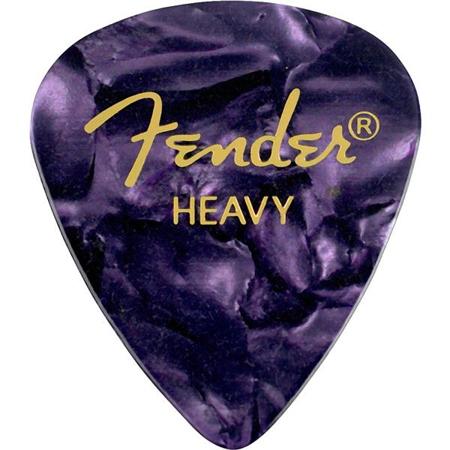
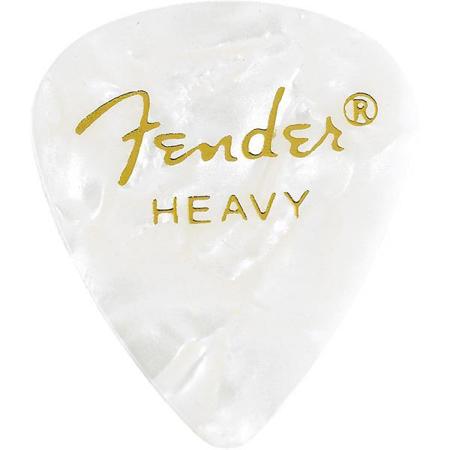
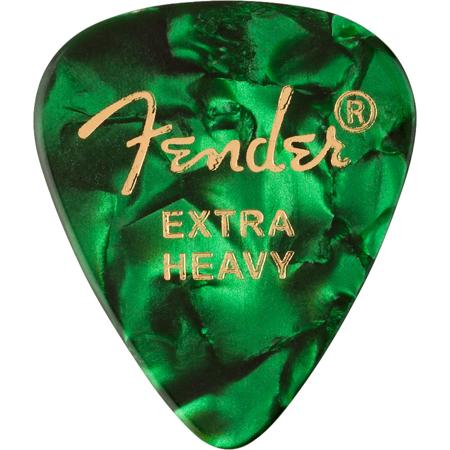
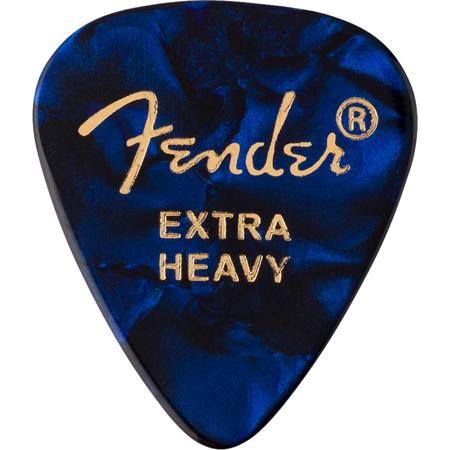
For those who enjoy experimenting with color and style, triangle picks are available in a variety of finishes and hues, allowing musicians to express their personality while fine-tuning their sound. Some players even coordinate their picks with their guitar or stage presence for a cohesive look. If you’re interested in exploring other pick shapes, materials, or colors—perhaps to match a particular mood or musical style—you might also want to browse options like Green Guitar Picks for further inspiration. Ultimately, triangle guitar picks offer a combination of ergonomic comfort, extended usability, and tonal versatility that make them an essential addition to any guitarist or bassist’s collection. Whether you’re strumming around a campfire, laying down tracks in the studio, or gearing up for a busy season of performances, the right pick can make all the difference in both sound and feel, supporting your creativity and helping you make the most of every musical moment.
When selecting a triangle guitar pick, several factors come into play, each contributing to the overall playing experience. Material is a key consideration—options like Delrin, Ultex, nylon, and celluloid each impart distinct tonal characteristics and levels of durability. For example, Delrin and Ultex are renowned for their resilience and bright, crisp attack, making them ideal for players who want a pick that will stand up to heavy use without quickly wearing down. Thickness, or gauge, is another important factor; thinner triangle picks tend to produce a warmer, more flexible response that suits acoustic strumming, while thicker gauges offer increased rigidity and control for intricate lead work or bass playing. The matte finishes often found on these picks enhance grip, ensuring the pick stays secure even during extended practice sessions or live performances where sweaty hands are common. Triangle picks also make thoughtful gifts for musicians, whether for a student embarking on their first lessons, a friend building their gear collection, or a seasoned player seeking a reliable backup for their gig bag. The universal appeal and practicality of triangle picks mean they’re always welcome in a musician’s stocking or as part of a summer care package before a season of lessons, rehearsals, or outdoor shows.
For those who enjoy experimenting with color and style, triangle picks are available in a variety of finishes and hues, allowing musicians to express their personality while fine-tuning their sound. Some players even coordinate their picks with their guitar or stage presence for a cohesive look. If you’re interested in exploring other pick shapes, materials, or colors—perhaps to match a particular mood or musical style—you might also want to browse options like Green Guitar Picks for further inspiration. Ultimately, triangle guitar picks offer a combination of ergonomic comfort, extended usability, and tonal versatility that make them an essential addition to any guitarist or bassist’s collection. Whether you’re strumming around a campfire, laying down tracks in the studio, or gearing up for a busy season of performances, the right pick can make all the difference in both sound and feel, supporting your creativity and helping you make the most of every musical moment.