TS Cables
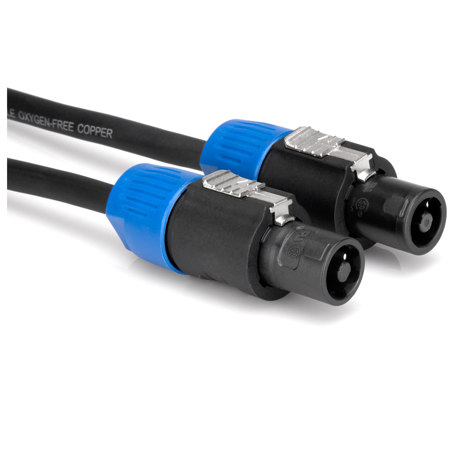
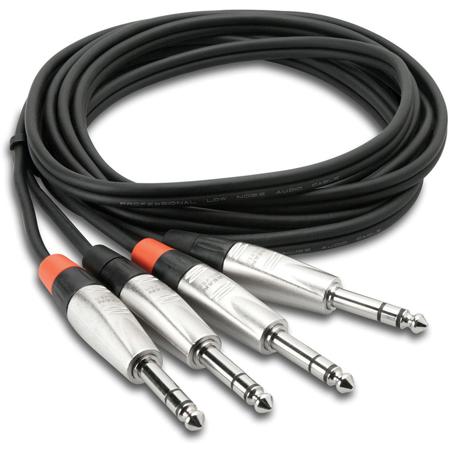
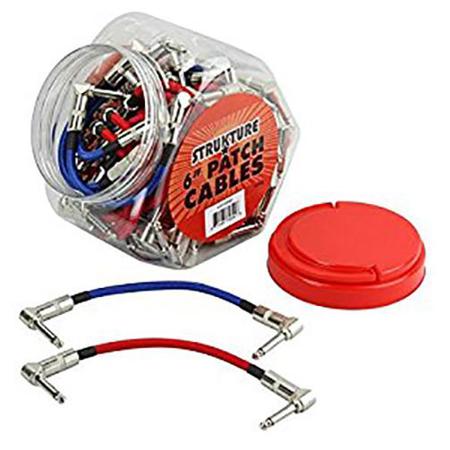
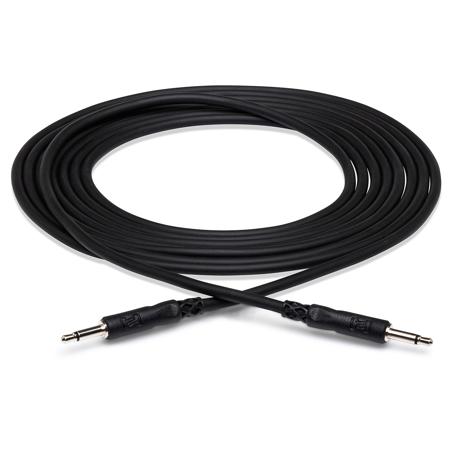
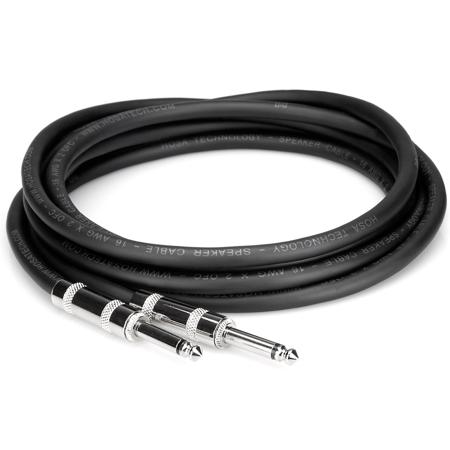
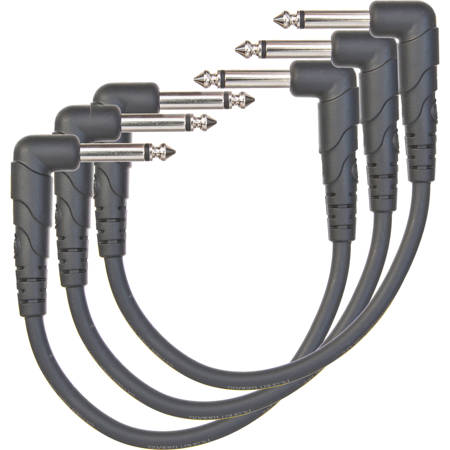
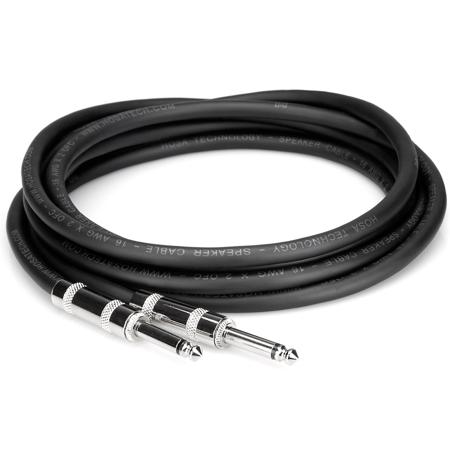
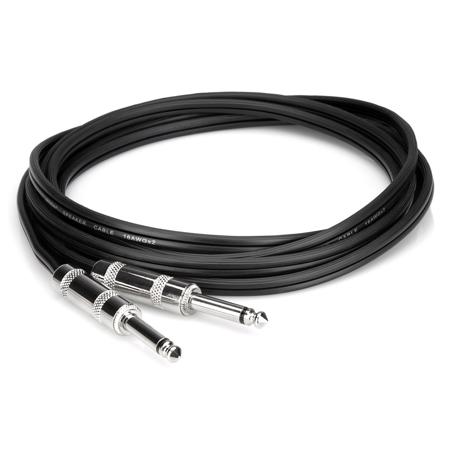
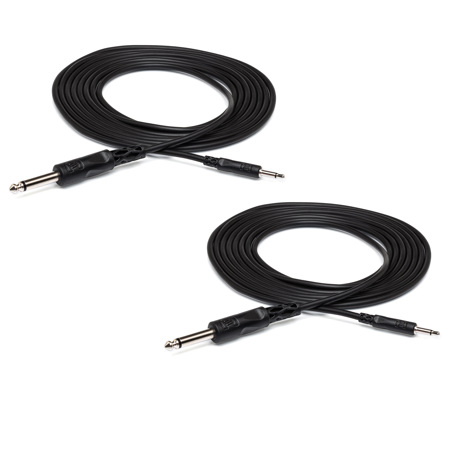
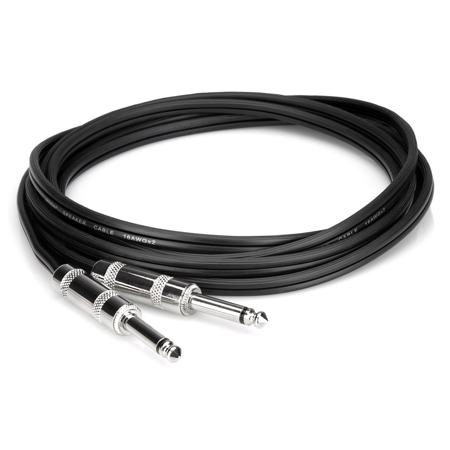
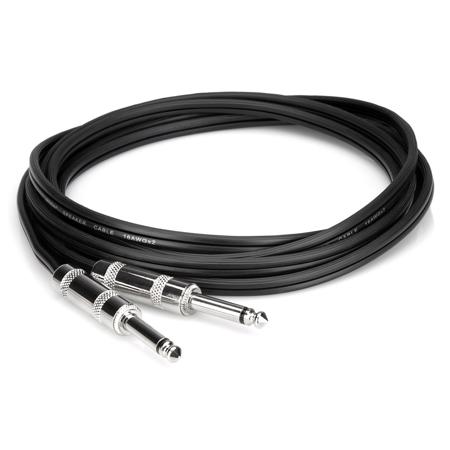
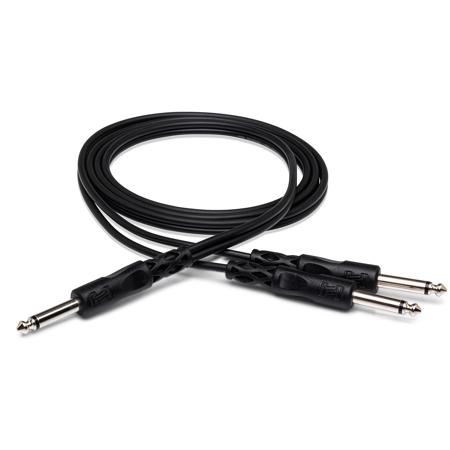
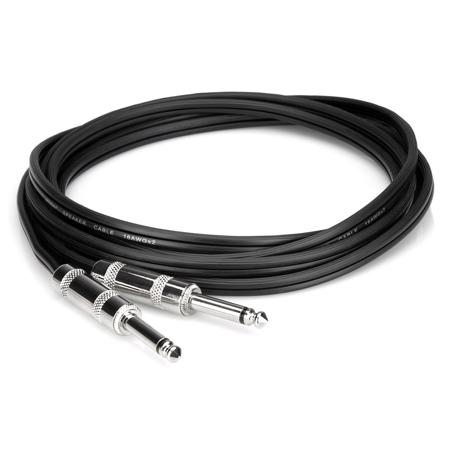
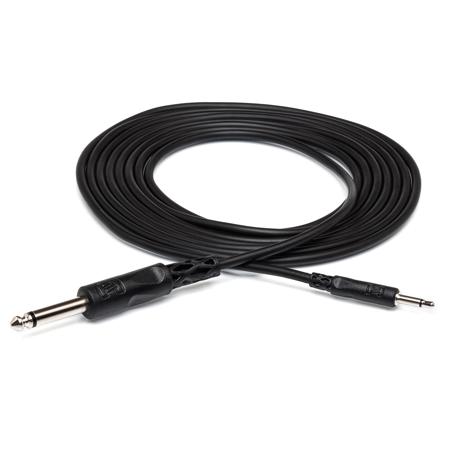
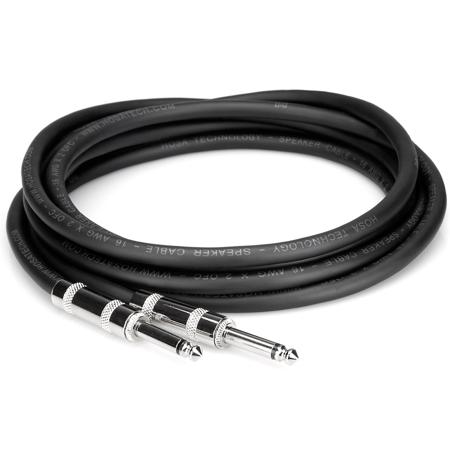
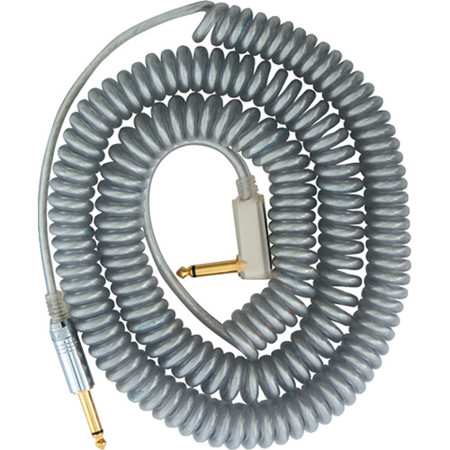
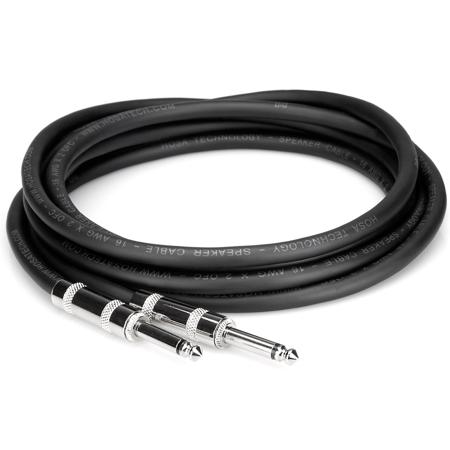
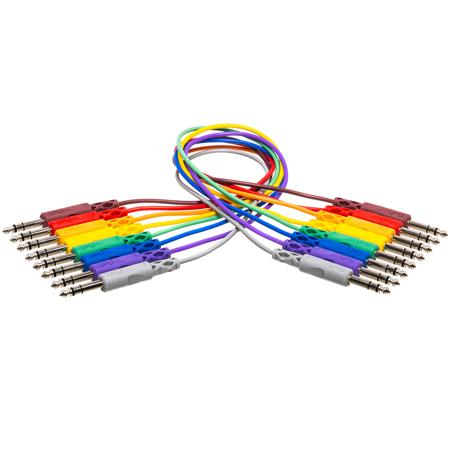
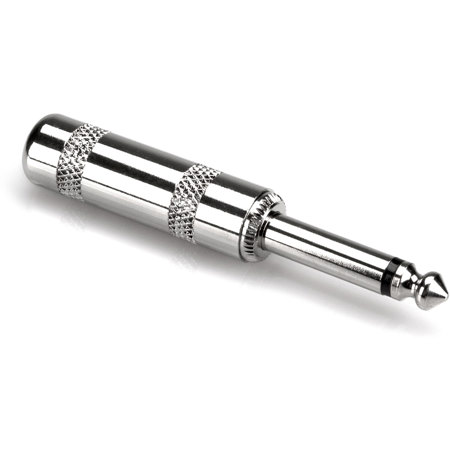
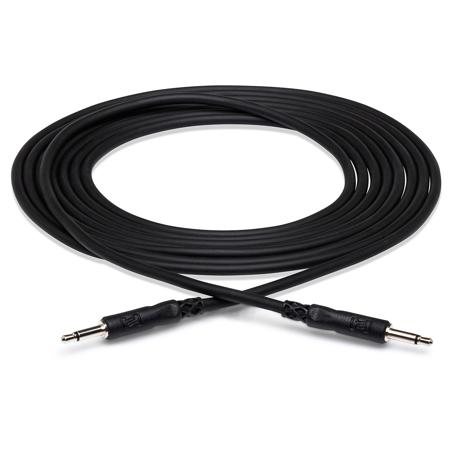
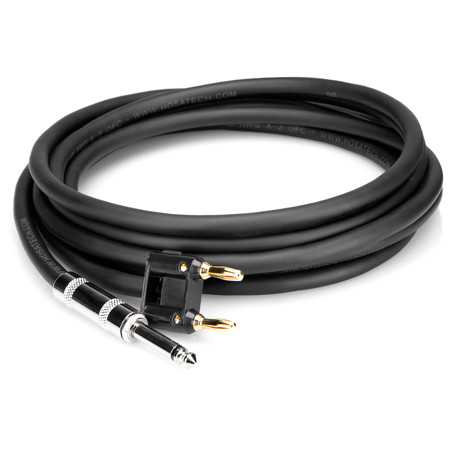
TS cables, also known as Tip-Sleeve cables, are a cornerstone in the world of audio connectivity, especially for musicians, audio engineers, and anyone working with analog sound equipment. At their core, TS cables are designed to carry unbalanced, mono audio signals—making them a staple for connecting electric guitars, bass guitars, keyboards, and other instruments directly to amplifiers, effects pedals, or recording interfaces. The straightforward construction of a ts cable, with its two main contact points—the tip for the signal and the sleeve for the ground—offers simplicity and reliability for a wide range of setups. For anyone setting up a home studio, performing live, or simply jamming with friends, TS cables are often the first choice for instrument-to-amp connections. Their shielded design helps protect the signal from external noise, but because they are unbalanced, they are best suited for short-to-medium cable runs where electromagnetic interference is less of a concern. Whether you’re a seasoned professional or just starting out with your first electric instrument, understanding the role and limitations of TS cables is essential for achieving clear, uninterrupted sound.
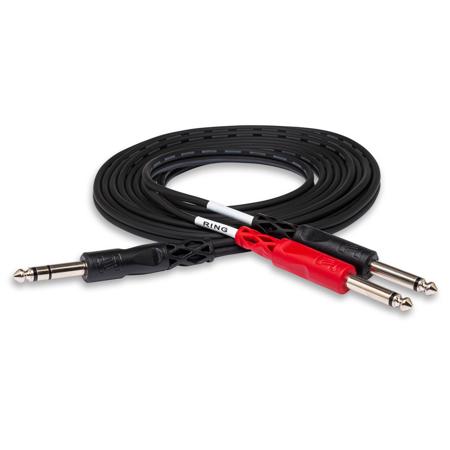
During the warmer months, when outdoor performances, backyard jam sessions, and open mic nights become more common, having reliable TS cables on hand is crucial for seamless setup and performance. These cables are not only favored by guitarists and bassists but are also indispensable for keyboard players and anyone integrating analog synthesizers or drum machines into their rig. If you’re looking for a practical gift for a musician or audio enthusiast, a high-quality TS cable is always appreciated—especially as gear gets more use during festival season and live events. For educators and students alike, TS cables are a classroom essential, helping to connect instruments to practice amps or portable PA systems for rehearsals and recitals. When considering a TS cable, it’s important to think about the length you need, the durability of the connectors, and the quality of the shielding, as these factors can affect both sound quality and longevity. While TS cables are ideal for mono, unbalanced connections, it’s worth noting that for balanced or stereo applications, a TRS (Tip-Ring-Sleeve) cable may be required instead. For those building or expanding their audio setup, exploring related solutions such as Interface Cables can help ensure compatibility and optimal performance across a variety of gear.
As creative projects and musical collaborations pick up pace throughout the summer and into the early fall, the right TS cables can make all the difference in capturing inspiration without technical interruptions. From recording sessions in home studios to impromptu gigs in local venues, these cables offer the reliability and ease of use that musicians and audio professionals depend on. The unmistakable click of a TS connector locking into place is a familiar prelude to countless performances and recordings, and investing in well-made cables means fewer worries about signal loss or unwanted noise. Whether you’re upgrading your existing setup or preparing for a busy season of music-making, TS cables remain an essential component—delivering the straightforward, mono connections that keep the music flowing.
During the warmer months, when outdoor performances, backyard jam sessions, and open mic nights become more common, having reliable TS cables on hand is crucial for seamless setup and performance. These cables are not only favored by guitarists and bassists but are also indispensable for keyboard players and anyone integrating analog synthesizers or drum machines into their rig. If you’re looking for a practical gift for a musician or audio enthusiast, a high-quality TS cable is always appreciated—especially as gear gets more use during festival season and live events. For educators and students alike, TS cables are a classroom essential, helping to connect instruments to practice amps or portable PA systems for rehearsals and recitals. When considering a TS cable, it’s important to think about the length you need, the durability of the connectors, and the quality of the shielding, as these factors can affect both sound quality and longevity. While TS cables are ideal for mono, unbalanced connections, it’s worth noting that for balanced or stereo applications, a TRS (Tip-Ring-Sleeve) cable may be required instead. For those building or expanding their audio setup, exploring related solutions such as Interface Cables can help ensure compatibility and optimal performance across a variety of gear.
As creative projects and musical collaborations pick up pace throughout the summer and into the early fall, the right TS cables can make all the difference in capturing inspiration without technical interruptions. From recording sessions in home studios to impromptu gigs in local venues, these cables offer the reliability and ease of use that musicians and audio professionals depend on. The unmistakable click of a TS connector locking into place is a familiar prelude to countless performances and recordings, and investing in well-made cables means fewer worries about signal loss or unwanted noise. Whether you’re upgrading your existing setup or preparing for a busy season of music-making, TS cables remain an essential component—delivering the straightforward, mono connections that keep the music flowing.