
USB C Audio Interfaces
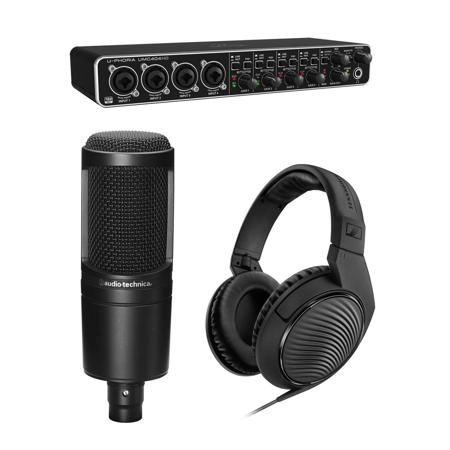
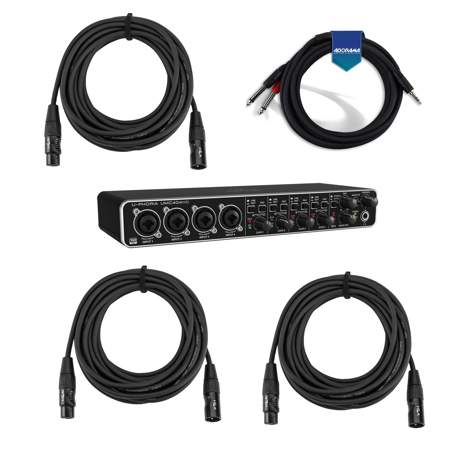
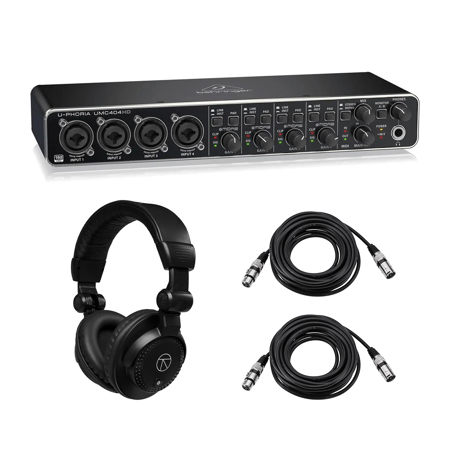
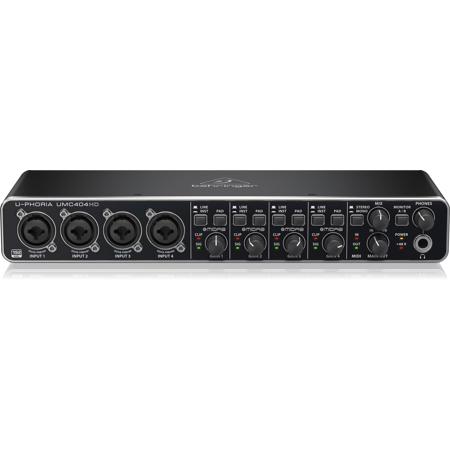
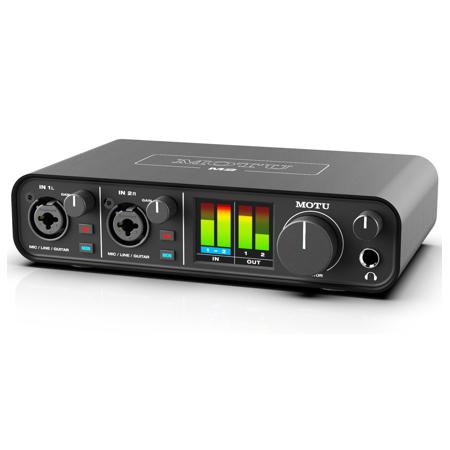
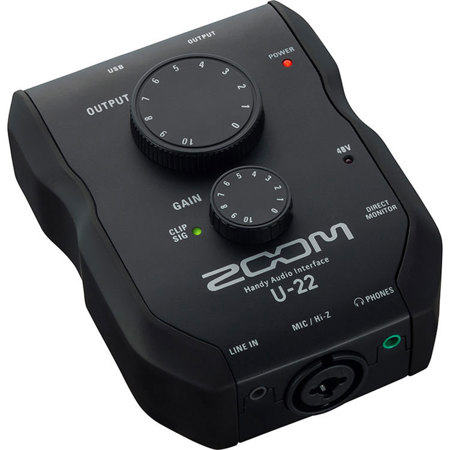
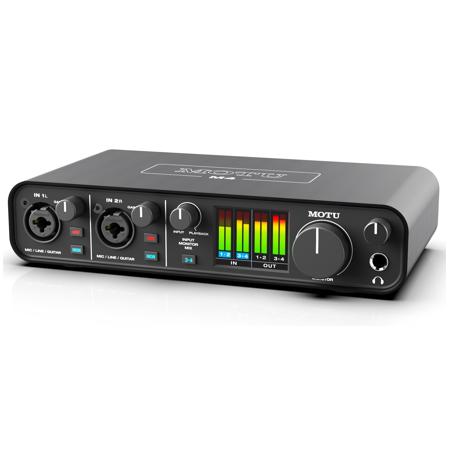
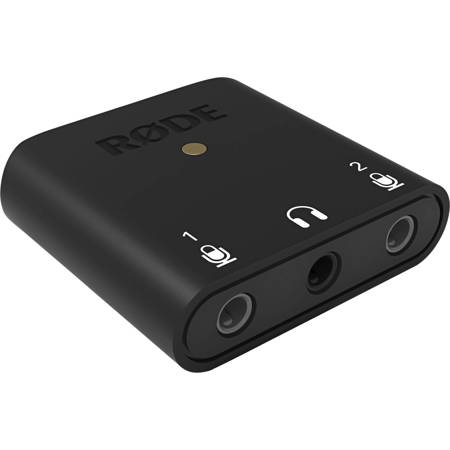
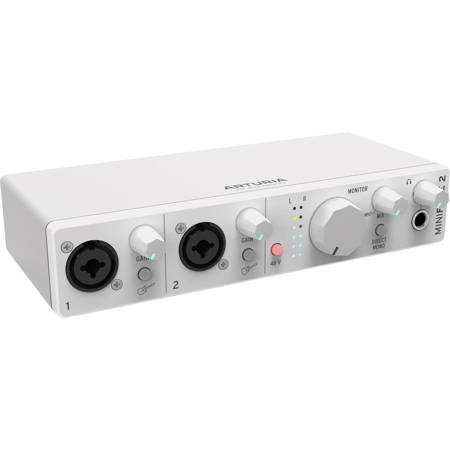
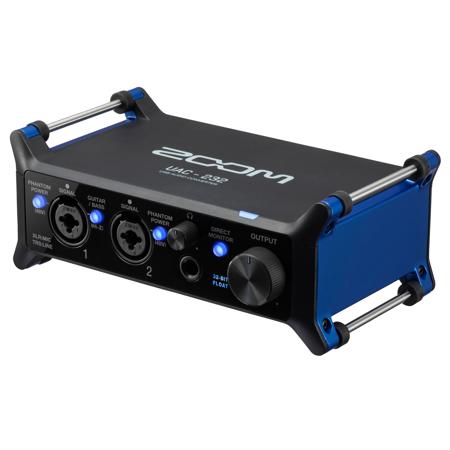
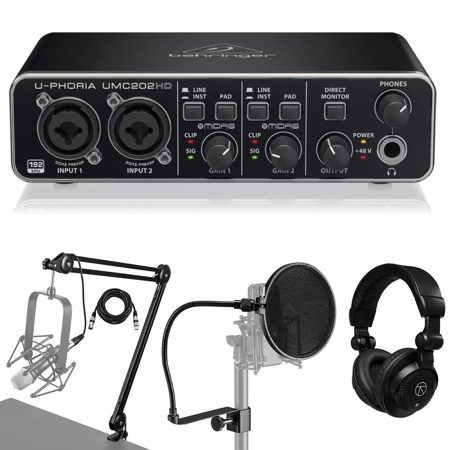
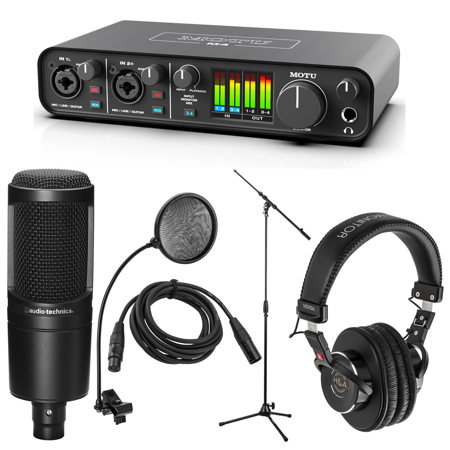
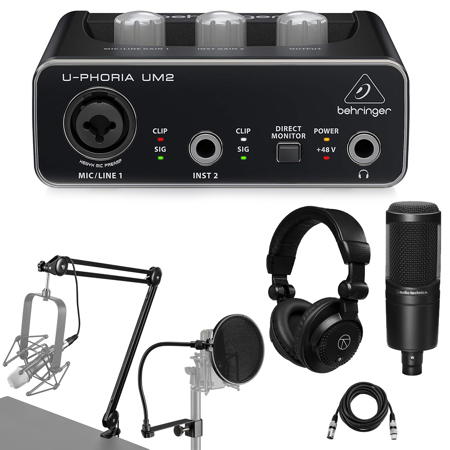
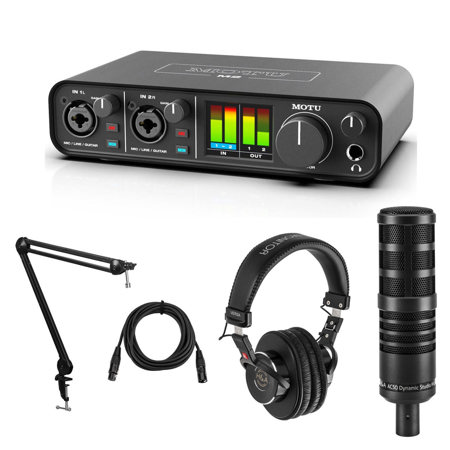
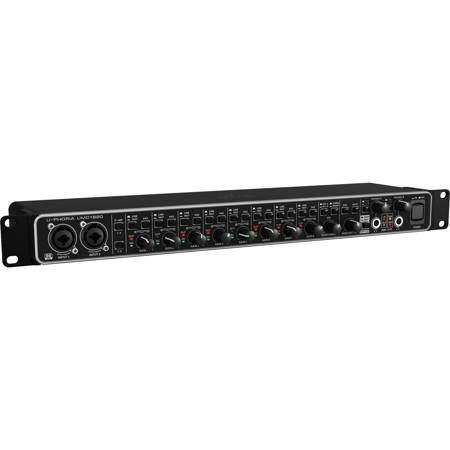
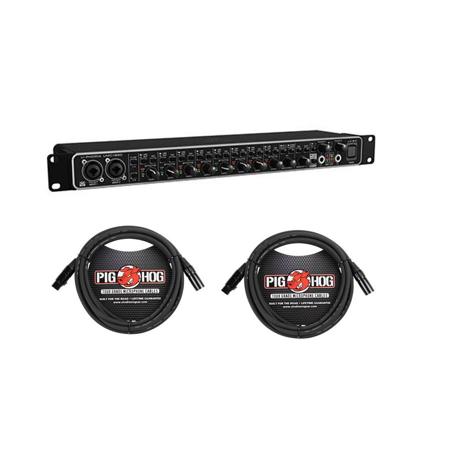
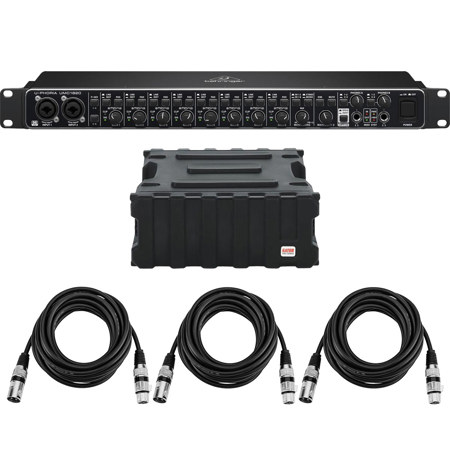
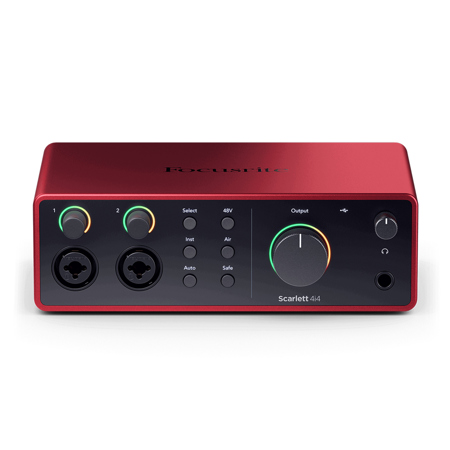
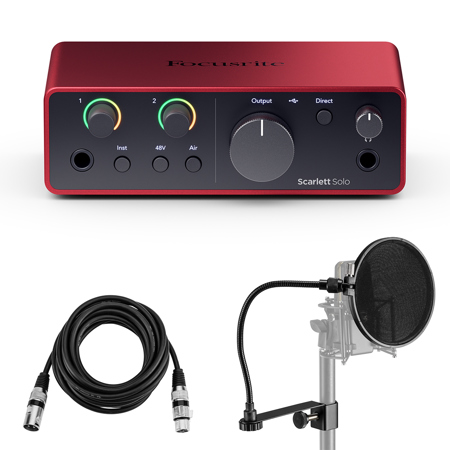
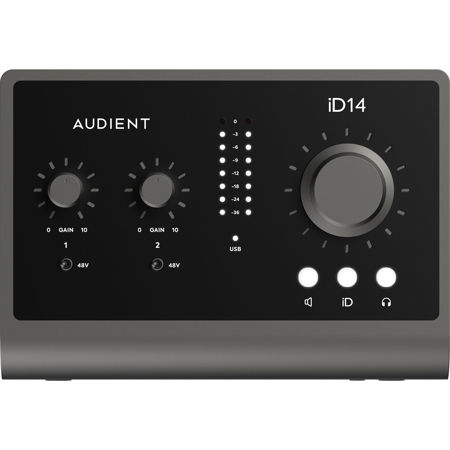
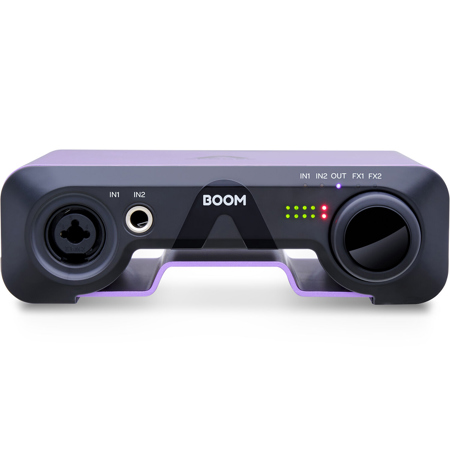
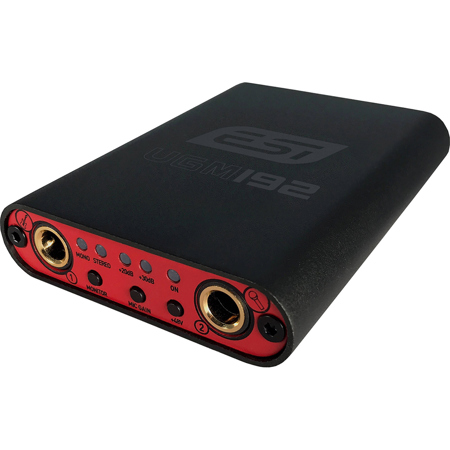
USB-C audio interfaces have quickly become a staple in the toolkit of musicians, podcasters, streamers, and content creators who demand reliable, high-fidelity sound with the convenience of modern connectivity. As laptops and mobile devices increasingly favor USB-C ports for their speed and versatility, these interfaces bridge the gap between professional-grade microphones, instruments, and digital workflows. Whether you’re setting up a home studio to record vocals and guitar, capturing a podcast with crystal-clear dialogue, or streaming live performances, a USB-C audio interface ensures your sound is captured with accuracy and minimal latency. The plug-and-play nature of USB-C means you can connect directly to compatible devices without the need for adapters or additional power supplies, making it just as easy to record a quick demo in your living room as it is to lay down tracks on the go. This flexibility appeals to both seasoned audio engineers and newcomers alike—anyone who values the ability to create wherever inspiration strikes. As the weather warms and creative projects move outdoors or into new spaces, the portable form factor and robust build of these interfaces make them ideal companions for capturing ideas at a moment’s notice, whether you’re collaborating with friends or working solo.
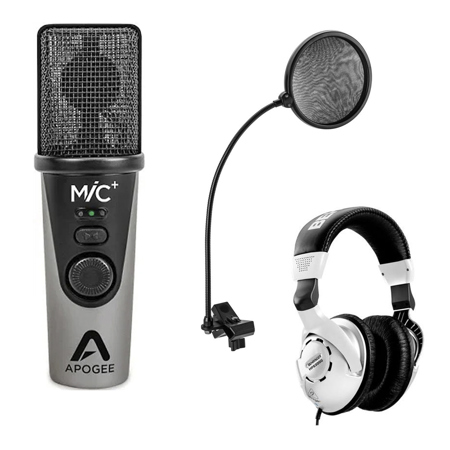
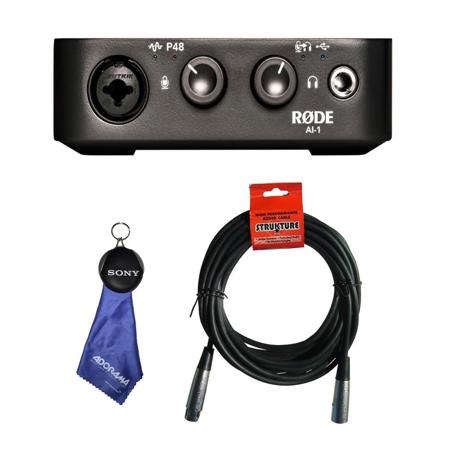
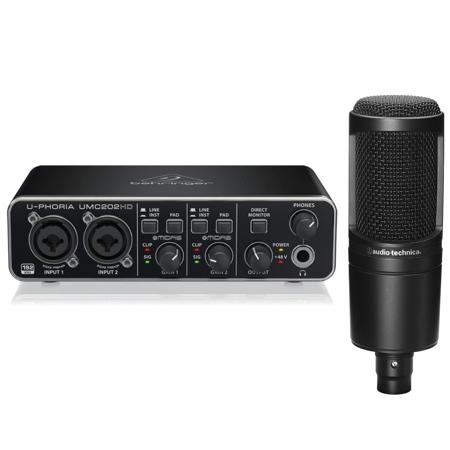
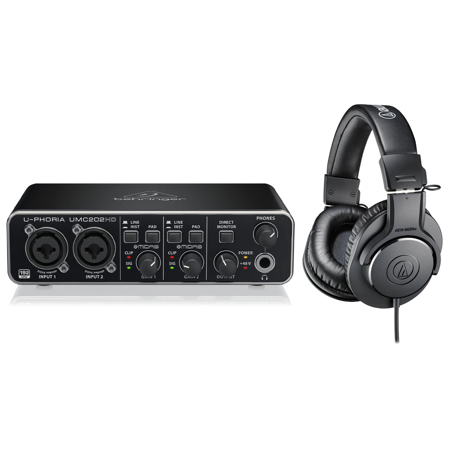
When choosing a USB-C audio interface, it’s important to consider the number of inputs and outputs you’ll need, the quality of the preamps, and the resolution and sample rate supported by the device. Those producing music with multiple instruments or recording podcasts with several guests should look for interfaces with multiple XLR or combo inputs, while solo creators may prefer a compact, streamlined model. Features like direct monitoring, onboard gain controls, and low-latency performance can make a significant difference in your workflow, allowing you to focus on your craft rather than troubleshooting technical issues. Many interfaces also include bundled software or plugins to help you get started with mixing and editing, making them a thoughtful gift for aspiring producers, students, or anyone eager to upgrade their audio setup. The transition from summer into the cooler months often brings a renewed focus on indoor creativity, and a reliable USB-C audio interface can be the centerpiece of a productive home studio, supporting everything from songwriting sessions to remote teaching, game streaming, and virtual meetings. For those looking to further expand their recording capabilities, pairing an interface with compatible microphones can unlock even greater audio potential—explore more options on our dedicated USB C Microphones page to find the perfect match for your setup.
Whether you’re a hobbyist capturing the sounds of summer, a professional refining your portfolio, or searching for a practical yet inspiring gift, USB-C audio interfaces offer the connectivity, quality, and ease-of-use needed for today’s fast-paced creative environments. Their compatibility with a wide range of devices makes them especially appealing for hybrid workspaces and mobile producers, ensuring that great sound is always within reach. As creative routines shift with the seasons, having a dependable interface at your side means you’re ready to record, collaborate, or broadcast whenever opportunity knocks. From spontaneous jam sessions to polished studio productions, USB-C audio interfaces empower creators to make every note, word, and idea count, delivering professional results with the simplicity and speed that modern workflows demand.
When choosing a USB-C audio interface, it’s important to consider the number of inputs and outputs you’ll need, the quality of the preamps, and the resolution and sample rate supported by the device. Those producing music with multiple instruments or recording podcasts with several guests should look for interfaces with multiple XLR or combo inputs, while solo creators may prefer a compact, streamlined model. Features like direct monitoring, onboard gain controls, and low-latency performance can make a significant difference in your workflow, allowing you to focus on your craft rather than troubleshooting technical issues. Many interfaces also include bundled software or plugins to help you get started with mixing and editing, making them a thoughtful gift for aspiring producers, students, or anyone eager to upgrade their audio setup. The transition from summer into the cooler months often brings a renewed focus on indoor creativity, and a reliable USB-C audio interface can be the centerpiece of a productive home studio, supporting everything from songwriting sessions to remote teaching, game streaming, and virtual meetings. For those looking to further expand their recording capabilities, pairing an interface with compatible microphones can unlock even greater audio potential—explore more options on our dedicated USB C Microphones page to find the perfect match for your setup.
Whether you’re a hobbyist capturing the sounds of summer, a professional refining your portfolio, or searching for a practical yet inspiring gift, USB-C audio interfaces offer the connectivity, quality, and ease-of-use needed for today’s fast-paced creative environments. Their compatibility with a wide range of devices makes them especially appealing for hybrid workspaces and mobile producers, ensuring that great sound is always within reach. As creative routines shift with the seasons, having a dependable interface at your side means you’re ready to record, collaborate, or broadcast whenever opportunity knocks. From spontaneous jam sessions to polished studio productions, USB-C audio interfaces empower creators to make every note, word, and idea count, delivering professional results with the simplicity and speed that modern workflows demand.